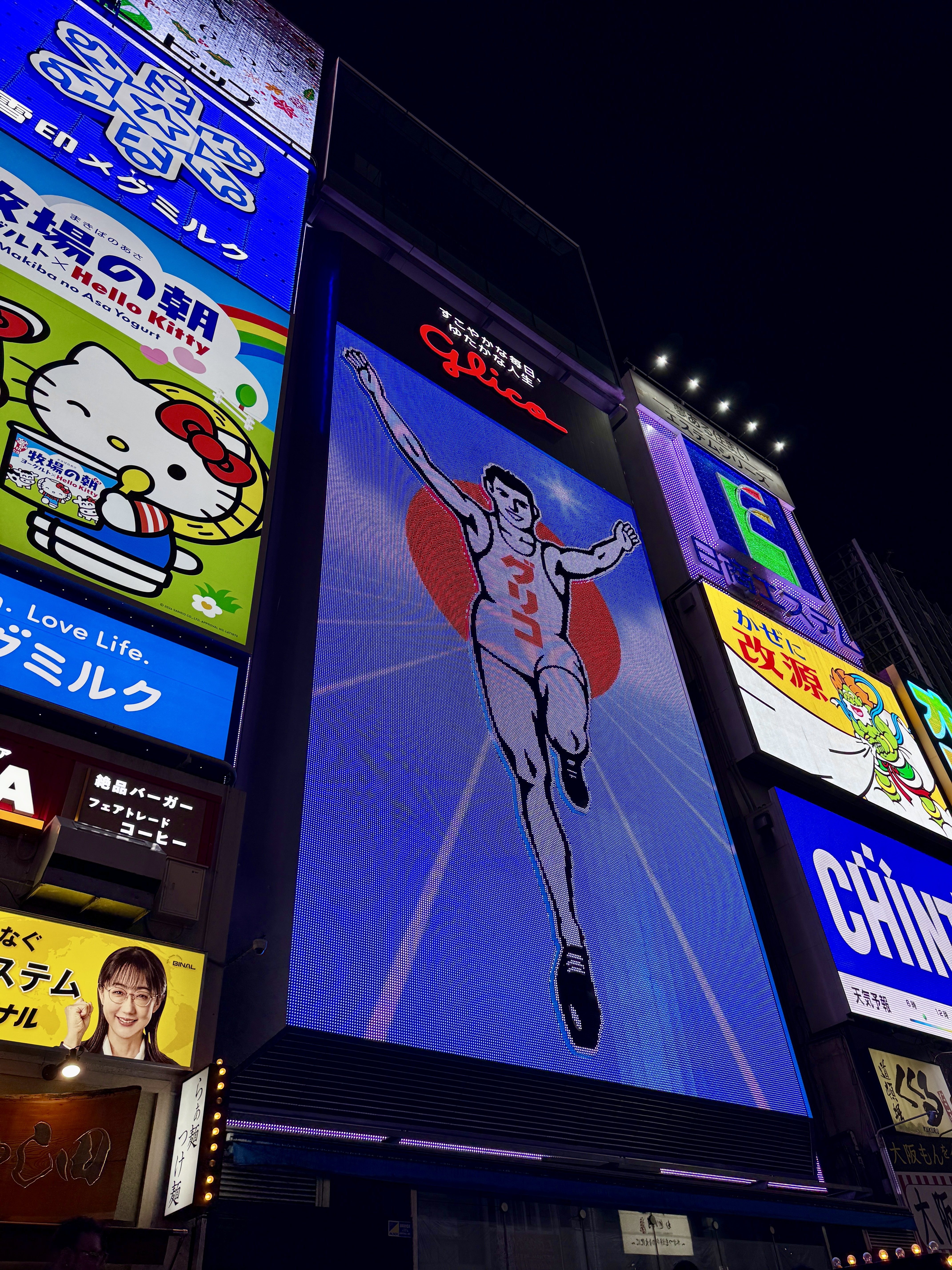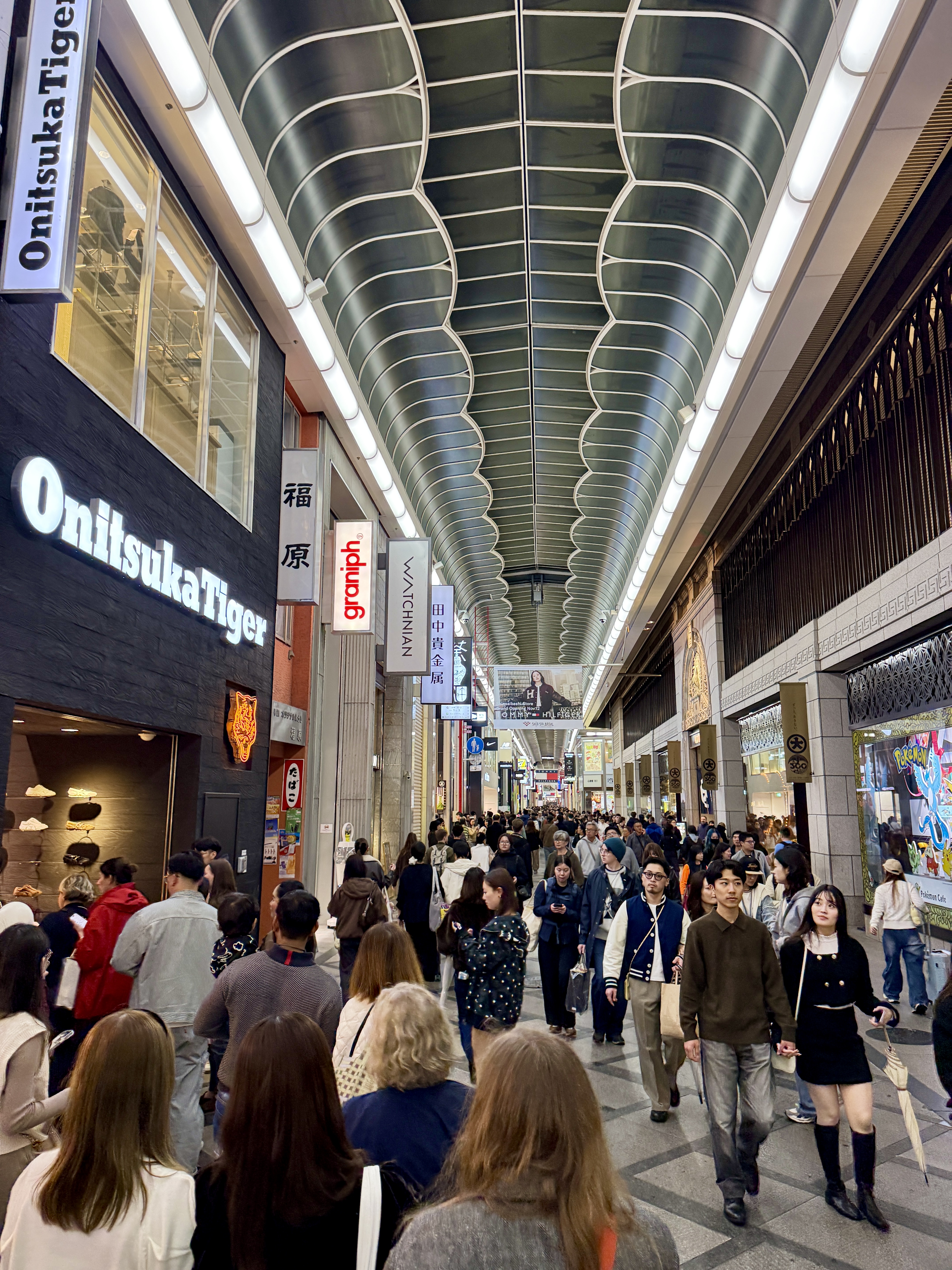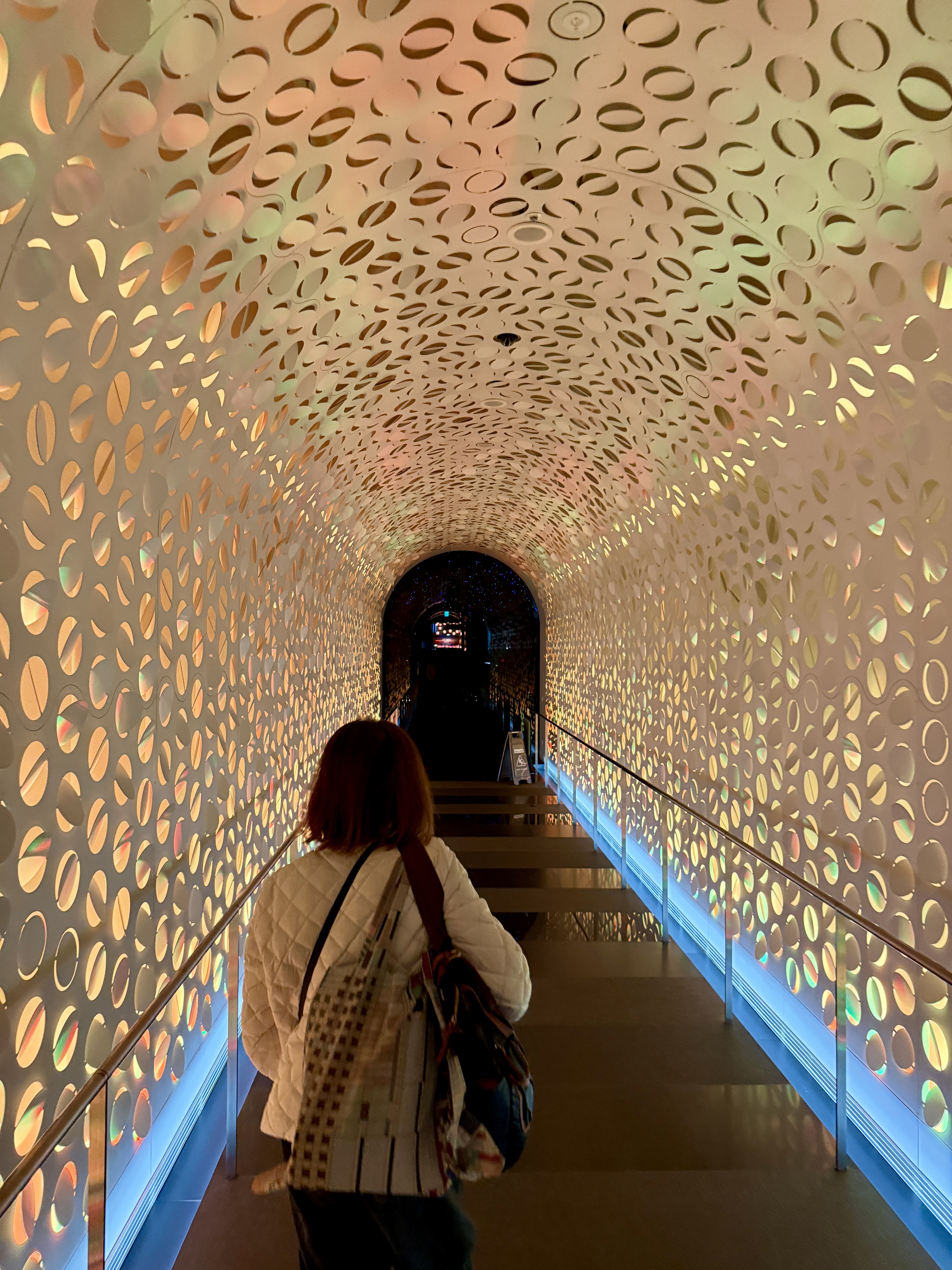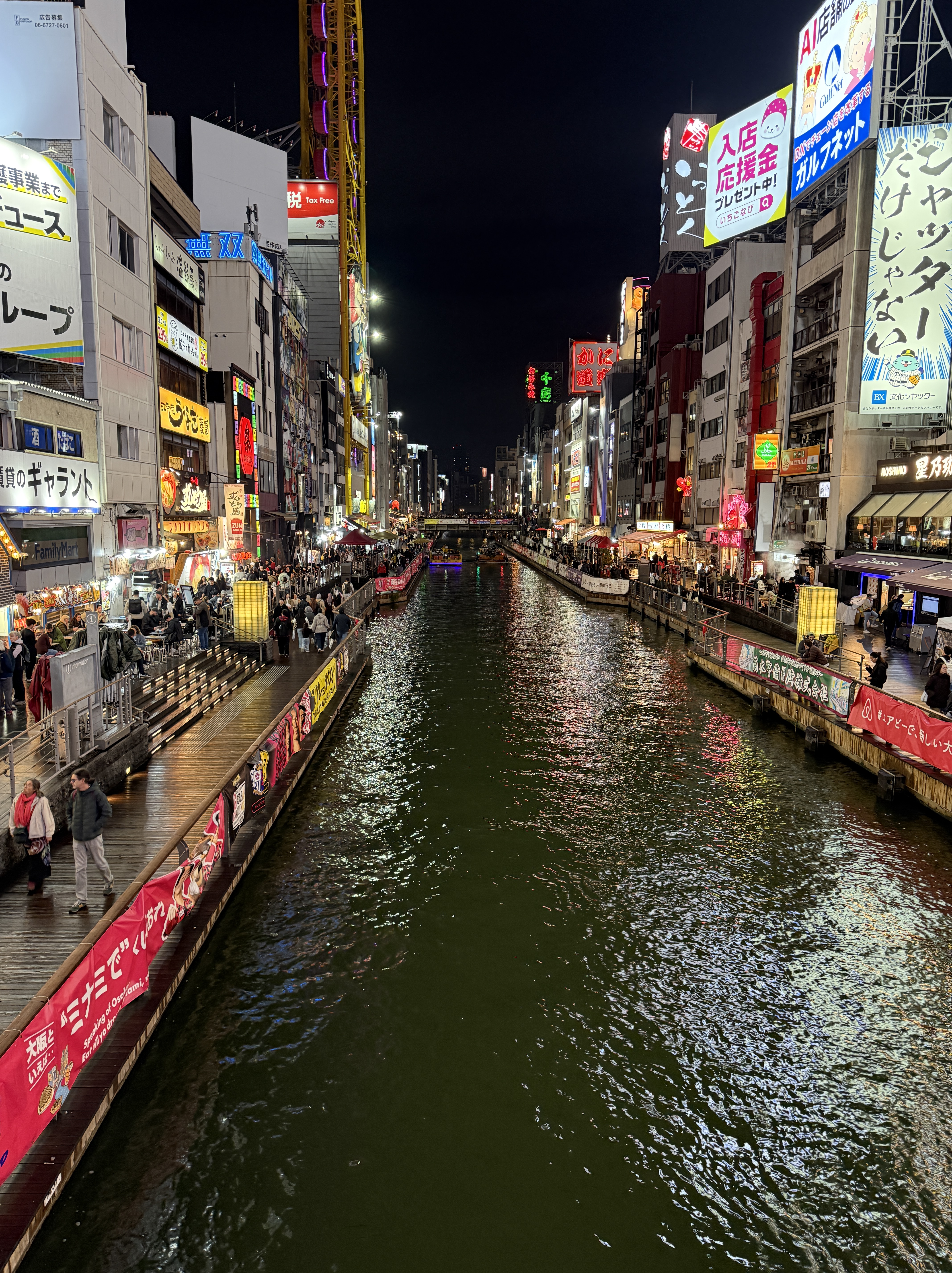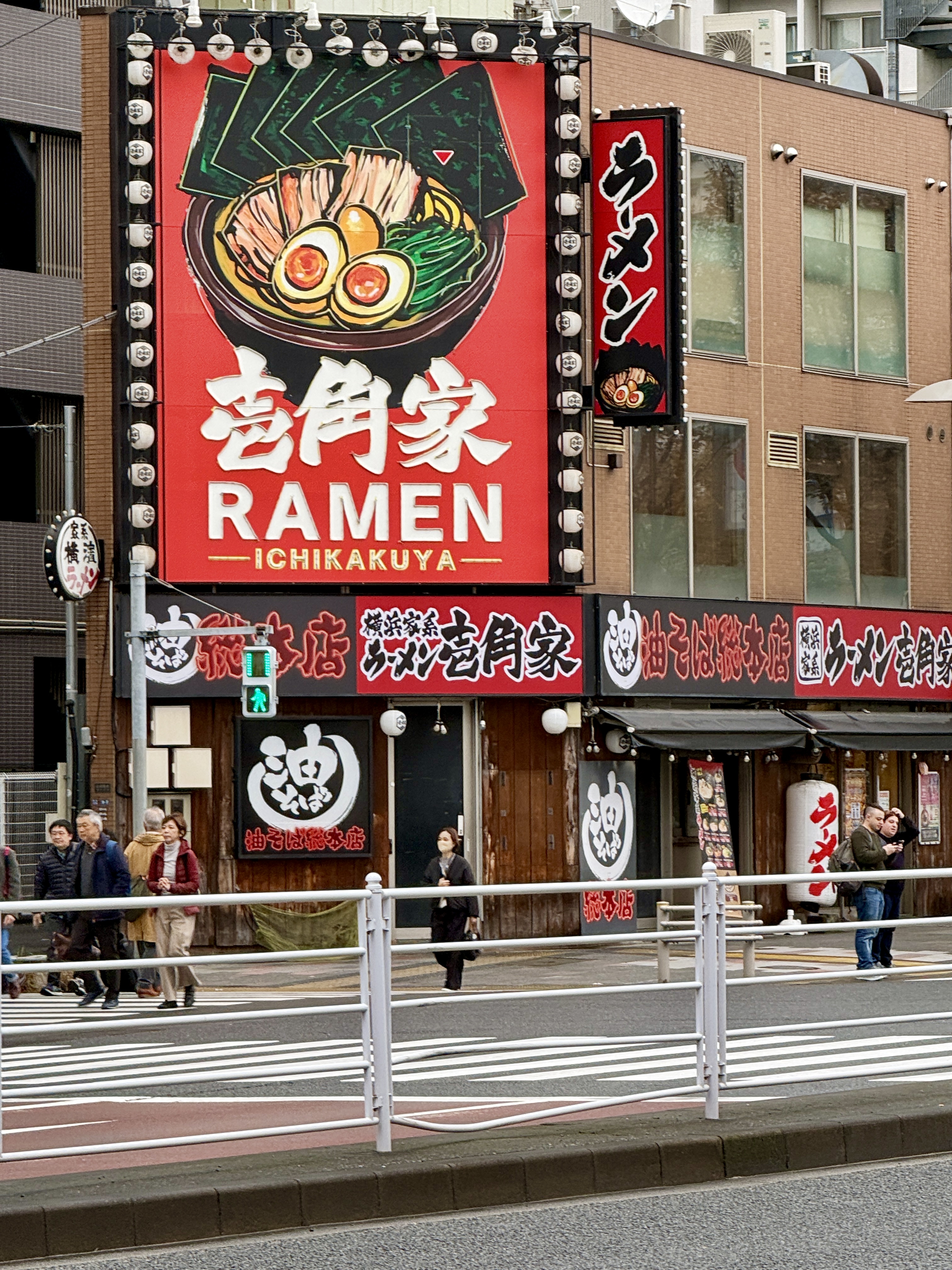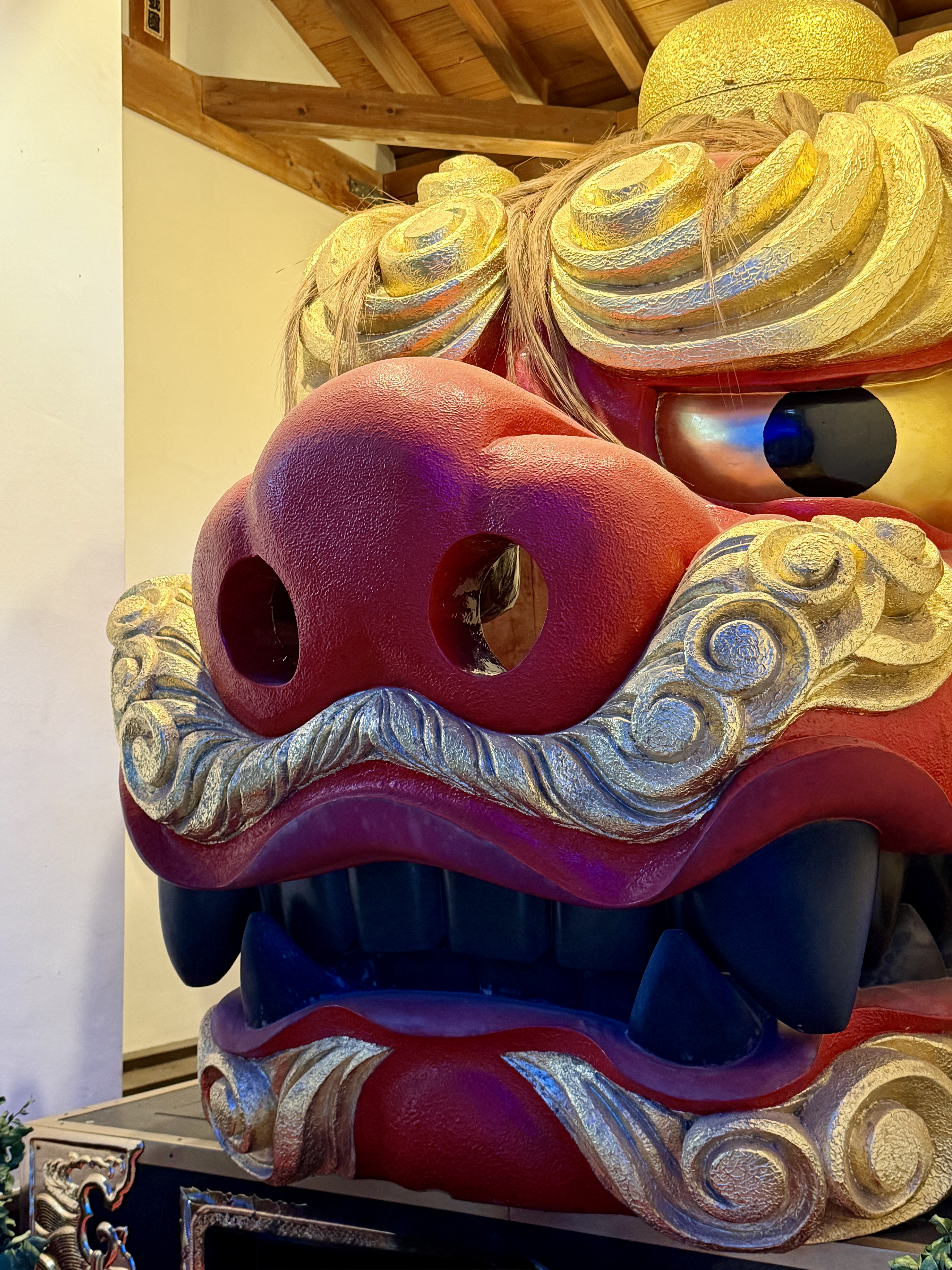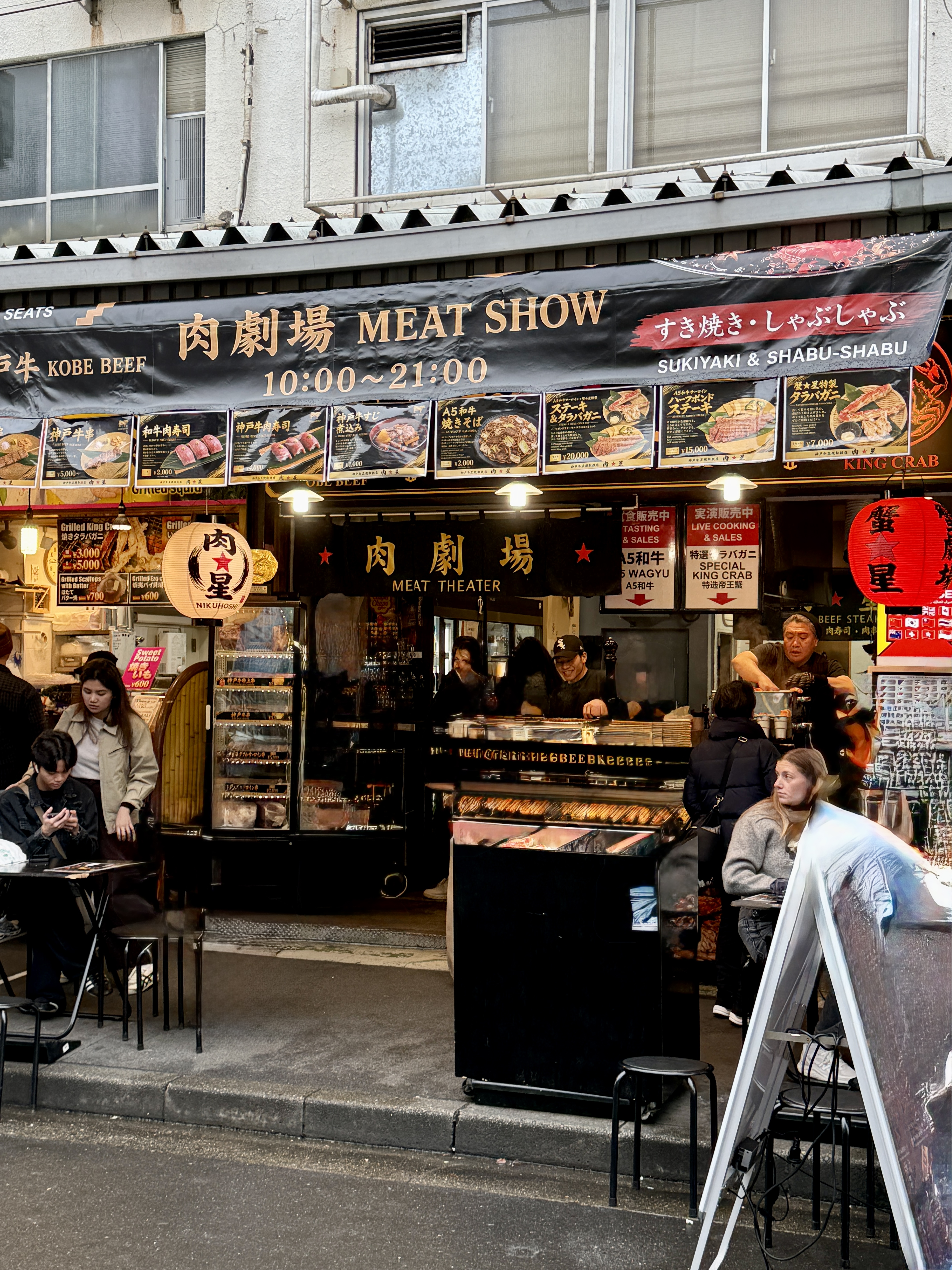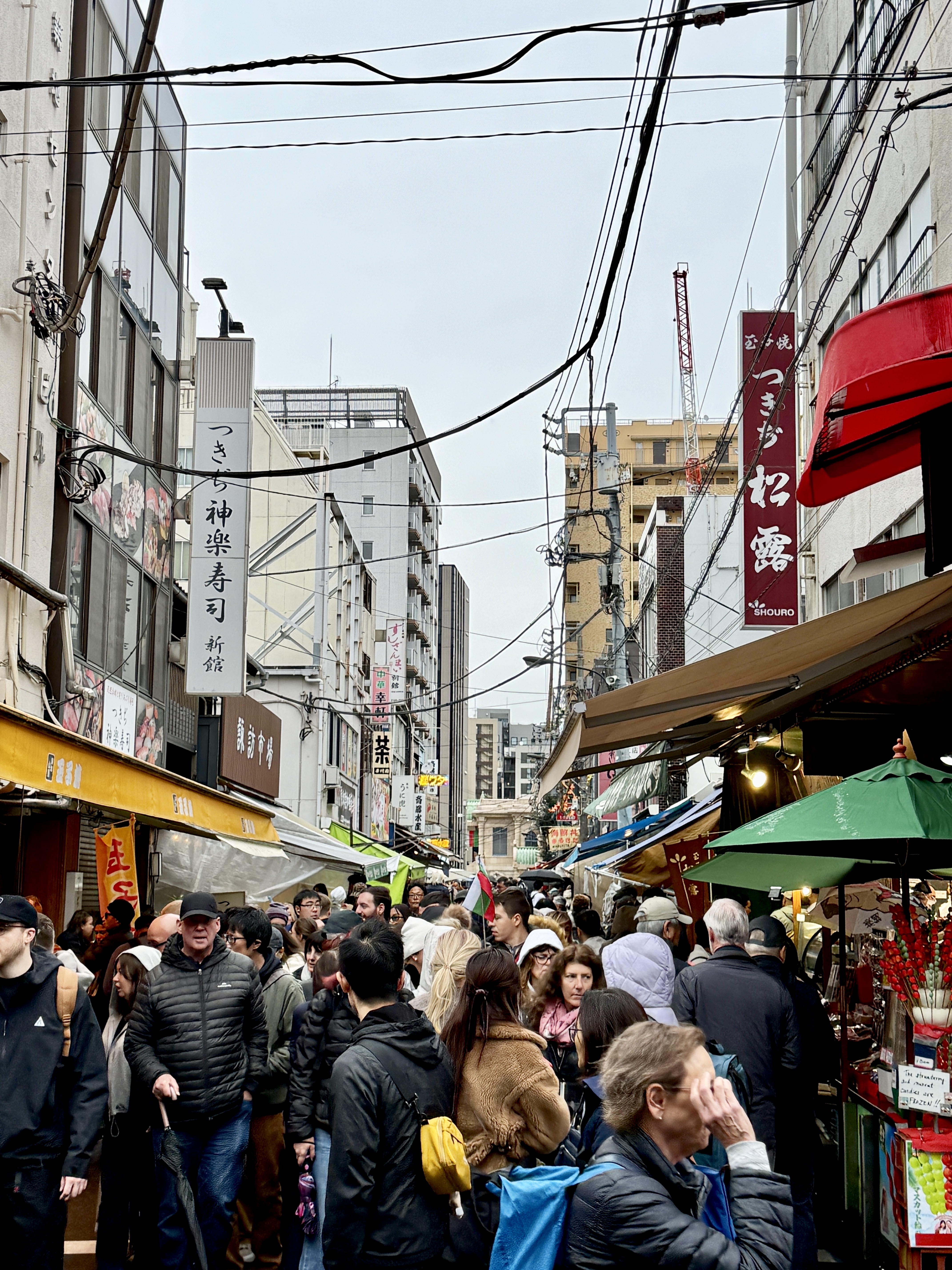
Osaka: Octopus Balls, an Elevator from Hell, and a Graceful Exit

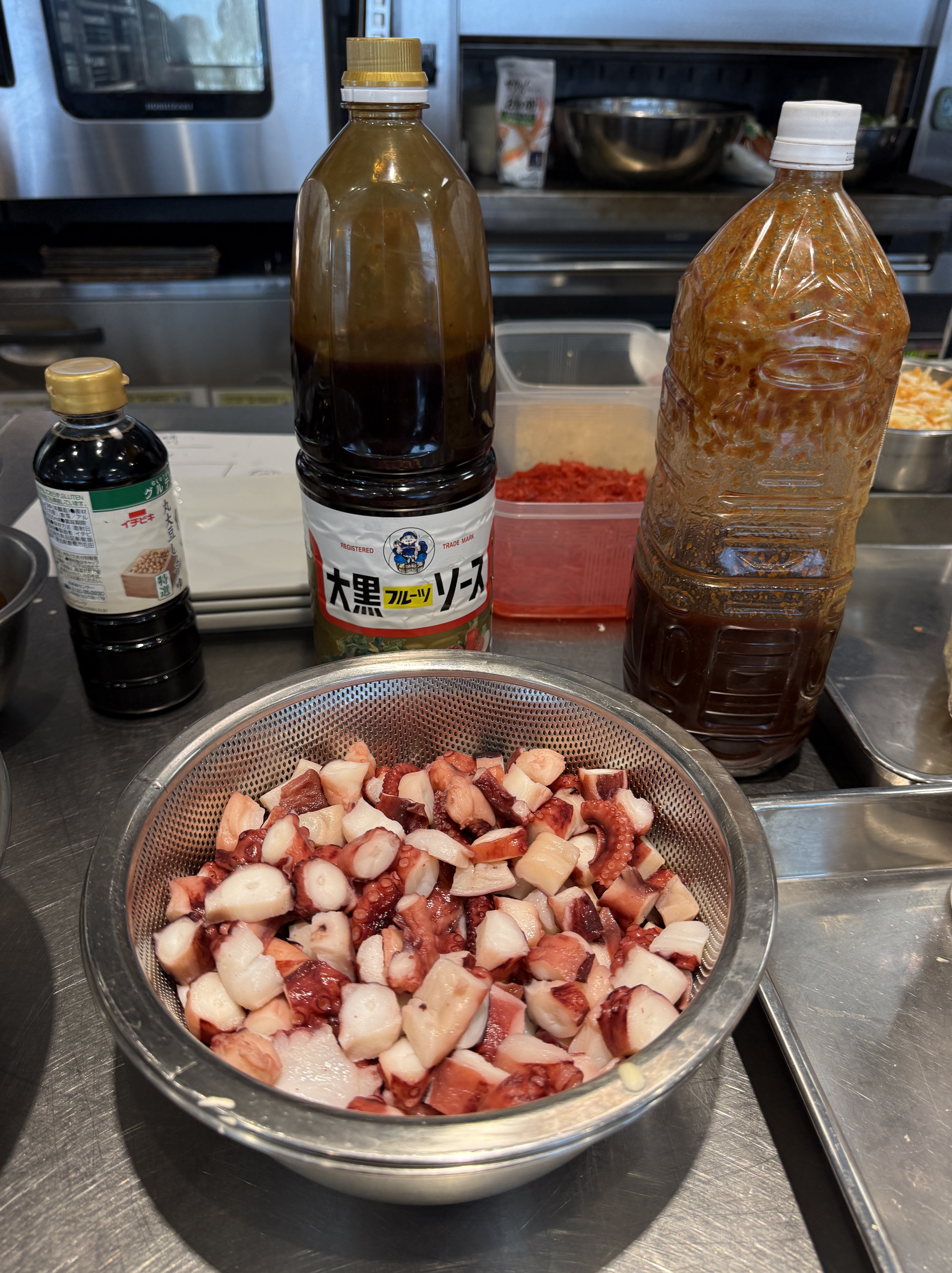
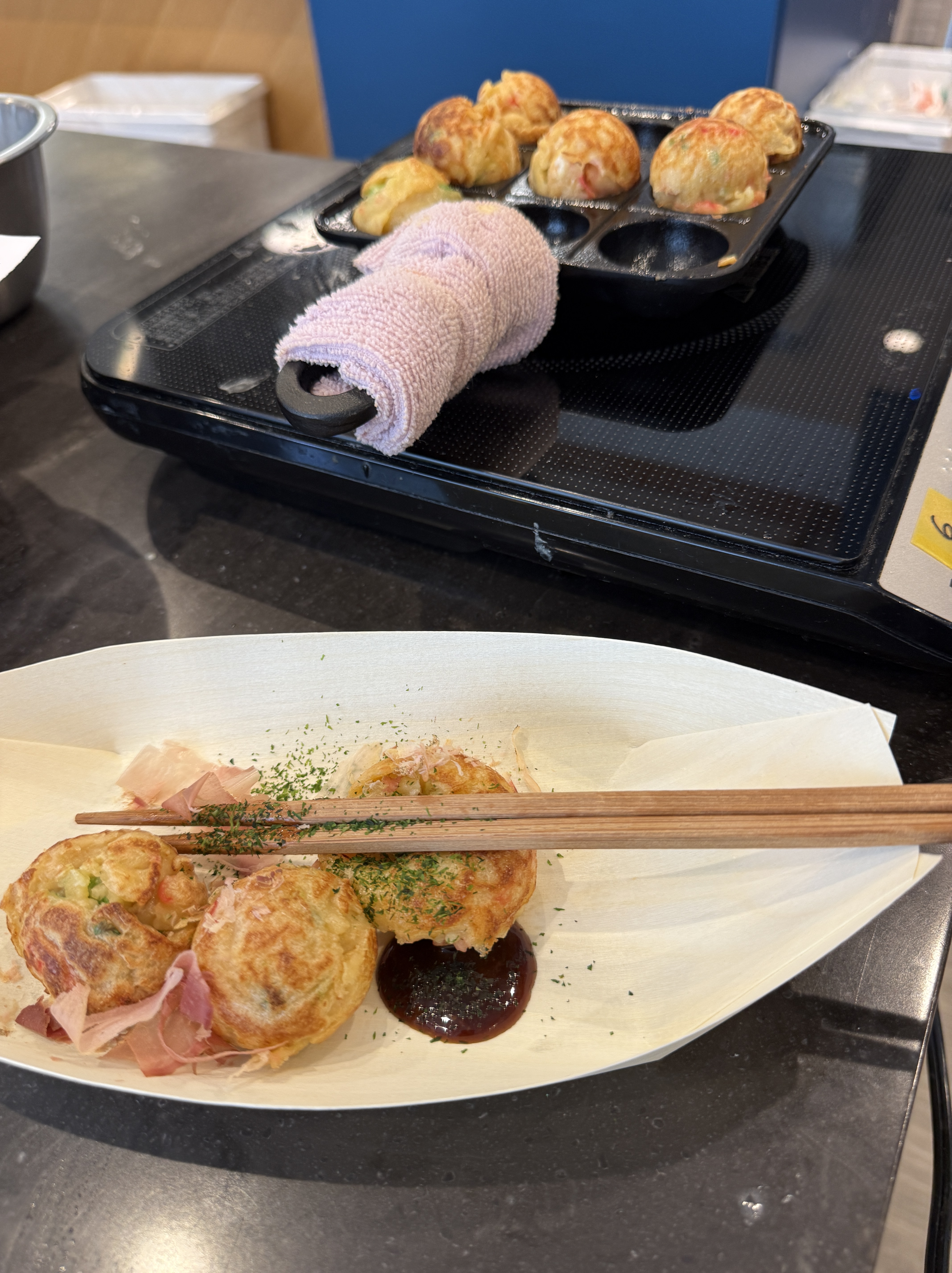
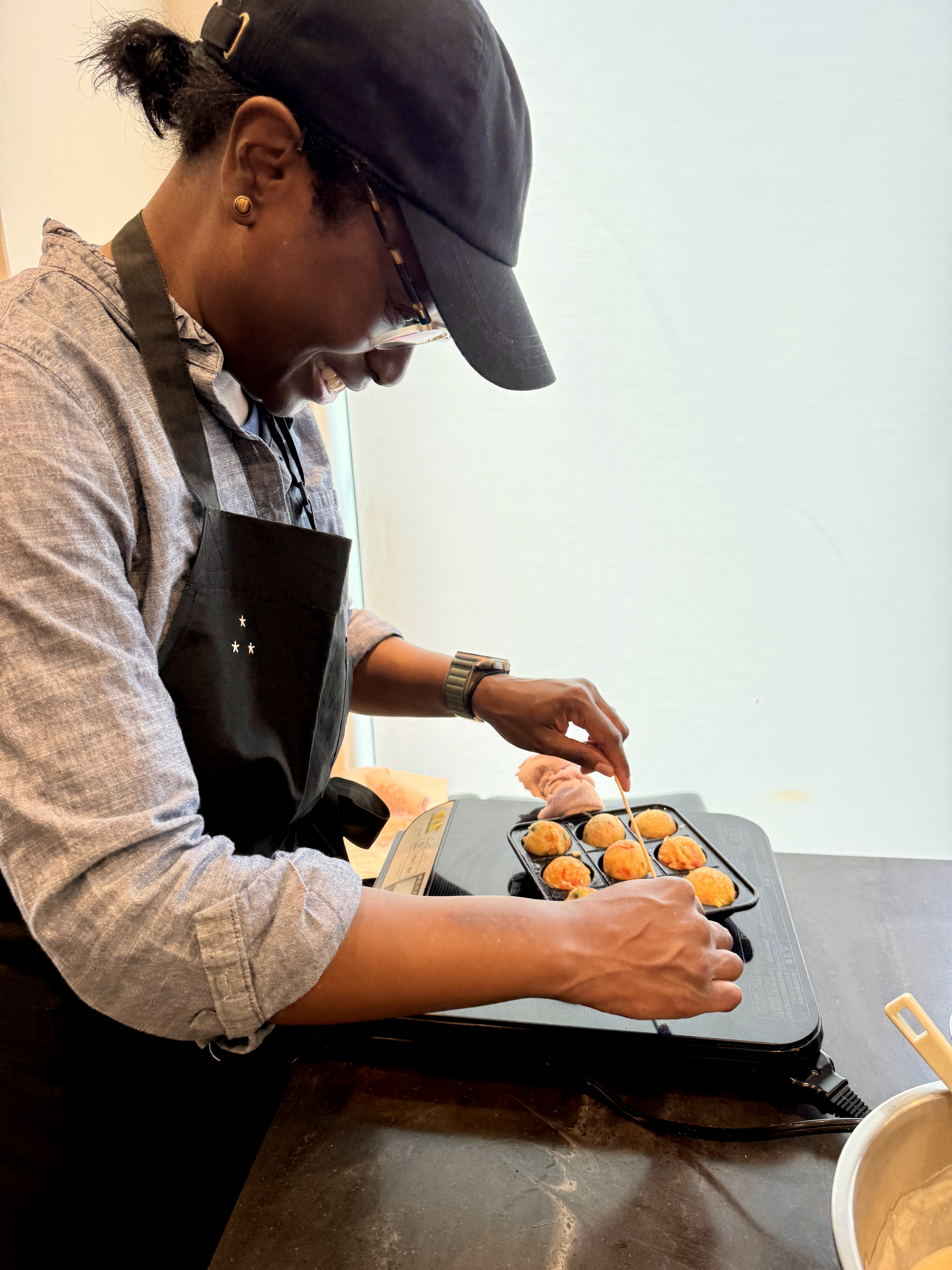
Our morning began on a decidedly cheerful note with a Japanese cooking class. Each of us had our own station, complete with a hot plate, and spent the next couple of hours learning to prepare two Osaka specialties: takoyaki and okonomiyaki.

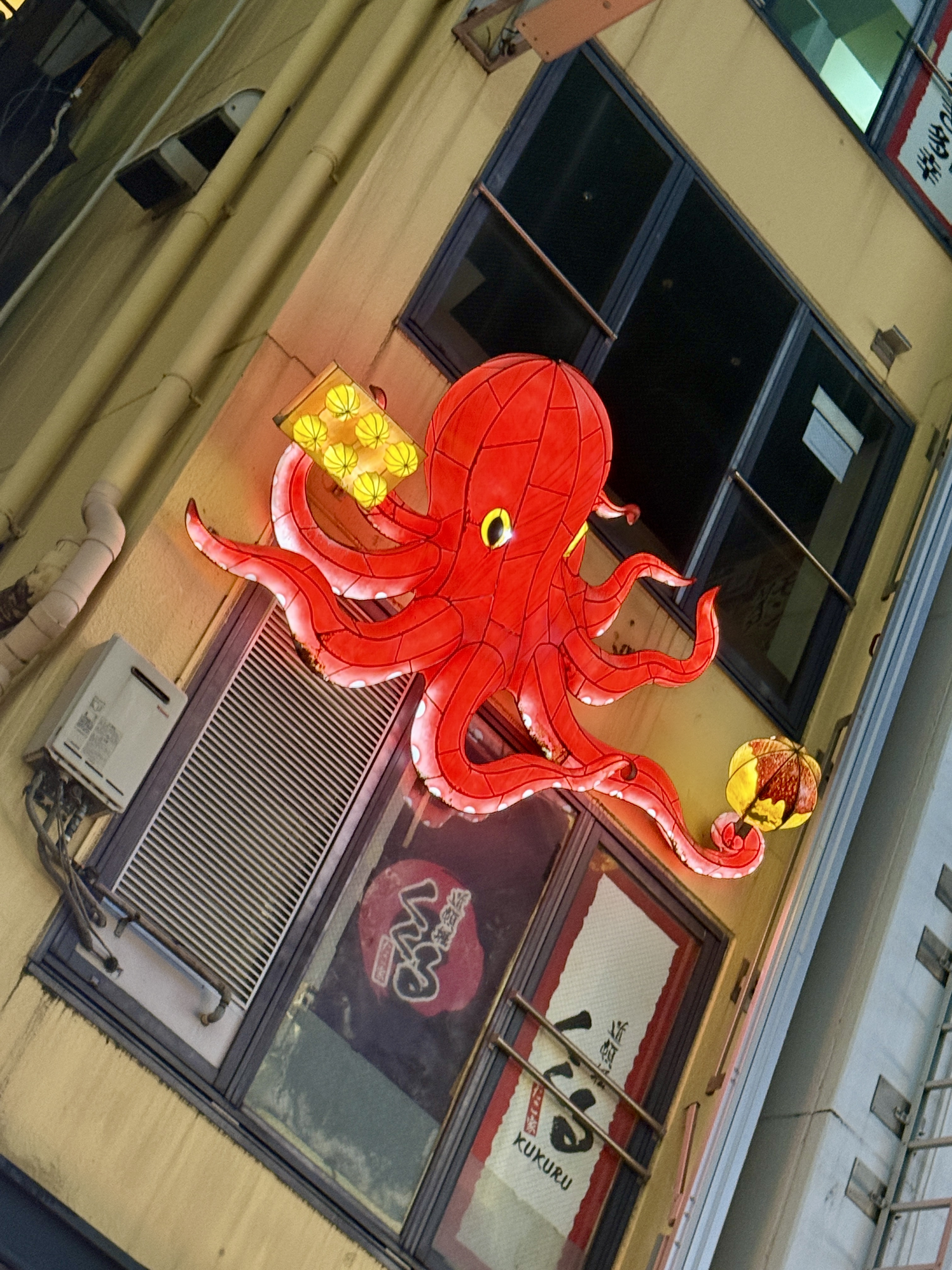
Takoyaki are those delightful little balls of batter filled with octopus, while okonomiyaki is a savory pancake loaded with cabbage, egg, green onions, and assorted goodies.

Both were delicious, although rather substantial fare for the morning hours. Everyone seemed to thoroughly enjoy themselves, and it was refreshing to have an activity where we could all participate, make a little mess, and enjoy the results of our handiwork.

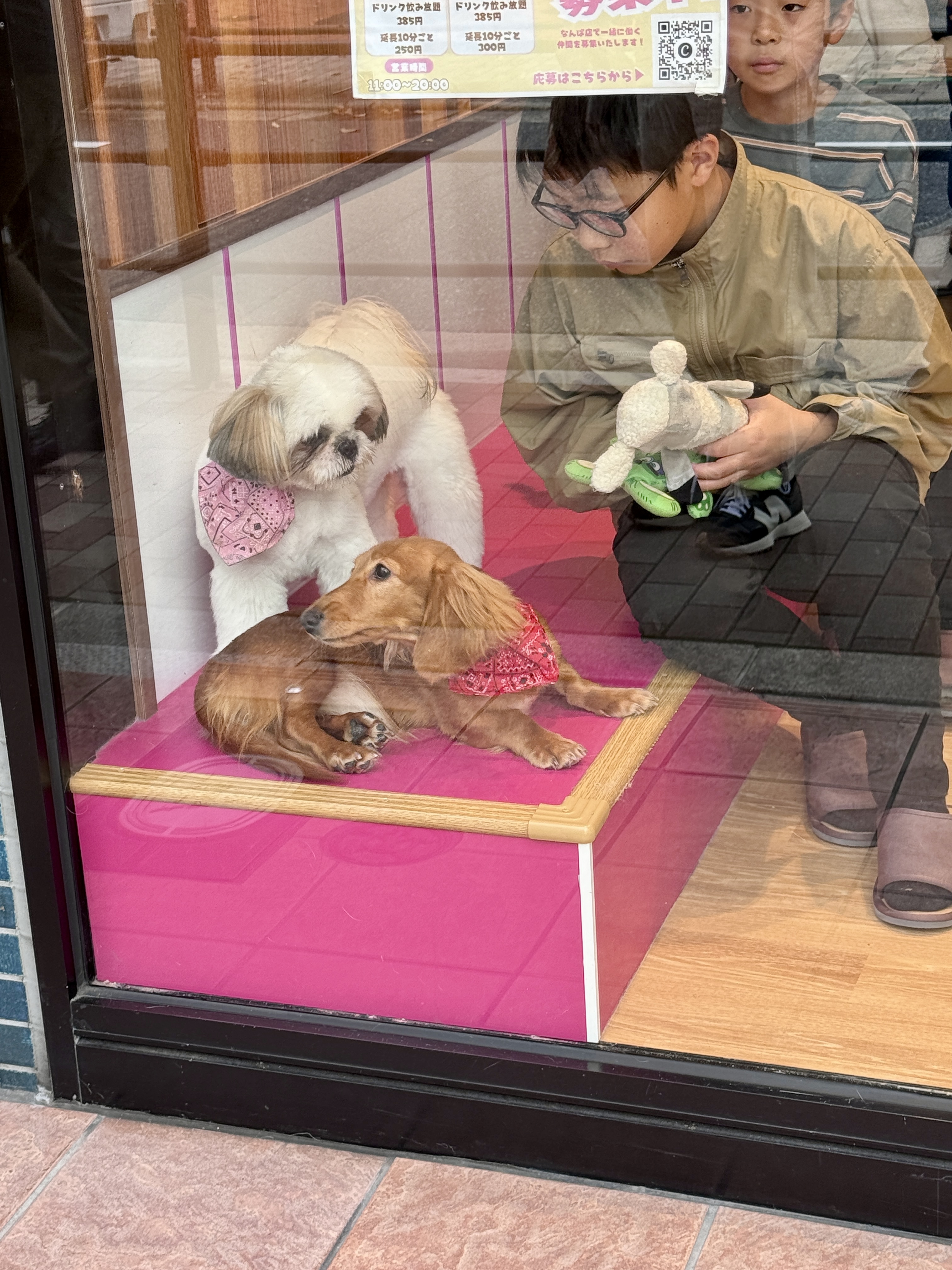
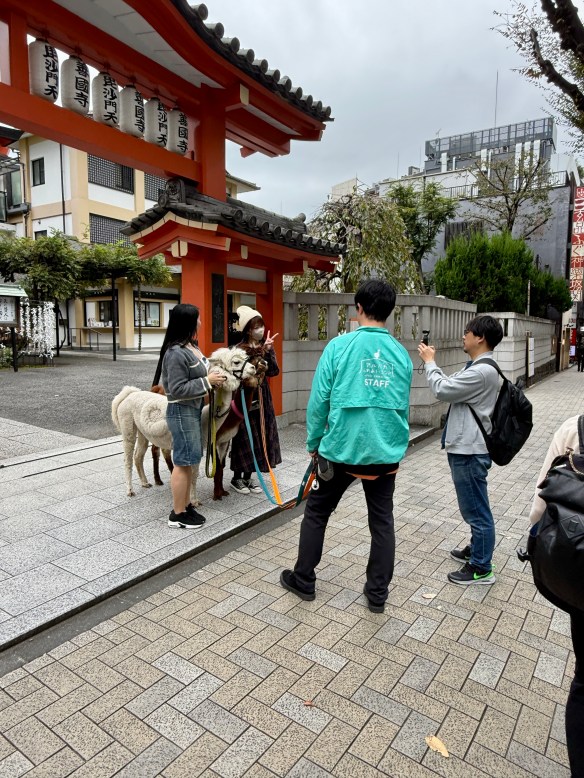
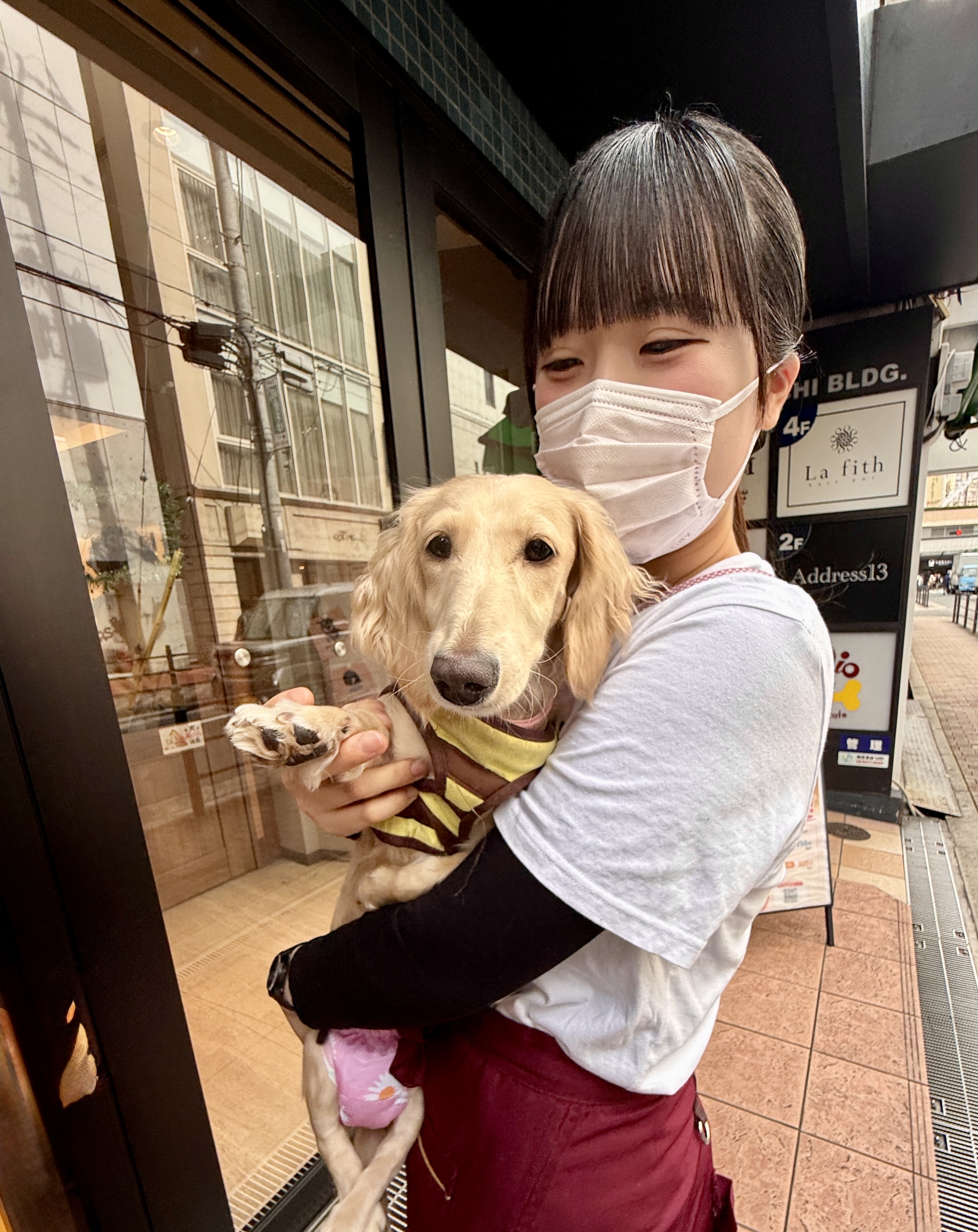
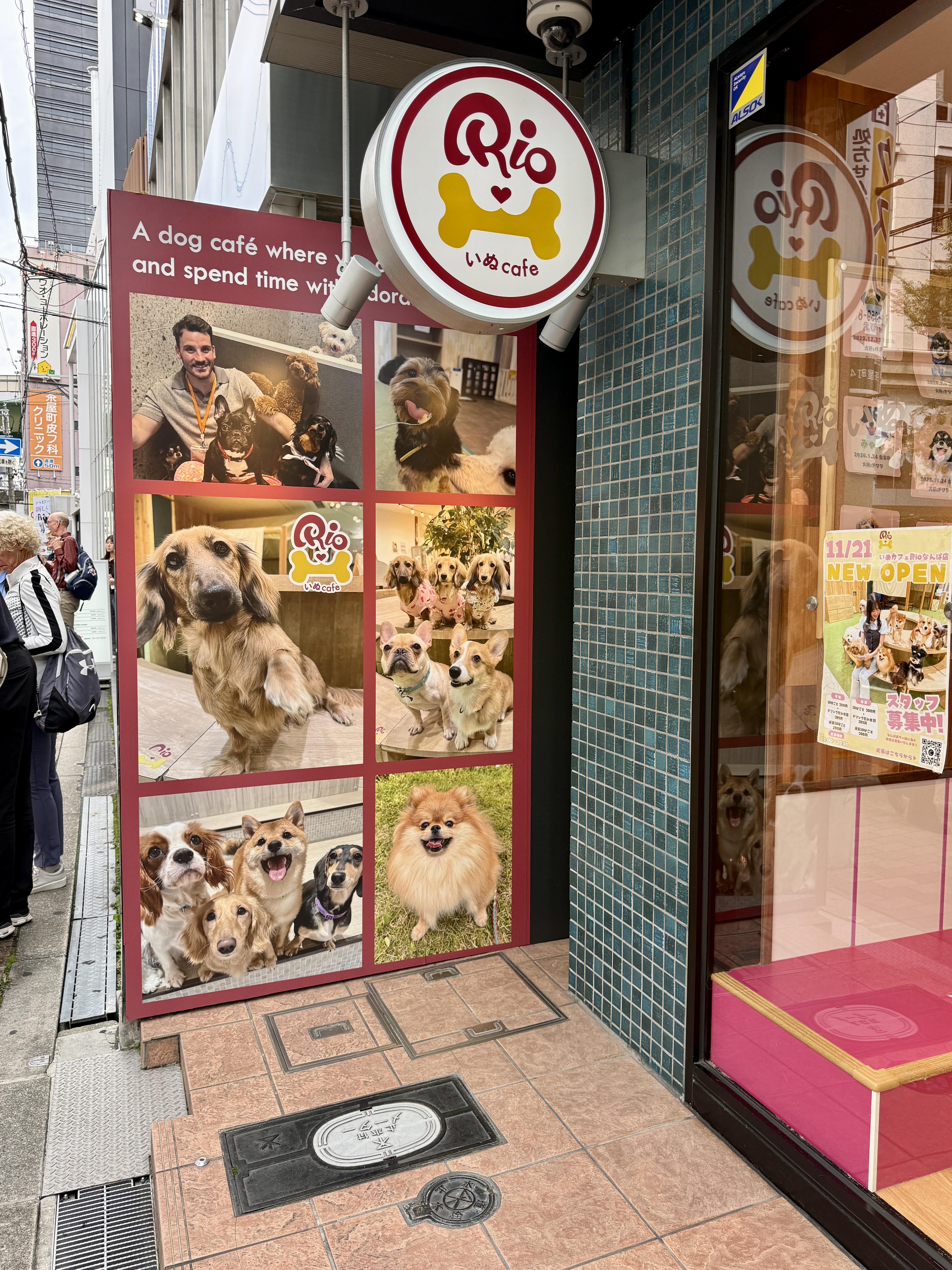
On the walk back to the bus, we passed a pup café. Many people living in larger cities like Osaka can’t manage to be pup parents for whatever reason, so they can visit the cafés and get their fur baby fix. It’s so sweet!
Little did I know that the day’s next activity would be considerably less relaxing.
Umeda Sky Building: An Epic Fail

Goodness gracious. I suppose everyone has their phobias, and mine appears to be an increasingly pronounced fear of heights.

Our next stop was Osaka’s Umeda Sky Building, two skyscrapers connected by a spectacular observation deck high above the city.

Spectacular, apparently, being a matter of perspective.

We packed ourselves into a glass elevator for the ascent, and almost immediately I began questioning every decision that had brought me to this particular moment.

A GLASS elevator. Thank you very much.

As the world whizzed by outside, I was doing everything in my power to keep my shit together. You know that sudden rush of adrenaline that can so easily turn into a full-blown panic attack? Not particularly conducive to maintaining one’s composure in an elevator packed with human sardines and absolutely no means of escape.

Nam-myoho-renge-kyo. Breathe. Repeat.

The moment the elevator doors opened, I approached one of our group and announced, “I can’t do this.”

Thankfully, a kind employee escorted me to an alternative elevator. No glass. No dizzying views. No further elevator-escalator-elevator shenanigans. Just a mercifully uneventful descent to the first floor.

Terra firma. Hallelujah.

A Little Christmas Cheer and Liquid Courage

As luck would have it, Christmas was already in full swing in the courtyard between the two towers.

And the Japanese do love a good theme.

An enormous Christmas tree dominated the scene, Christmas music was blasting, and little chalet-style vendors were selling all manner of things one absolutely doesn’t need.

The soundtrack ranged from Bing Crosby to Japanese Christmas ballads. Quite the cultural mash-up: a European-style Christmas market, American crooners, Japanese holiday music, and, mercifully, a British pub.

A British pub selling beer.

Now THAT was something I needed.

So while my fellow travelers were admiring panoramic views of Osaka, I was happily exploring a Christmas market several dozen floors below.

At ground level.

With a beer.

I considered that a perfectly acceptable alternative itinerary.

Knowing When to Call It a Day

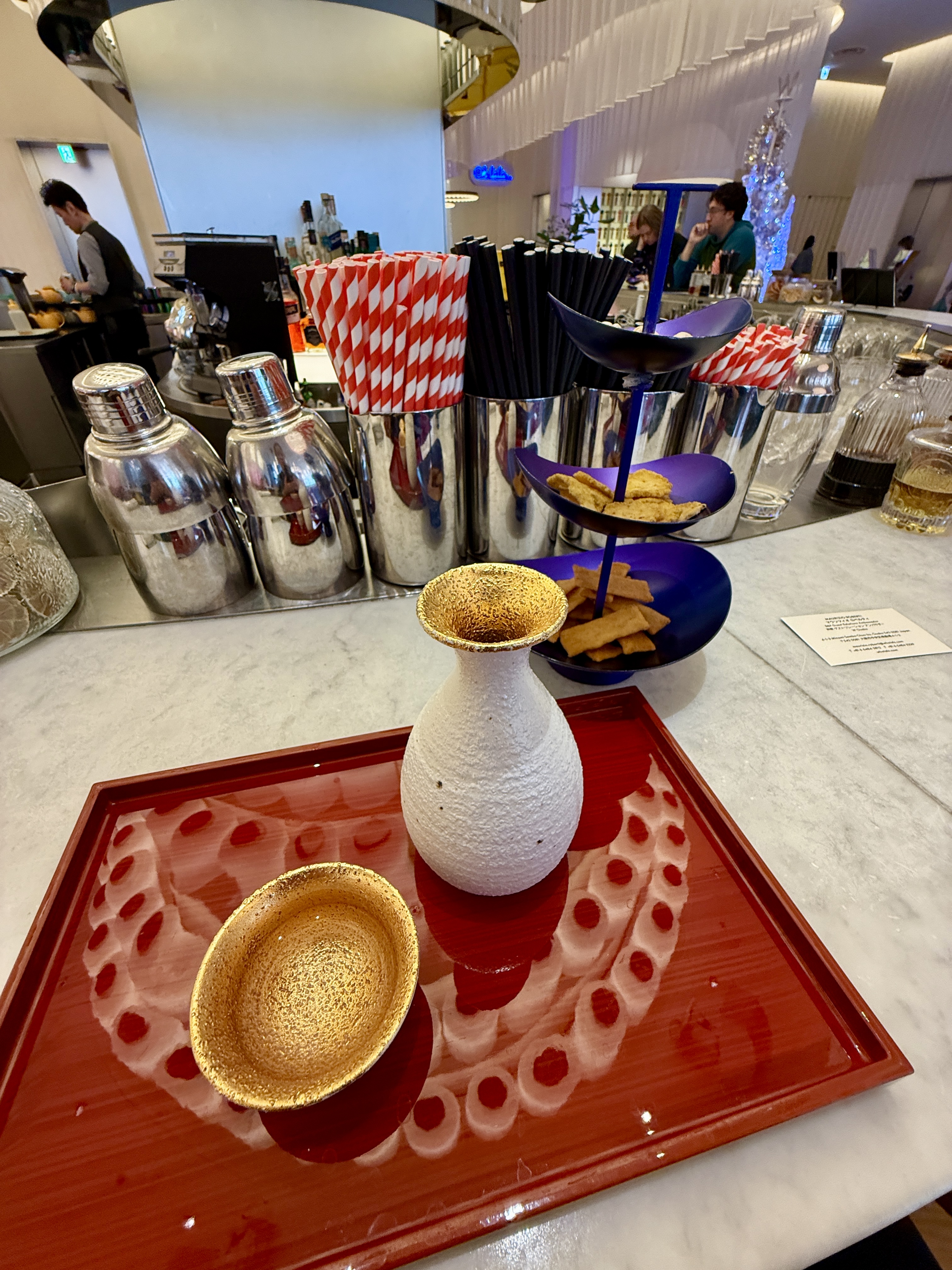
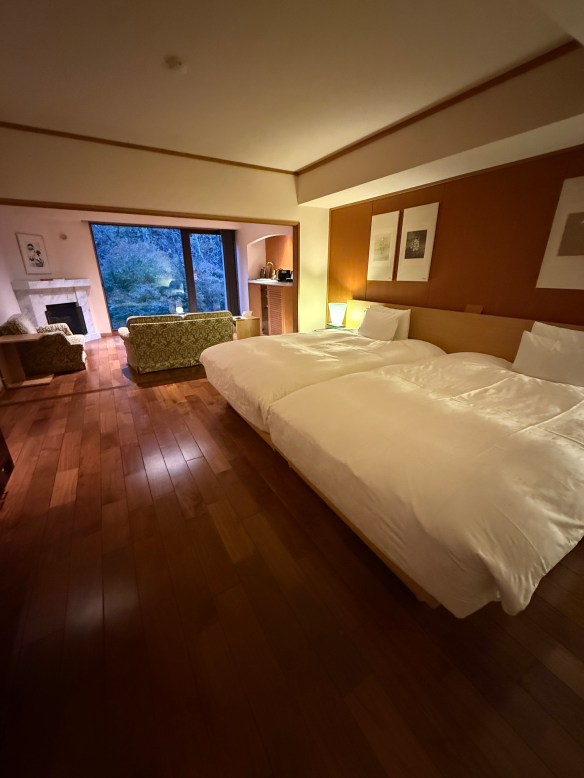
Eventually, I summoned an Uber and headed back to the W Osaka, where a little relaxation in the lounge seemed considerably more appealing than another encounter with a skyscraper.

Afterward, I retreated to my room for some much-needed downtime.

Our group had a farewell dinner planned for the evening, followed by the possibility of further festivities. But after my rather spectacular failure to embrace the heights of Osaka, I wasn’t particularly inclined to head back out on the town into the wee hours.

I checked to see whether anyone might be gathering in the lounge beforehand and arranged for a fellow traveler to deliver my thank-you envelopes to our two guides, along with returning my little tour headset. She graciously agreed.

And that, dear readers, was that.

No dramatic finale. No late-night revelry. Just a wonderfully comfortable hotel room and the satisfaction of having survived the day’s unexpected adrenaline rush.

Sometimes the best part of an adventure is knowing when to call it a day.

Preferably somewhere with solid floors, comfortable furniture, and absolutely no glass elevators.
Sayonara until next time じゃあね!
Meanwhile, Back in Charleston…

So, while I’m halfway around the world exploring the culinary delights of Japan, Steve is back in Charleston taking care of little Kuma. How kind is that?

As a thank you, I bought him tickets to a couple of events at the Charleston Food & Wine Festival, one of which was a tailgate party featuring Andrew Zimmern, a longtime favorite of ours.

Knowing that Andrew is pretty high up on my list of favorite chefs and culinary personalities, Steve made a point of meeting him and getting a little video for me. Talk about a fabulous surprise from the other side of the world!
Apparently, I’m not the only one having culinary adventures. Steve had the opportunity to chat with Andrew for a while about bird hunting, cooking and of course eating. Welcome to Charleston gentleman

Thank you, Steve, for looking after my little furball and for thinking of me. It certainly put a big smile on my face!
From Clattering Chopsticks to Cherry Blossoms; Hello, Osaka!

My departure from Kyoto was nothing if not memorable. While settling into breakfast at the hotel, my bulky backpack managed to sweep an impressive assortment of cutlery and chopsticks off the table and onto the floor. The resulting clanging and crashing was spectacularly loud, ensuring that everyone in the dining room knew exactly where the bumbling American was sitting.

Go, Team USA.

Having thoroughly embarrassed myself, I made my escape by Uber to the W Osaka, where things took a decidedly more sophisticated turn.

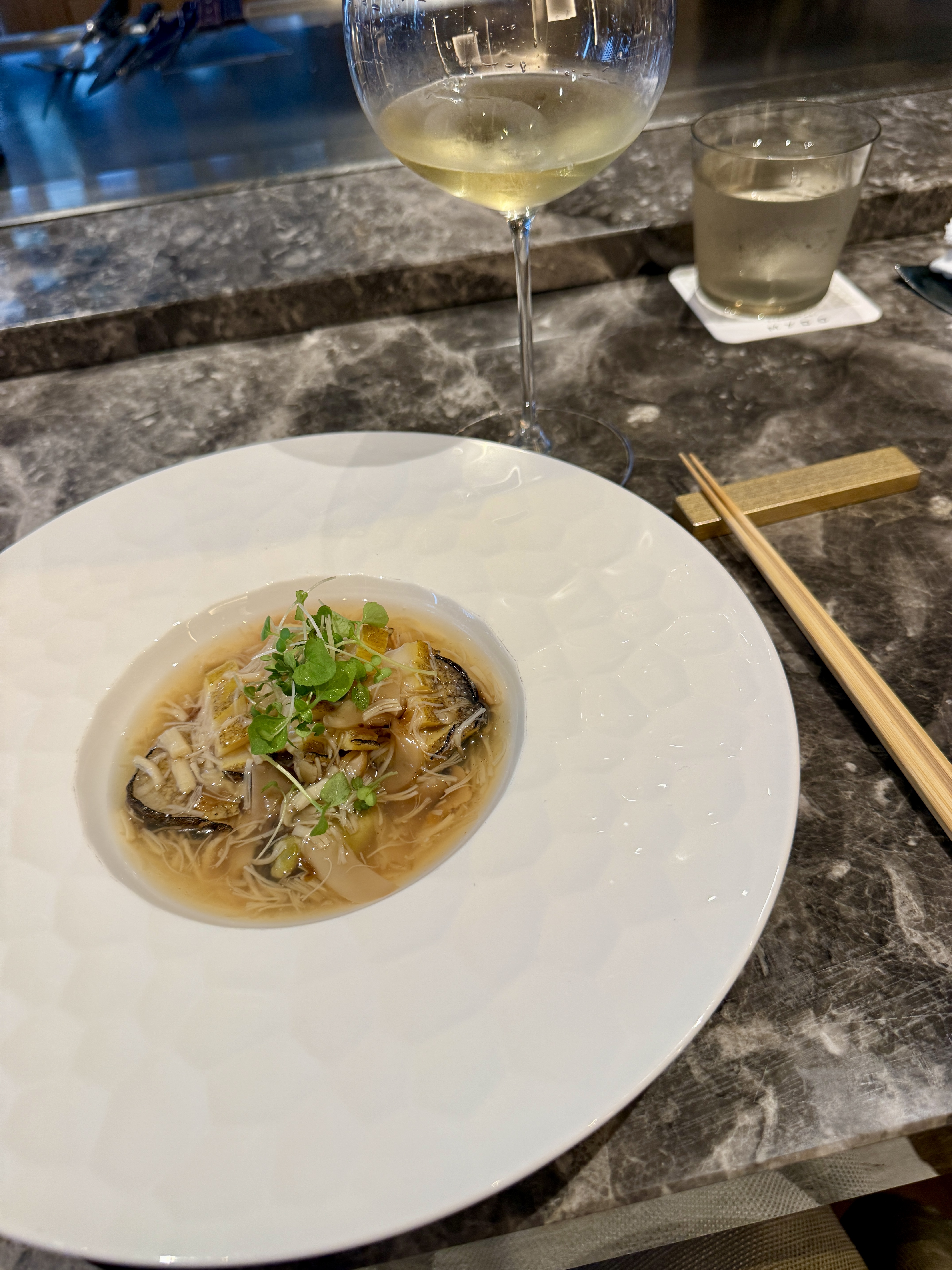
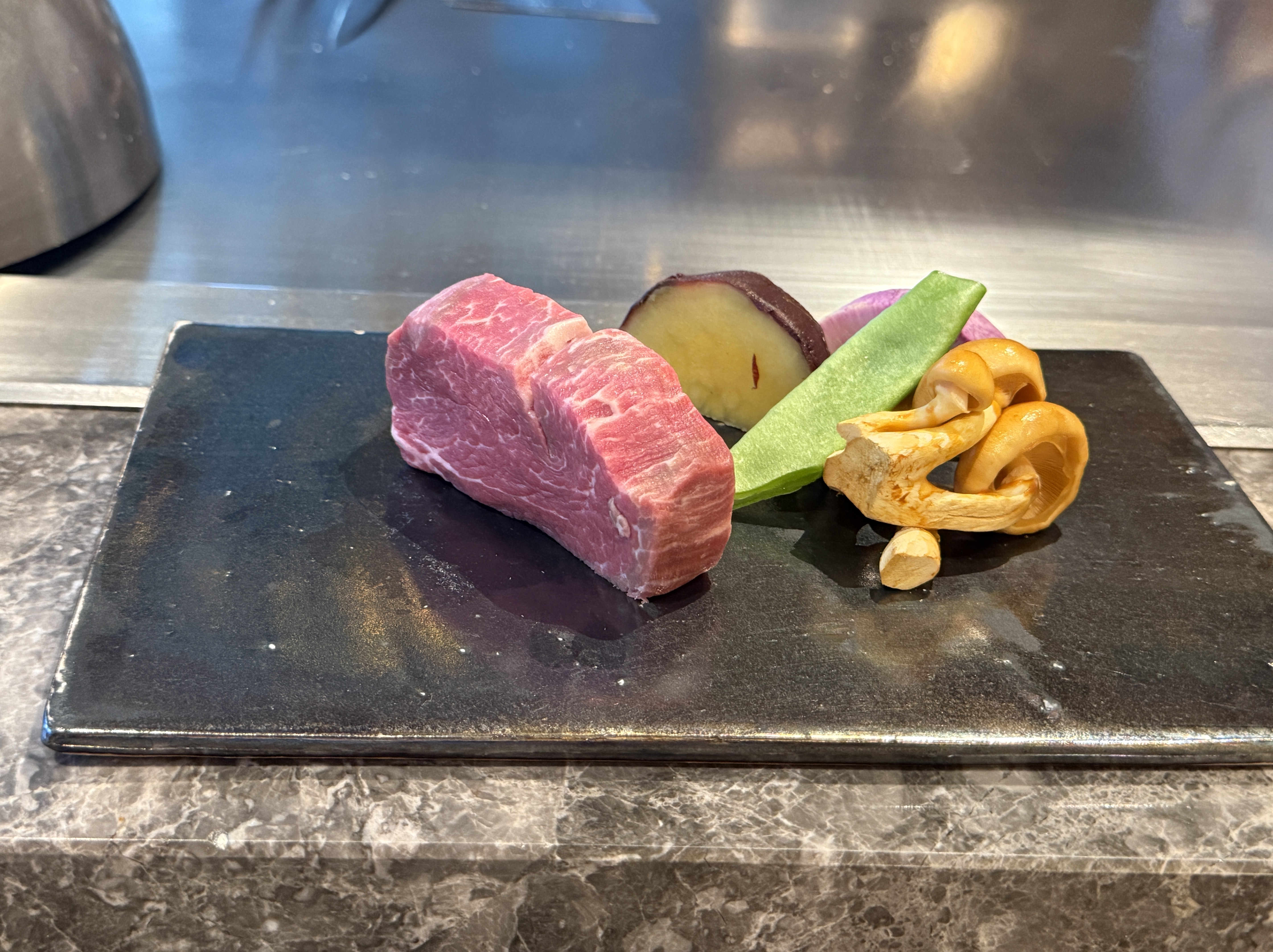
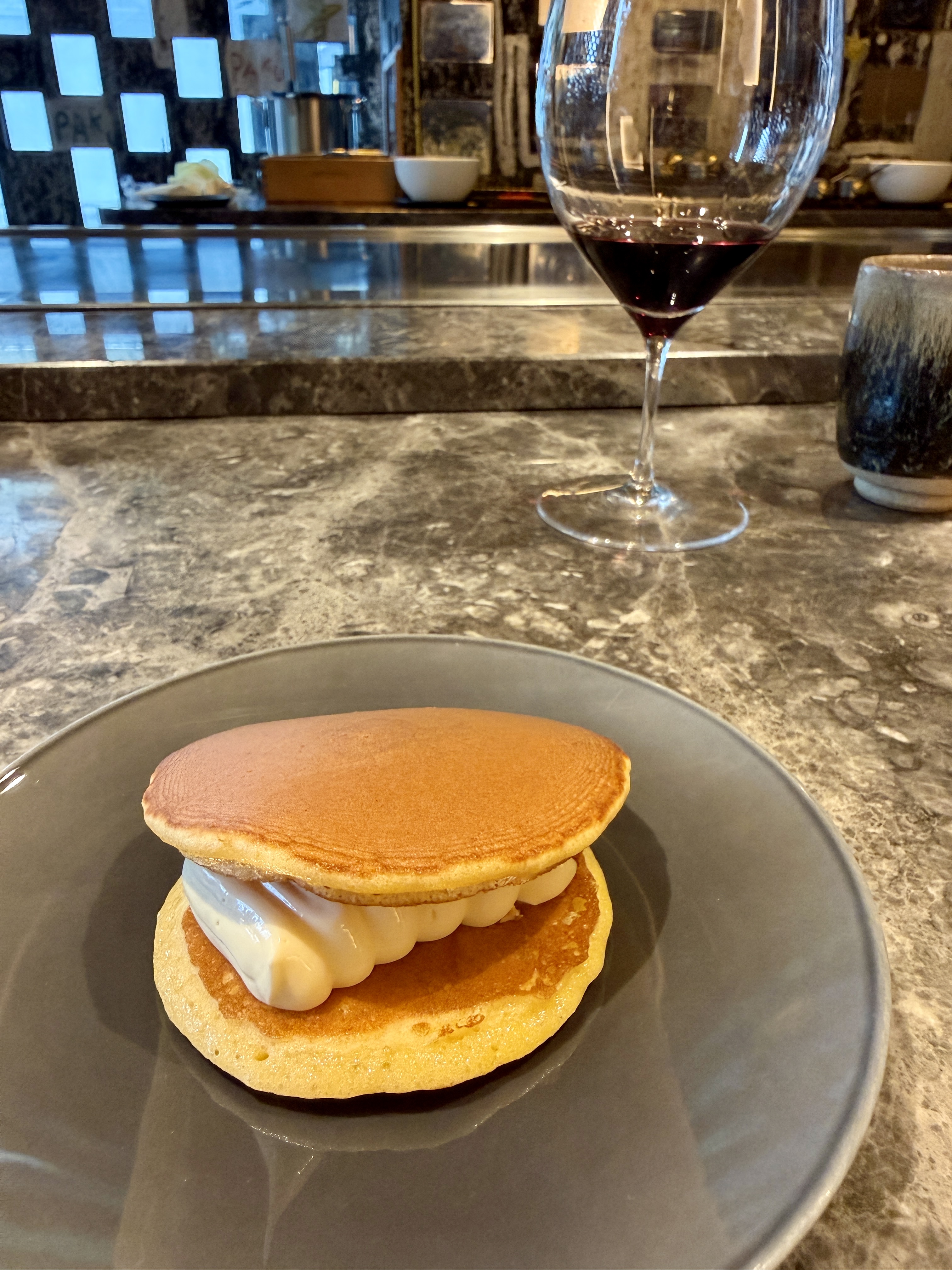
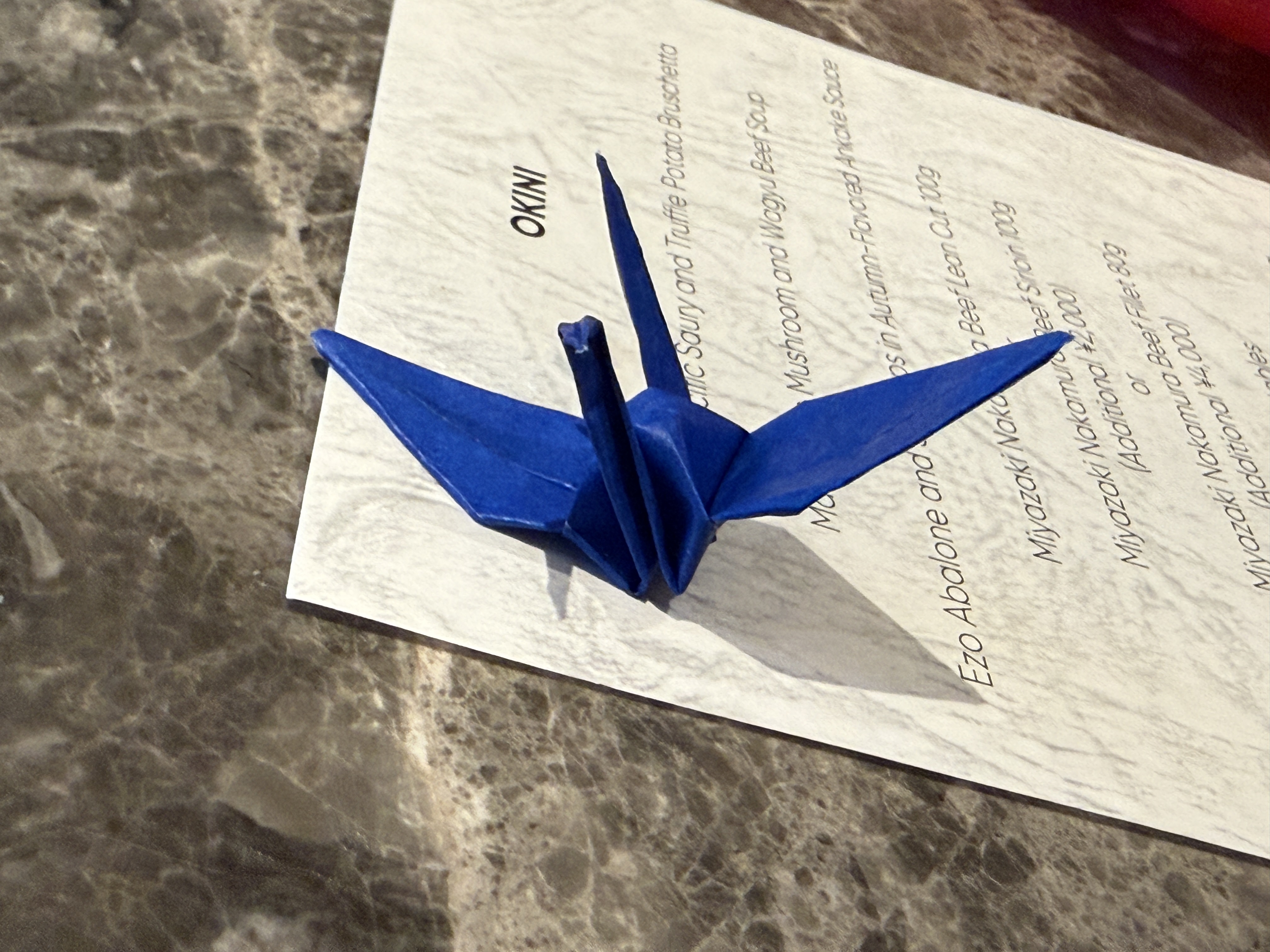
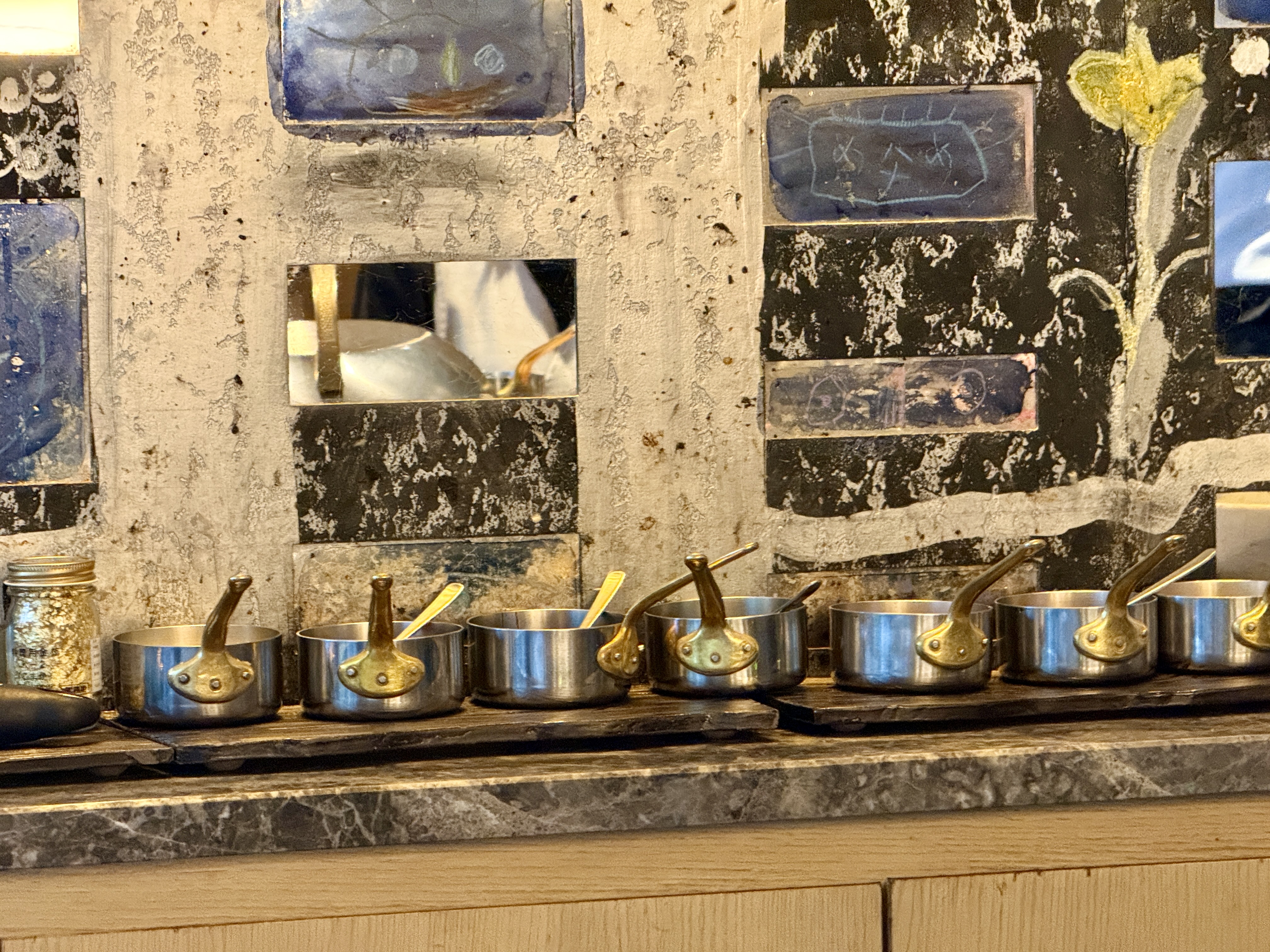
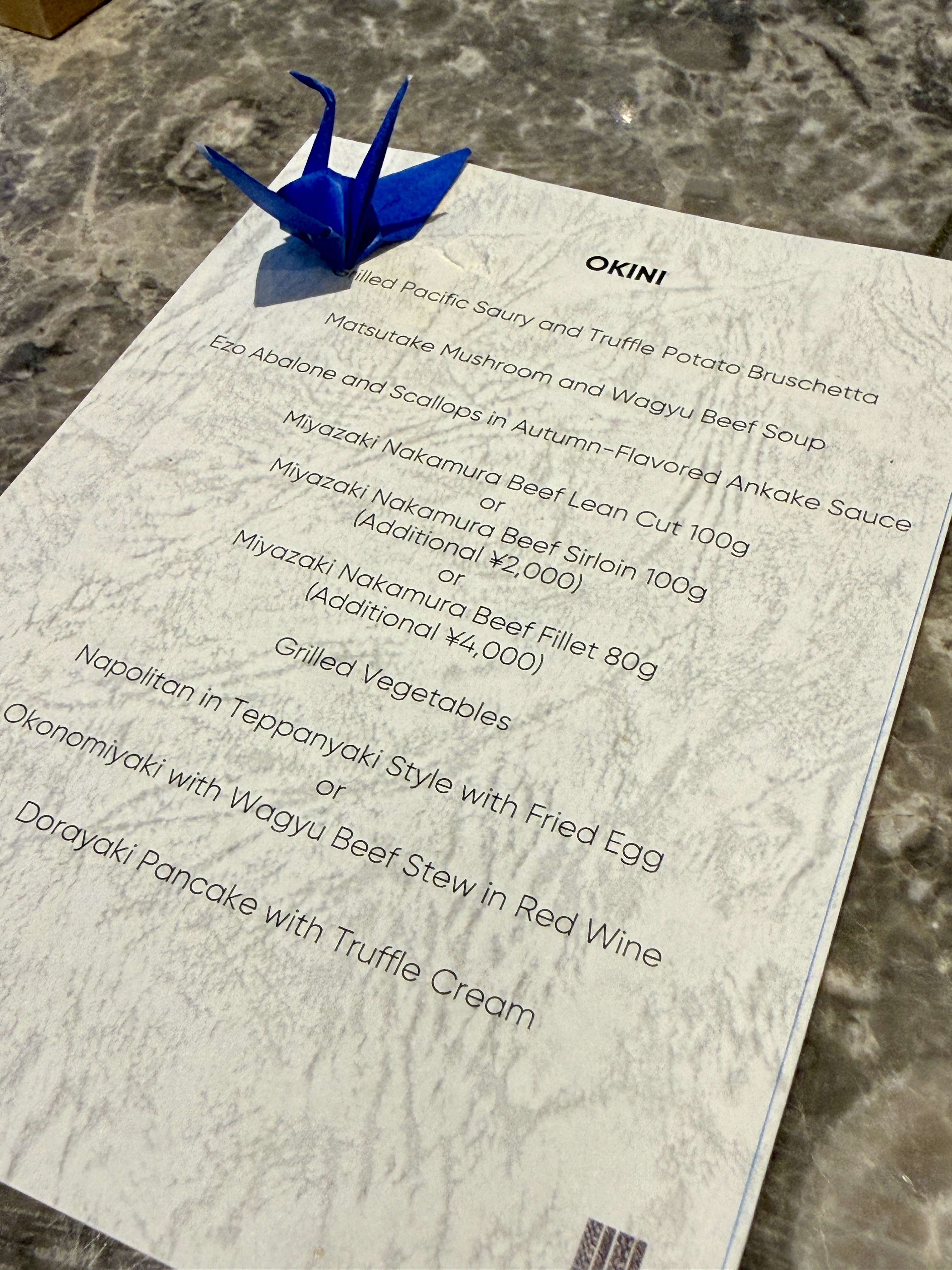
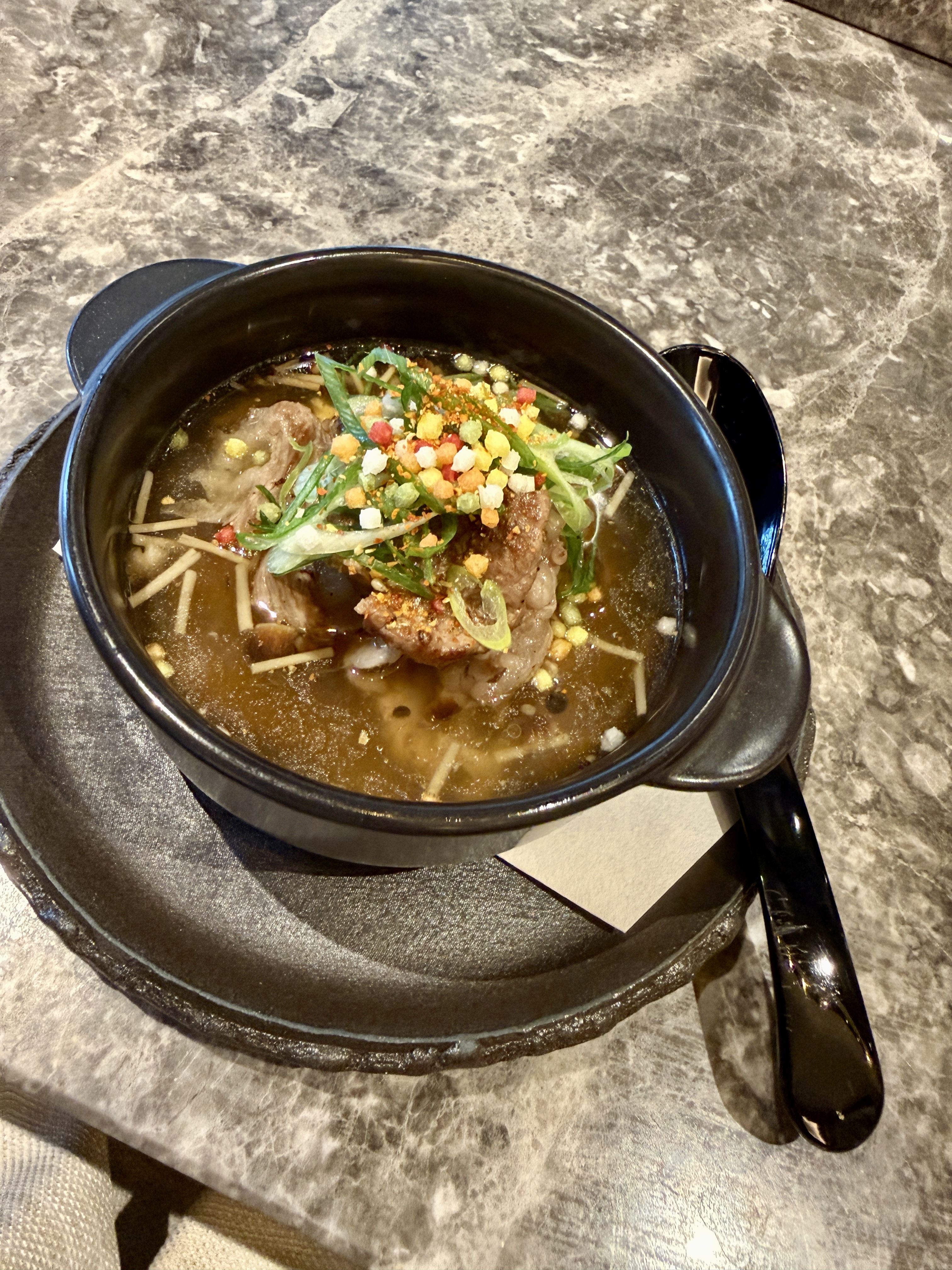
I’d reserved lunch at the hotel’s teppanyaki restaurant, and what an experience! A talented young woman prepared an extraordinary multi-course meal right in front of me. Forget the typical California hibachi restaurants. This was teppanyaki elevated to an art form, with beautifully prepared dishes, wonderful flavors, and a front-row seat to the whole production.

Then it was time for a little permanent souvenir of Japan.

I’d researched a walk-in tattoo studio, but upon arriving, discovered that the reality didn’t quite match the website. The place was rather janky and packed with tourists patiently waiting their turn. I was told to come back in two hours.

Um, no thank you.

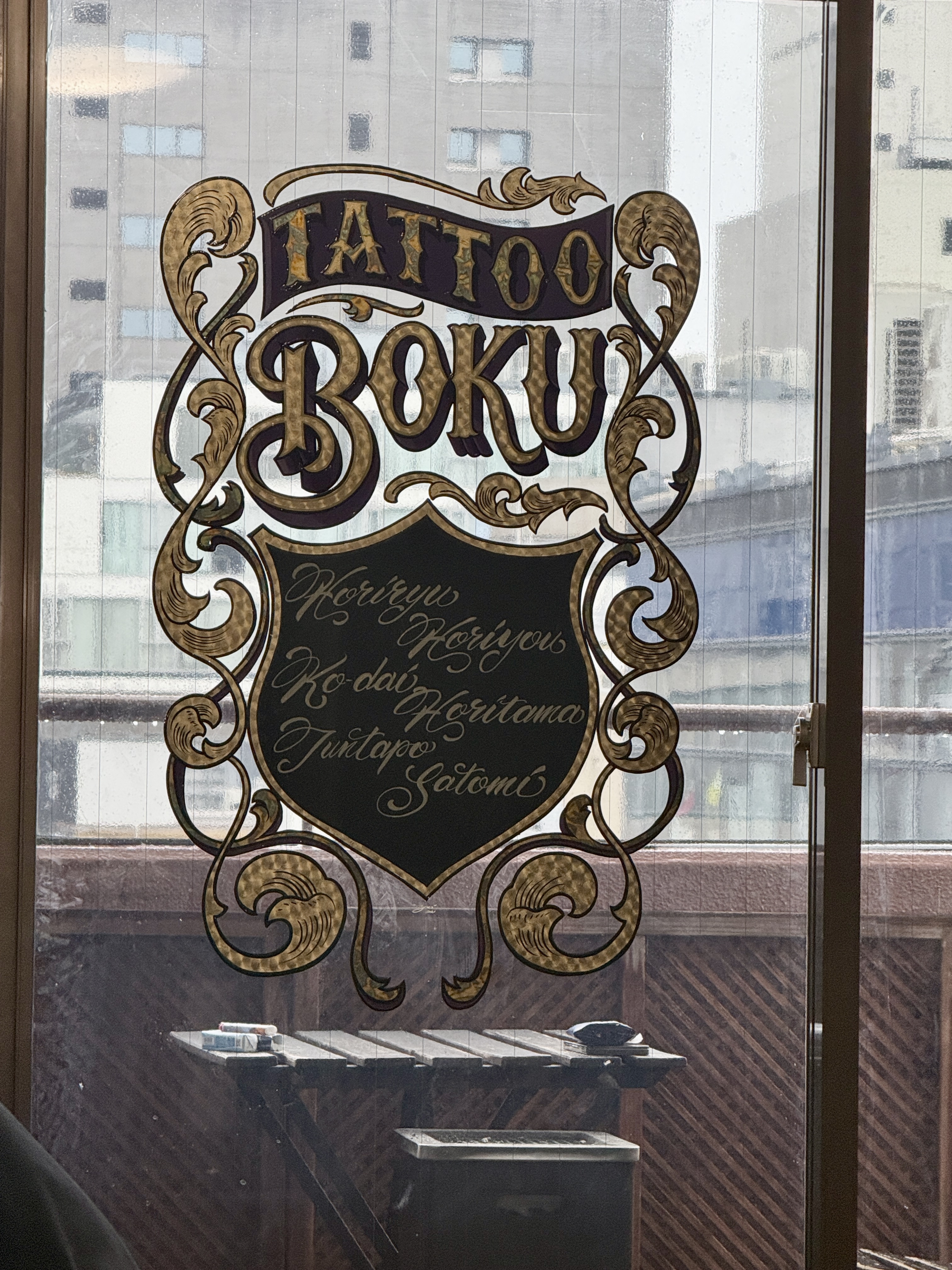
After a little more searching, I found myself at BOKU, another tattoo studio. The young woman there couldn’t accommodate me, but assured me she knew someone who could. Her studio was clean, she seemed trustworthy, and she arranged for a fellow to come downstairs and collect me.

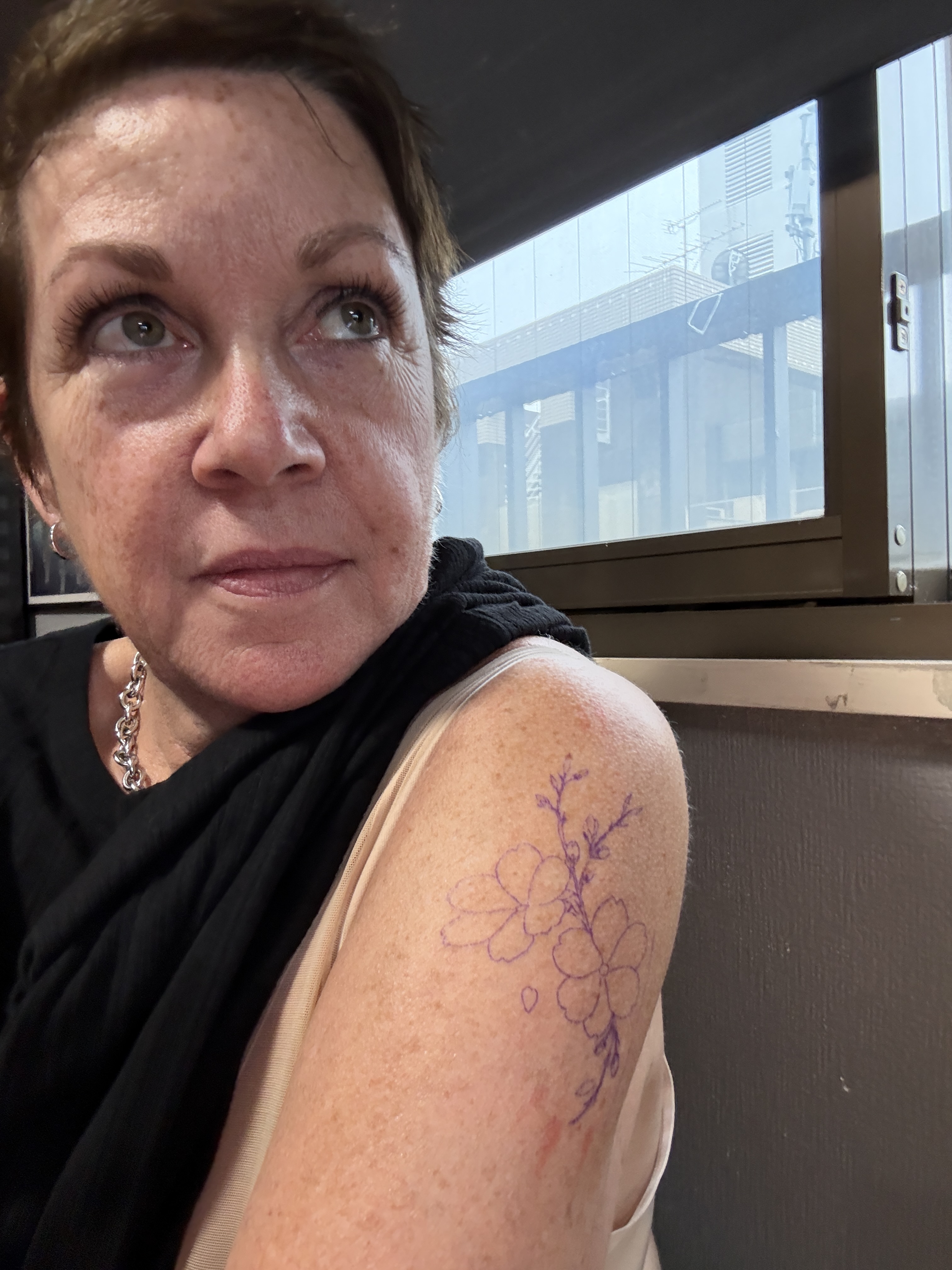
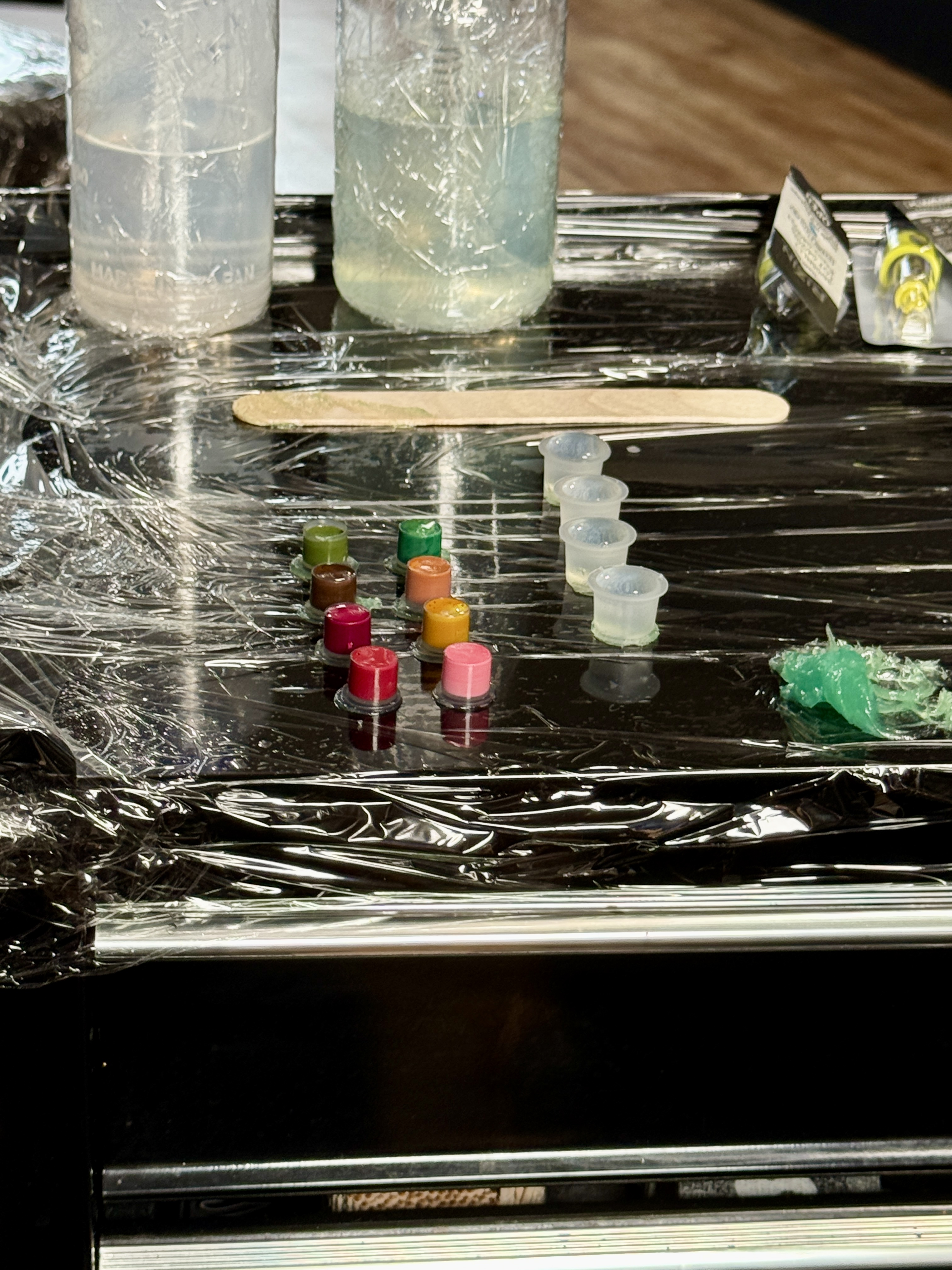
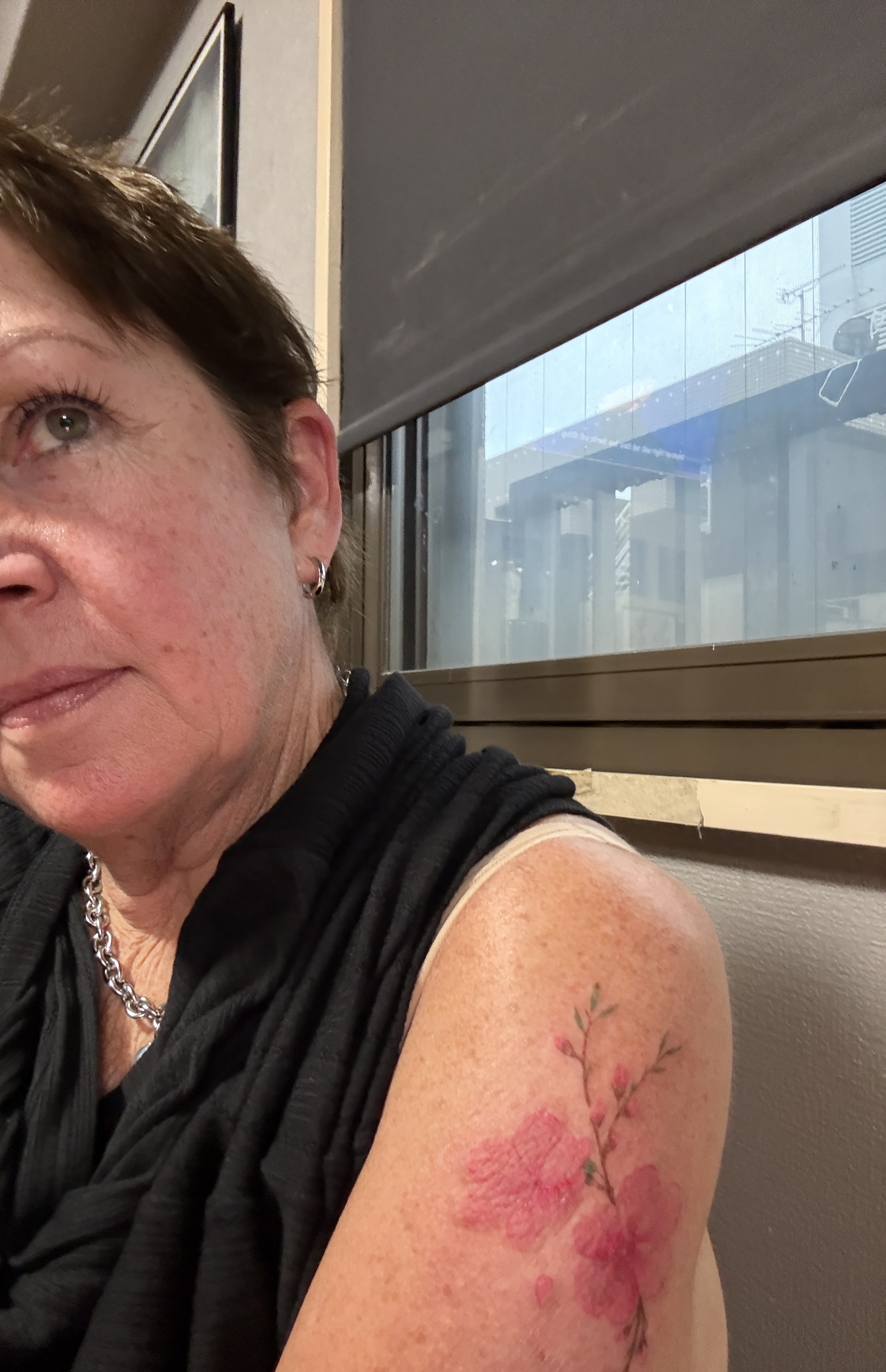
Up two floors we went to his tiny, immaculate studio, with just two tattoo stations. Another artist was working on a young Japanese man, and my new tattoo artist and I settled in to discuss my choice: a sakura, or cherry blossom.

And here’s where the story gets interesting.

My tattoo artist was Chinese and had traveled to Australia to study English. I couldn’t help wondering what sort of Australian slang he might have picked up along the way. While there, he met a Japanese woman, fell in love, and eventually the two moved to Japan together.

At one point, I asked him, “So, how’s my old lady skin holding up?” He explained, quite matter-of-factly, that the ink penetrates more easily. He treated my self-deprecating question as a perfectly ordinary technical inquiry. Apparently, aging does come with certain advantages. Who knew tattooing would be one of them?

Two hours later, I had a beautiful new tattoo, almost no pain, and a lovely story to go with it. Frankly, the most uncomfortable part was sitting motionless on a stool for that long! My butt suffered considerably more than my arm.

Back at the W, I suggested that everyone gather in the lounge for a drink before our evening adventures.

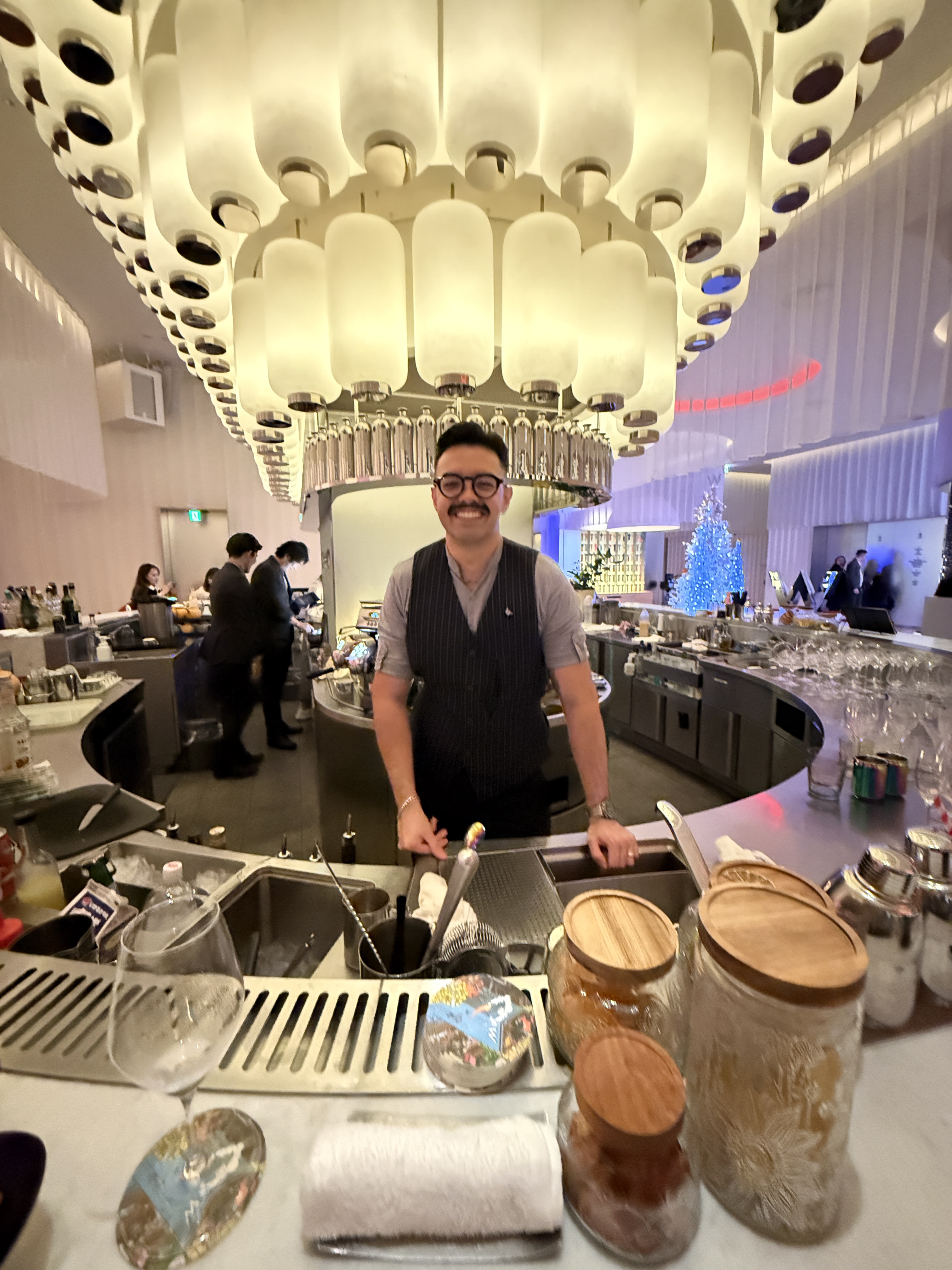
There I met Esteban, a Colombian bartender with a Japanese wife.

And where did they meet?

Australia.

Seriously? What are the odds? So if you’re seeking a Japanese partner who is looking for a foreign spouse, head to the land of Oz.

After a drink or two, our group split into four smaller groups, each with a local guide and a different food-focused evening planned around Osaka.

Our guide led us through bustling streets absolutely teeming with people. We walked and walked, sampled delicious food, and generally ate far more than any reasonable person needed.

I even managed to close all my Apple Fitness rings, which seemed only fair considering the amount of ground we covered. Whether the walking actually offset the eating is another question entirely.

The temperature was perfect, the streets were alive, and the atmosphere was infectious. There was something wonderful about wandering through Osaka on such a beautiful evening, surrounded by people, food, laughter, and all that energy.

A thoroughly enjoyable day, from the first crashing chopstick to the last delicious bite.

Oishi!

Mochi, Vermilion Gates and the Elusive Nap

Kyoto, Japan | November 14, 2026

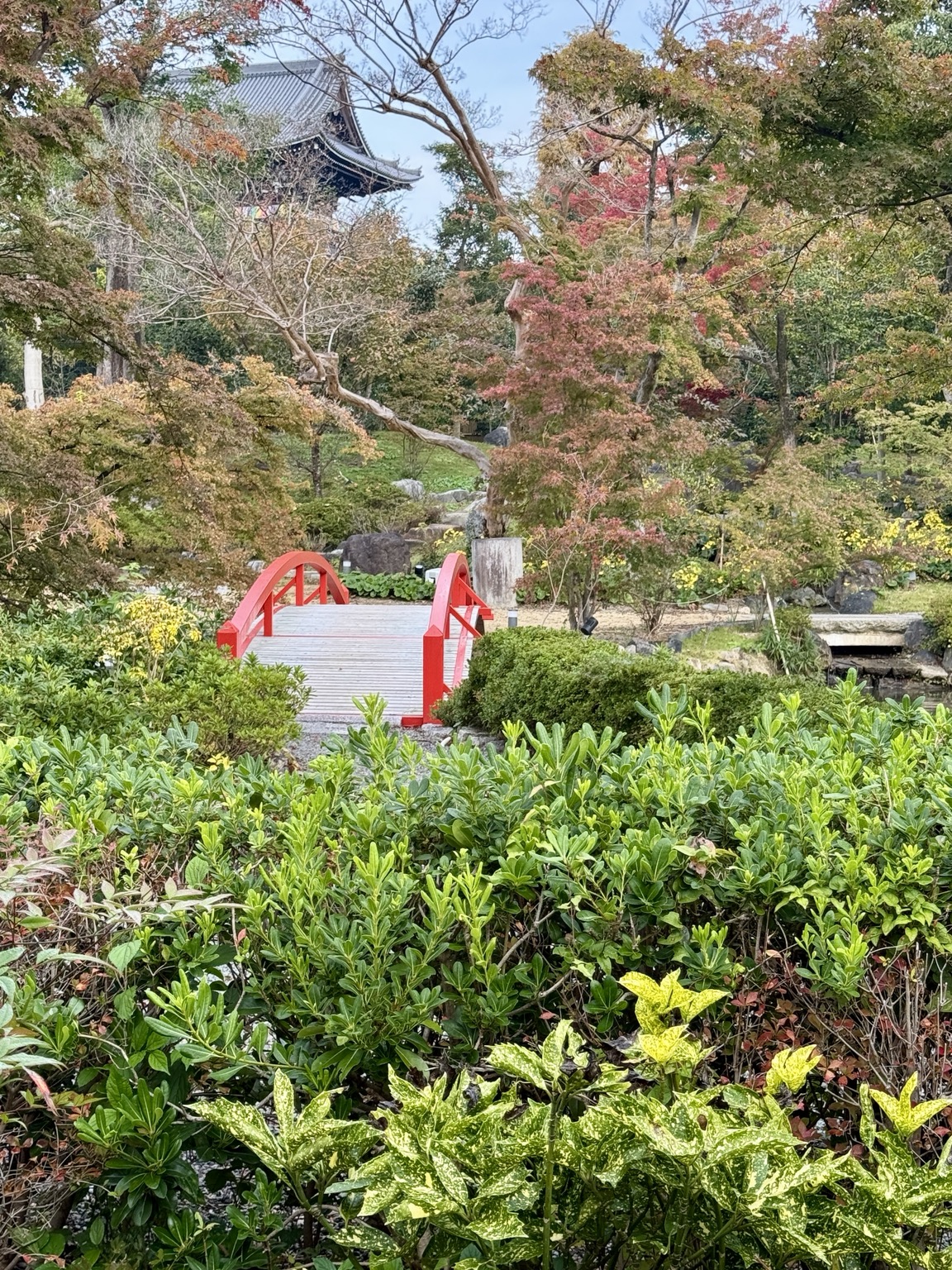
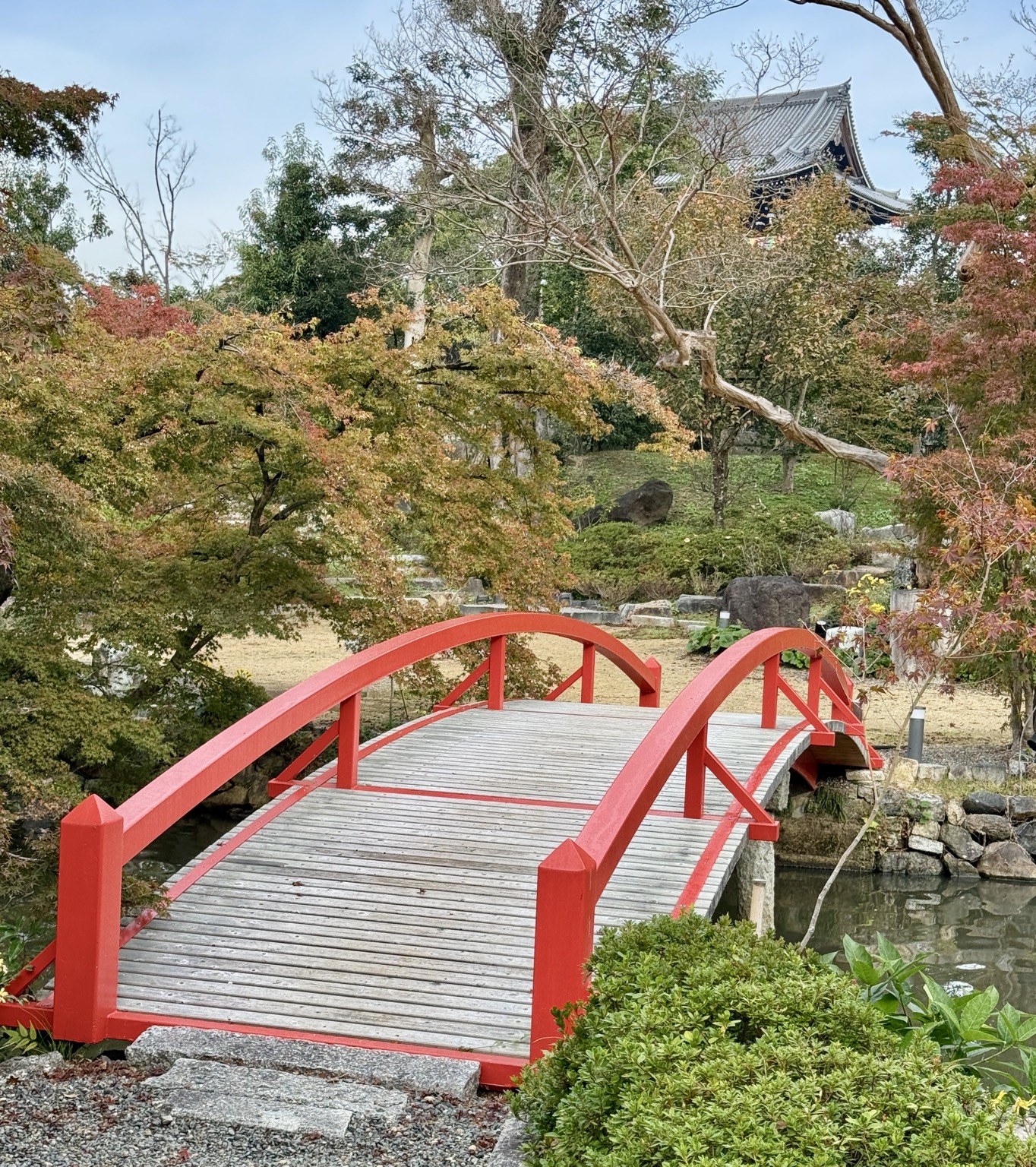
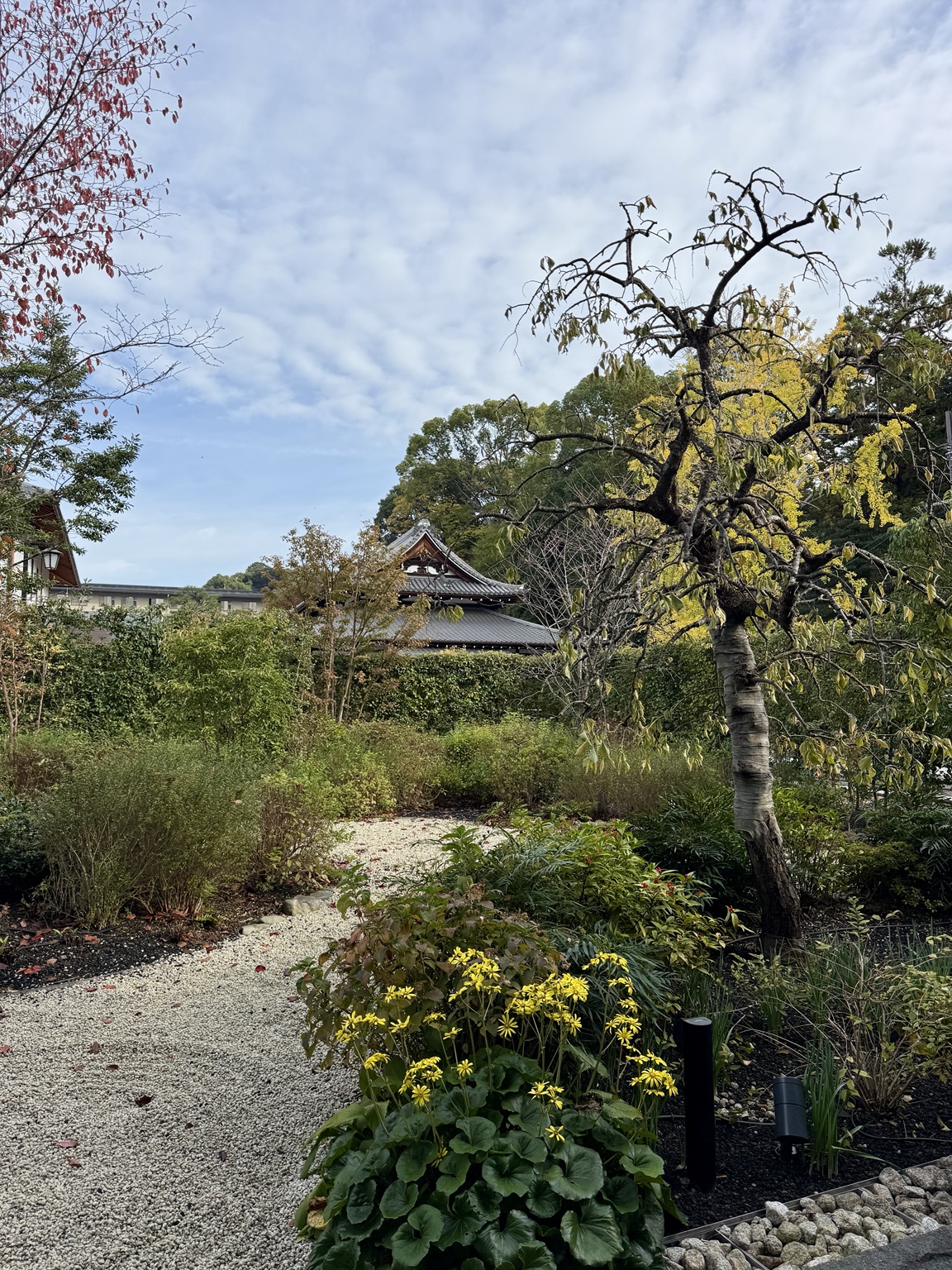
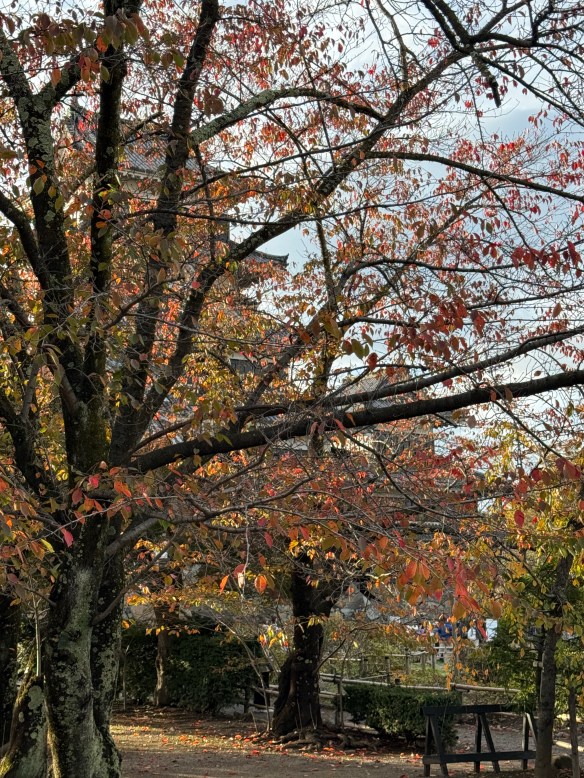
This morning, I ventured out behind our hotel, the Hotel Okura Kyoto Okazaki Bettei. A tranquil Japanese garden, a lovely little vermilion bridge, autumn foliage and the tiled roofs of the neighboring temple peeking through the trees. Quite picturesque and rather peaceful.

Remember that last word. We’ll come back to it.

We Bashed the Mochi, We Ate the Mochi

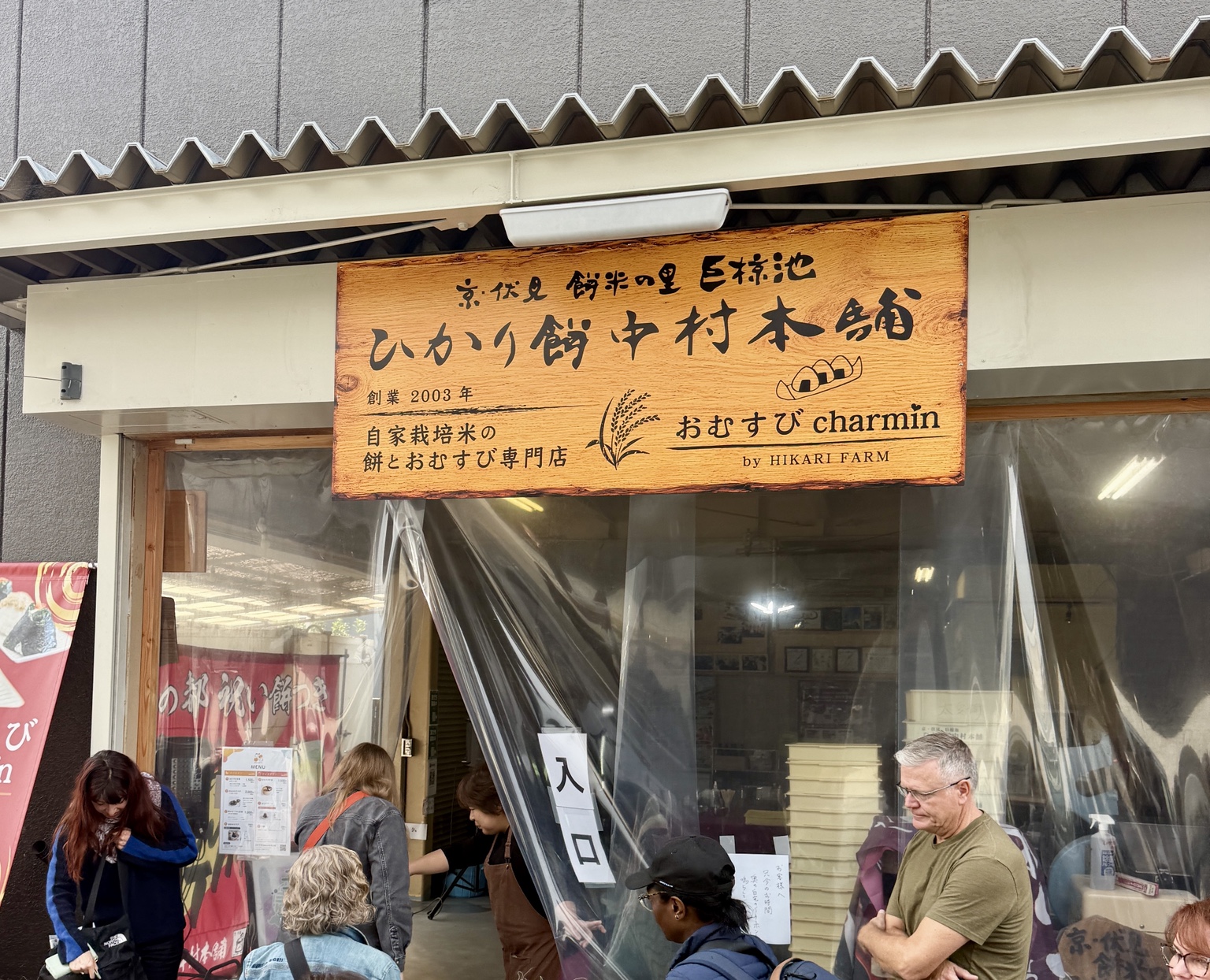
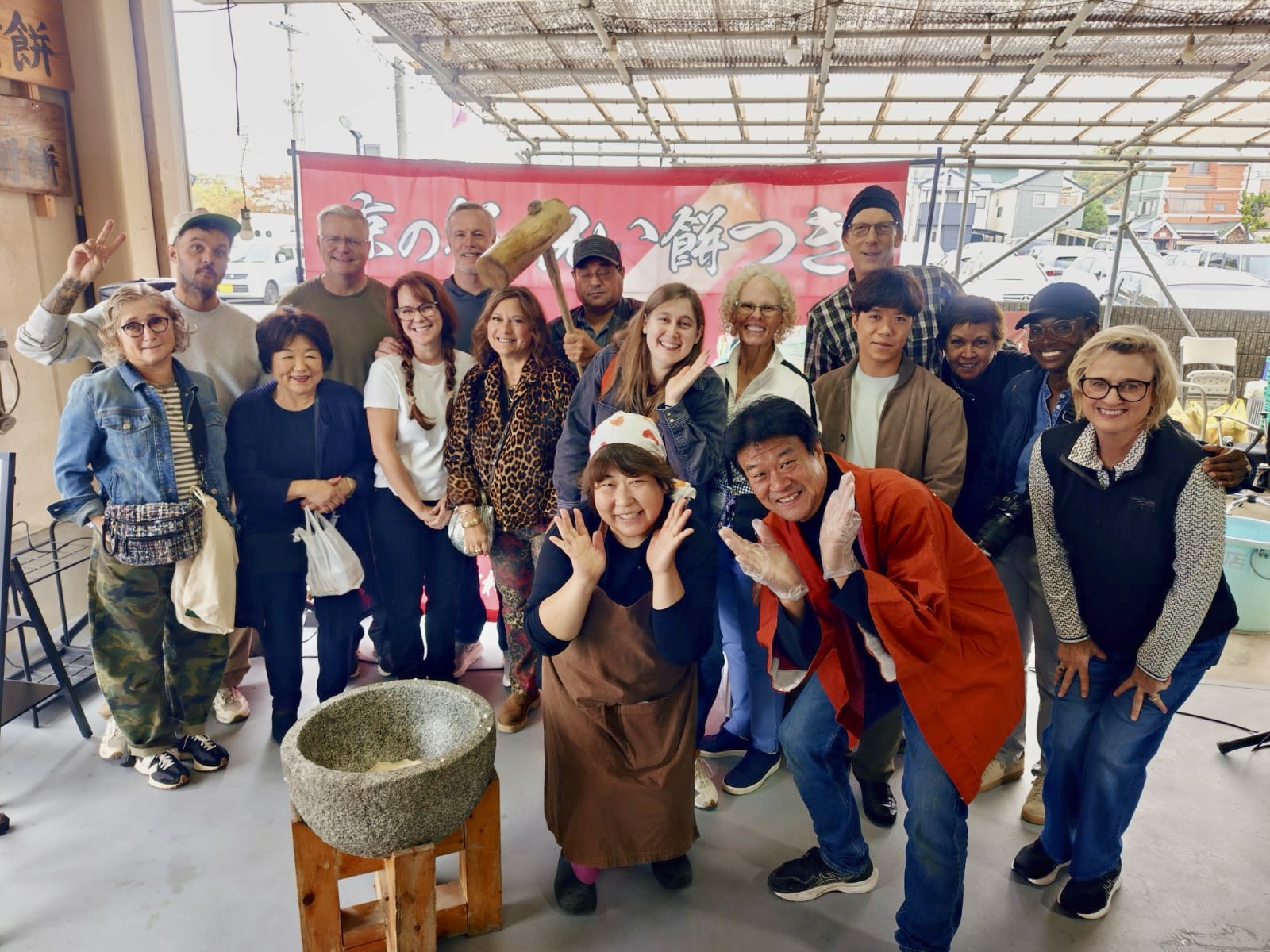
Our first outing of the morning took us to a very modest mochi workshop, Hikari Mochi Nakamura Honpo, established in 2003. They specialize in making mochi and Japanese rice balls using rice they’ve grown themselves.

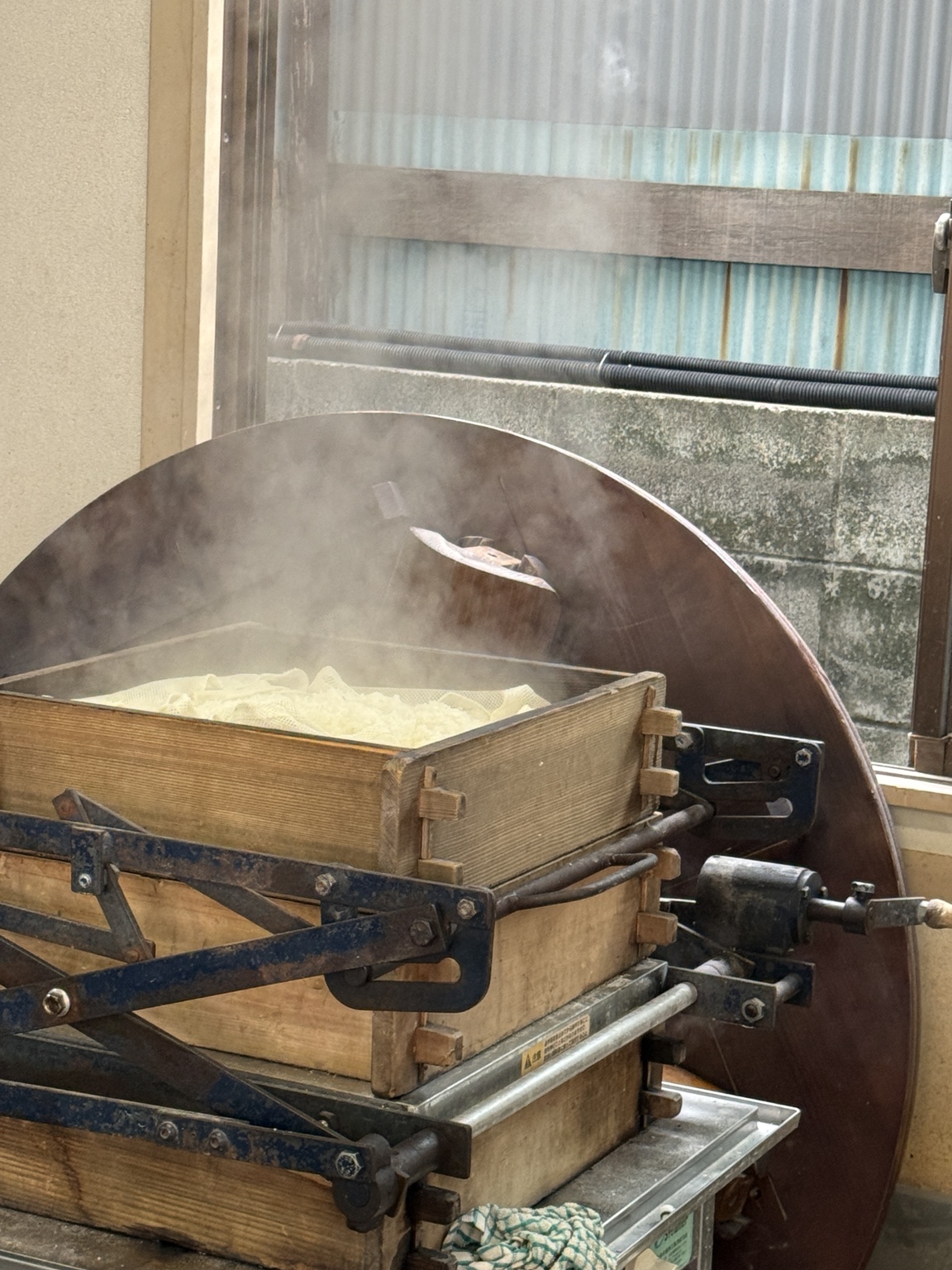
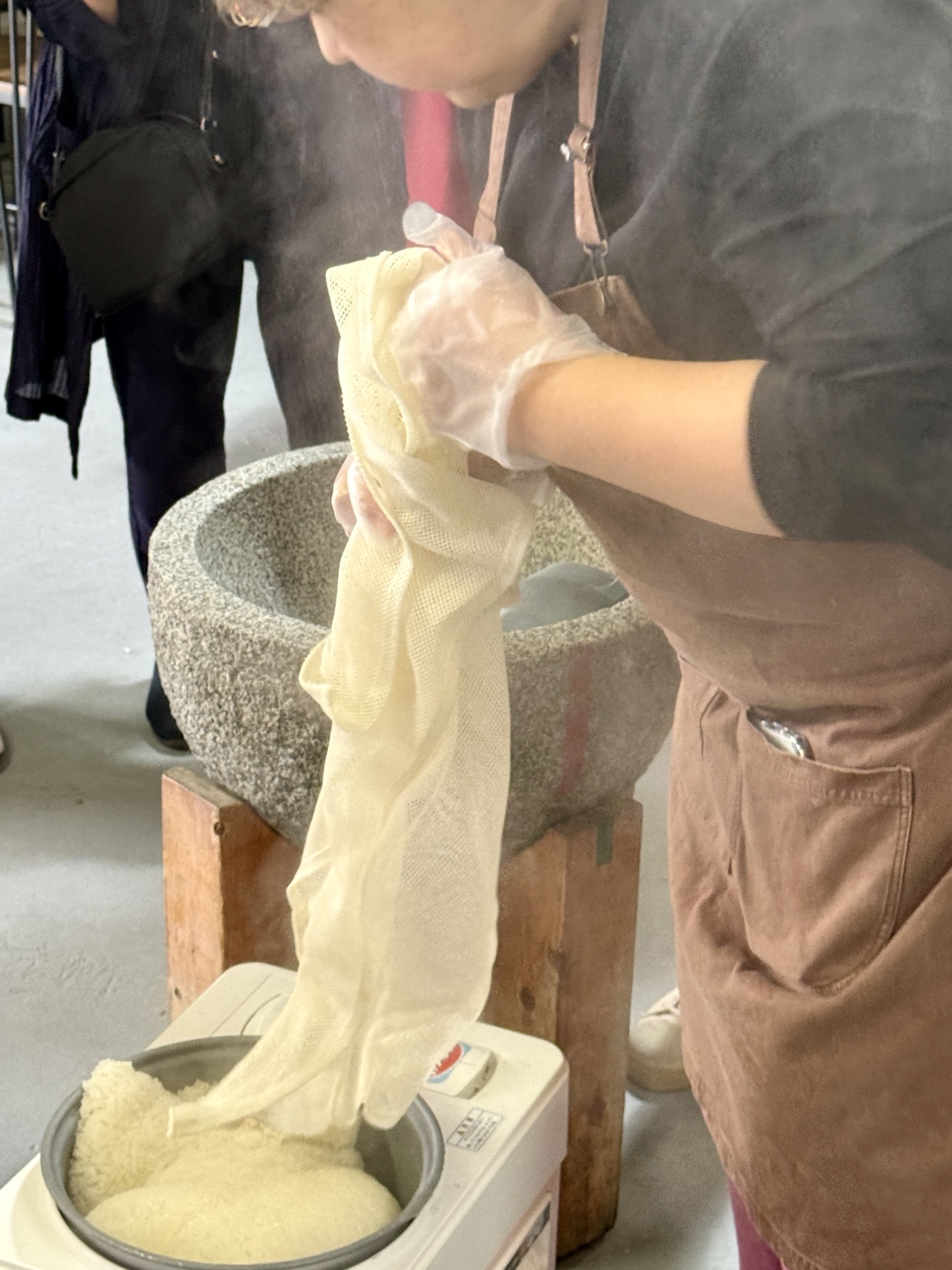
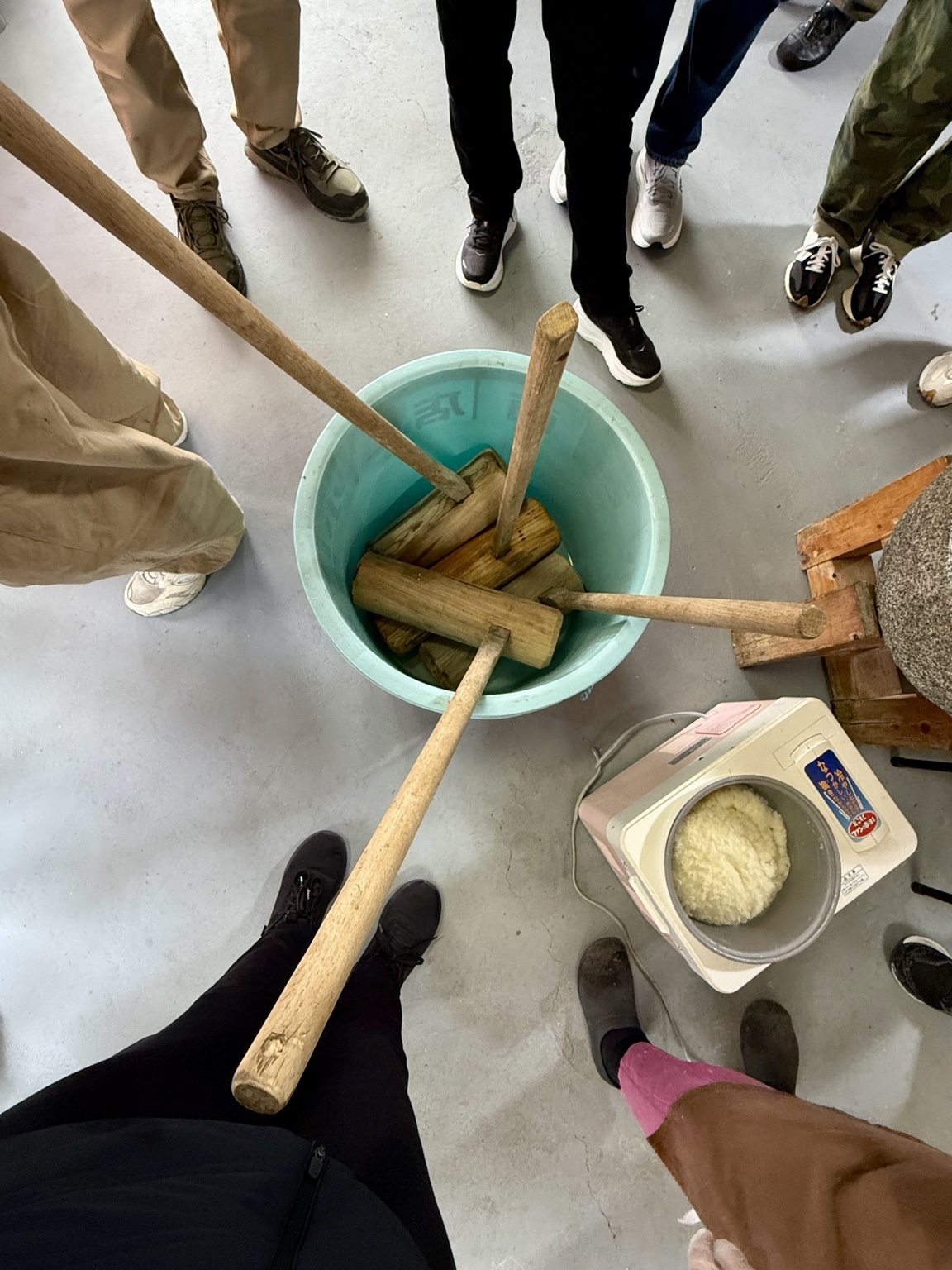
The glutinous rice is steamed in traditional wooden boxes before being pounded in a large stone mortar (usu) with wooden mallets (kine). This traditional process is known as mochitsuki.

Everybody participated in this particular activity, and we had great fun. There’s something immensely satisfying about being handed an enormous wooden mallet, encouraged to bash the hell out of something, and then being rewarded with food.

We sampled three different preparations: roasted soybean powder (kinako), soy sauce and what I believe was sweet bean paste.

I think most of us, myself included, were pleasantly surprised at how delicious it was, considering we were essentially eating a blob of rice. But rice and water are taken very seriously in Japan, and there’s something quite remarkable about being able to taste the purity of such simple ingredients. Not everything needs embellishment to be delicious.

Fushimi Inari Taisha

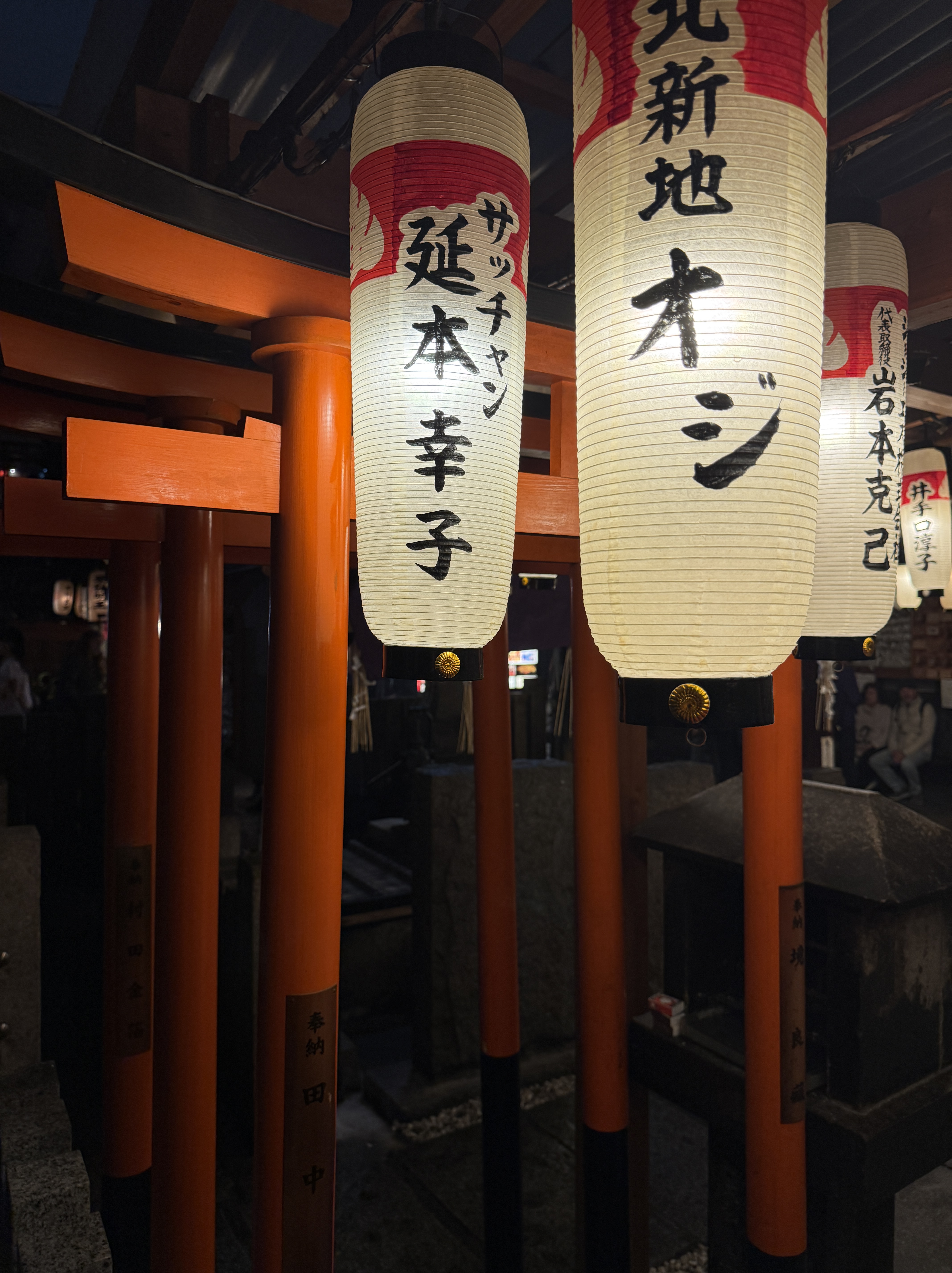
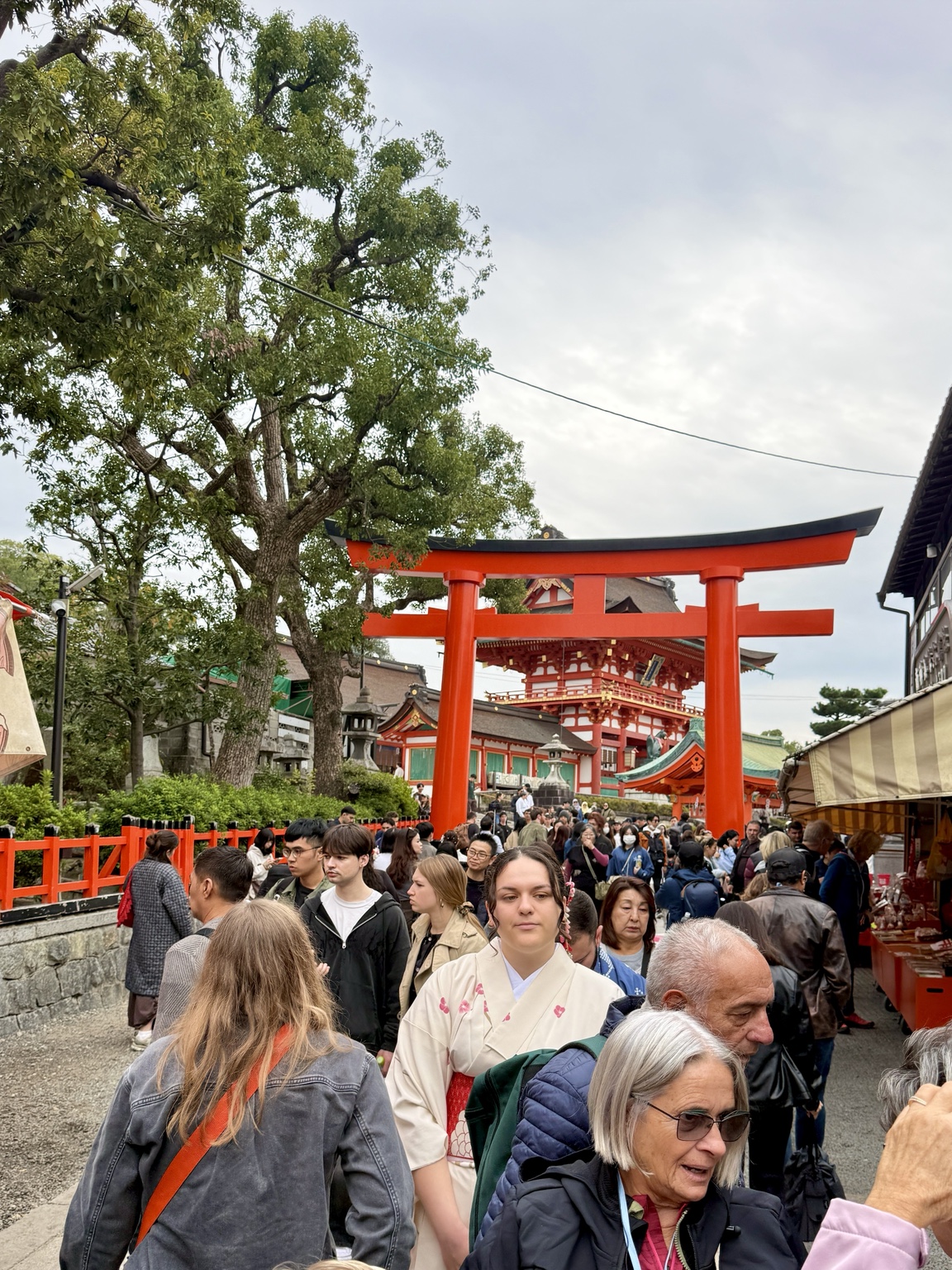
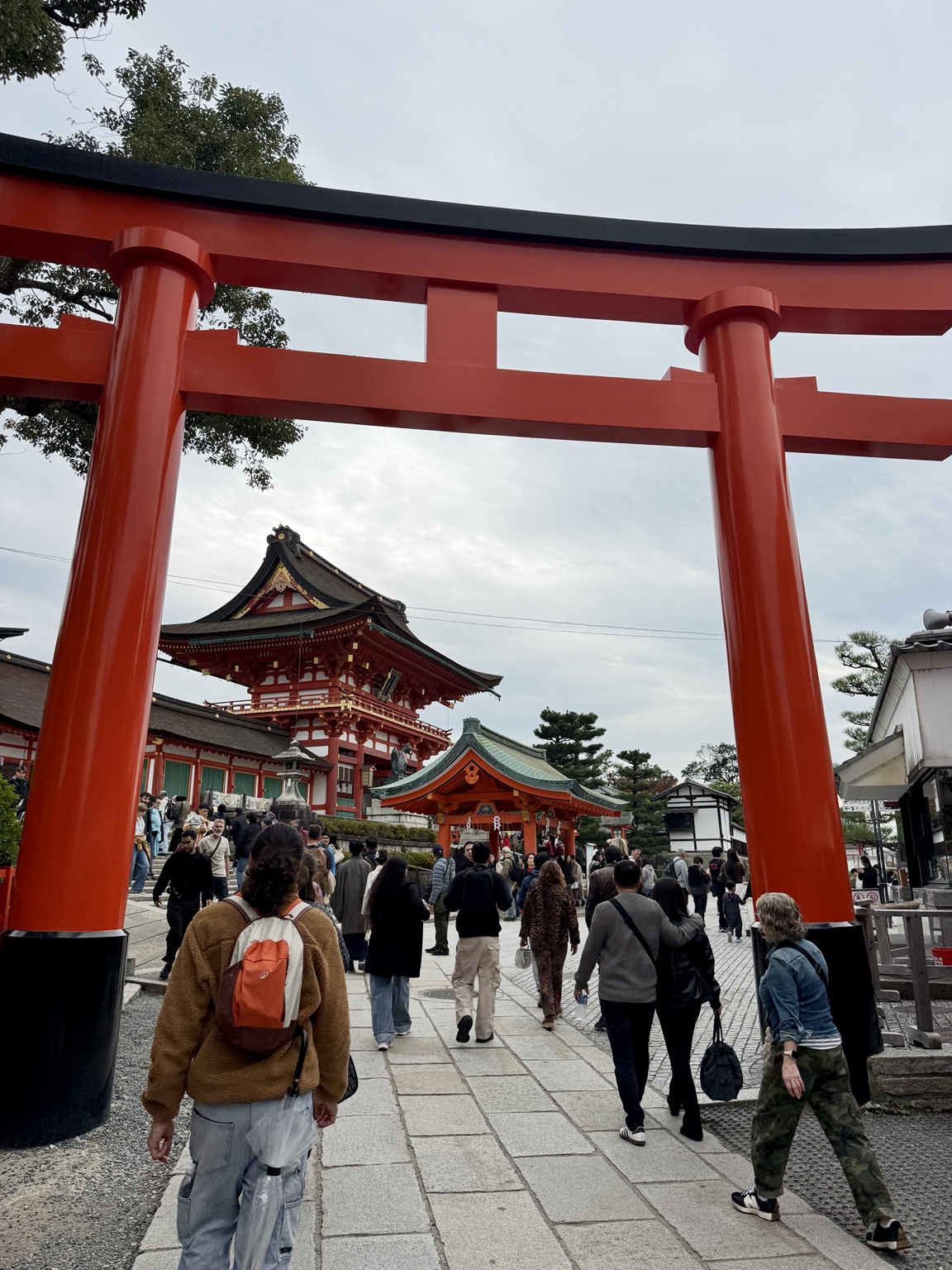
From there, we headed to Fushimi Inari Taisha, the famous Shinto shrine with its thousands of vermilion torii gates winding up the wooded slopes of Mount Inari.

Established in 711, the shrine is dedicated to Inari, the deity associated with rice, agriculture and prosperity. Rather fitting, considering how we’d spent our morning.

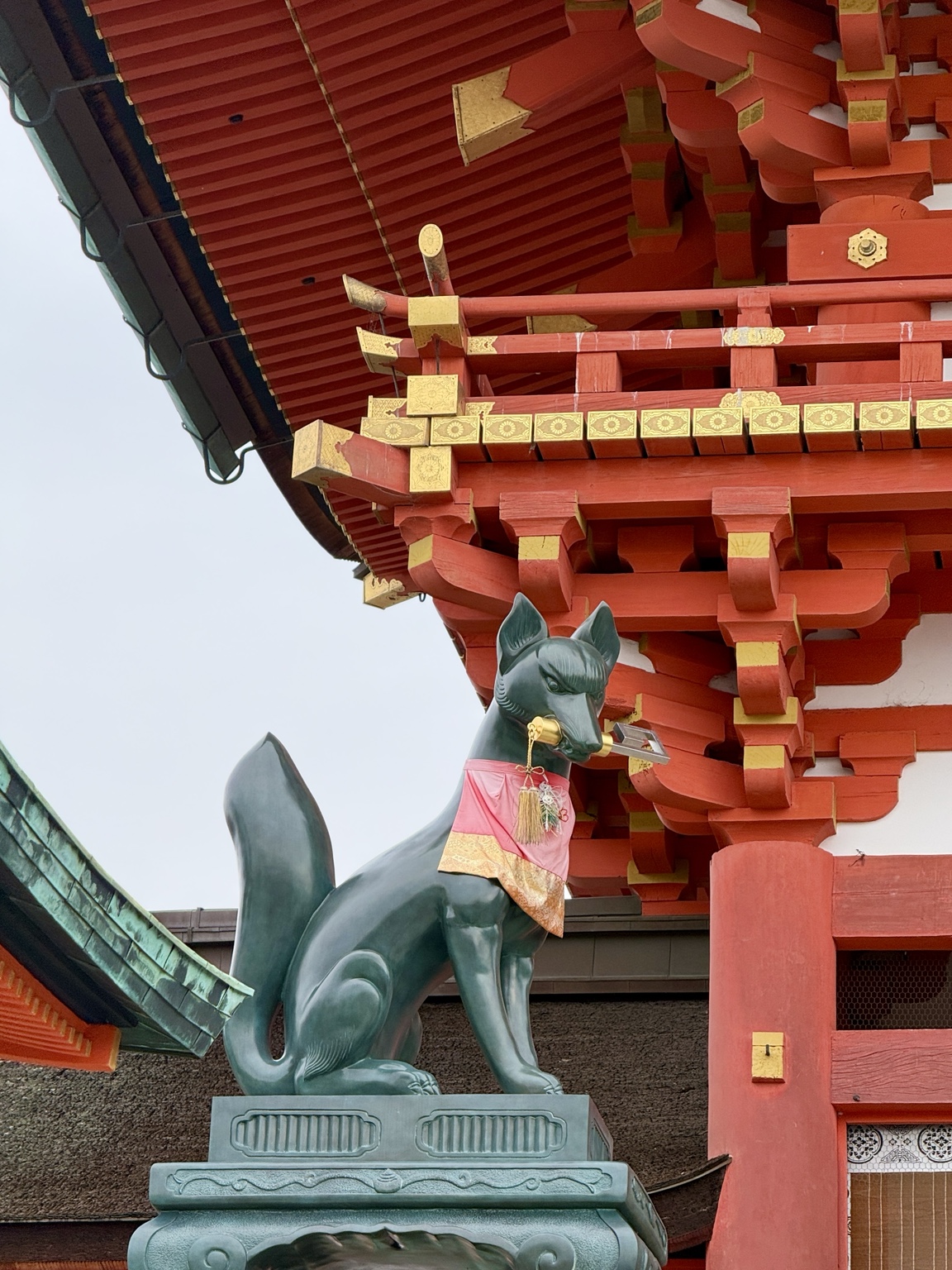
Throughout the shrine are statues of foxes, or kitsune, believed to be messengers of Inari. One of the foxes I photographed holds a key in its mouth, symbolizing access to the rice granary.

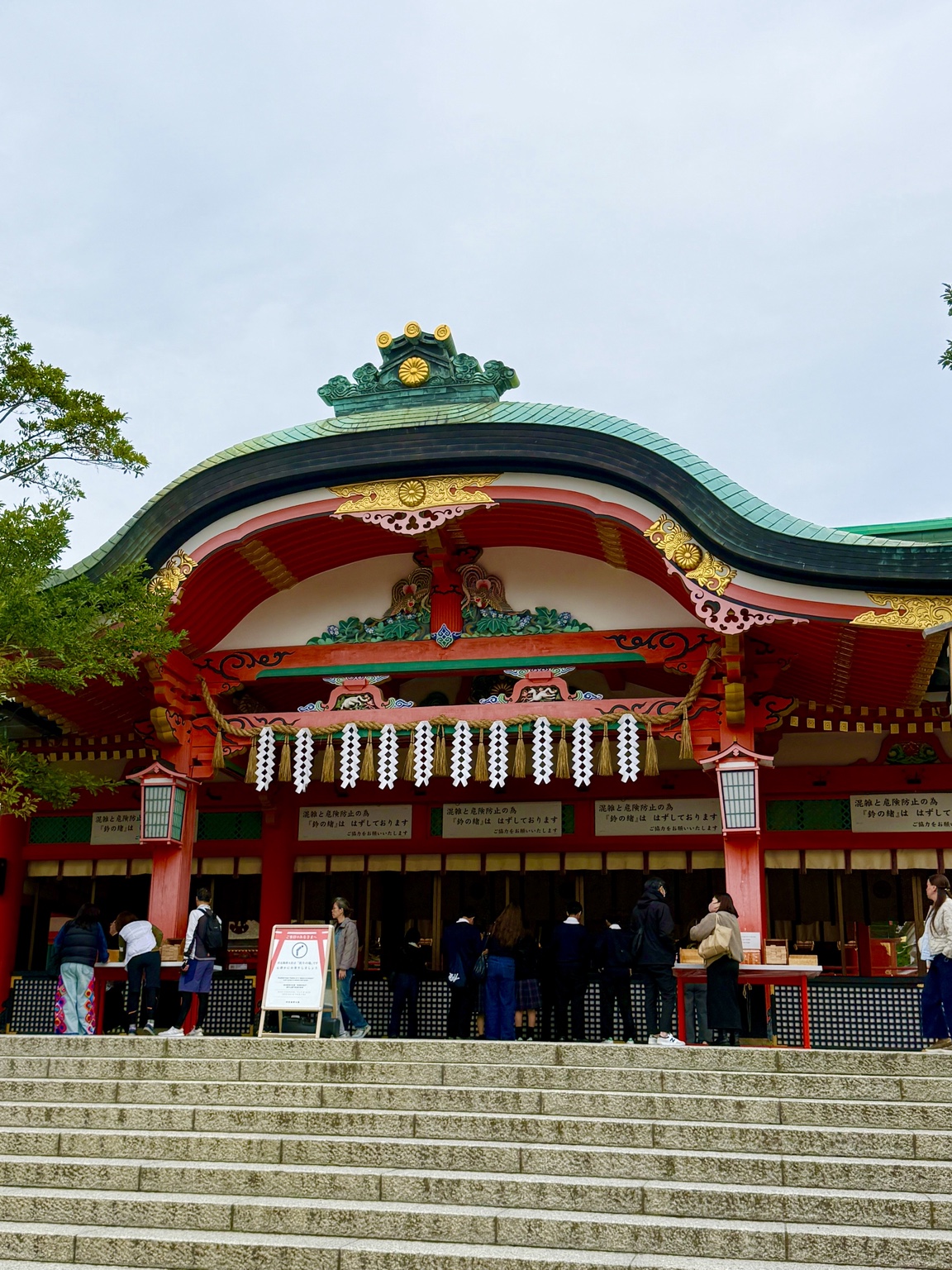
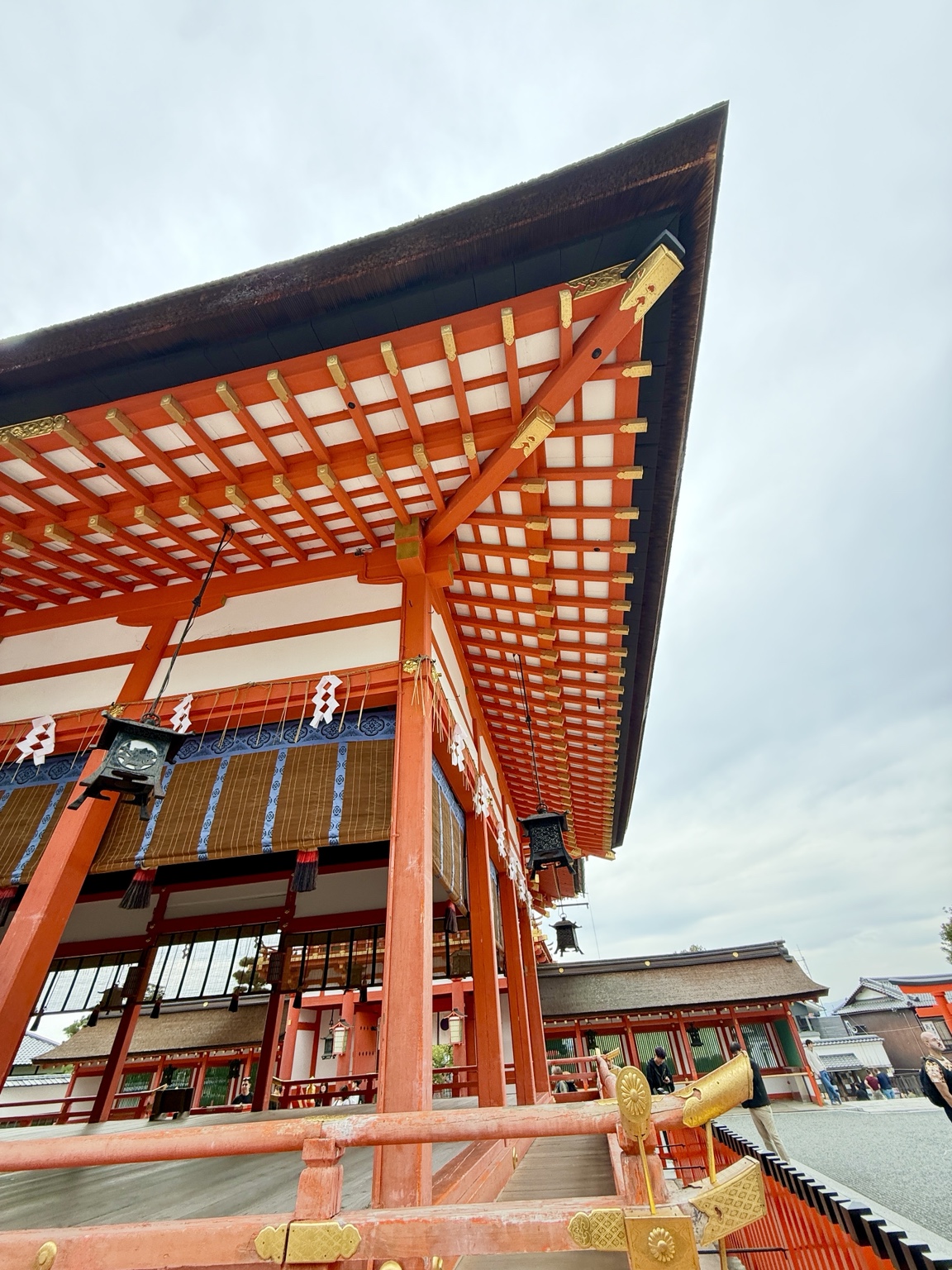
The architecture is stunning, with its vivid vermilion, intricate gold embellishments and beautifully curved roofs.

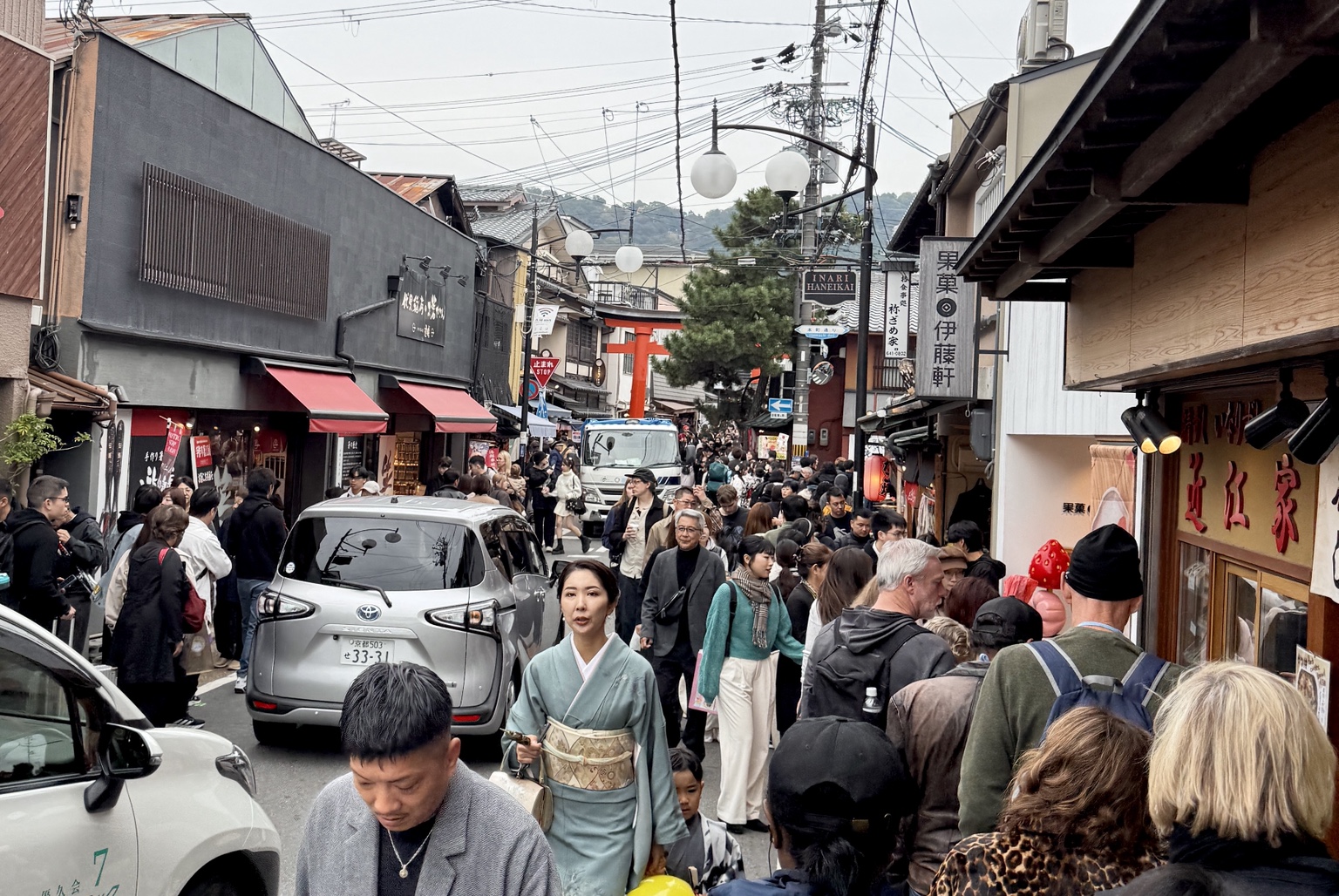
Absolutely beautiful and absolutely heaving with humanity. I can only imagine how magical this place must be in the early hours of the morning, before the arrival of the masses (myself included).

Japan: The Land of Don’ts

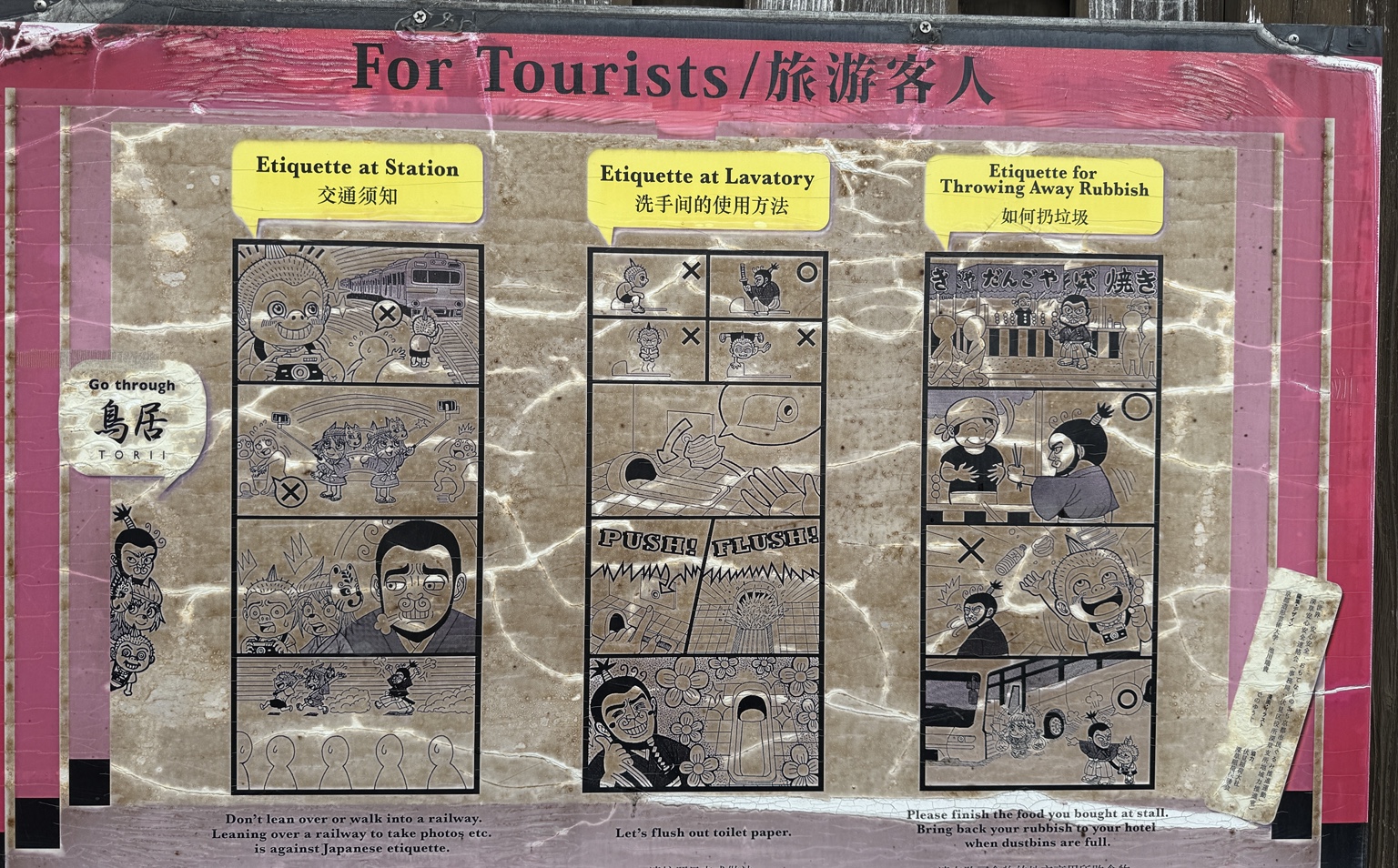
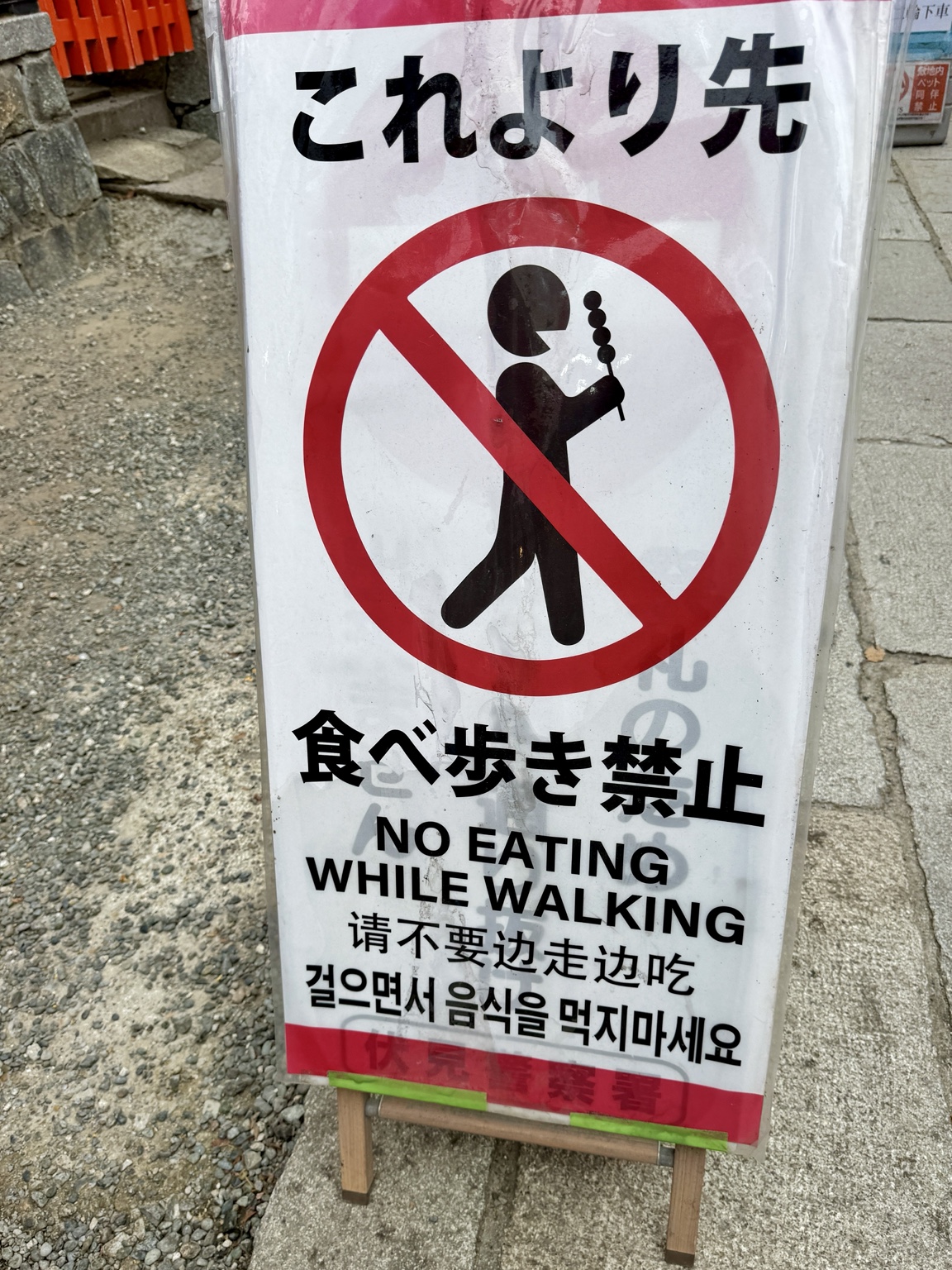
I’ve started accumulating a little photographic collection of Japanese prohibitions.

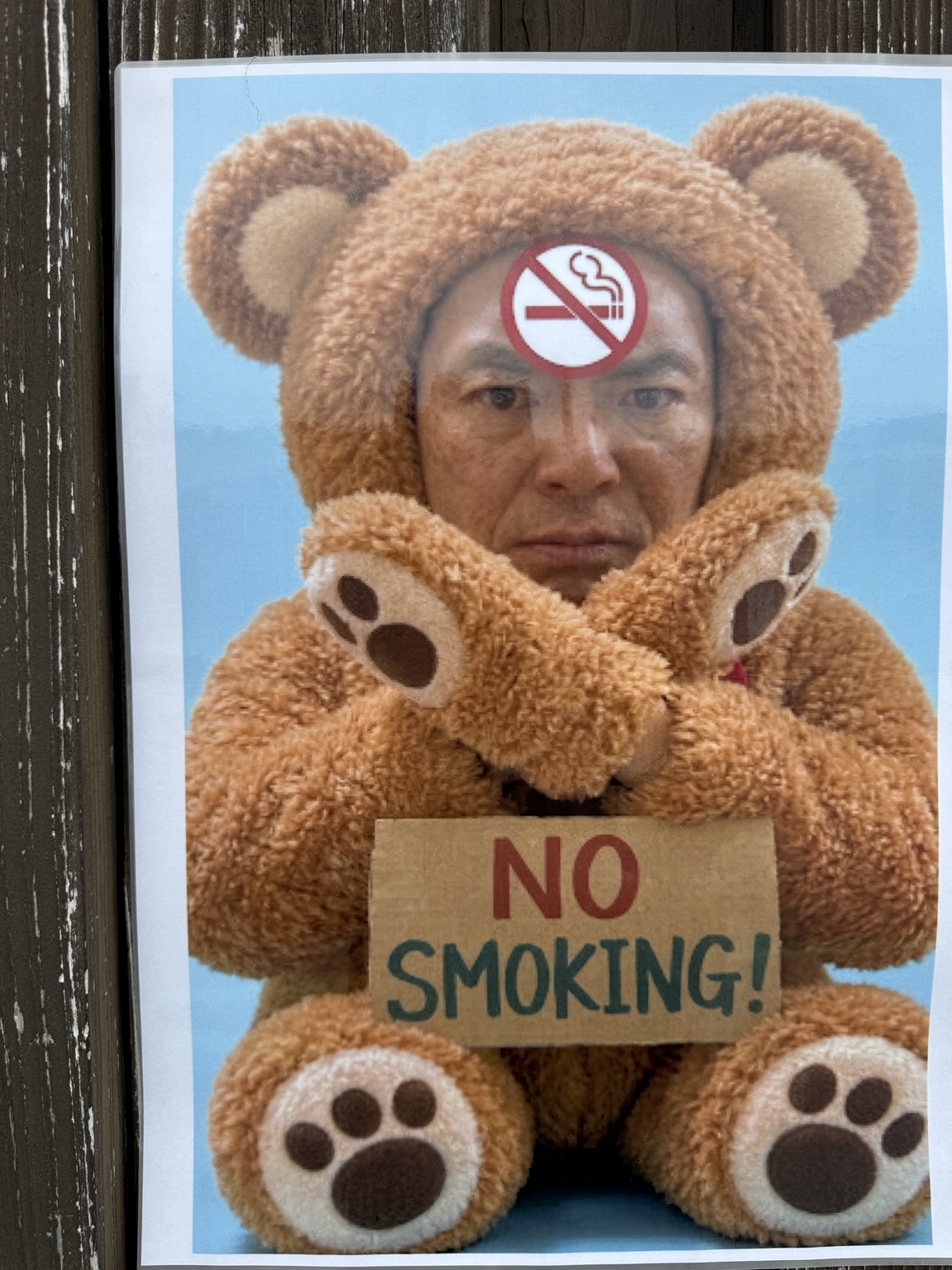
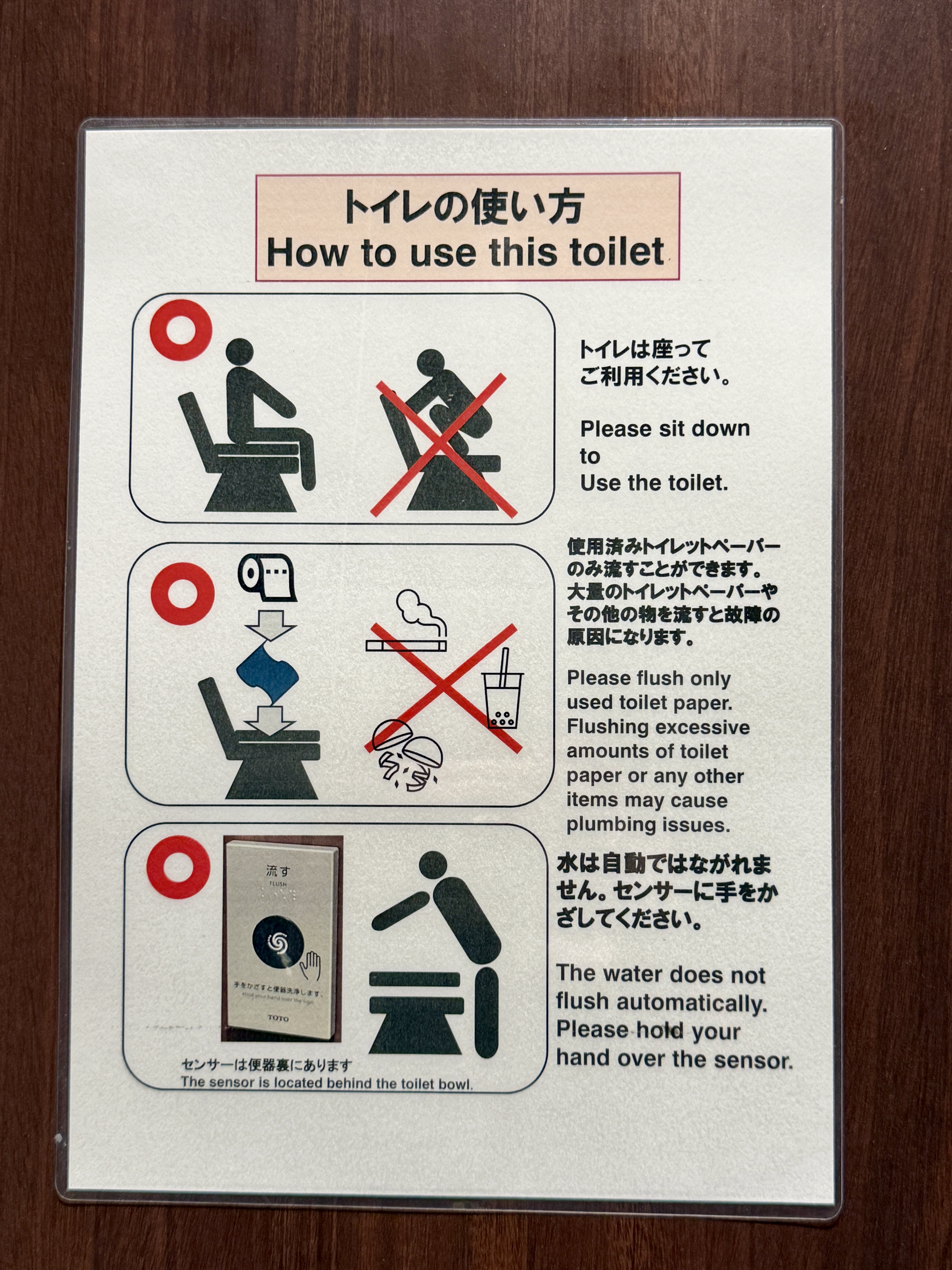
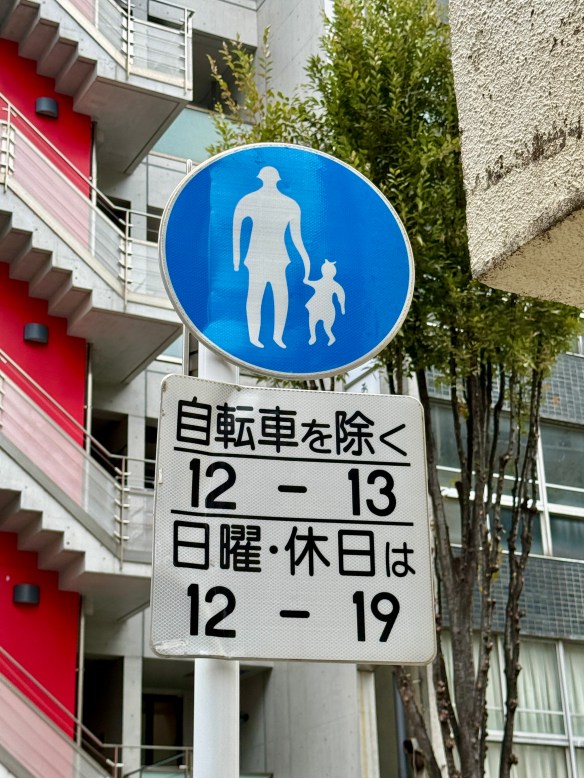
Don’t eat while walking. Don’t smoke. Don’t do this. Don’t do that. And just in case you’re unclear about the proper use of a Japanese lavatory, there’s an illustrated tutorial for that, too.

Japan has elevated telling people what not to do to something of an art form. Sometimes it’s a stern instruction, sometimes an illustrated tutorial, and sometimes it’s a thoroughly disgruntled man dressed as a teddy bear.

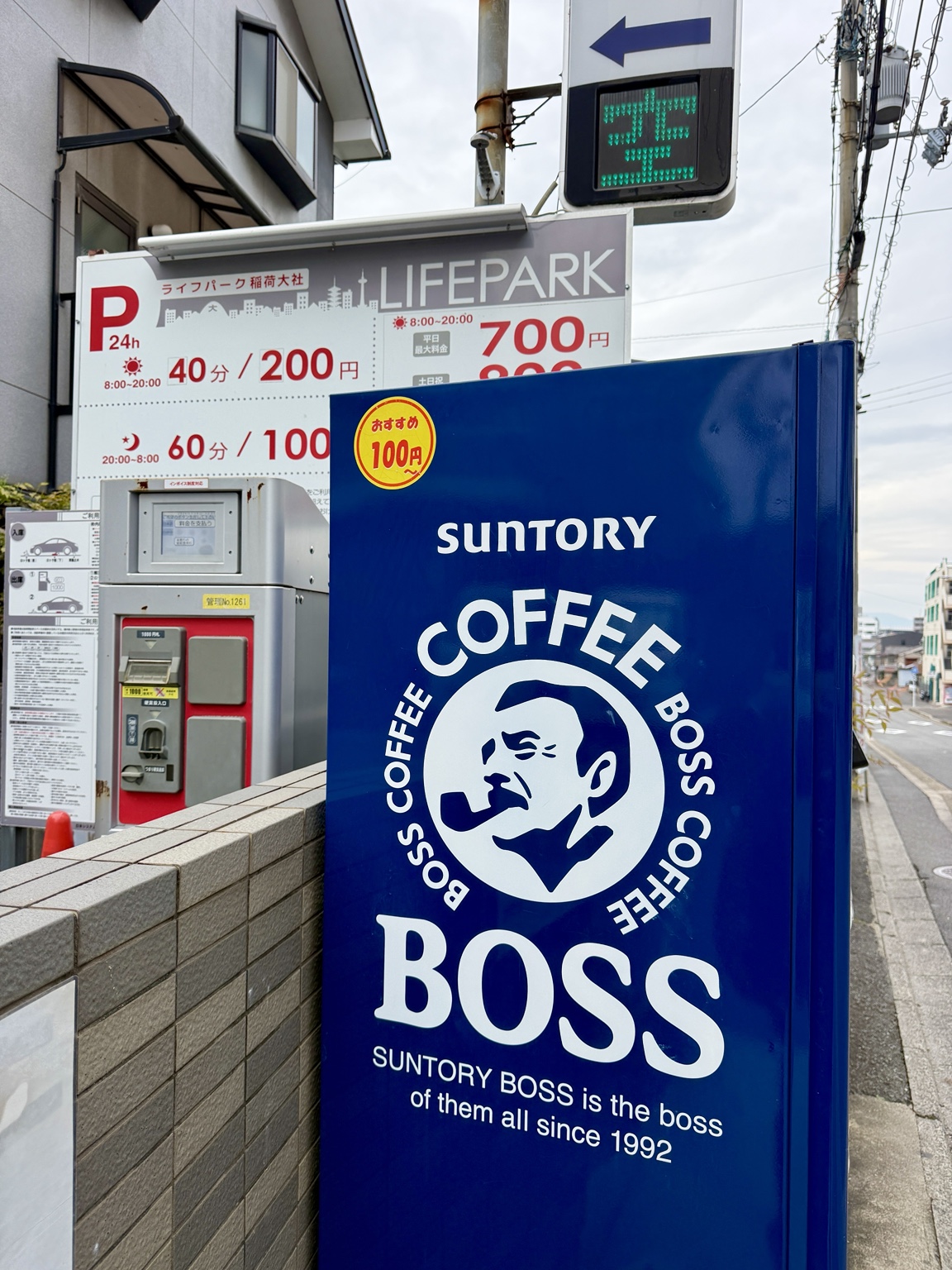
Meanwhile, the bloke advertising coffee is happily smoking his pipe.

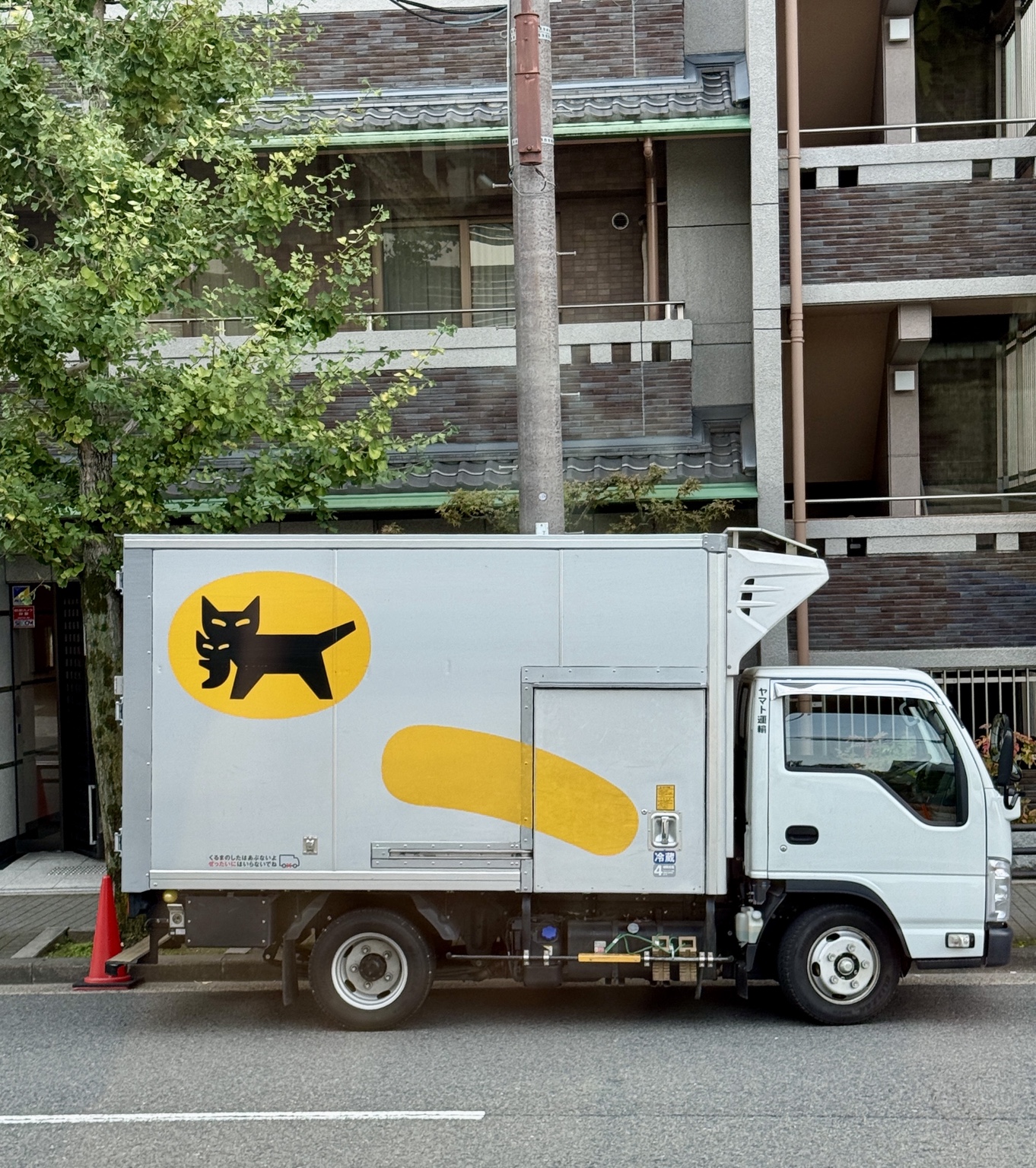
I must also give an honorable mention to the Japanese delivery company Yamato Transport, whose logo depicts a mother cat carrying her kitten, symbolizing the care with which they handle their customers’ packages.

How utterly charming.

Yamato Transport black cat delivery truck

And Now for That Elusive Nap…

Back at the hotel, I thought I’d squeeze in a little afternoon nap.

I kid you not: multiple chainsaws, a leaf blower, two bus stops, constant traffic and, as I dictate this, motorcycles.

Remember that peaceful little Japanese garden I mentioned earlier? Well, yours truly is staying on the other side of the hotel.

Apparently, the universe has other plans.

With only one more night here, I’m not going through the rigmarole of changing rooms.

But note to future self: TEMPLE SIDE, NOT STREET SIDE.

Wine, Wasabi, and Winding Roads

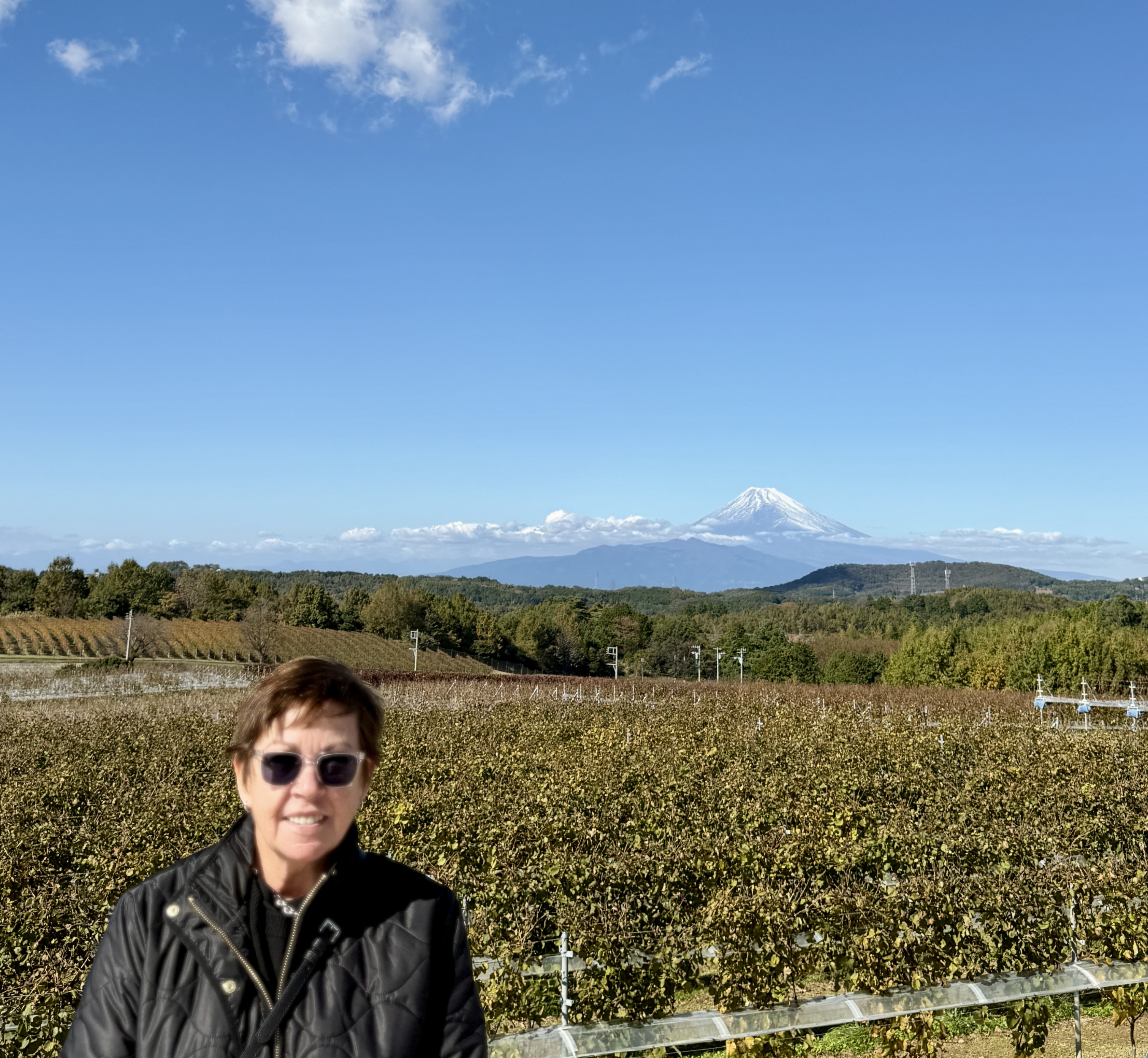
The day began with a rather nauseating bus ride up a winding mountain road to a Japanese winery. And when I say winding, I mean winding. Hairpin turns, steep hillsides, and enough twists to make one reconsider the wisdom of having breakfast.

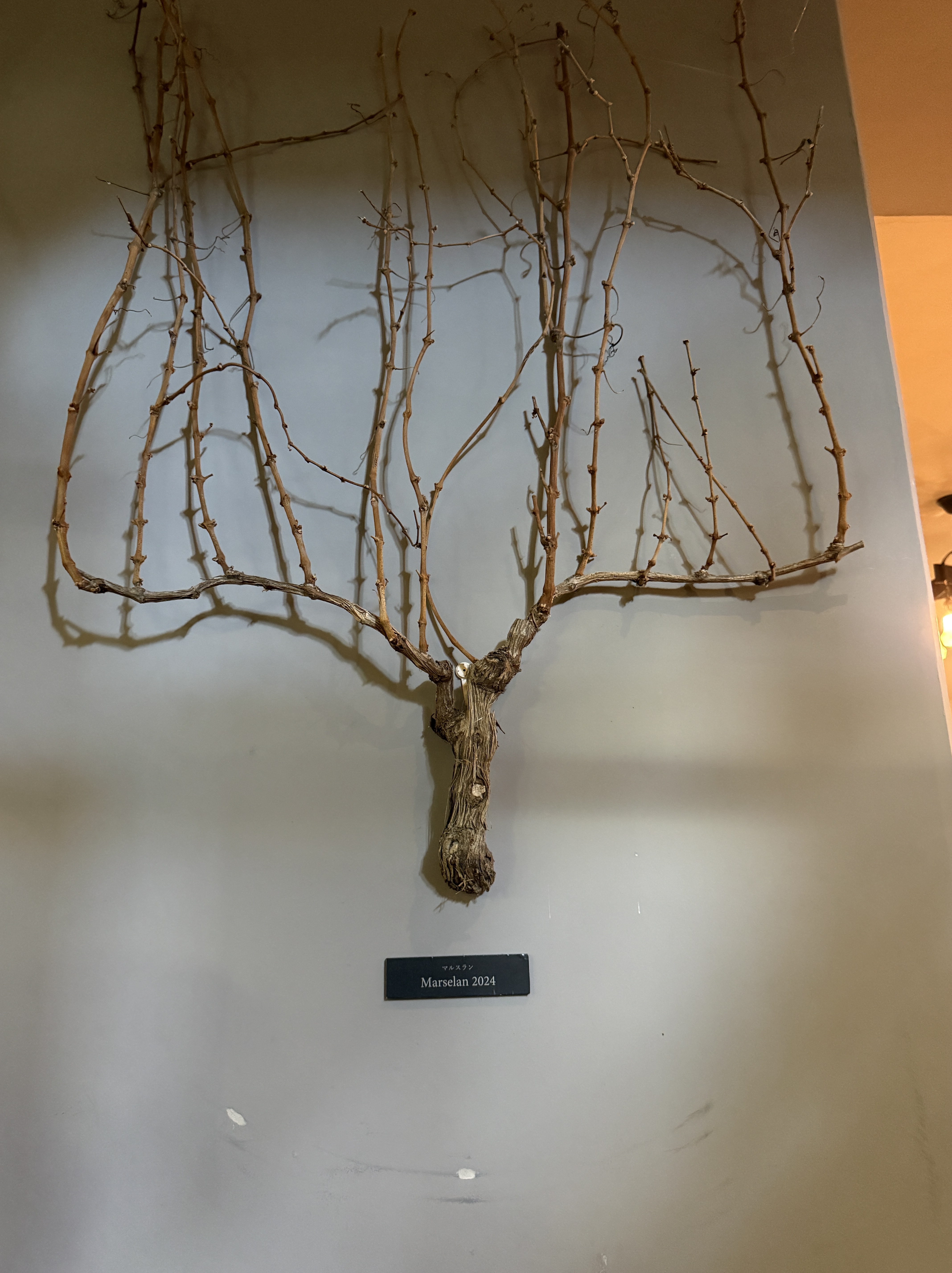
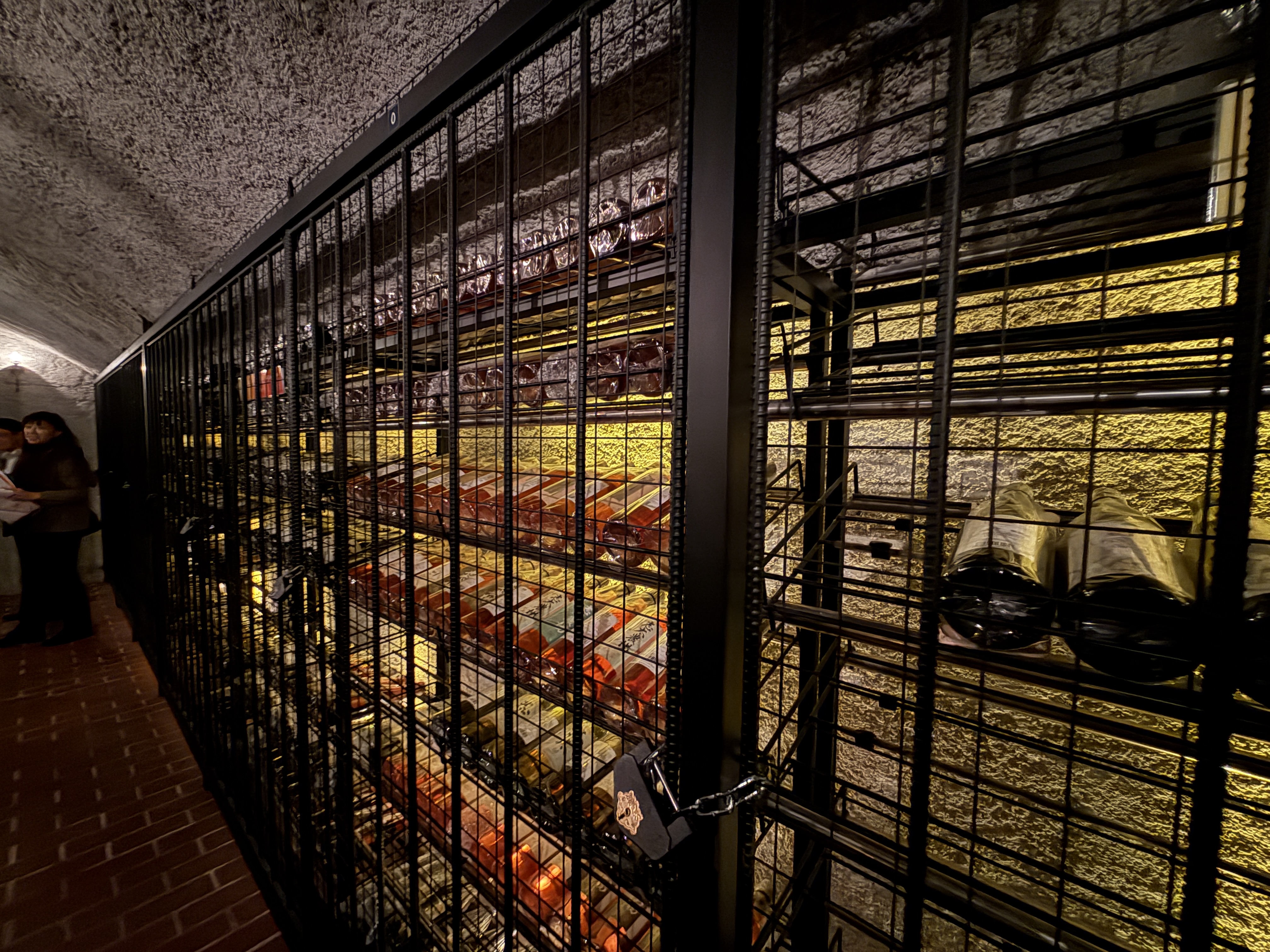
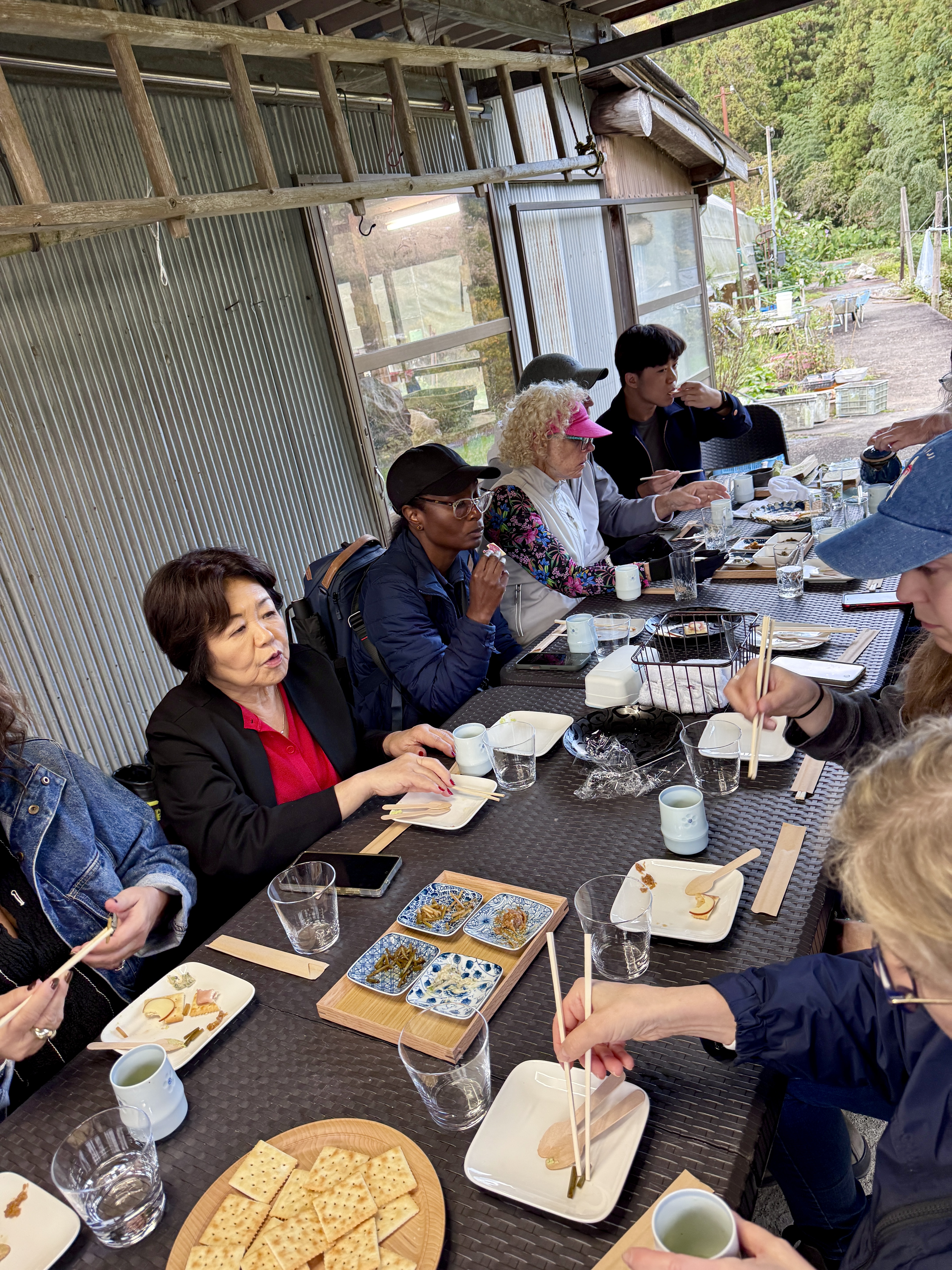
The winery itself was lovely. We enjoyed a short but interesting tour, followed by a very pleasant lunch. Of course, no group outing would be complete without a little organizational chaos.

There was considerable confusion about the wine. Were we ordering from a wine list? Purchasing bottles? Who was pouring? And why, exactly, did the wine seem to cost nearly twice as much when served upstairs as it did in the gift shop two floors below?

One of our fellow travelers decided to take matters into his own hands and pour wine for the table. The woman working there was distinctly unimpressed. He poured anyway.

A minor international incident involving a wine bottle.

Despite the confusion, the wine was enjoyable, the lunch was lovely, and the visit was well worth the stomach-churning journey.

From Wine to Wasabi

Back down the winding, vomitous mountain road we went, this time bound for a small family-run wasabi farm.

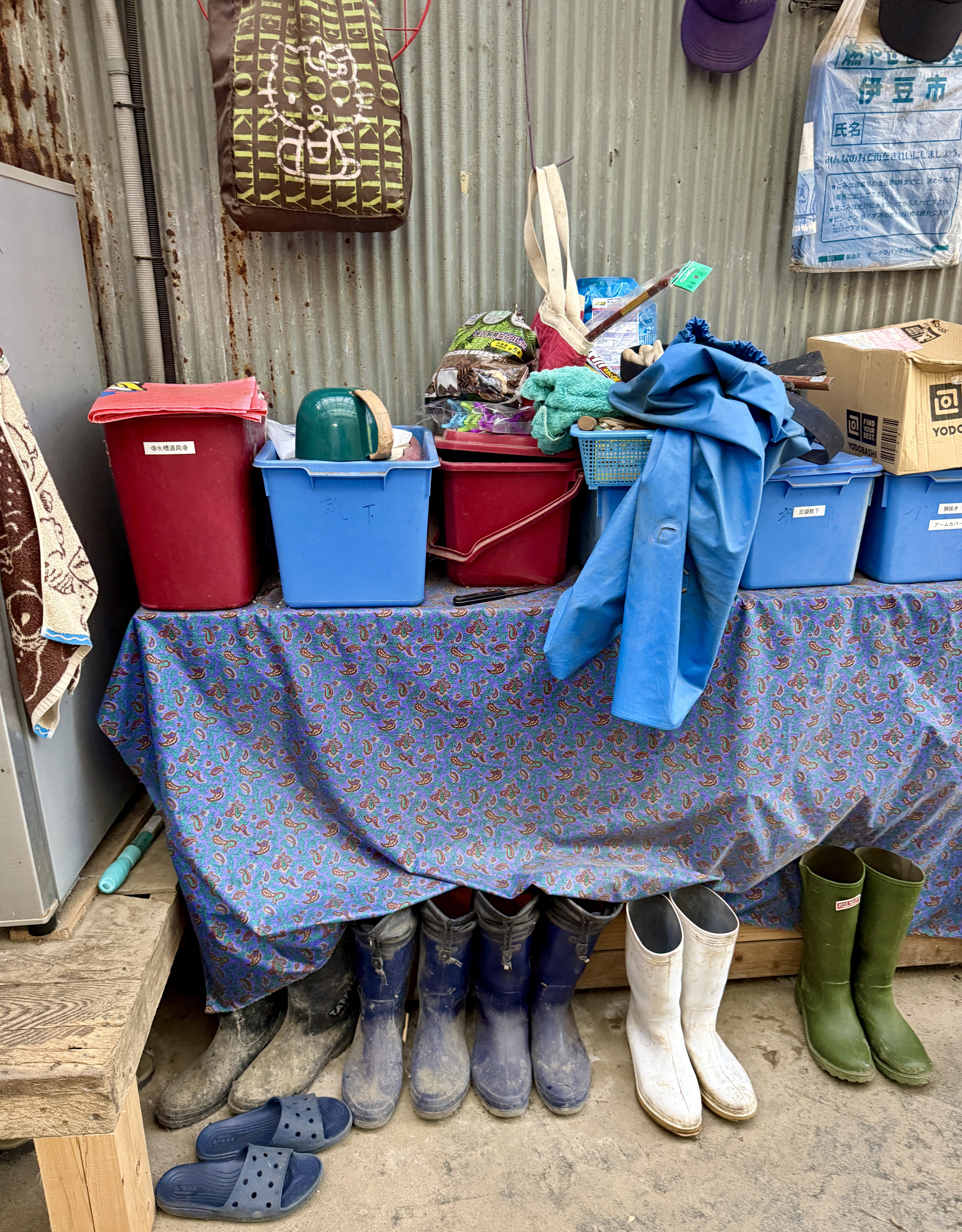
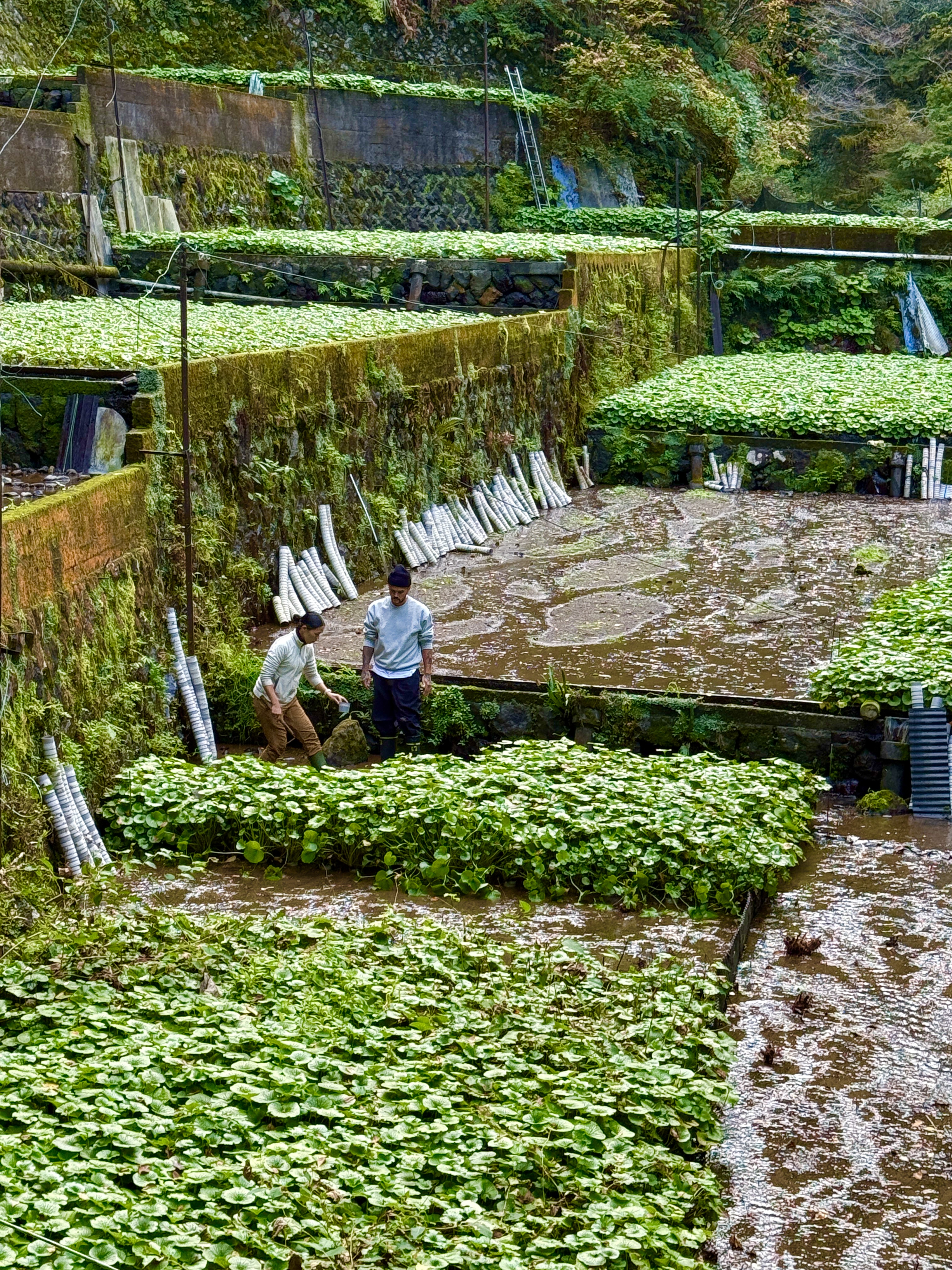
Unlike the larger, more commercialized wasabi farm I’d visited near Matsumoto, this operation was decidedly rustic. And I mean rustic.

We gathered in a rather rickety seating area for an introduction to wasabi cultivation before making our way toward the terraced growing beds. The walk was a little precarious in places, and the terraces themselves were quite small. Calling them fields might be a generous use of the word.

Unfortunately, the language barrier made it difficult to get into the technical details of production, yields, or cultivation methods. But what the visit lacked in agricultural statistics, it more than made up for in hospitality.

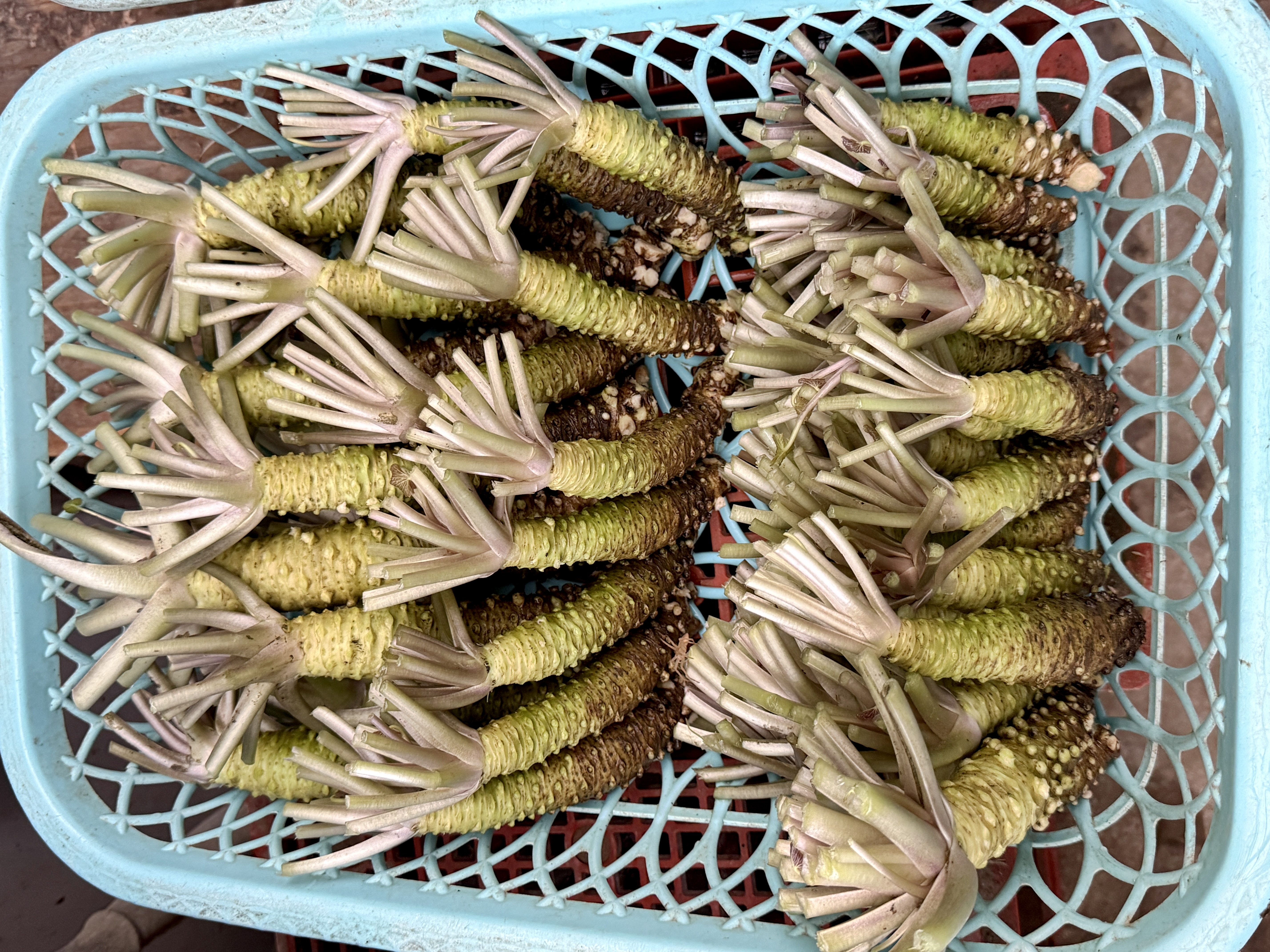
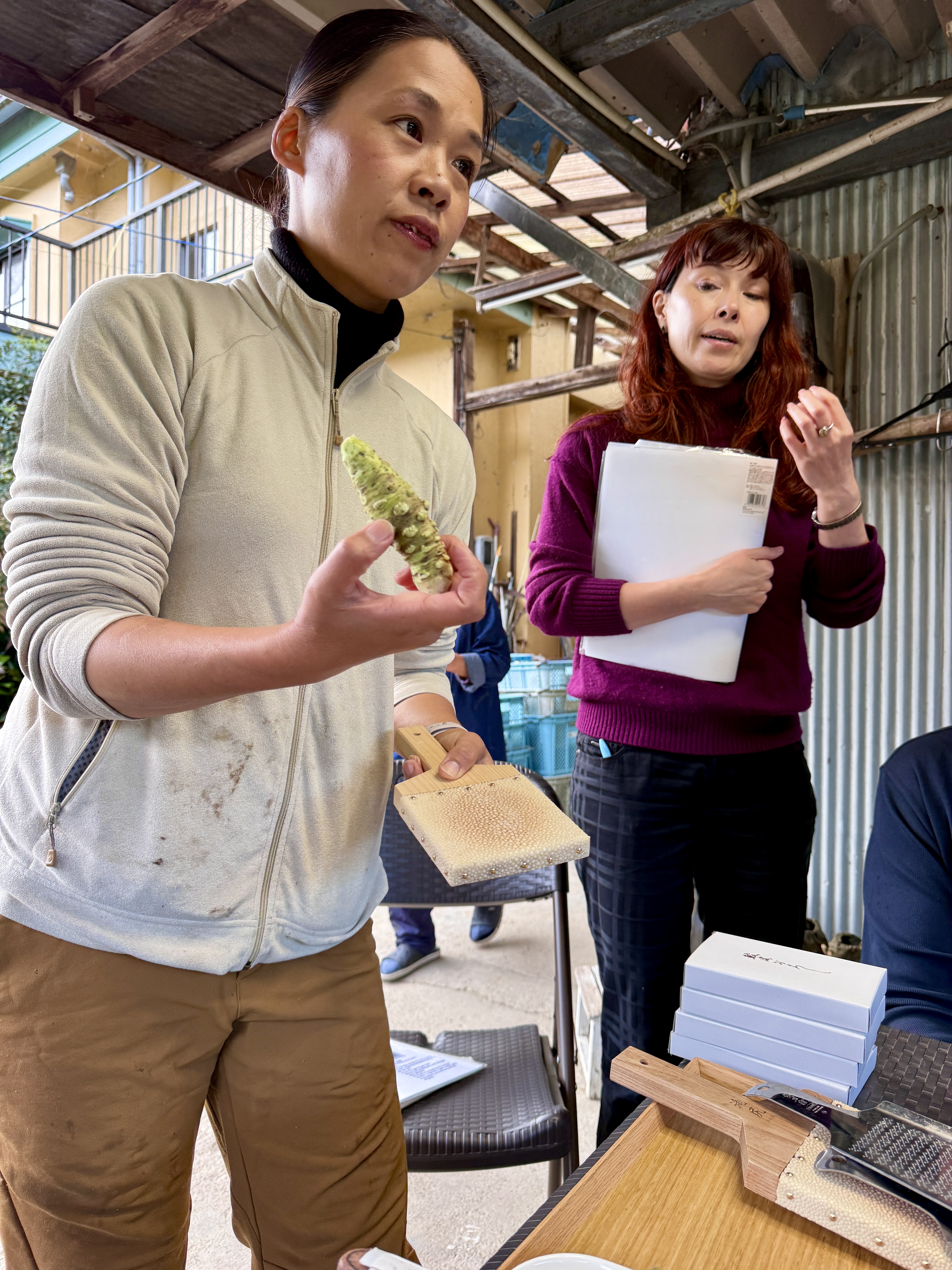
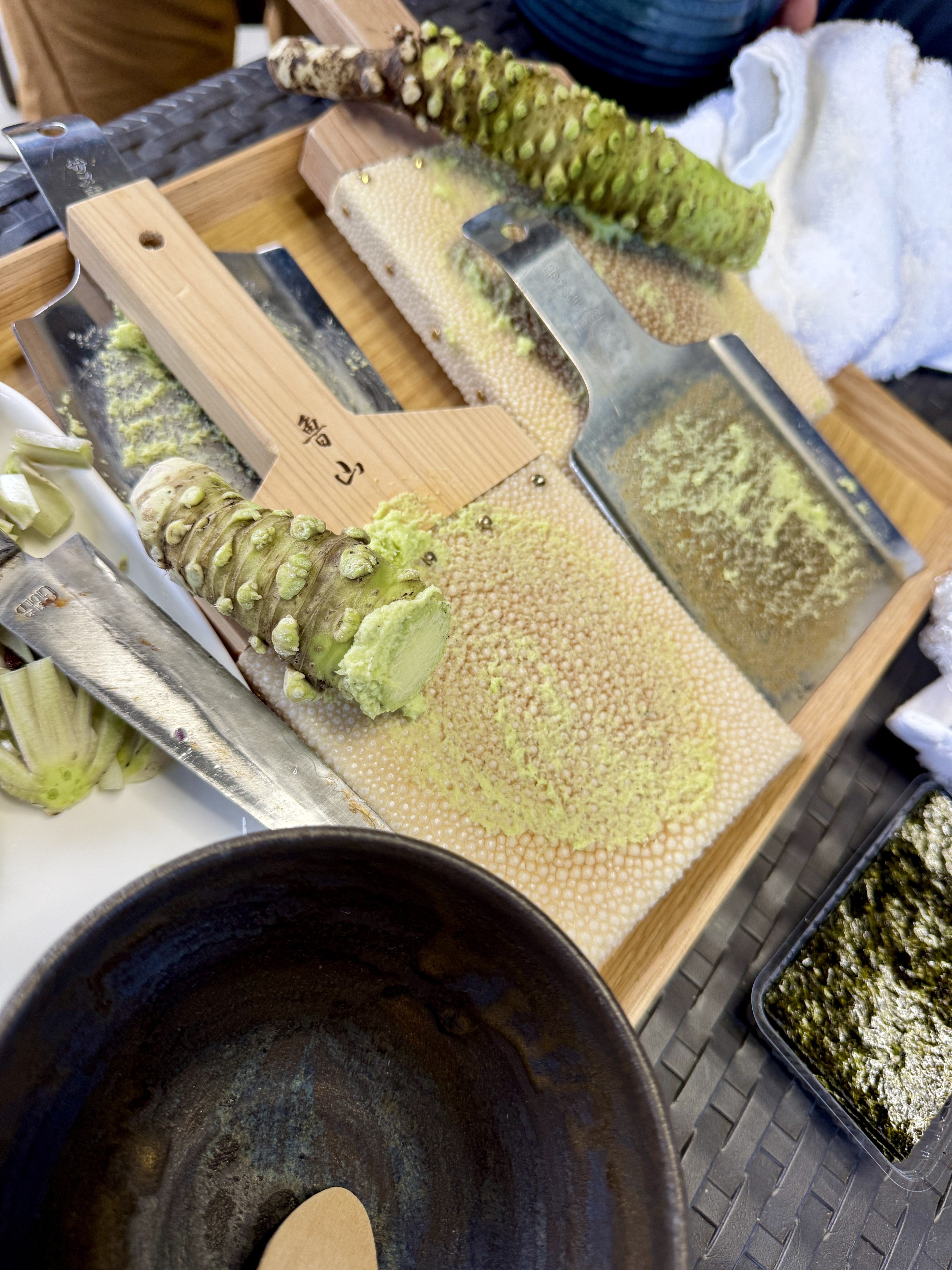
The family was gracious, welcoming, and clearly proud of their work. We saw freshly harvested wasabi rhizomes and the traditional graters used to turn them into that wonderfully pungent green paste.

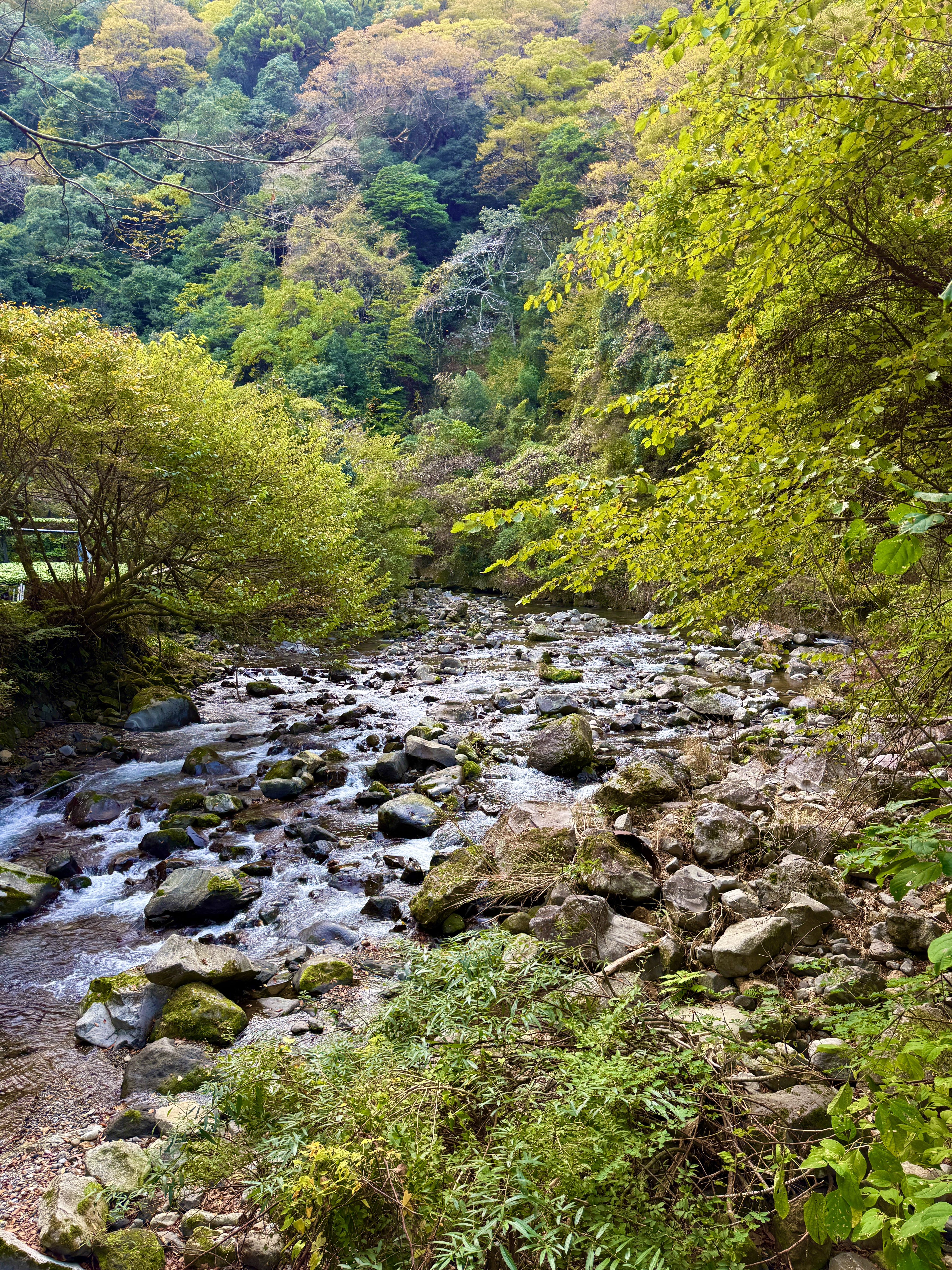
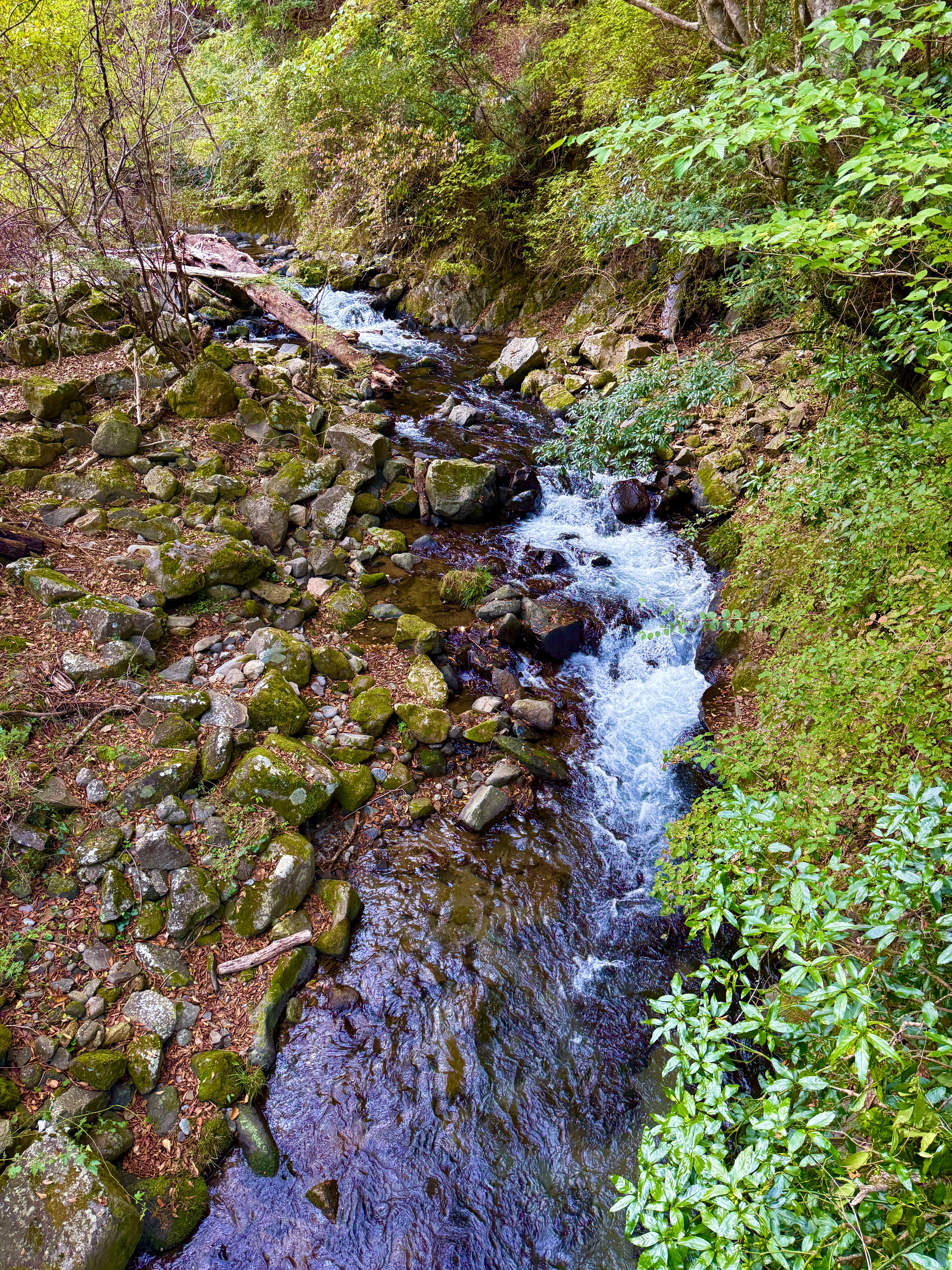
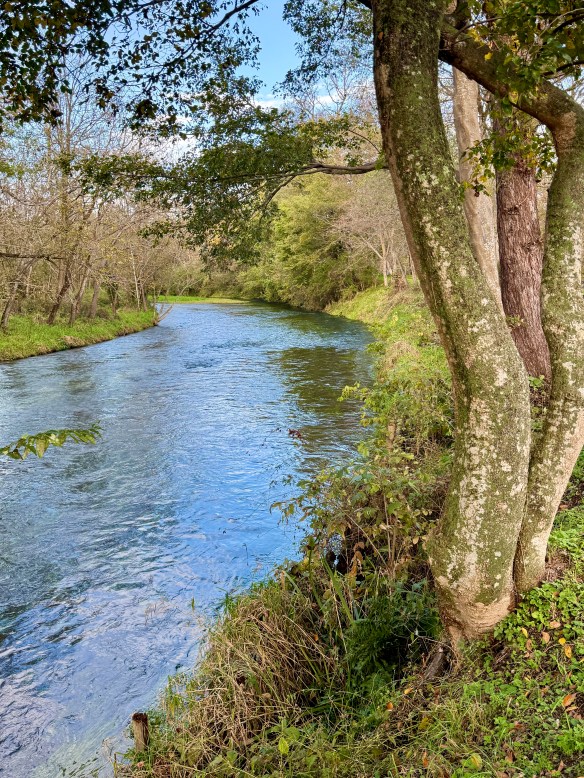
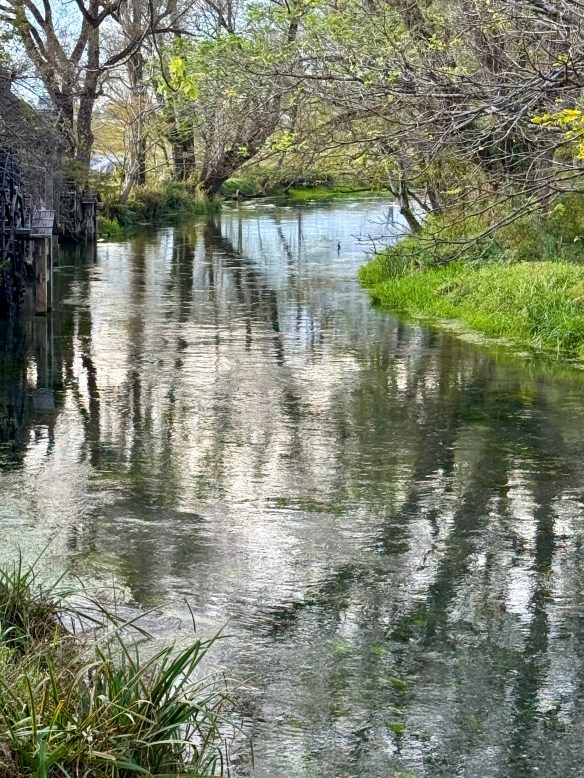
And the setting was beautiful. Clear mountain water rushing over rocks, dense forest climbing the hillsides, and little terraces of wasabi tucked into the landscape.

It was a fascinating contrast to the more polished experience in Matsumoto.

Back Up the Mountain

Then, because apparently we hadn’t had quite enough winding roads for one day, we headed back uphill toward our ryokan.

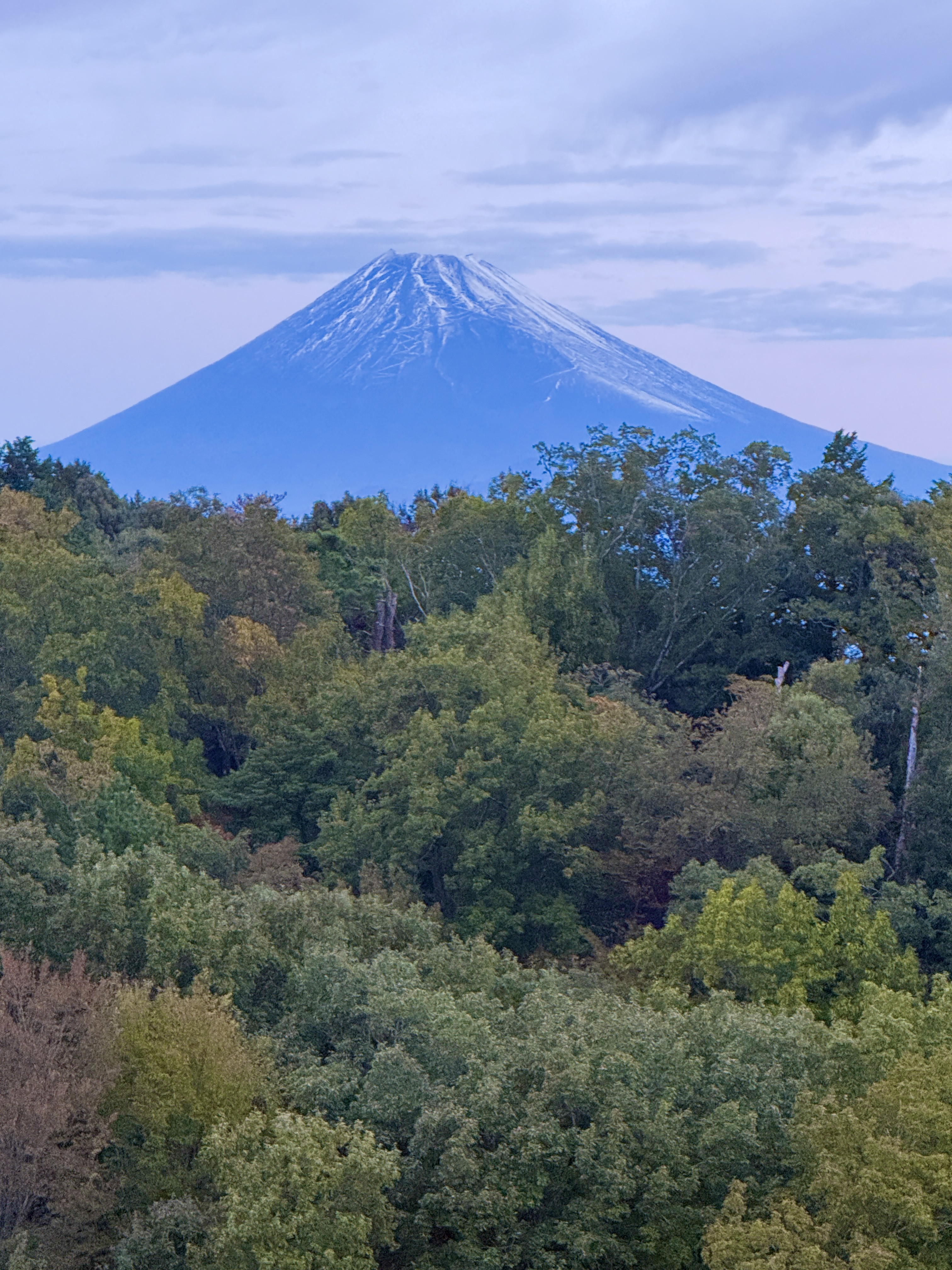
By the time we arrived, darkness had fallen, so I couldn’t yet say much about the surroundings. What I could see looked beautiful.

There was, naturally, another round of confusion about who was staying in which room. Eventually, everyone was dispatched in approximately the correct direction.

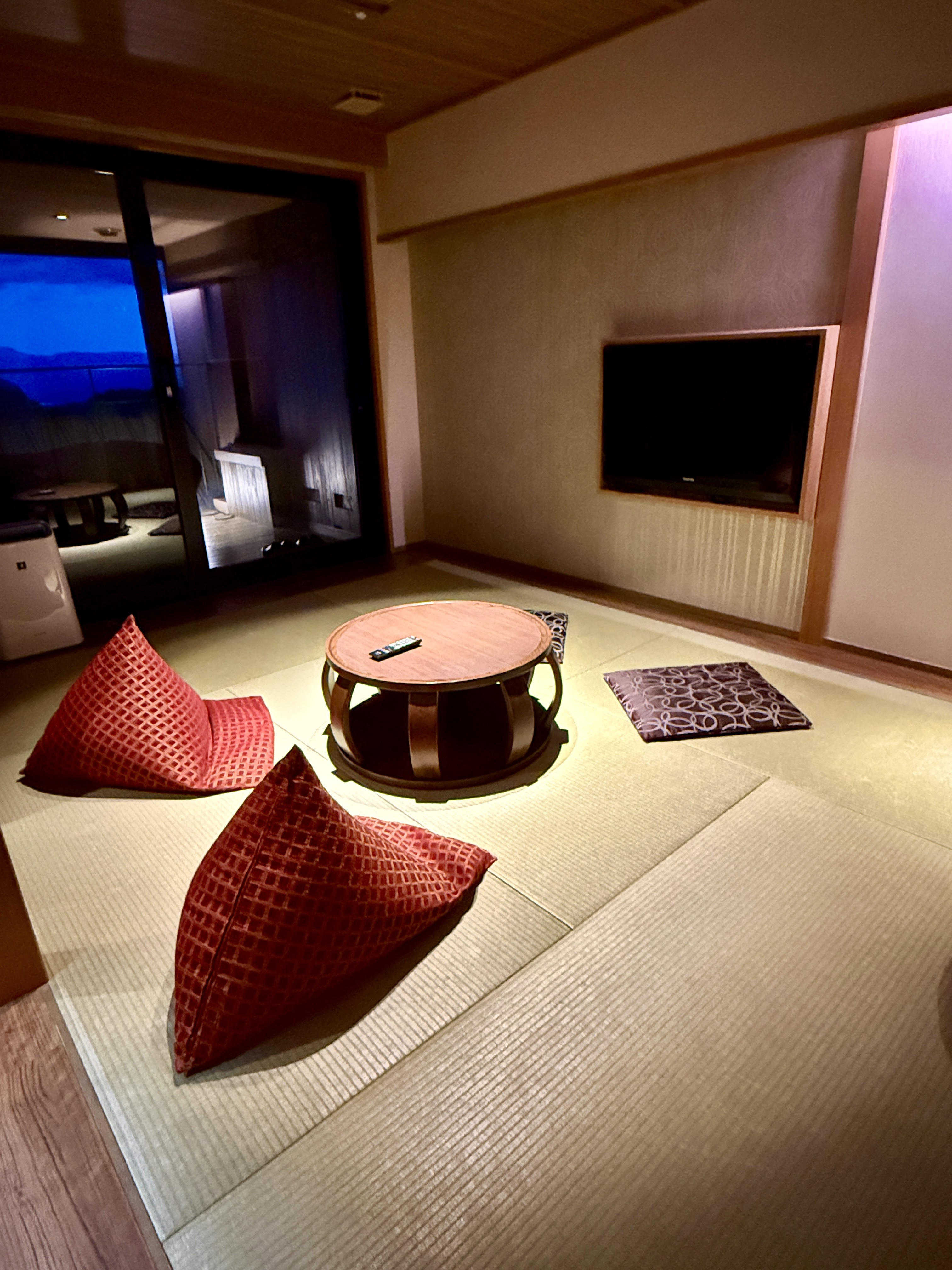
My room is traditional Japanese in style, with tatami flooring, a low table, enormous red floor cushions, and a private onsen.

The onsen was particularly lovely. No concerns about tattoos, no negotiating communal bathing etiquette, just a wonderfully hot bath all to myself.

The lighting, however, was another matter entirely.

Everything was labeled in Japanese, and I had absolutely no idea which switch controls which light. I pressed buttons with increasing determination. Things happened . Just not necessarily the things I intended.

A Room with a View—and a Challenge

Those enormous red floor cushions in my private room apparently serve as chairs. They’re quite striking, but as a somewhat out-of-shape 60-year-old, I have to wonder how gracefully I’m expected to get down into one of these things, let alone get back up.

It’s given me an entirely new appreciation for generations of elderly Japanese people who have spent their lives sitting, kneeling, and rising from the floor. Those folks stayed fit!

As for tonight’s traditional Japanese dinner, I have absolutely no idea what the seating arrangements will be.

I’m really hoping for chairs. Actual chairs. With legs. Because ten minutes on the floor is about my limit.

We shall see.

Tsukiji Market, a Rogue Bidet, and Sixteen Backpacks

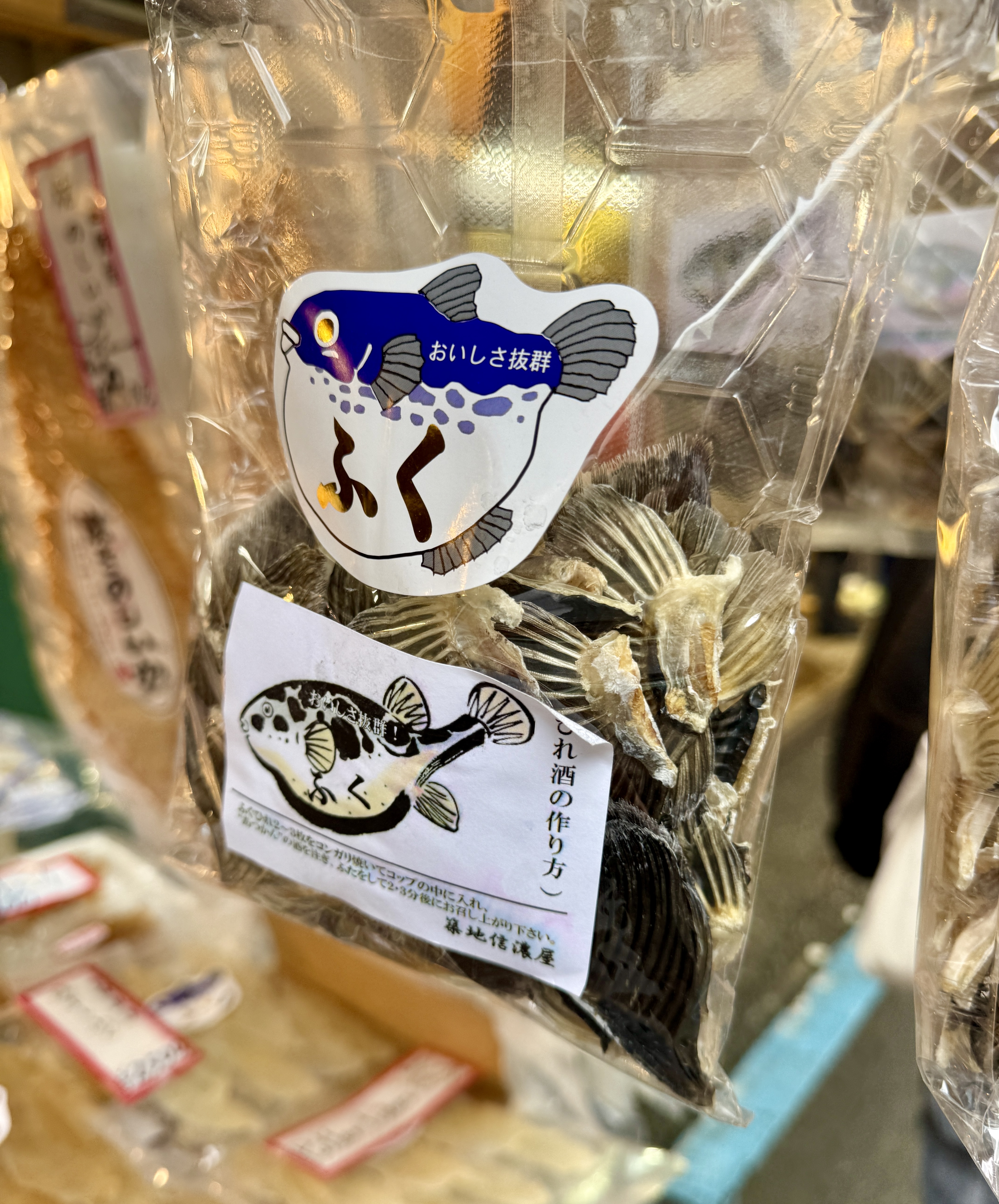
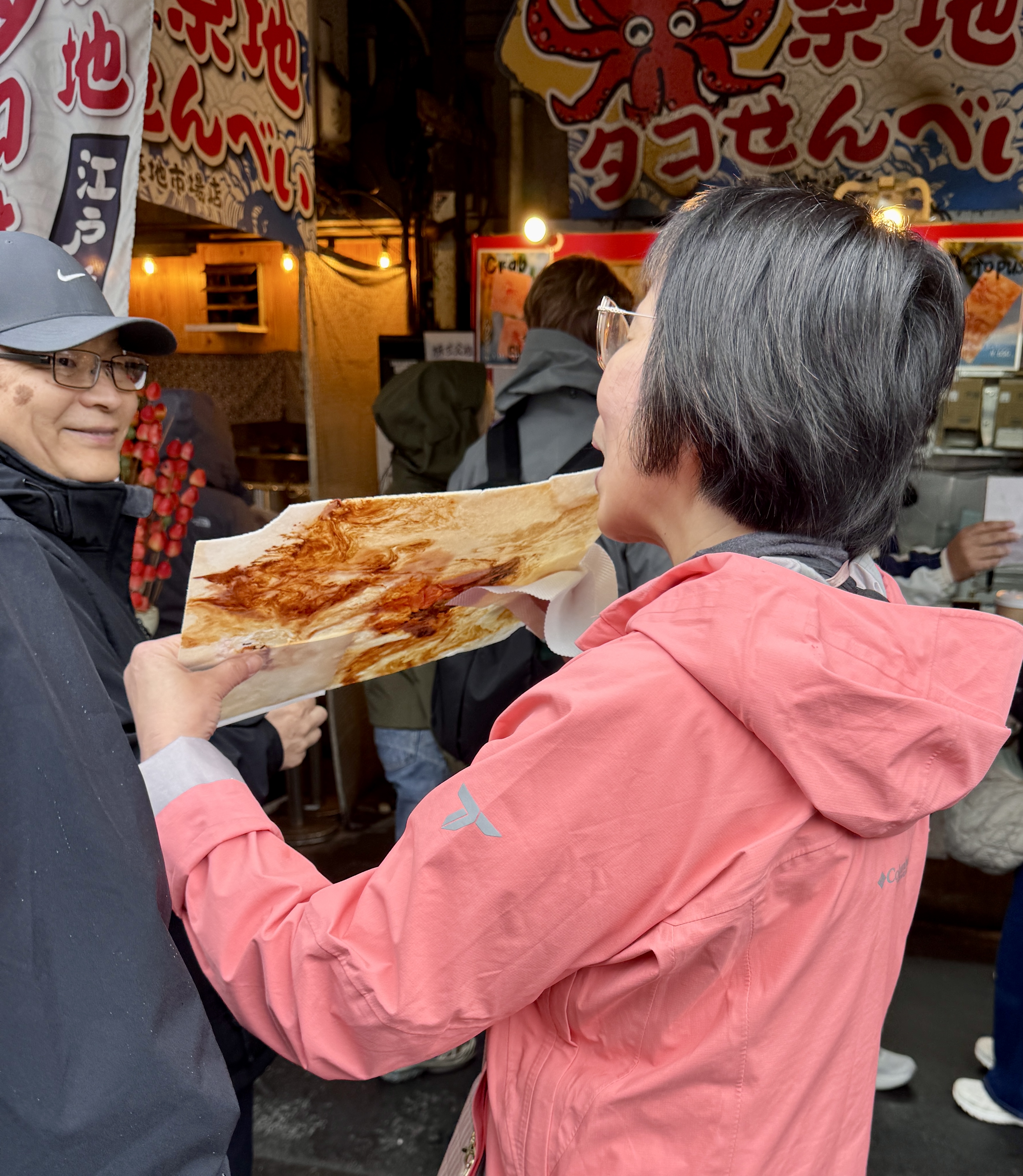
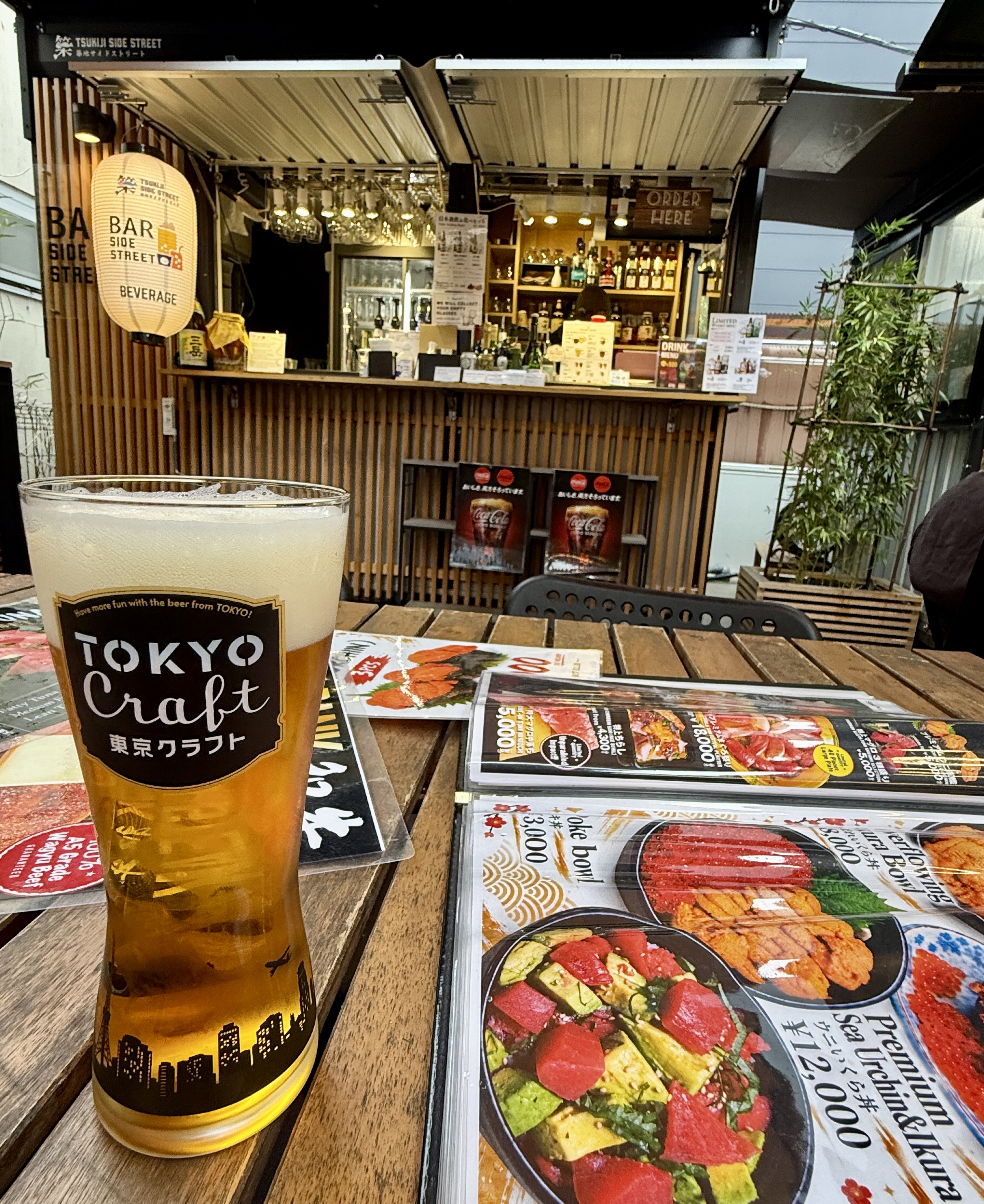
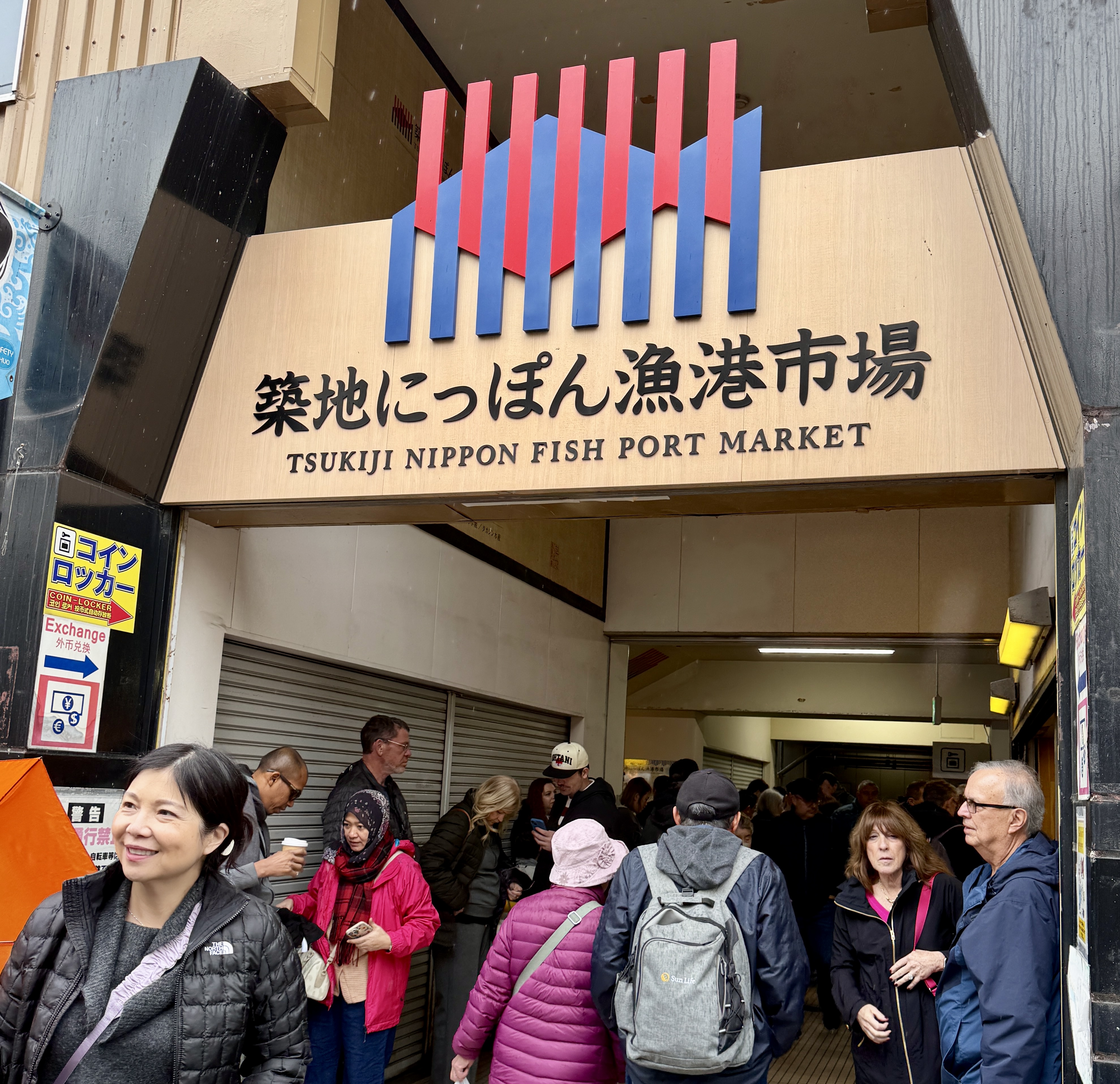
The morning began at Tsukiji Outer Market, where I enjoyed a breakfast beer and an unexpected adventure in a public restroom. Upon sitting down, I was serenaded by birdsong and the gentle sound of running water. Very zen. Until I tried the bidet, which promptly went rogue and power-washed my lower back instead of my booty. Good times in Tokyo.

From the market, we wandered through Tokyo’s streets, popping into small specialty shops filled with beautiful wares. The shops were charming, immaculate, and decidedly not designed to accommodate sixteen tourists, most wearing backpacks. Watching us attempt to negotiate the narrow aisles without knocking over something precious was an exercise in spatial awareness. And diplomacy.

Lunch was at a welcoming little restaurant tucked away from the tourist trail. Our group took over the entire upstairs floor, which was probably just as well. It kept us noisy Westerners safely separated from the regulars downstairs. The food was delicious, the hospitality gracious, and it was a pleasure to enjoy a meal somewhere that felt genuinely local.

After lunch, the group headed to Kappabashi Street, Tokyo’s famous kitchenware district. I decided to give that excursion a miss. A street lined with knives, ceramics, and cooking gadgets is a dangerous proposition for someone like me. I could easily have emerged with a suitcase full of things I absolutely do not need.

Besides, I’ve decided to save my Japanese knife shopping for Osaka, the final stop on my journey. Much easier than hauling sharp objects halfway across Japan.

Sometimes restraint is the better part of shopping. Who knew?

Finger Hearts and a Mouthful of Nori

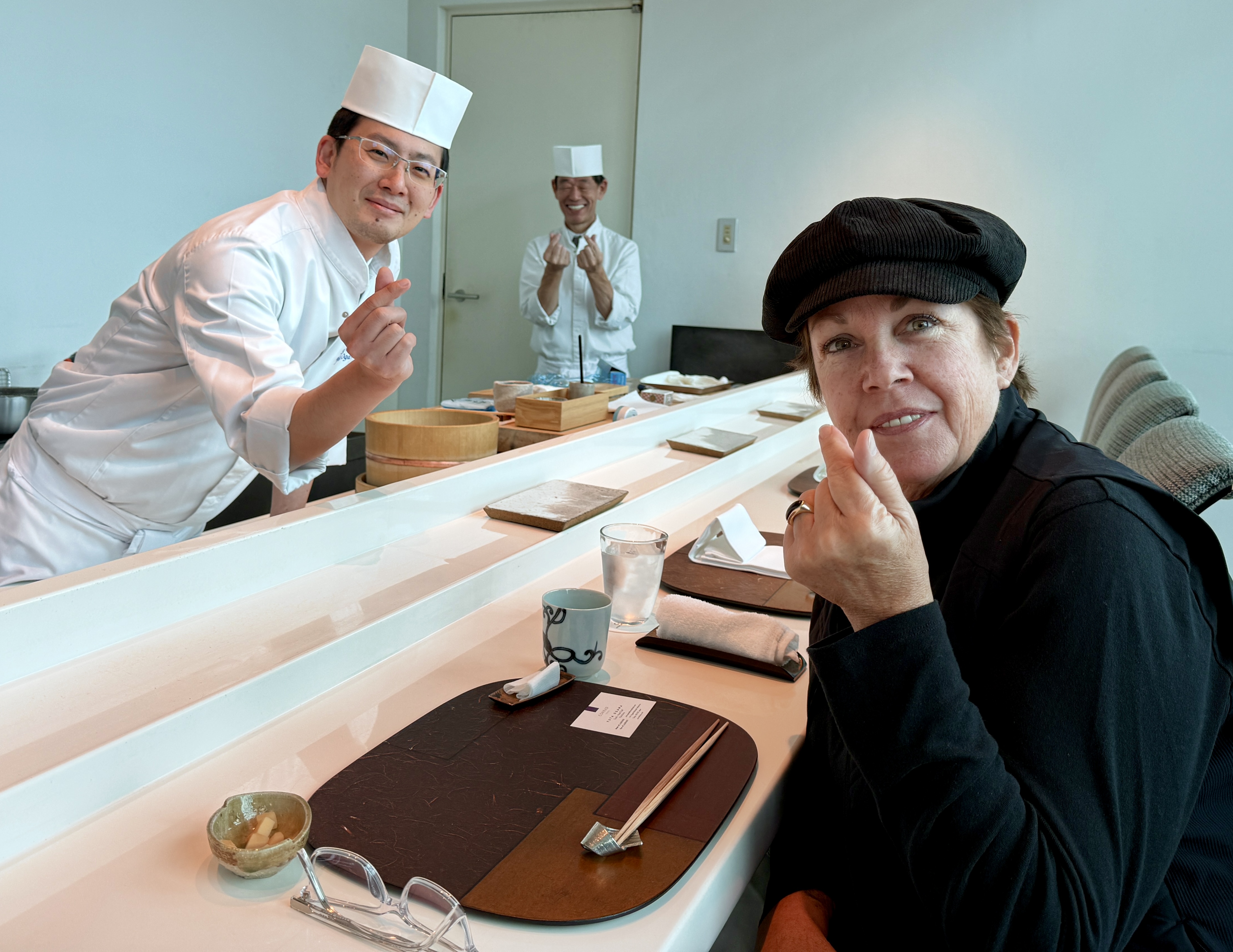
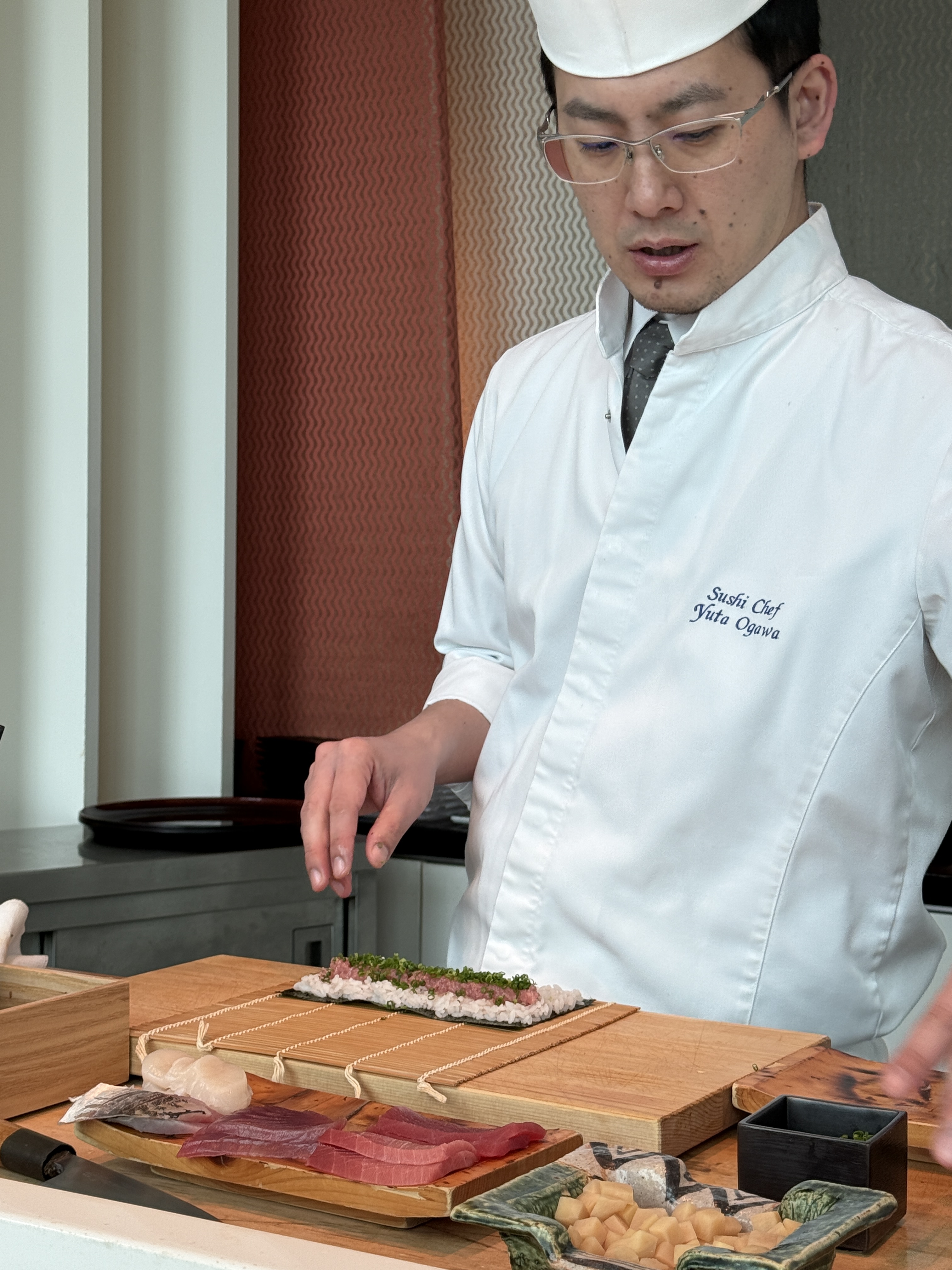
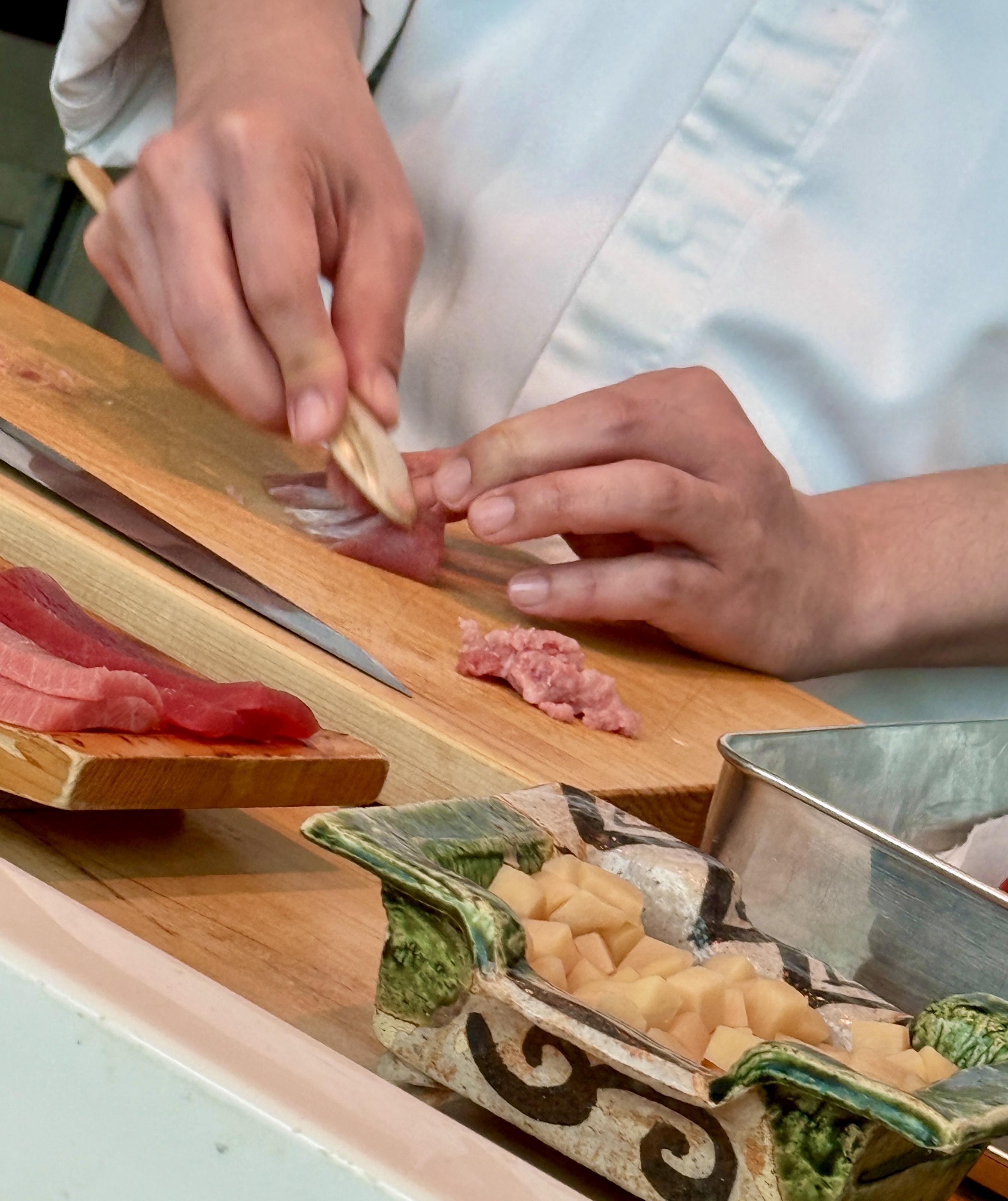
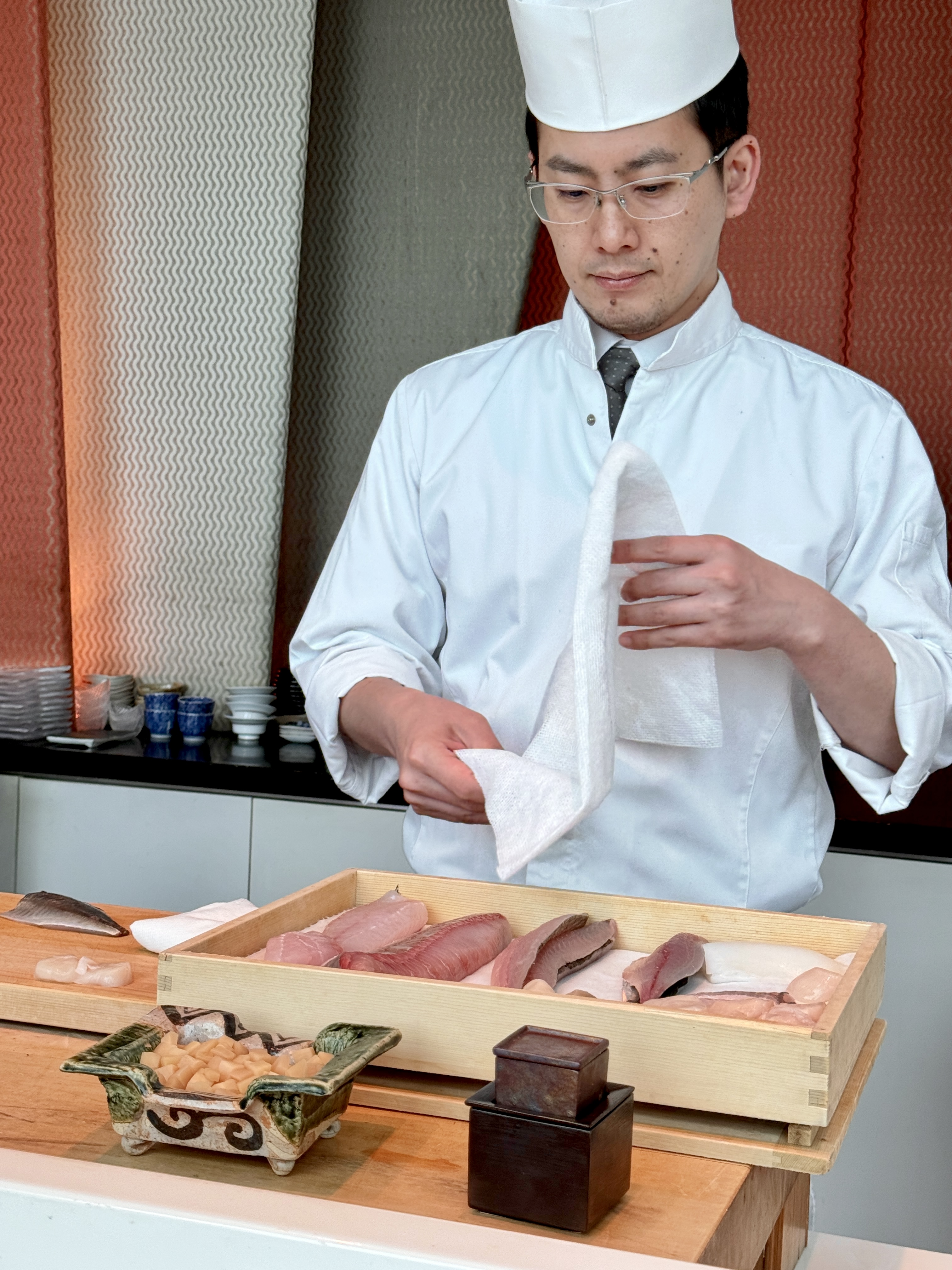
Today I treated myself to lunch at the intimate sushi counter at the Conrad Tokyo. Just me, the sushi chef, his assistant, and a rather nice glass of Japanese wine.

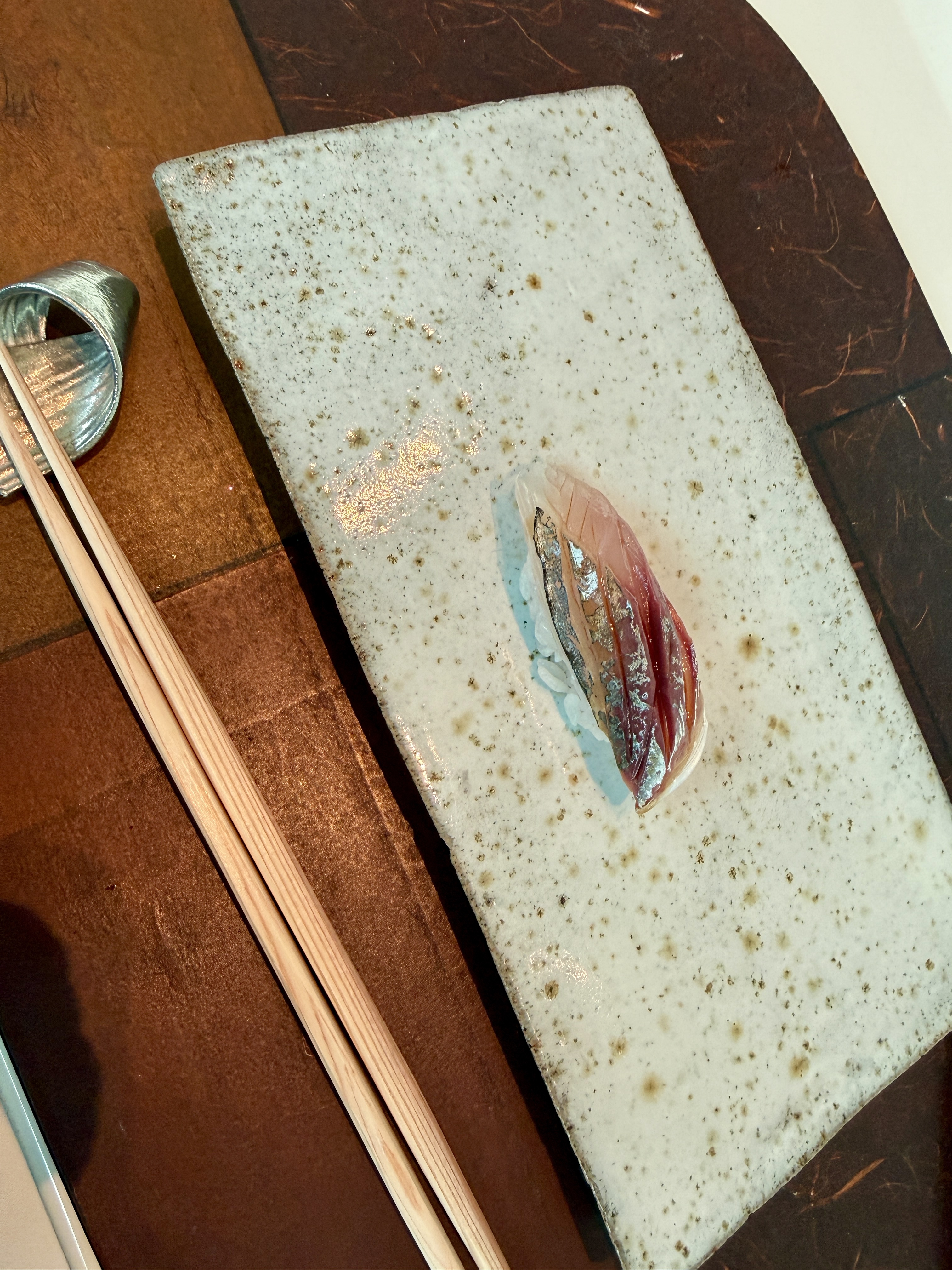
The chef spoke English, thankfully, and since I know my way around most sushi and sashimi, I ordered à la carte. Uni (sea urchin), hotate (scallop), saba (mackerel), sake (salmon)—all the good stuff.

For a while, I had the counter entirely to myself. Then two Japanese women, perhaps in their forties, arrived and sat beside me.

We mostly kept to ourselves, enjoying our respective lunches, until they struck up a conversation.

“Where are you from?”

“America.”

A few pleasantries followed, along with the mistaken impression that I could speak Japanese. Oh, hell no. My Japanese vocabulary is largely limited to food, thank you, and a few expressions of gratitude.

Somehow, we progressed from conversation to photographs. First, a picture with the chef and his assistant. Then the women wanted a photograph of the three of us together.

They also taught me how to make a little finger heart by crossing my thumb and index finger. Apparently, it’s a popular gesture of affection and friendship. How sweet is that?

The assistant chef, who had remained fairly quiet throughout lunch, turned out to be quite the character. In our photograph, he’s standing in the background, grinning from ear to ear and making TWO finger hearts. Clearly, he had been saving up his personality for the camera.

The women were absolutely delightful. What began as a quiet solo lunch had turned into one of those unexpected encounters that make traveling alone so rewarding.

We said our goodbyes, exchanged smiles, and I returned to my room feeling rather pleased with the afternoon.

I even remembered my purse.

And then I looked in the mirror.

NORI. EVERYWHERE.

Black seaweed plastered across my teeth. Not a discreet little fleck tucked away in a molar. Oh, no. I looked as though I’d been chewing on a compost heap.

Now, apparently, the proper way to eat sushi is in one bite. Which I did, religiously. No dainty nibbling, no dissecting the chef’s beautiful creations. Just pop the whole thing into your mouth, chew appreciatively, and swallow.

Unfortunately, nobody mentioned that the nori might remain attached to my teeth for the rest of the afternoon.

And I’d been eating gunkan-maki, those little battleships of rice wrapped in seaweed and topped with delicacies like uni. As it turns out, they’re practically engineered to sabotage your dental appearance.

So there I was, conscientiously observing Japanese sushi etiquette, while apparently cultivating an entire seaweed farm between my teeth.

And suddenly I remembered all those photographs. All those smiles. All those lovely people who had been smiling right back at me.

Good God.

Somewhere in Tokyo, two delightful Japanese women may now have photographic evidence of an American tourist with a mouthful of seaweed, enthusiastically making finger hearts.

At least my heart was in the right place.

Even if the nori wasn’t.

Tokyo, Matsumoto & Chino

When I imagined Tokyo, one of the most populous metropolitan areas in the world, I expected chaos. Lots of it.

I pictured something along the lines of New York City on steroids. Horns honking, people shouting, cars cutting each other off, and sidewalks overflowing with humanity.

Instead, I found something quite different.

For a city of this magnitude, Tokyo was remarkably quiet and orderly. Traffic moved without the usual symphony of car horns, pedestrians seemed to know exactly where they were going, and the general atmosphere was surprisingly calm.

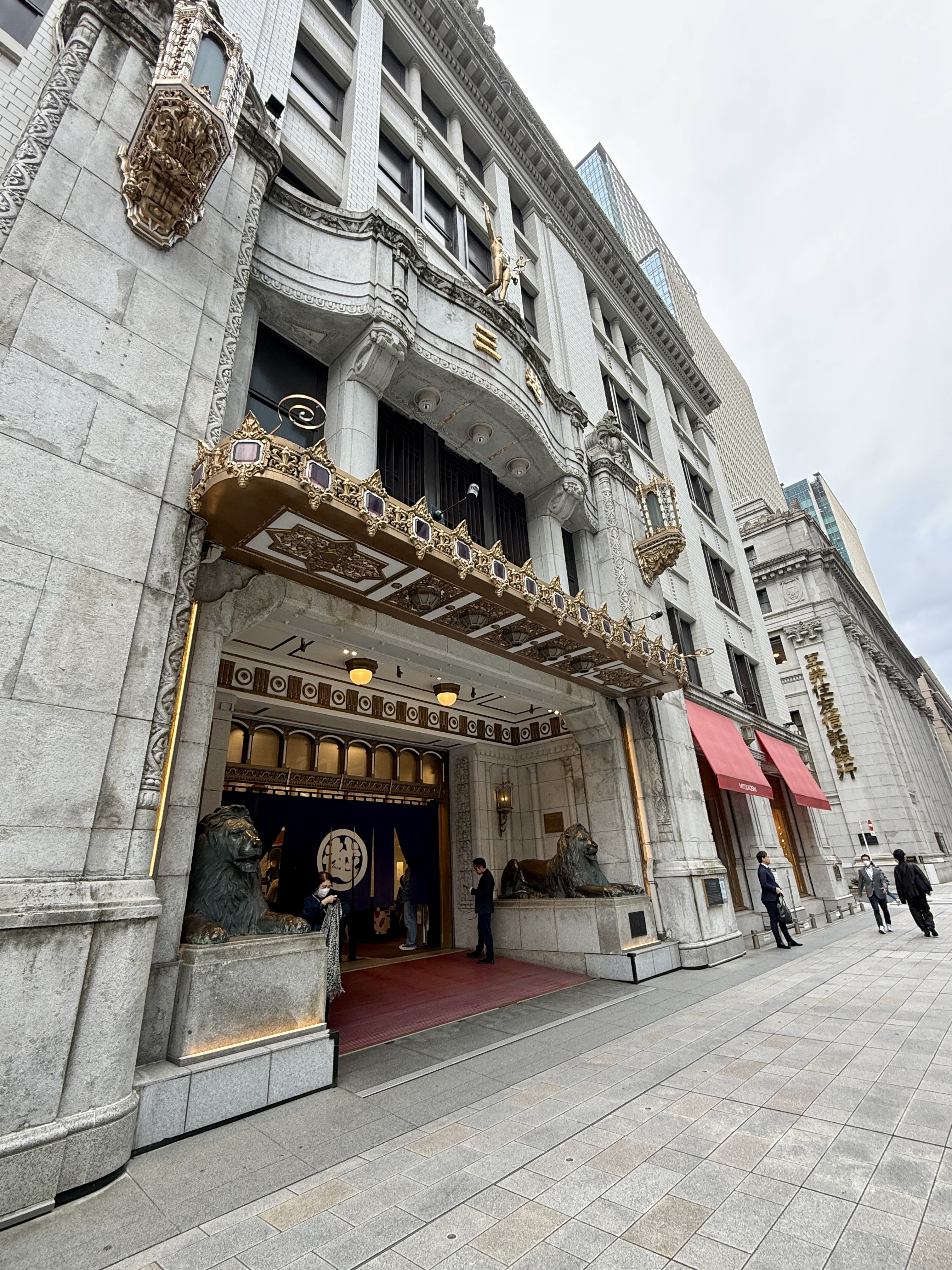
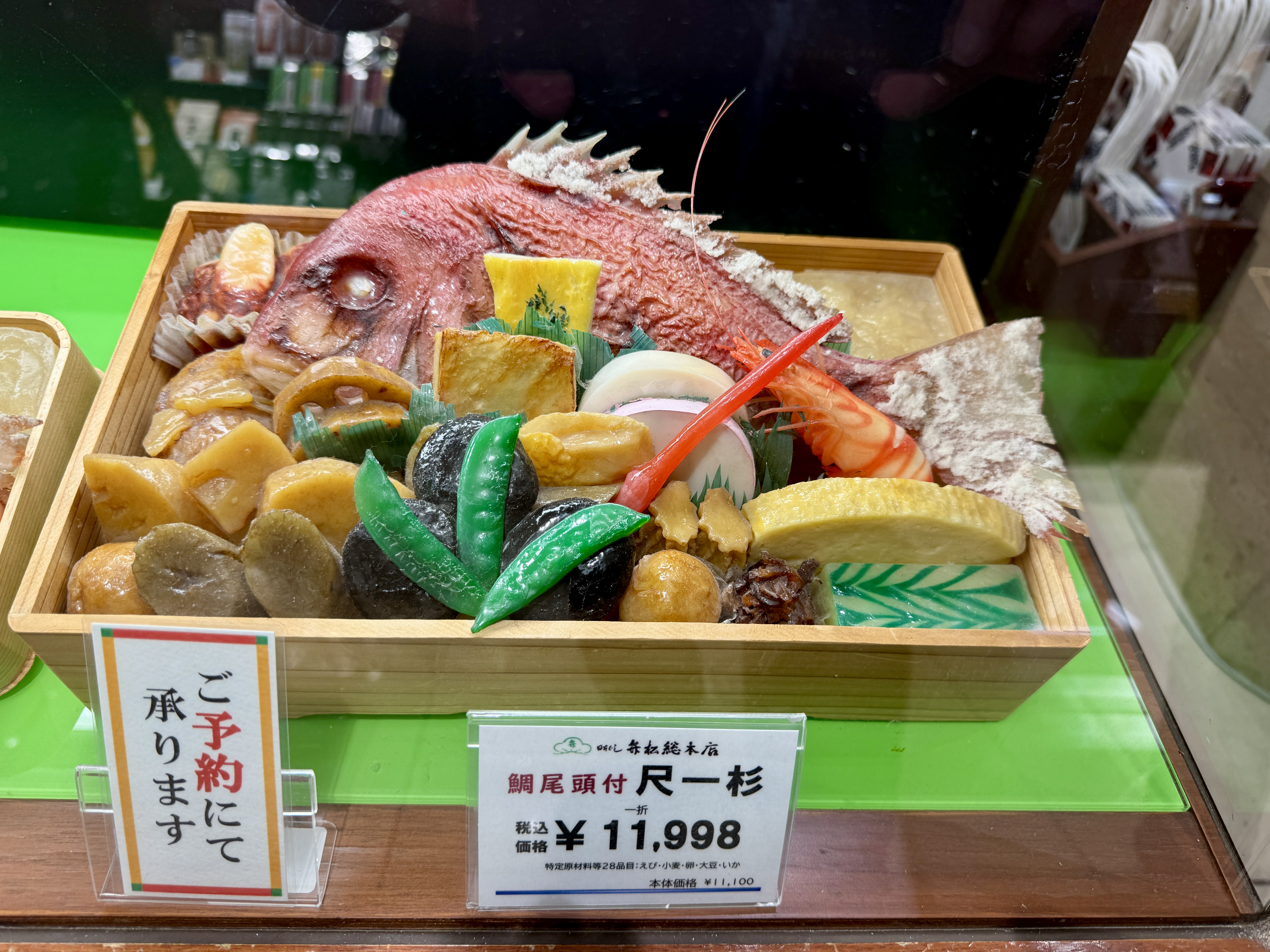
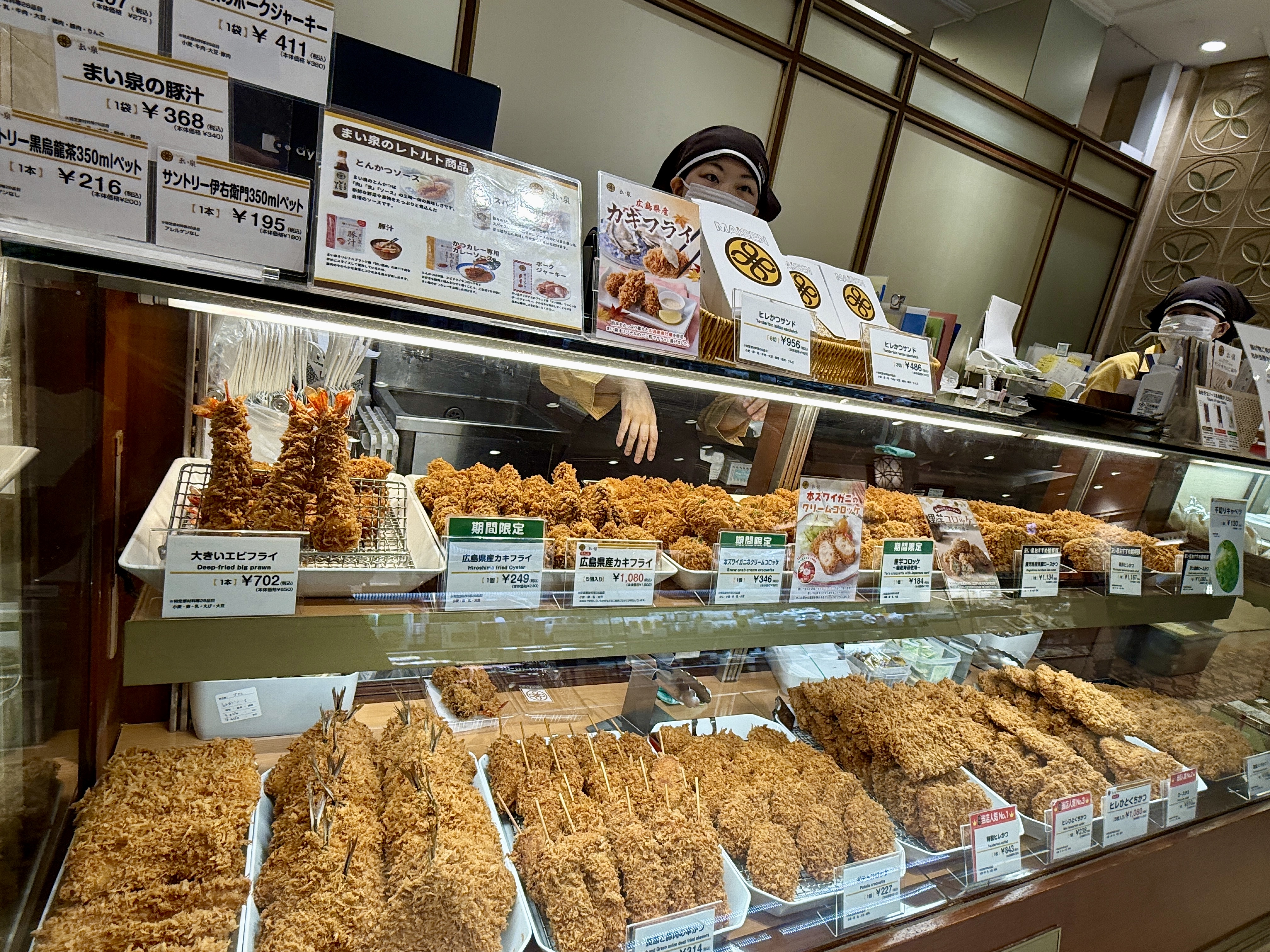
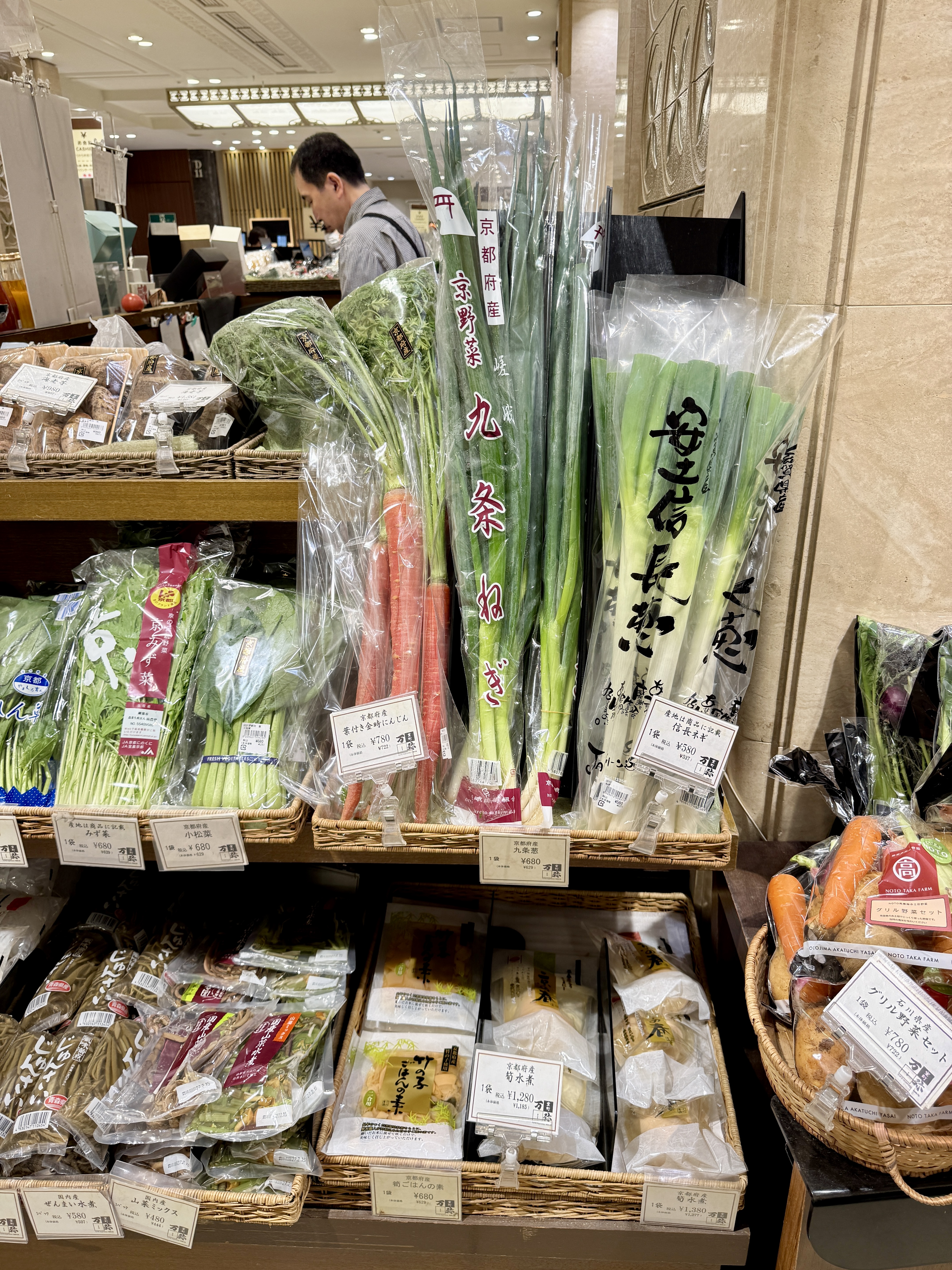
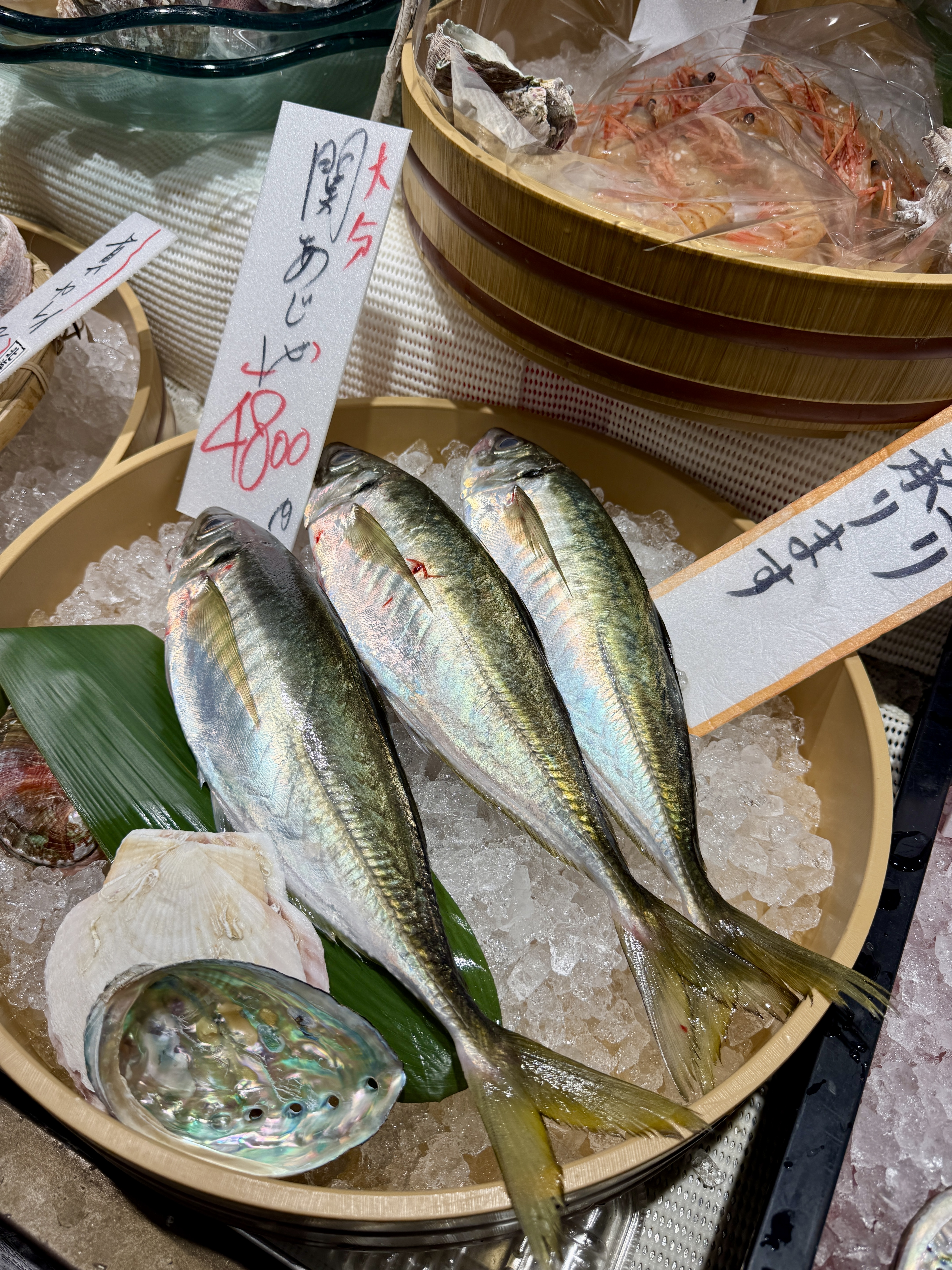
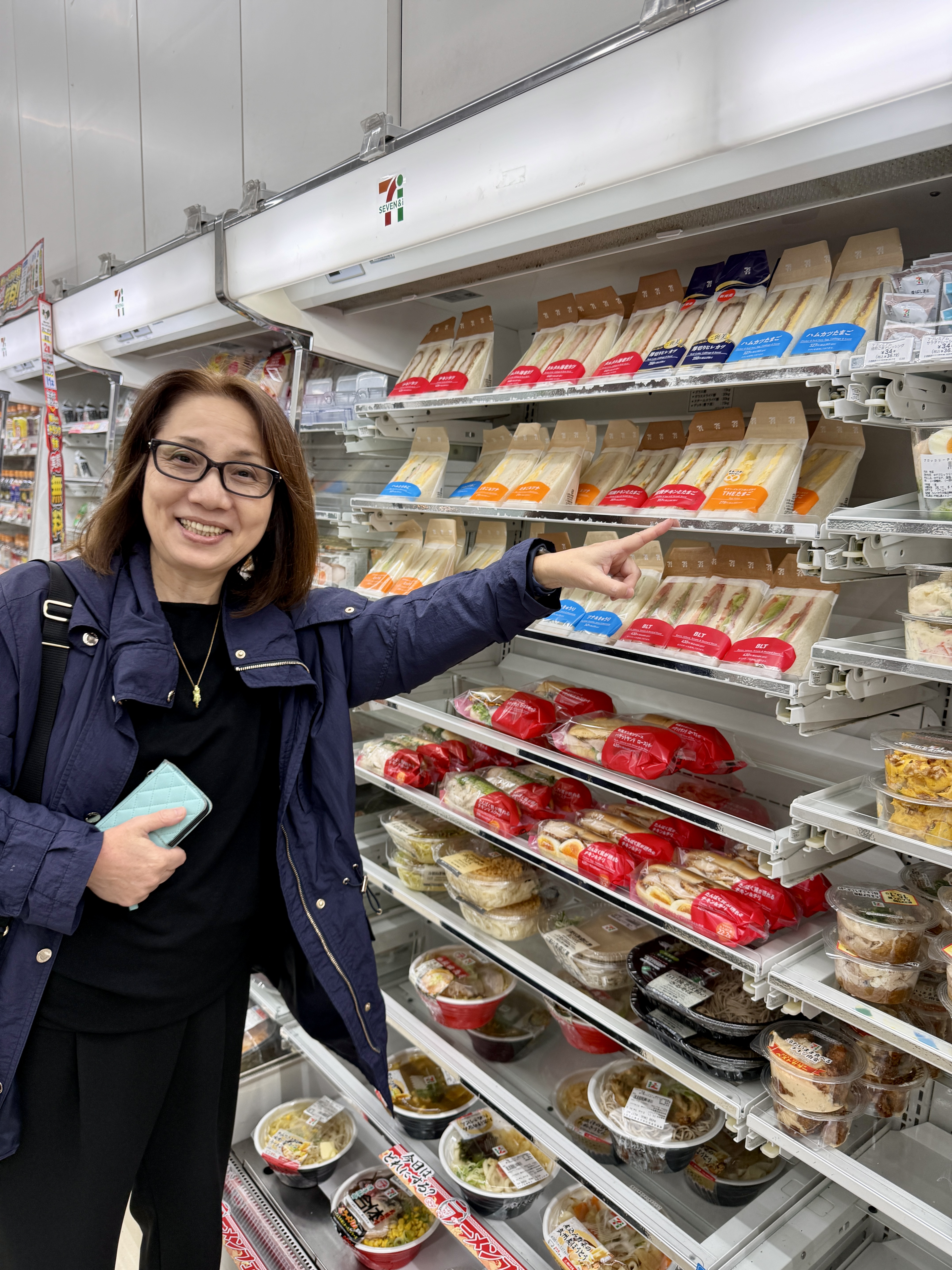
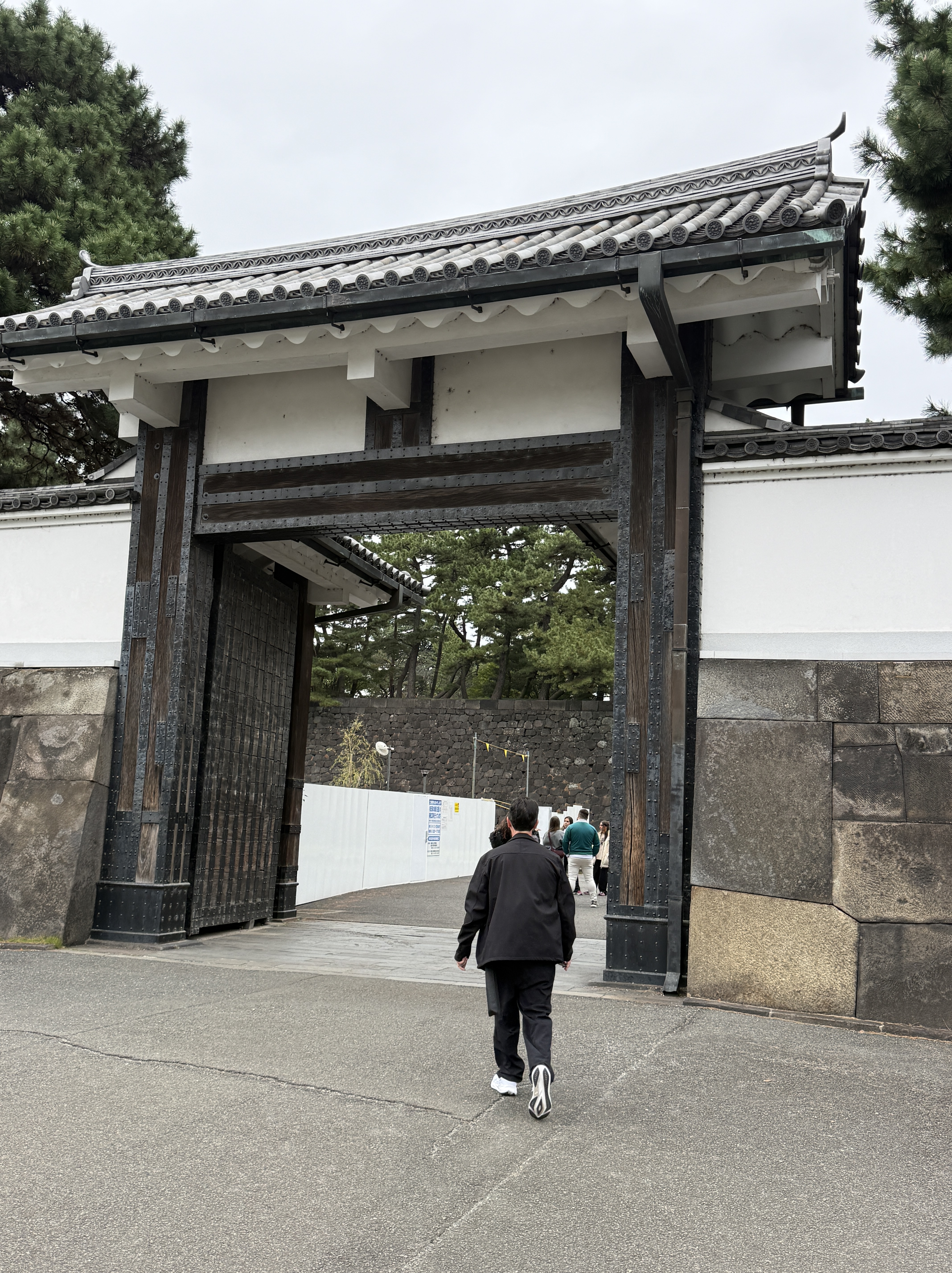
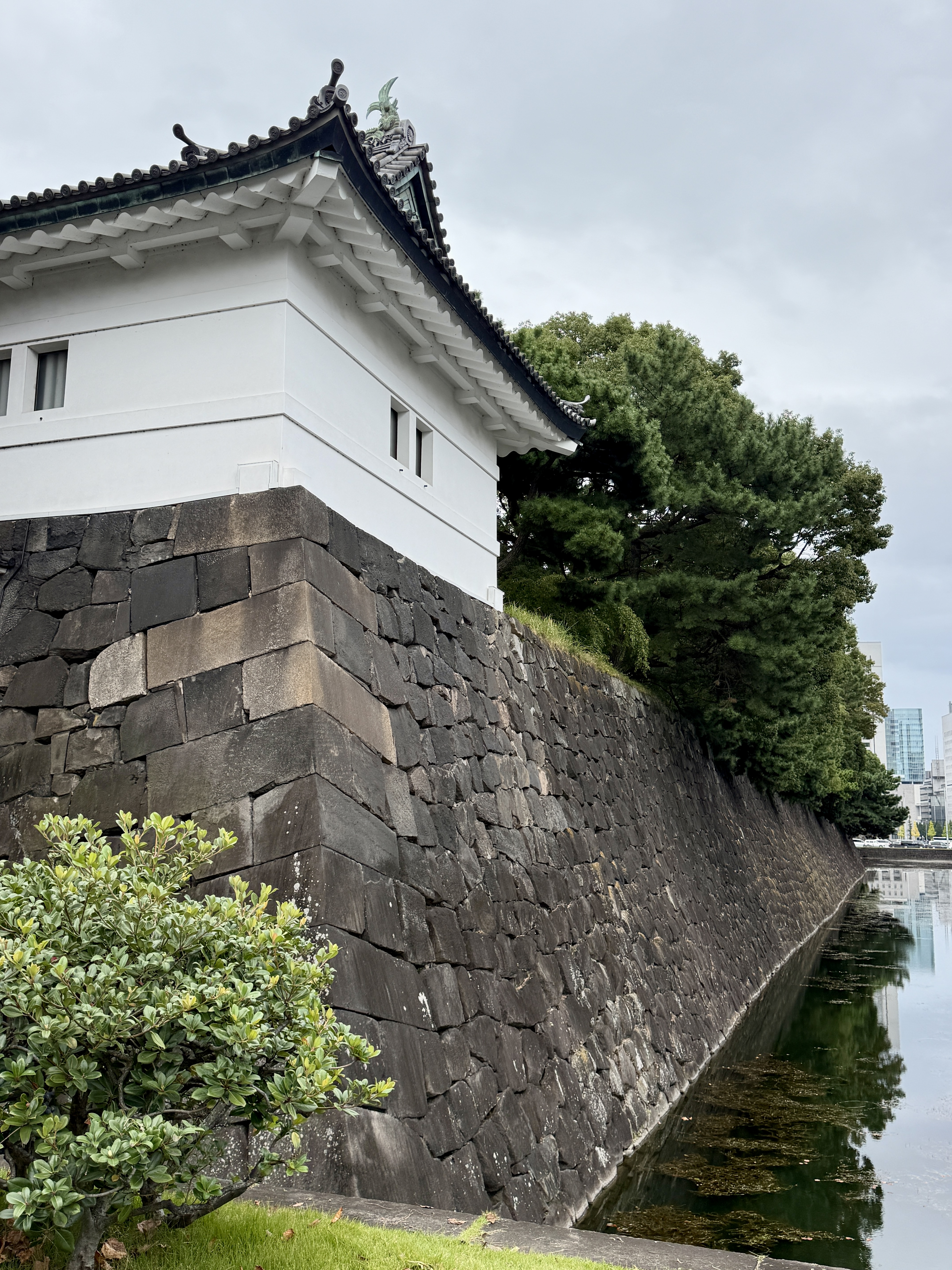
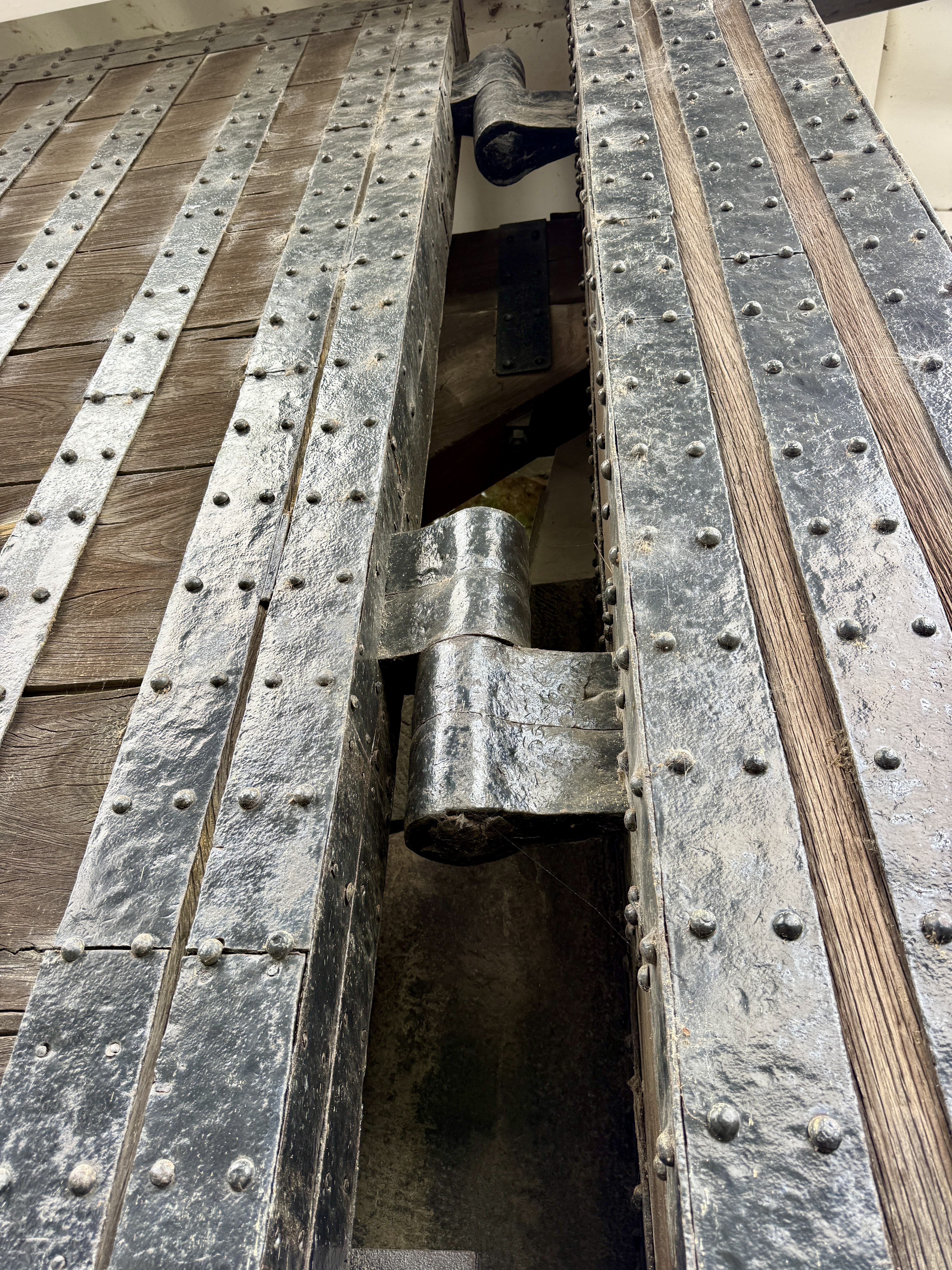
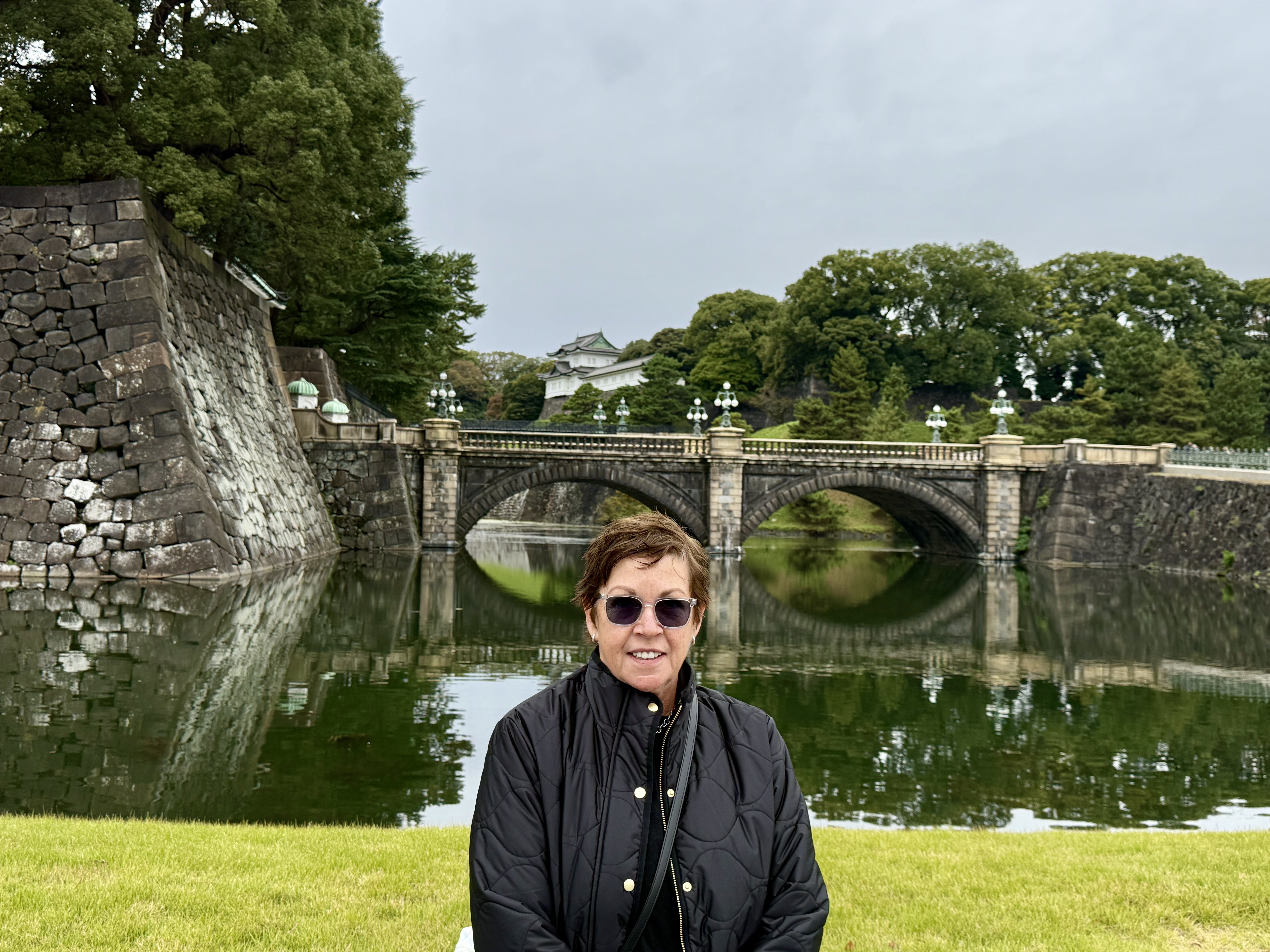
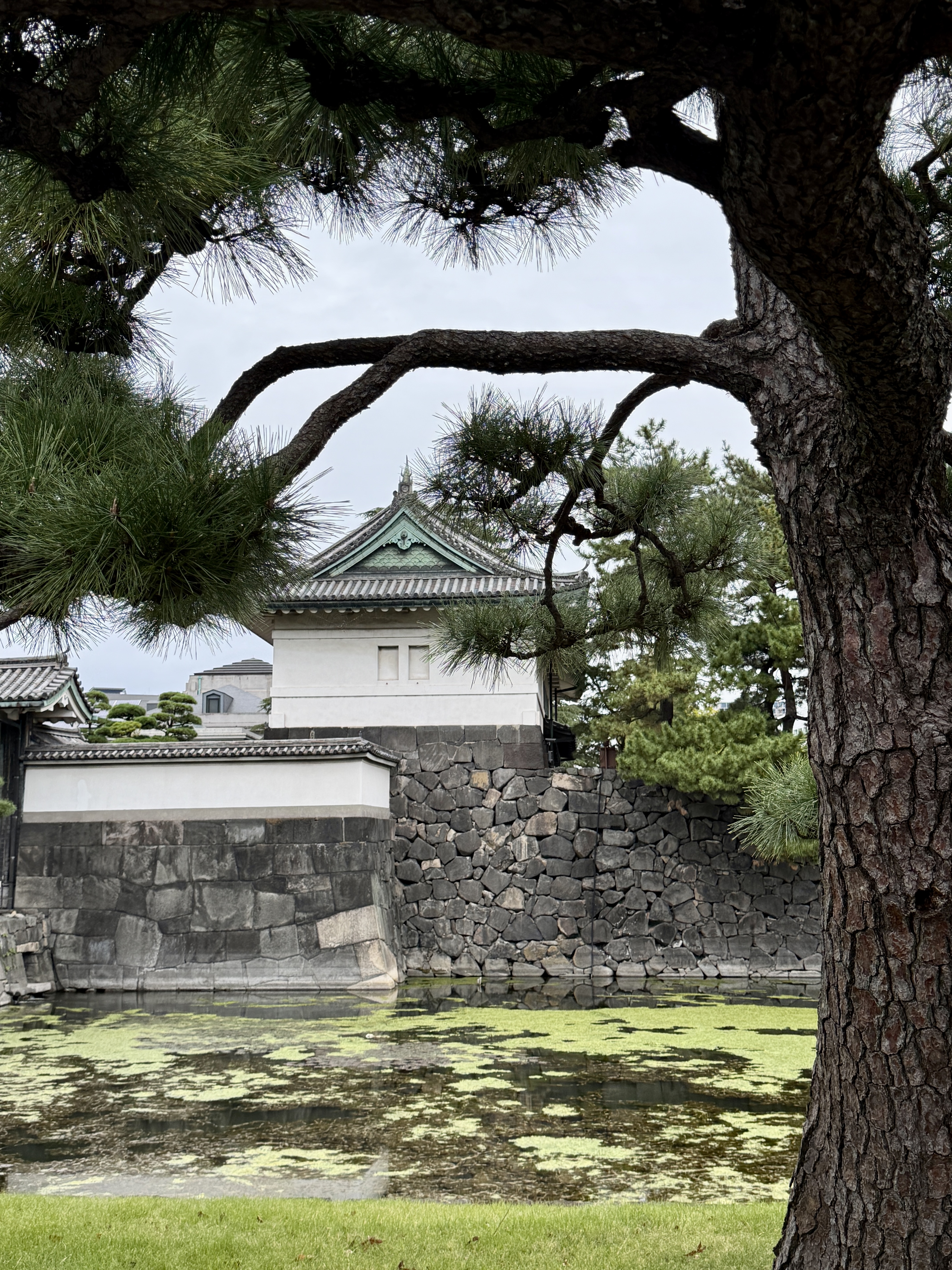
One of the things I enjoyed most was the juxtaposition of old and new, traditional and downright funky. One moment I was marveling at the beautifully presented foods in the basement of the Nihonbashi Mitsukoshi department store or the seemingly endless offerings at a Japanese 7-Eleven. The next, I was exploring centuries of history at the Imperial Palace, on the former site of Edo Castle.

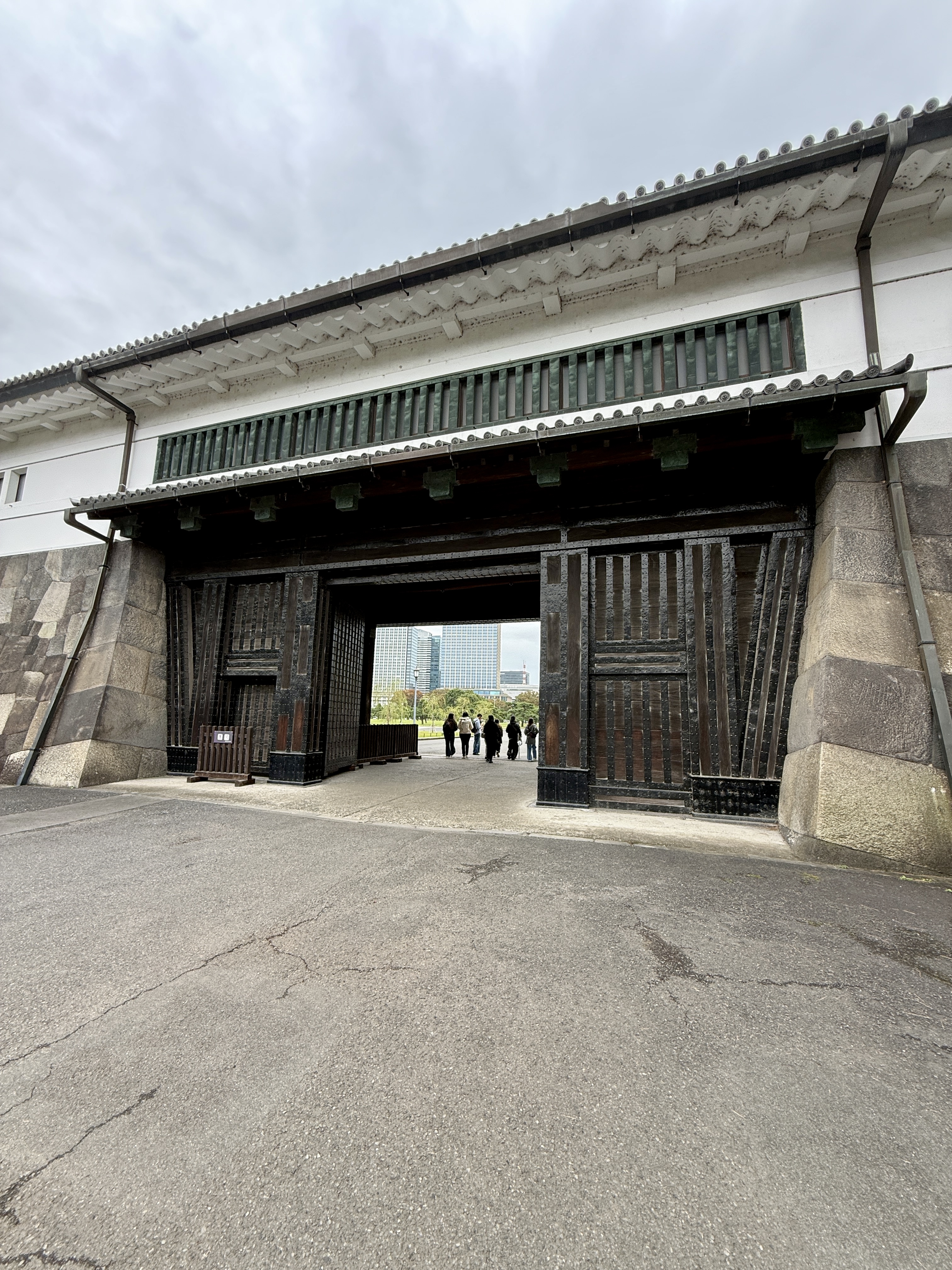
The palace’s enormous stone walls particularly impressed me. Built without mortar, their massive stones were carefully fitted together. I found myself wondering how on earth they managed such substantial construction without modern machinery.

We also wandered through Kagurazaka, a historic neighborhood described in my itinerary as a blend of old Edo and chic French atmosphere. I can’t say I noticed much of the French influence, but the old Edo charm was unmistakable.

Narrow, cobblestoned lanes wound between traditional buildings, offering glimpses of the neighborhood’s past as a geisha district. What impressed me most was how much authentic character remained.

In many large cities I’ve visited, dark, narrow alleyways aren’t necessarily places you’d want to linger. Kagurazaka was quite the opposite. Immaculately clean, wonderfully quiet, and full of character, these little streets had a peacefulness I hadn’t expected to find in the middle of Tokyo.

It was a pleasure to leave the broad avenues behind and discover this quieter side of the city.

And walk we did. Quite a bit, actually. I came to the somewhat unwelcome realization that I’m not nearly as fit as I thought I was. Apparently, my regular walks at home haven’t quite prepared me for a full day of exploring Tokyo on foot.

A humbling discovery, to say the least. But tired feet aside, Tokyo was not the overwhelming urban chaos I’d anticipated. And I rather liked it.

Before arriving in Japan, I’d been diligently attempting to learn Japanese. And I must say, I was becoming quite confident in my linguistic abilities.

In my living room.

Unfortunately, my Japanese hasn’t traveled nearly as well as I have. There’s a considerable difference between confidently practicing phrases at home and attempting to retrieve them from the depths of your brain while an actual Japanese person is standing in front of you, patiently awaiting a response.

Apparently, I was much more fluent in Japanese when there weren’t any Japanese people around.

Mitsukoshi: Not Your Average Food Court

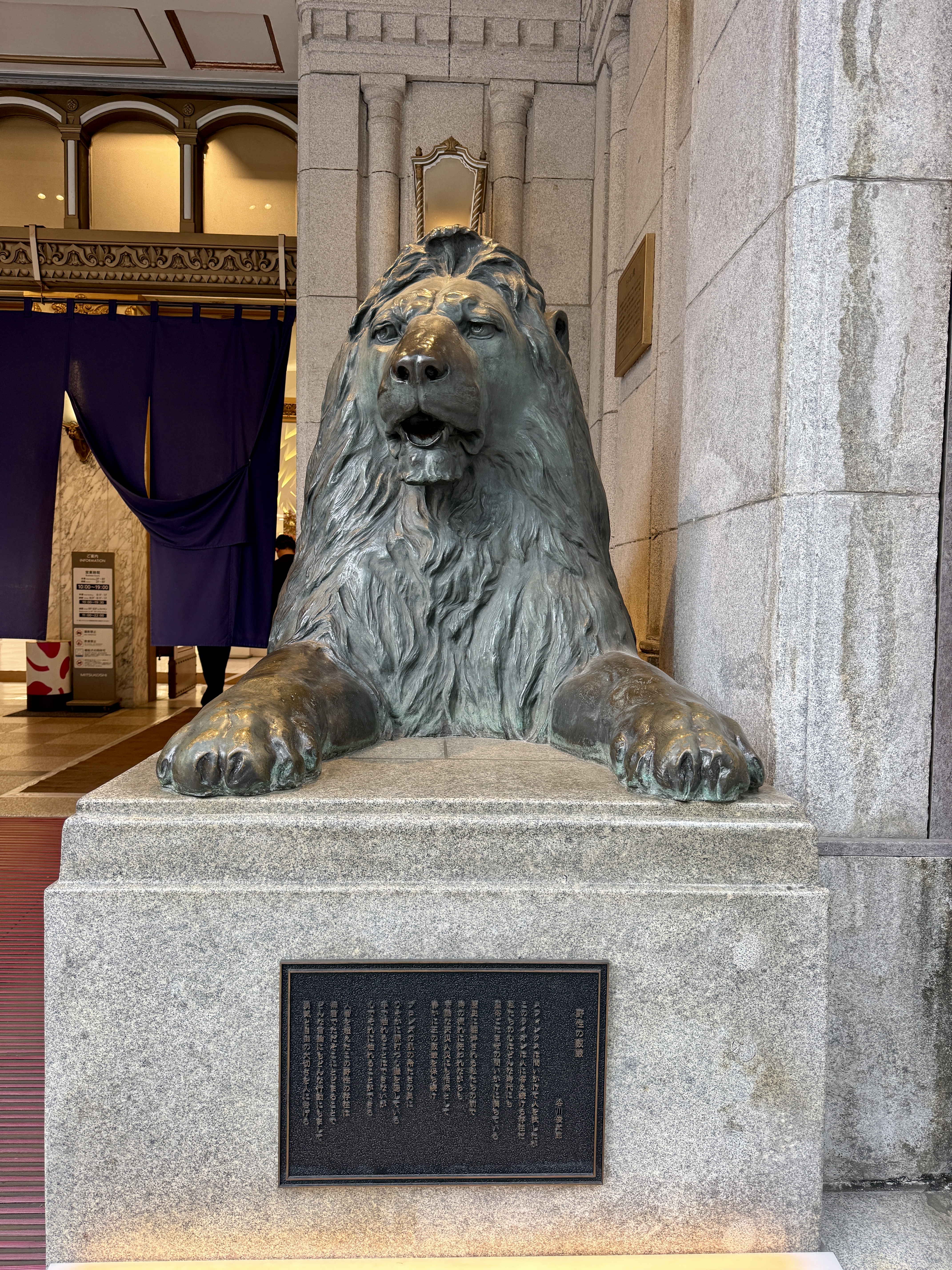
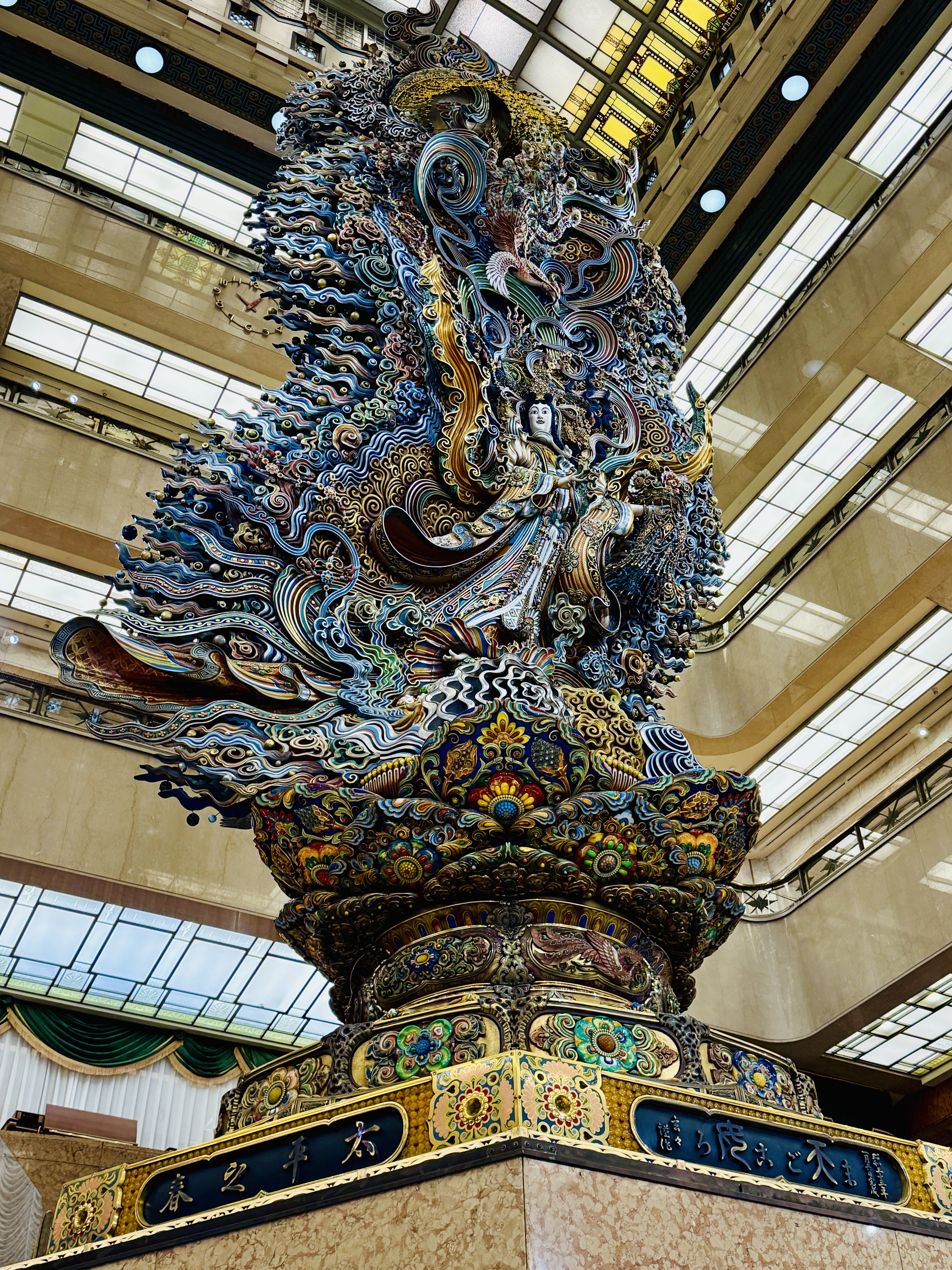
From the moment I entered the historic Nihonbashi Mitsukoshi department store, I was impressed. The grand entrance, magnificent architecture, and beautifully organized departments were a sight to behold.

But the real showstopper was downstairs.

The contrast between the grand, almost ceremonial entrance upstairs and the bustling culinary wonderland downstairs couldn’t have been more striking.

The basement food hall was unlike anything I’d ever experienced. Forget McDonald’s and the usual suspects of an American shopping mall food court. This was an entirely different universe.

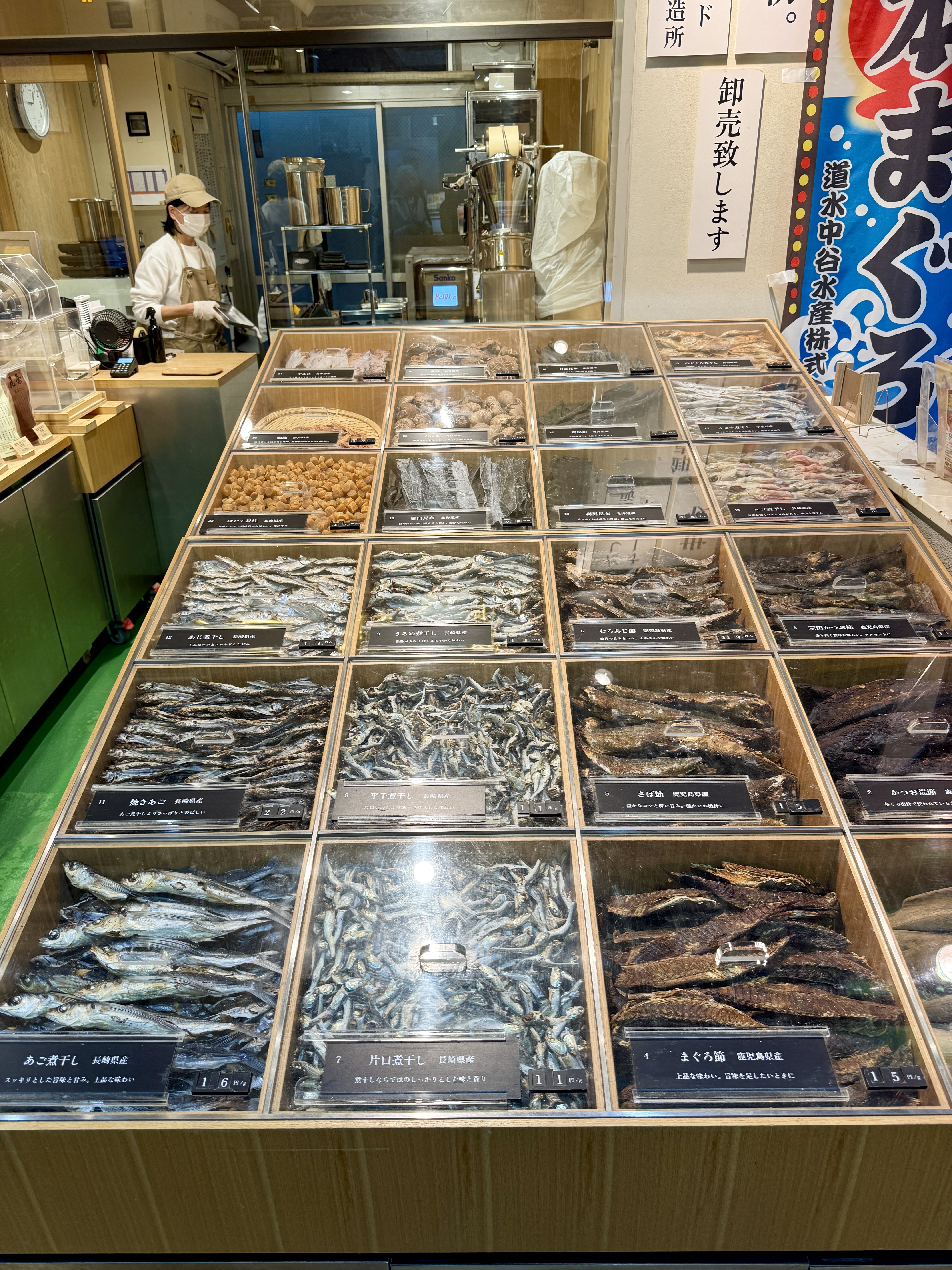
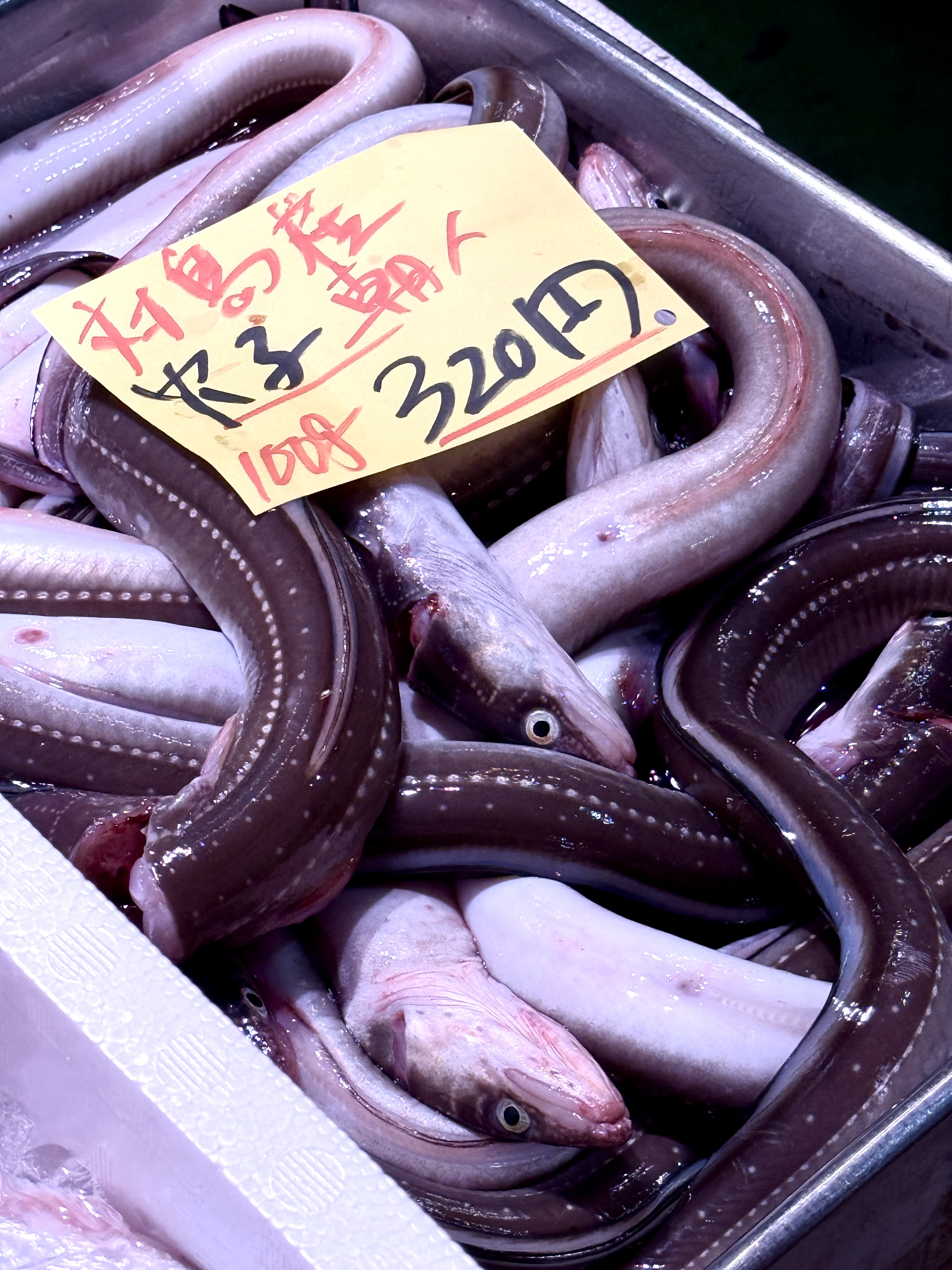
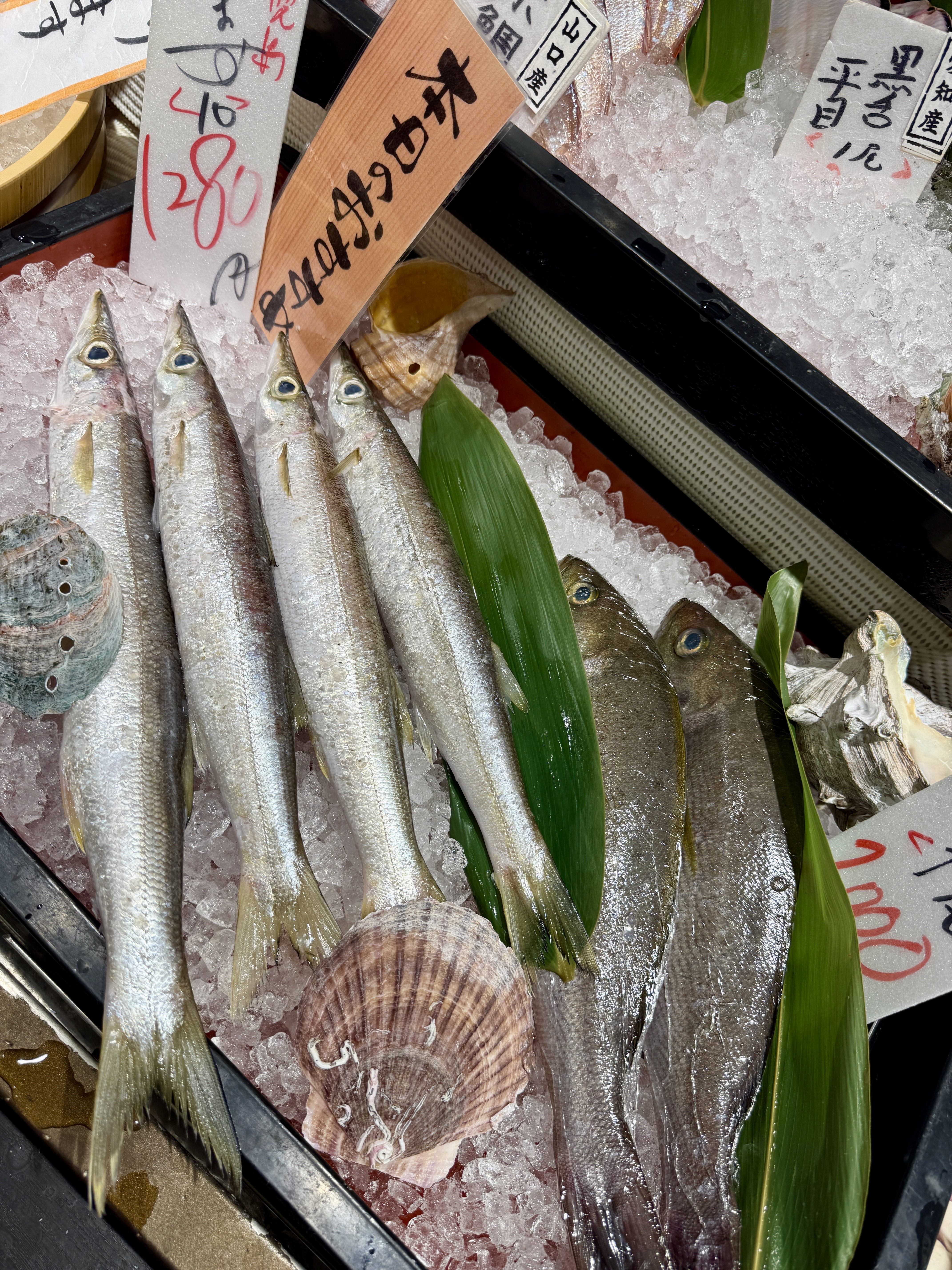
Everything was extraordinarily fresh, meticulously prepared, and beautifully presented. From exquisite little sweets that looked almost too pretty to eat to some downright bizarre-looking fish, it was a feast for the eyes.

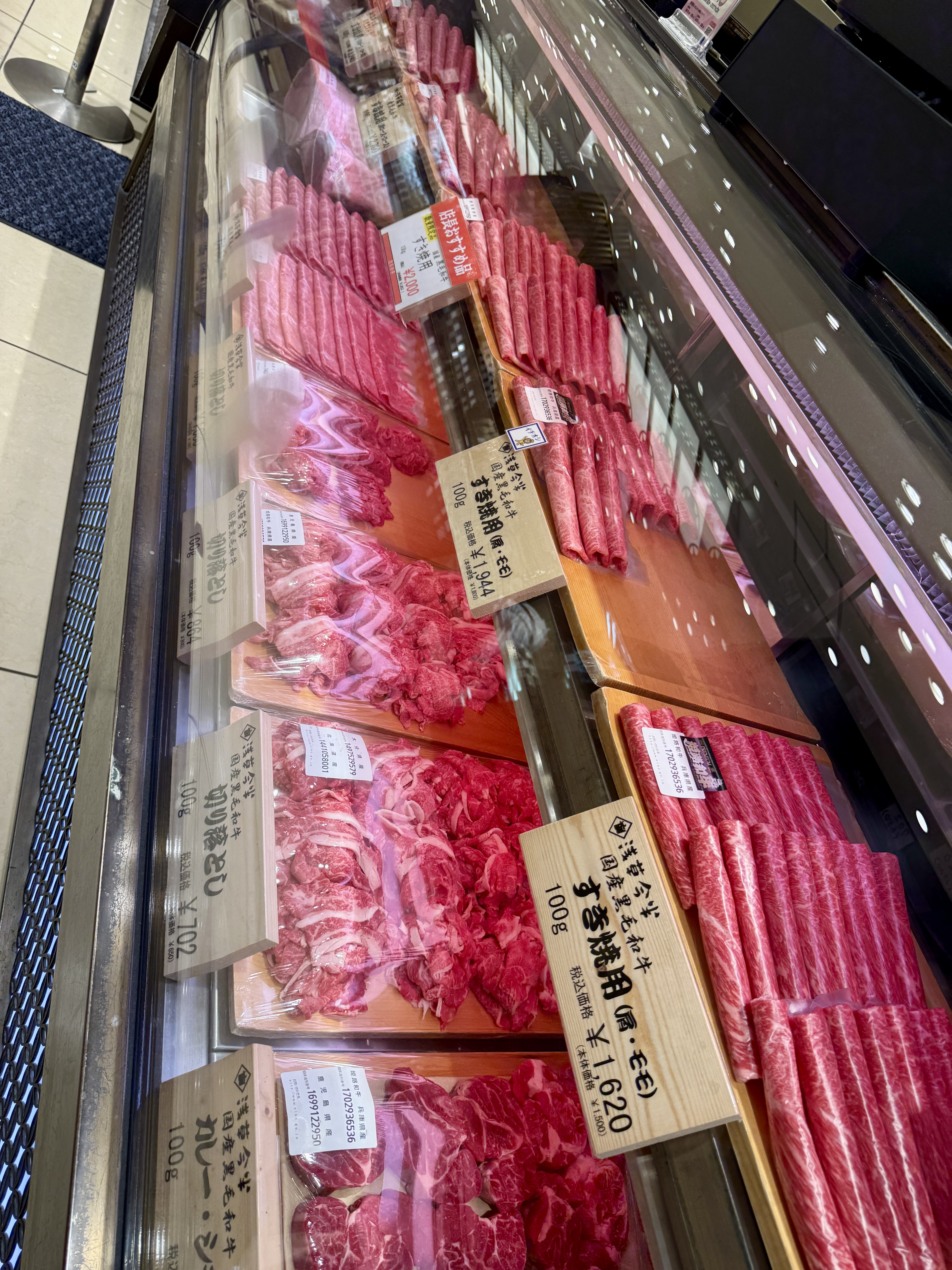
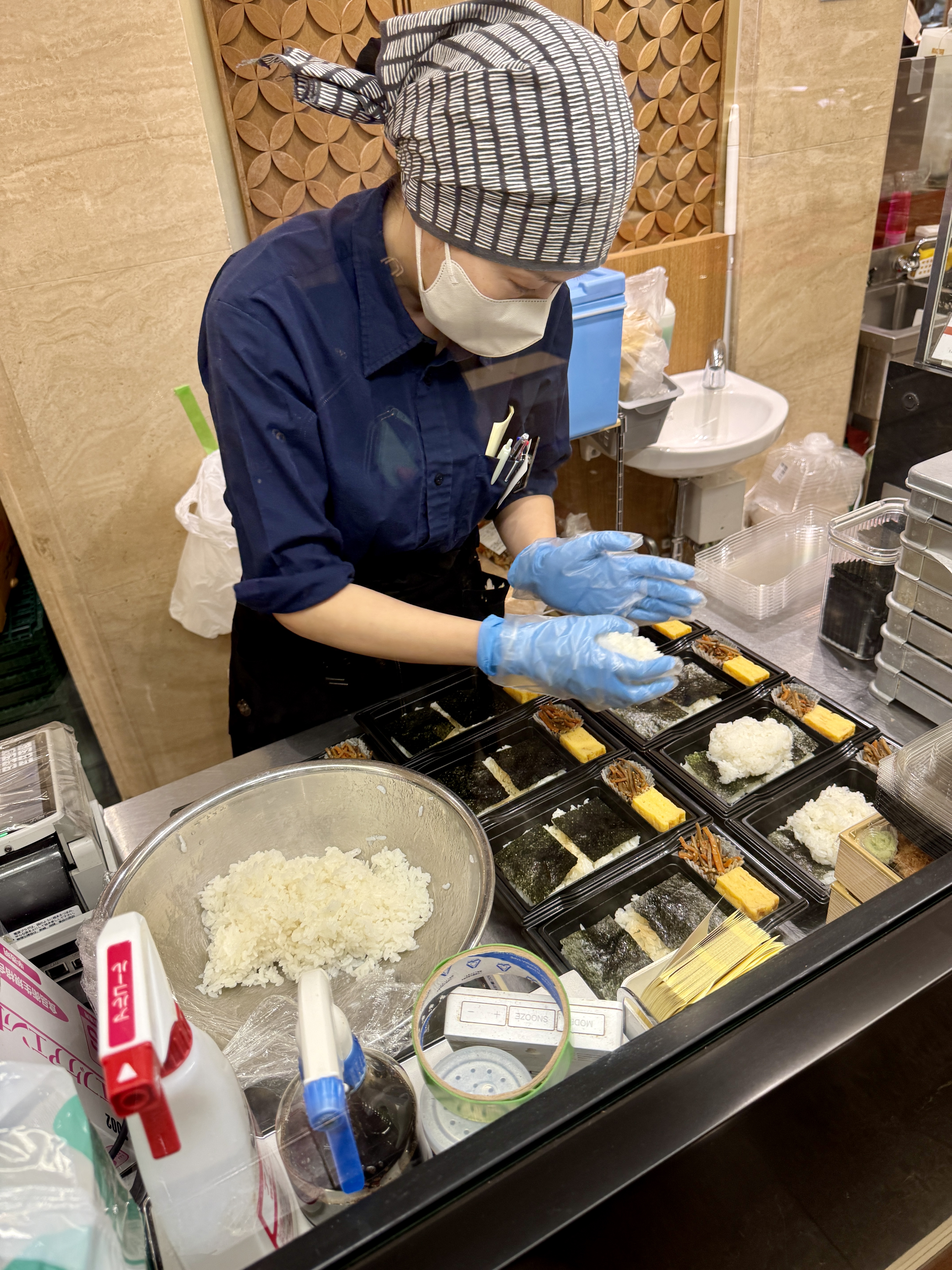
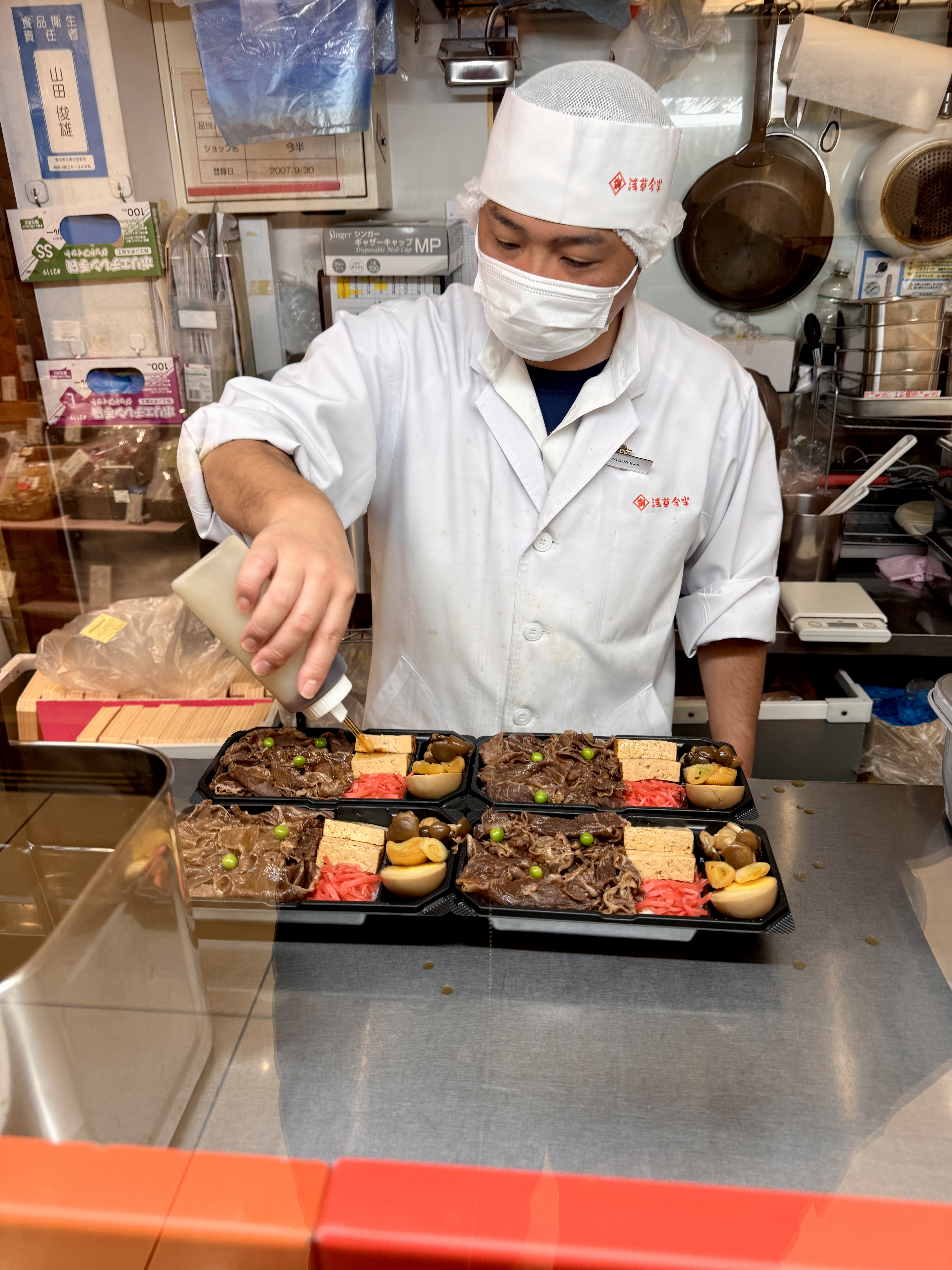
There were butchers, fishmongers, sushi chefs, and counters turning out all manner of freshly fried delicacies. Even the vegetables received the royal treatment, arranged and displayed as though they were precious jewels.

And the selection! Beautifully marbled beef, glistening seafood, elaborate prepared dishes, and confections that were practically works of art. I could have spent hours just wandering around.

Apparently, this is where many locals stop to pick up lunch, something delicious for dinner, or beautifully packaged gifts when visiting friends and family. It’s not simply a food court. It’s part of everyday life.

What made the experience even more remarkable was the staff. Everywhere I turned, someone was smiling, bowing, or offering a gracious greeting. Even with all the activity, there was a sense of courtesy and calm that I was beginning to recognize as distinctly Japanese.

Who knew a department store basement could be such a memorable cultural experience?

The obligatory egg sandwich from 7-11 😂

Alpaca anyone?

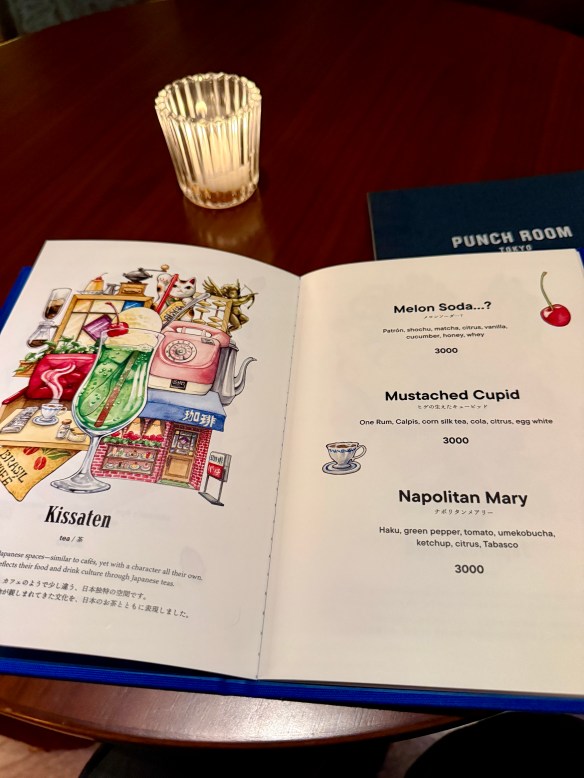
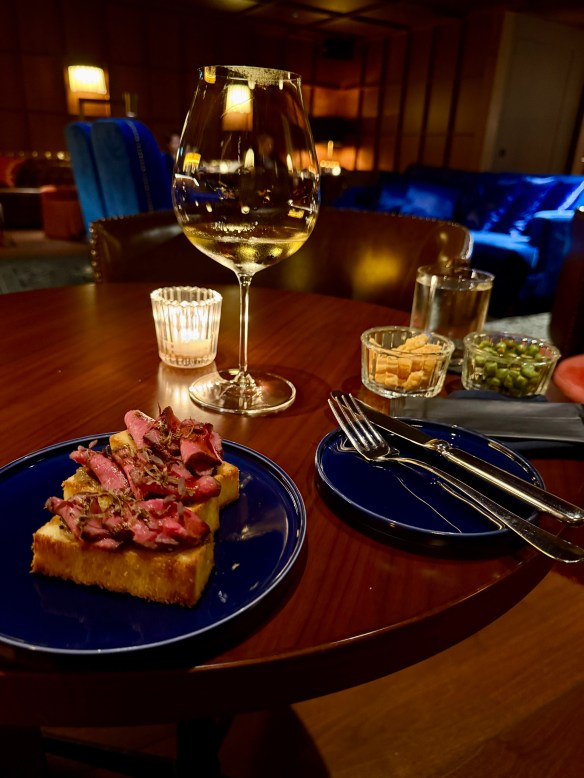
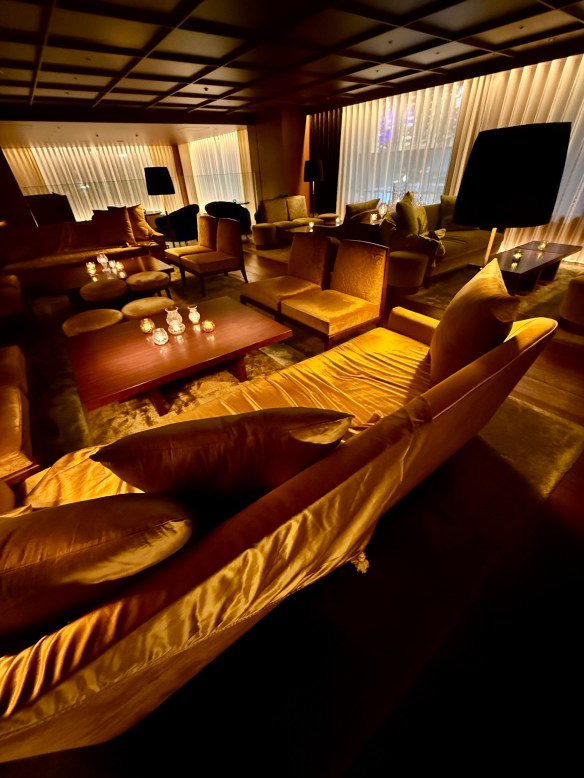
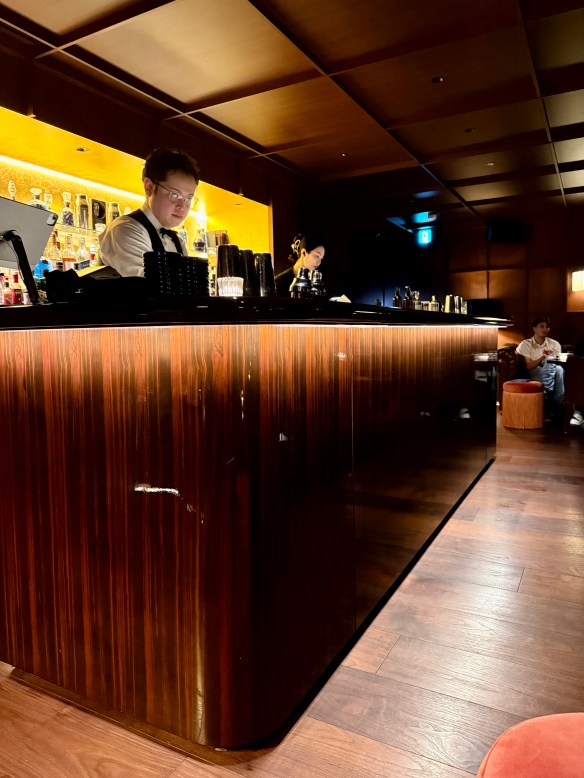
At the Punch Room in The Tokyo EDITION, Ginza, I found a cocktail on the menu called the Mustached Cupid. A mustached what? I ordered a Chardonnay. There’s enough unfamiliarity to process!

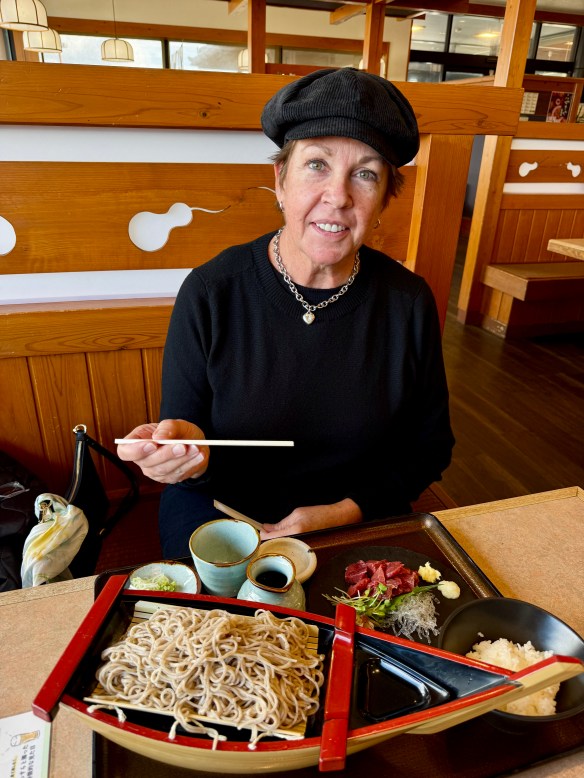
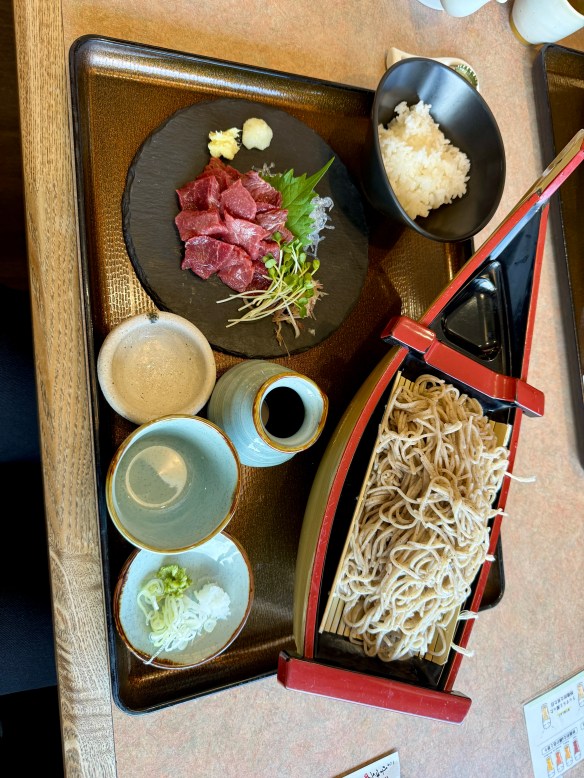
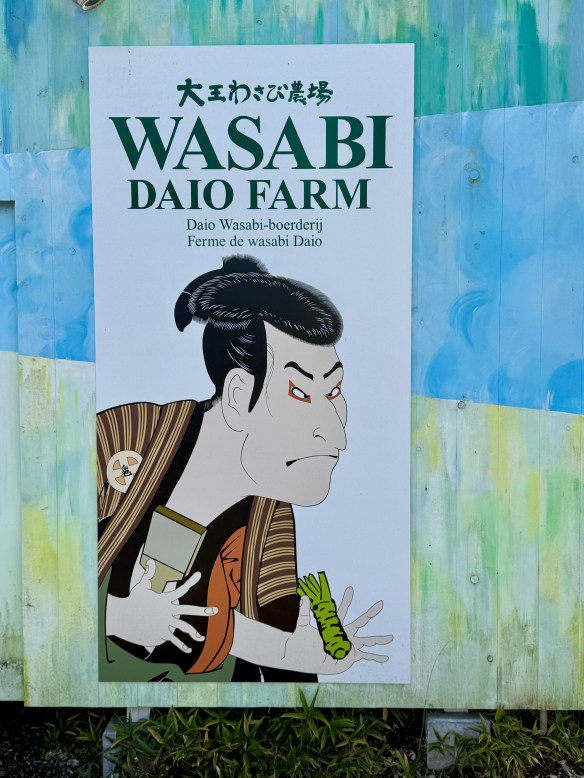
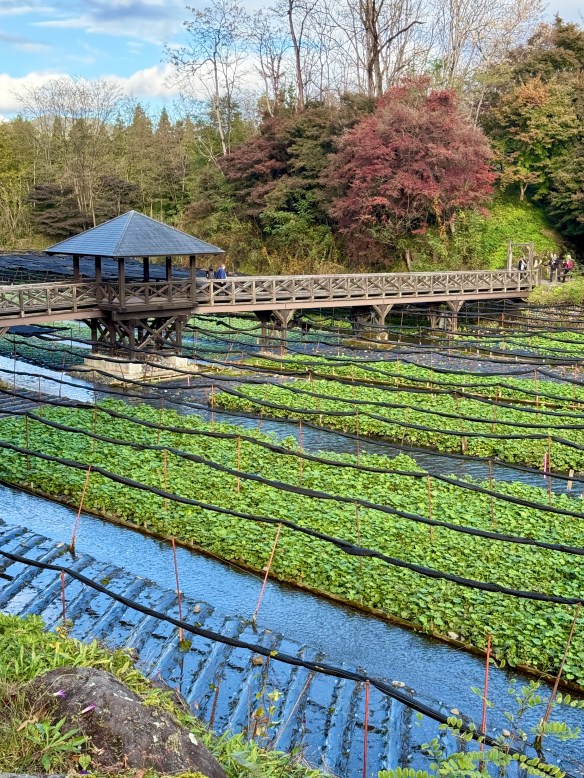
Before we went to Daio Wasabi Farm, my guide, driver, and I stopped for soba. The noodles were all buckwheat, and I got to grate my own wasabi. I also tried horse sashimi, which was quite good, and my driver poured me an unfiltered local beer called Bière de Hotaka. I was kind of surprised that neither my driver nor my guide had tried the unfiltered beer or the horse meat and they’re from Matsumoto.

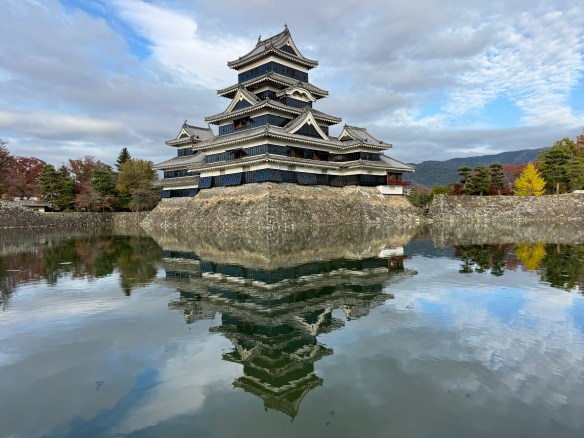
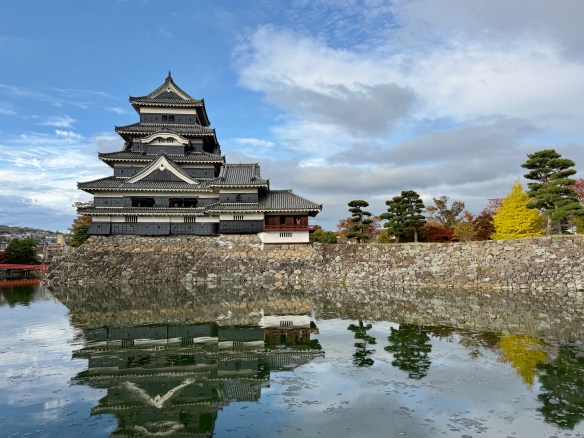
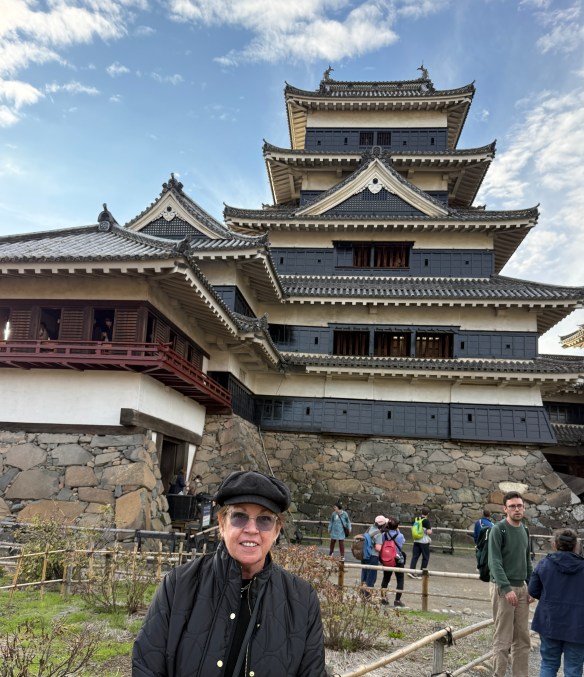
Matsumoto Castle was stunning, and I thought I was totally game. Two nearly vertical staircases later, I’d made it to the first level. My guide wanted to spend about an hour inside. An hour of going up and down bunk-bed ladders? I was already wondering how I was going to get back down.

Meanwhile, grandmas and grandpas were passing me. They weren’t exactly flying, but they were doing a hell of a lot better than I was.

I ate crow.

After my rather humbling encounter with Crow Castle, it was time for something considerably more relaxing.

My ryokan, Tobira Onsen Myojinkan, was tucked away in a wonderfully charming setting, complete with its own onsen—traditional Japanese hot spring baths. The whole place had an atmosphere that made me want to slow down and soak it all in, quite literally.

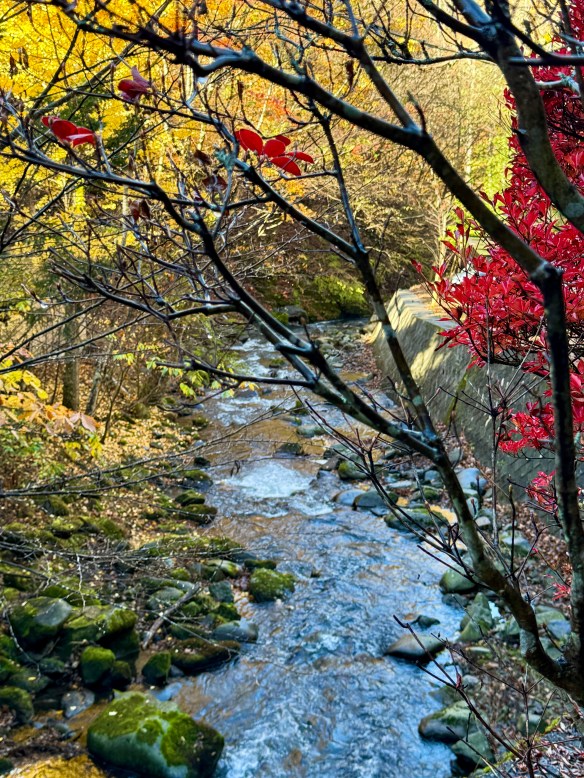
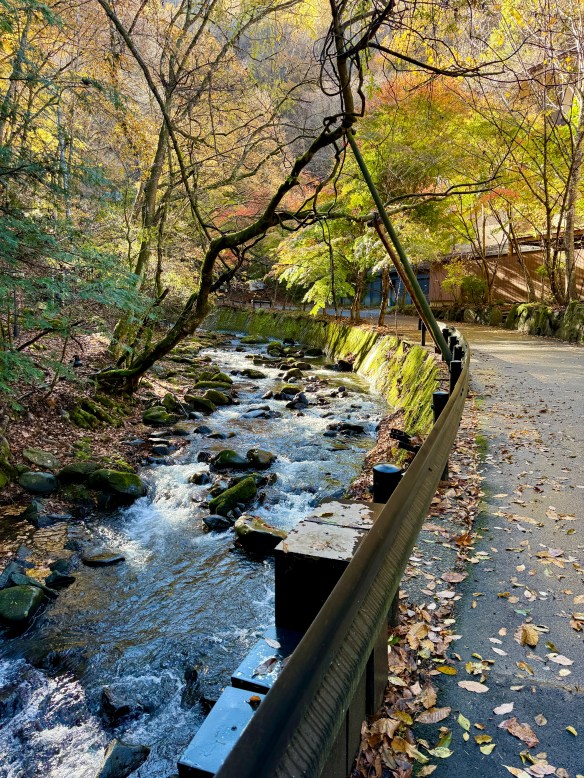
On the drive to the ryokan, my guide reminded me of the Japanese tradition of haiku and offered a particularly lovely description of the autumn landscape: “The mountains have put on their makeup.” Looking at the hillsides dressed in their brilliant fall colors, I couldn’t have said it better myself

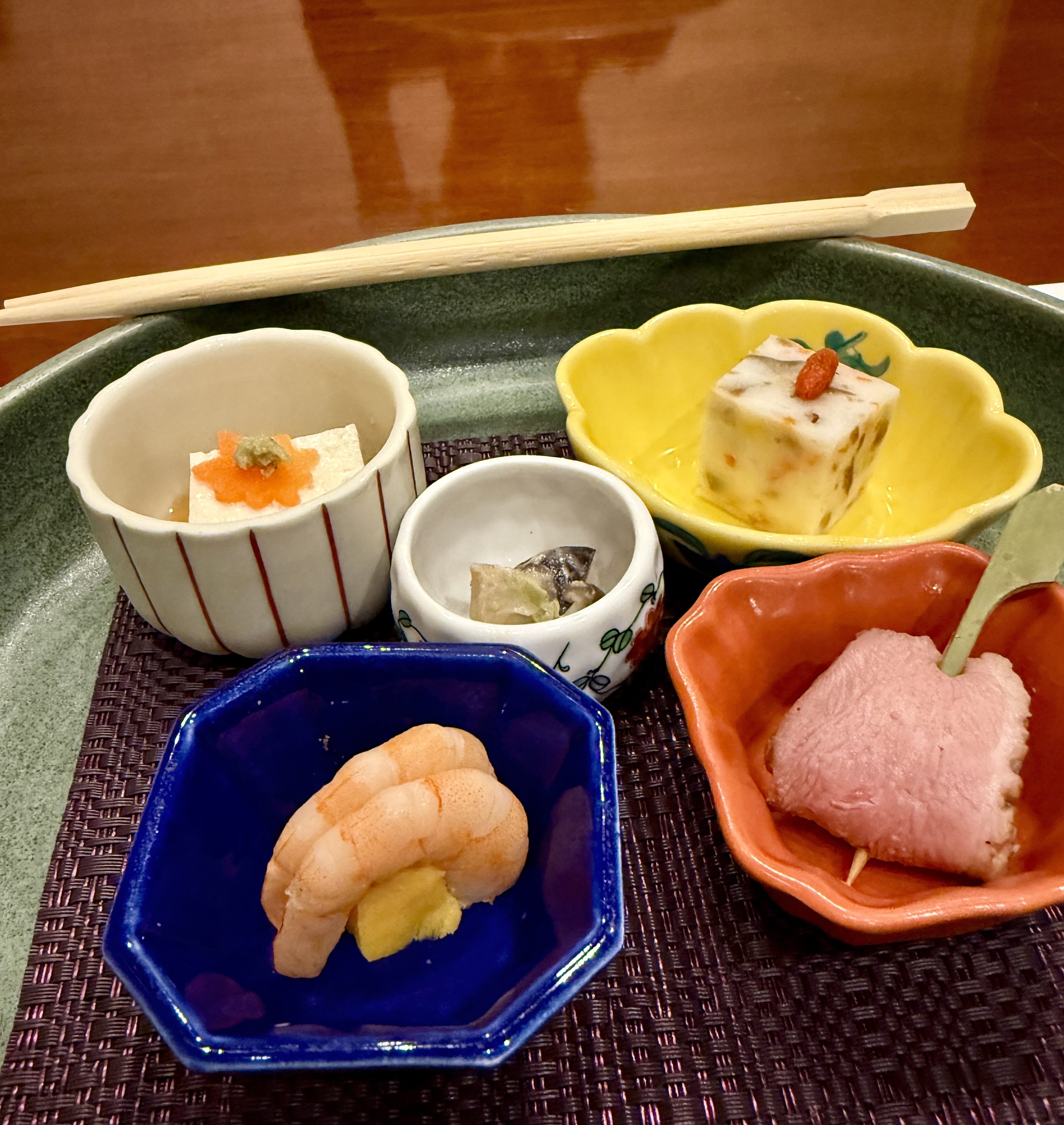
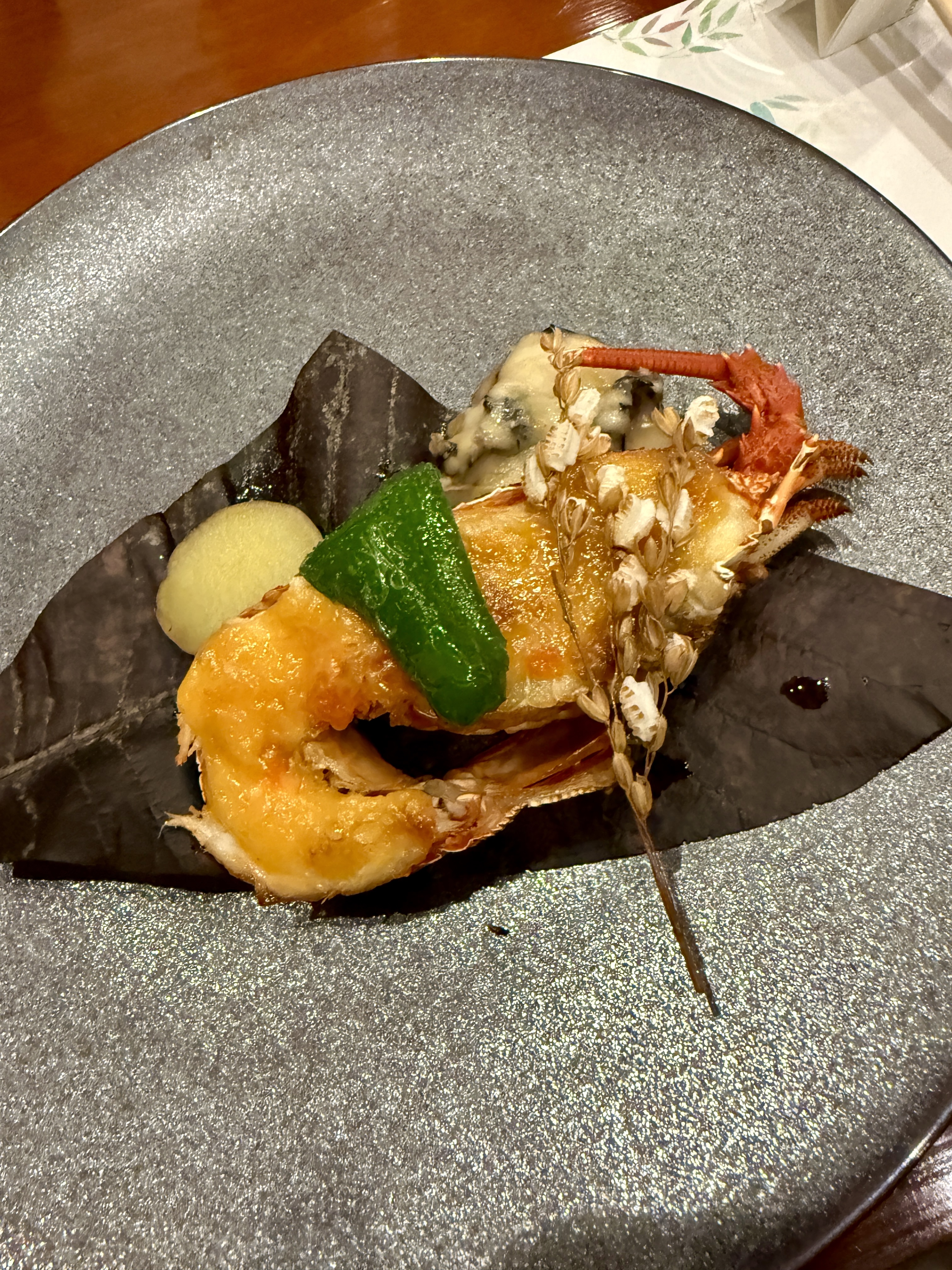
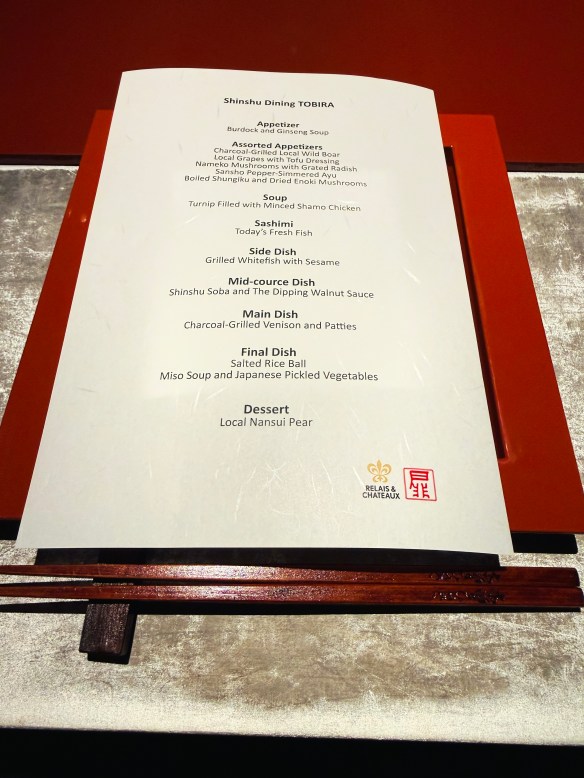
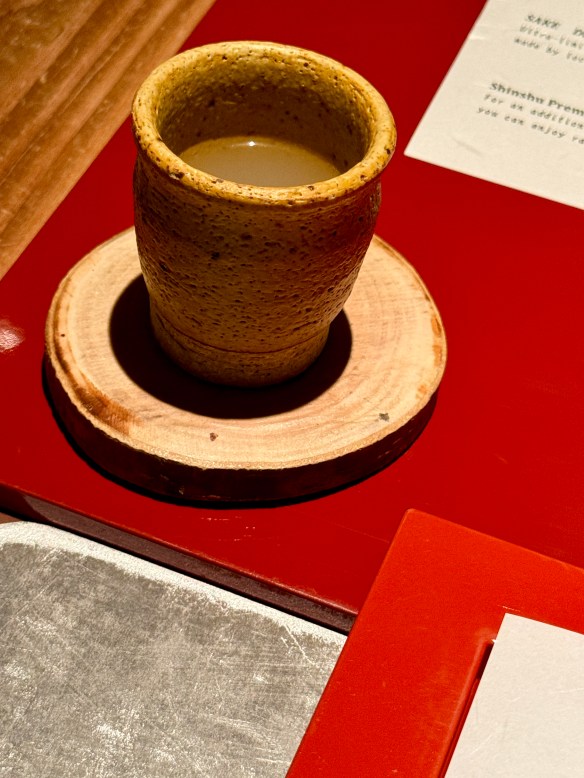
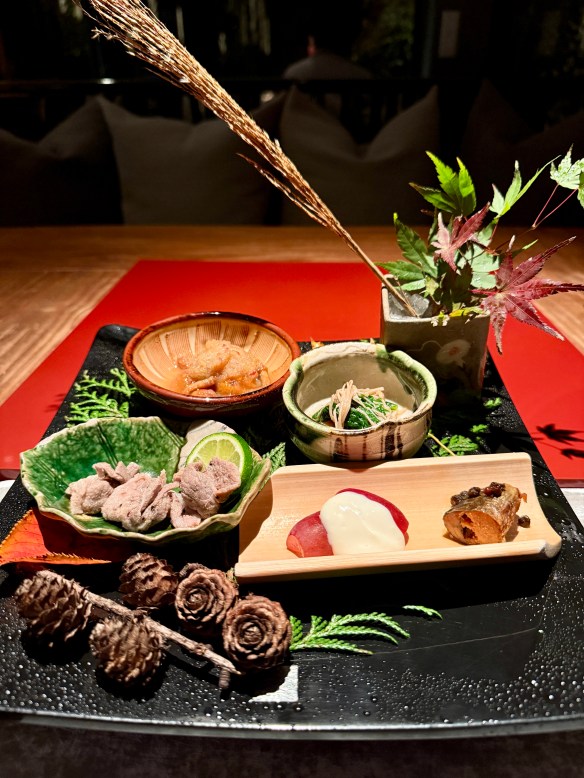
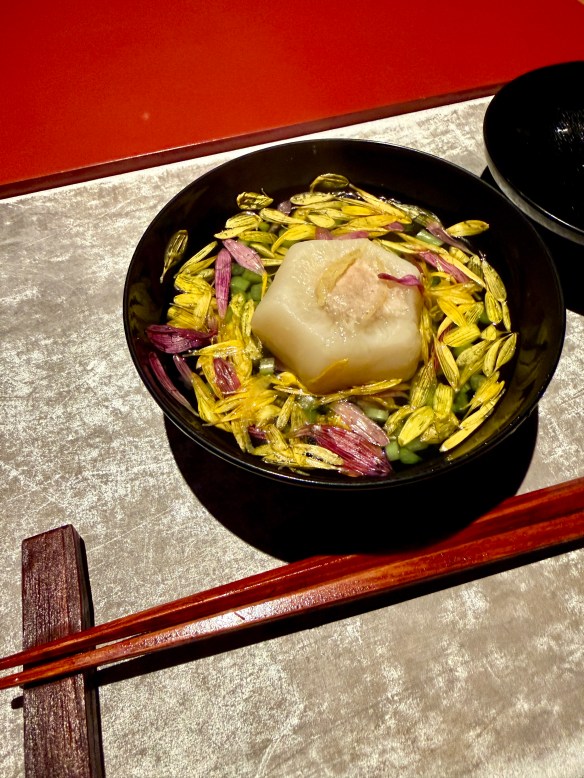
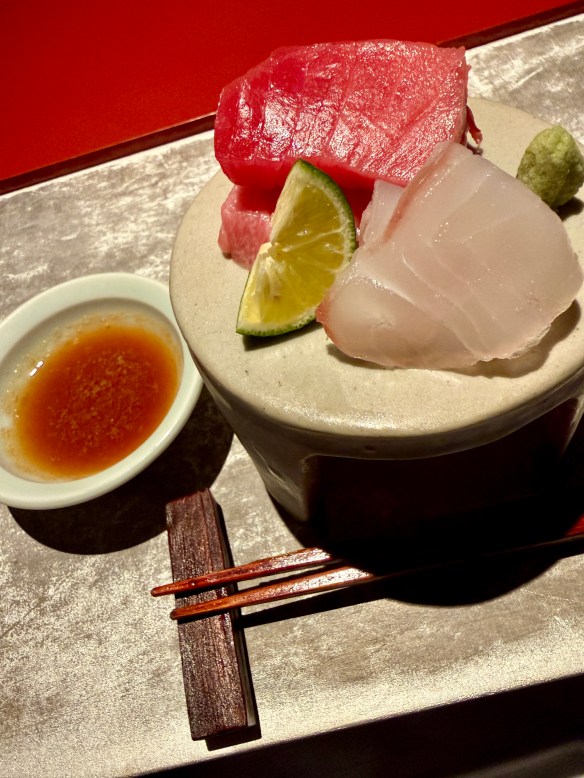
Dinner at Shinshu Dining TOBIRA was another adventure altogether. A beautifully presented, authentically Japanese meal, with ingredients and preparations that were as interesting as they were delicious.

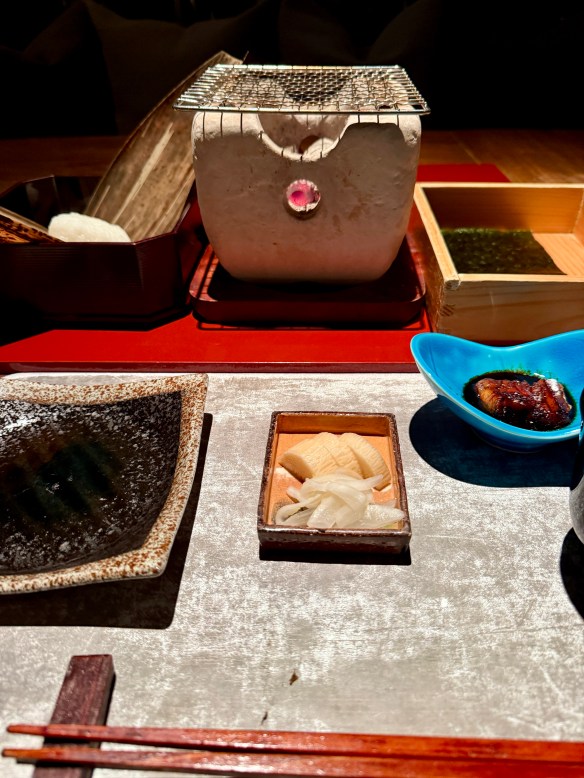
One of my favorite little discoveries was the tabletop charcoal grill filled with glowing binchōtan, over which we gently toasted sheets of nori before assembling our own little sushi creations. I loved the whole ritual of it. Dinner wasn’t simply something to eat; it was something to participate in.

And the presentation! Autumn leaves, pinecones, beautiful pottery, and little arrangements that made each course feel like a miniature work of art.

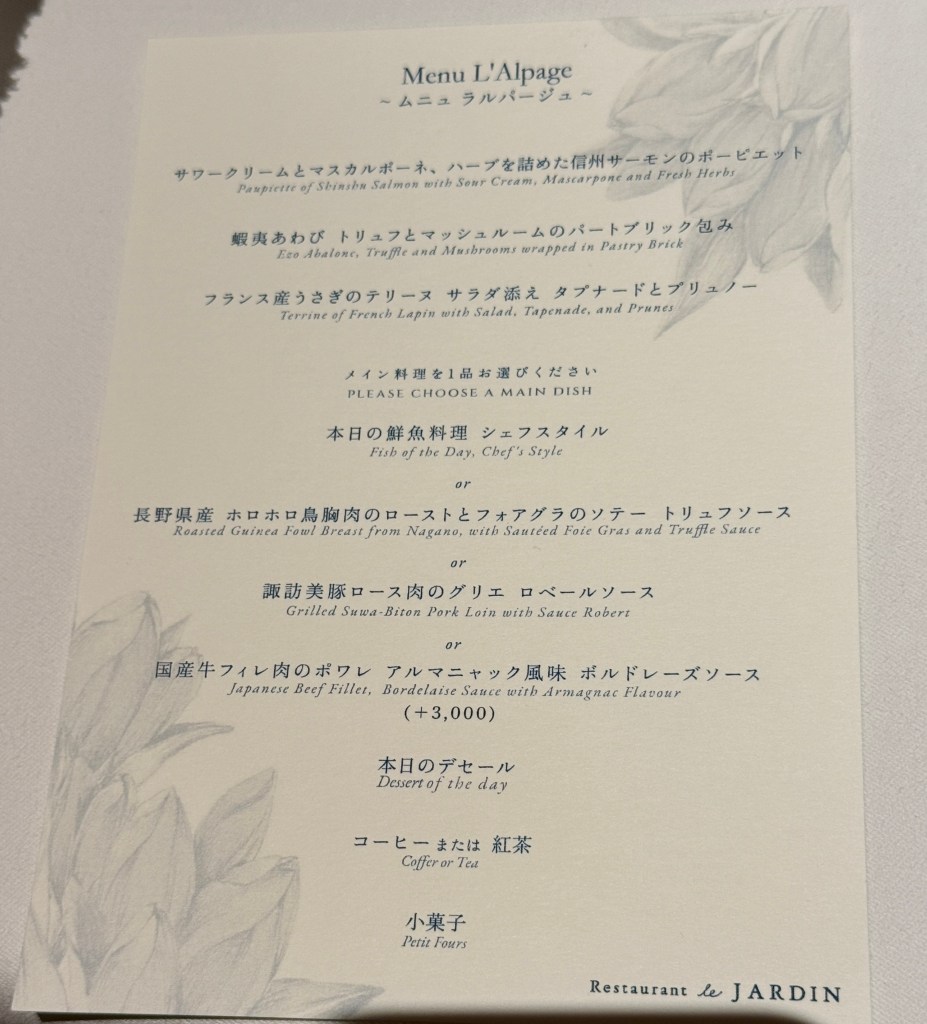
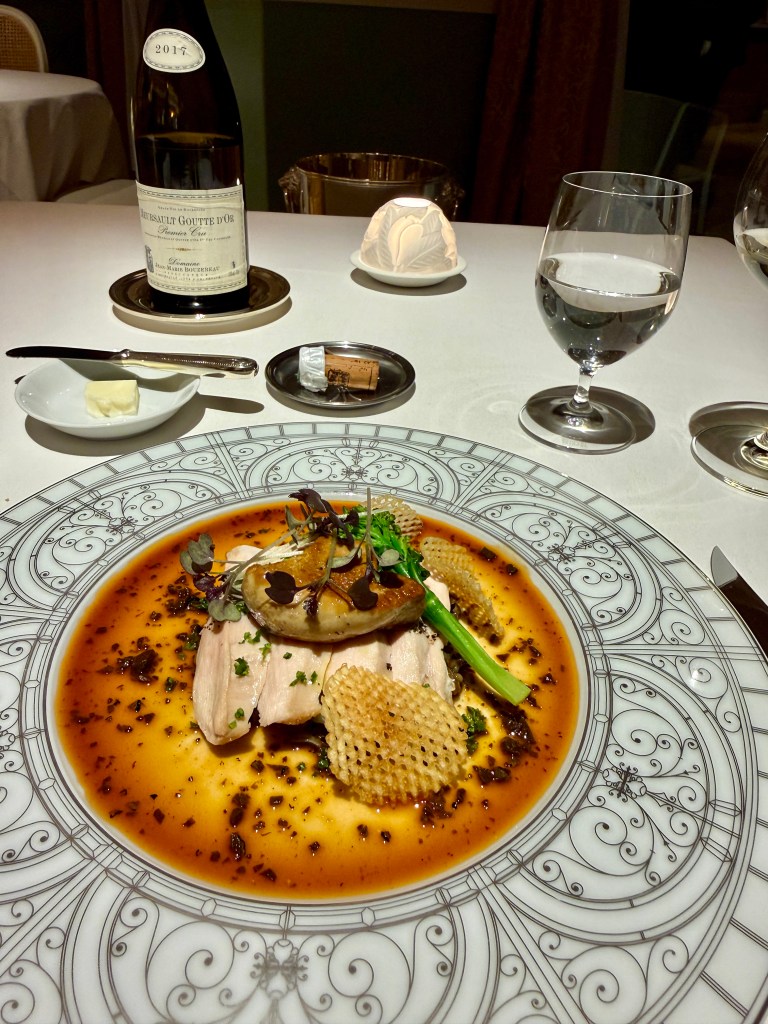
That night at Hotel L’Alpage in Chino, I had roasted guinea fowl breast from Nagano with black rice, sautéed foie gras, and truffle sauce. It was amazing.

So Much for Cassoulet

Last night, I spotted cassoulet on the dinner menu. I adore cassoulet, so naturally, that’s what I ordered.

Unfortunately, my very Japanese waiter had other ideas.

Apparently, he’d noticed that I hadn’t been finishing everything on my plate at previous meals. So when I requested the cassoulet, he simply informed me, “No, you have fish.”

And so I had the fish.

Apparently, at Hotel L’Alpage, the customer isn’t always right. But the waiter knows best.

I’m beginning to think it might be time to grow my hair out. My waiter keeps calling me “sir.” Never mind the earrings, neck scarf, and mascara. Apparently, my short haircut trumps them all.

First he decides what I’m having for dinner, and now he’s decided I’m a man.

Perhaps I’ll return home with longer hair. And a cassoulet.

Things That Go Bump in the Night

Japan wasn’t quite finished surprising me.

Sometime in the middle of the night, tucked into my lovely room at Hotel L’Alpage in Chino, an earthquake actually woke me from my sleep. I hadn’t been sleeping particularly well, but I was definitely asleep until something started moving that wasn’t supposed to be.

Sure enough, at approximately 1:04 a.m., a magnitude 5.7 earthquake was reported in western Shizuoka Prefecture. Here in Chino, the shaking registered a 3 on Japan’s seismic intensity scale.

So, in addition to temples, castles, extraordinary food, and the occasional three-ring circus, I can now add a Japanese earthquake to my travel experiences.

And to think, I came here for a little rest and relaxation.

Aloha e Komo mai

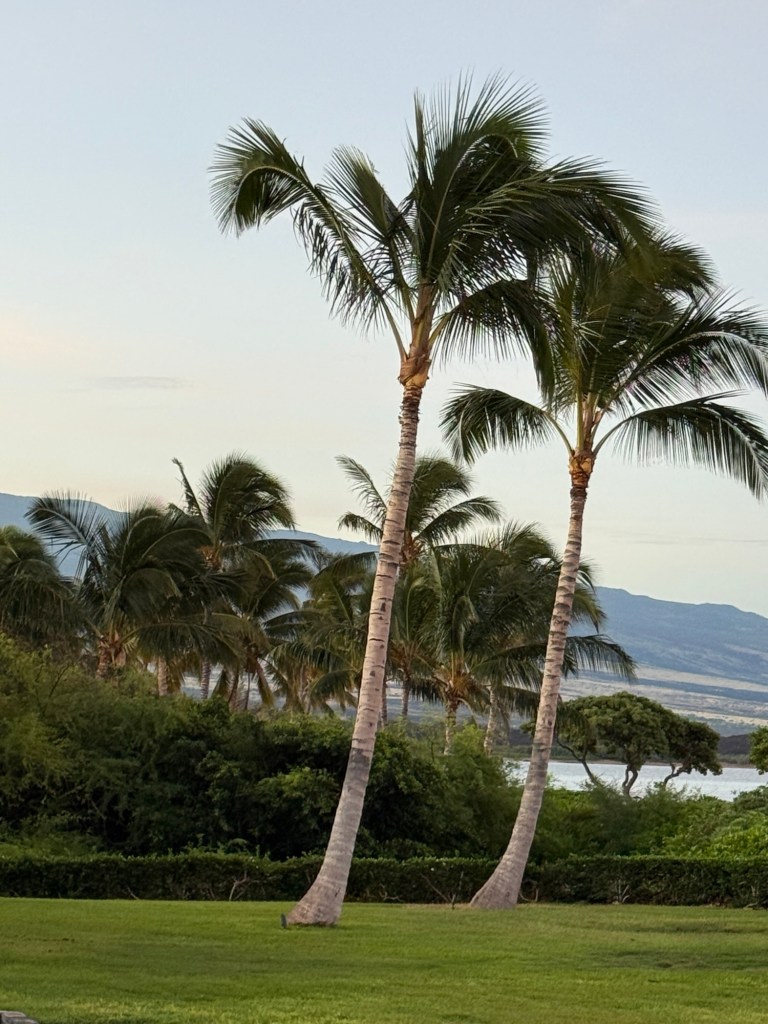
I stopped on the Big Island for a few days to break up the journey—and the time difference—between the West Coast and Tokyo. A little time at our family home in Hawaiʻi seemed a very good way to ease into the trip.

There was another reason for the visit. We, the Bollinger/Bearden family, had finally arranged to have our home and property blessed by a kahu. Our place has been plagued by mishaps and funny business for years. As I put it, we seem to have upset the ancestral apple cart. It was time for a blessing! Unfortunately, I was the only family member who could attend, but our house manager, Derek, joined me, along with the Kahu, and his assistant, Isabella, to see if we could set things right.

Before we began, the kahu explained the physical elements of the ceremony: the bowl, the leaves, and the ingredients in the holy water mixture. There was meaning behind each one, although I would need to consult my recording to remember all the details.

We started at the outer perimeter of the property, where he used the leaves to sprinkle the mixture every few yards. Then he handed the bowl to me, and I took my turn around the house itself. From there we went indoors, visiting every room—even the closets—to continue the blessing.

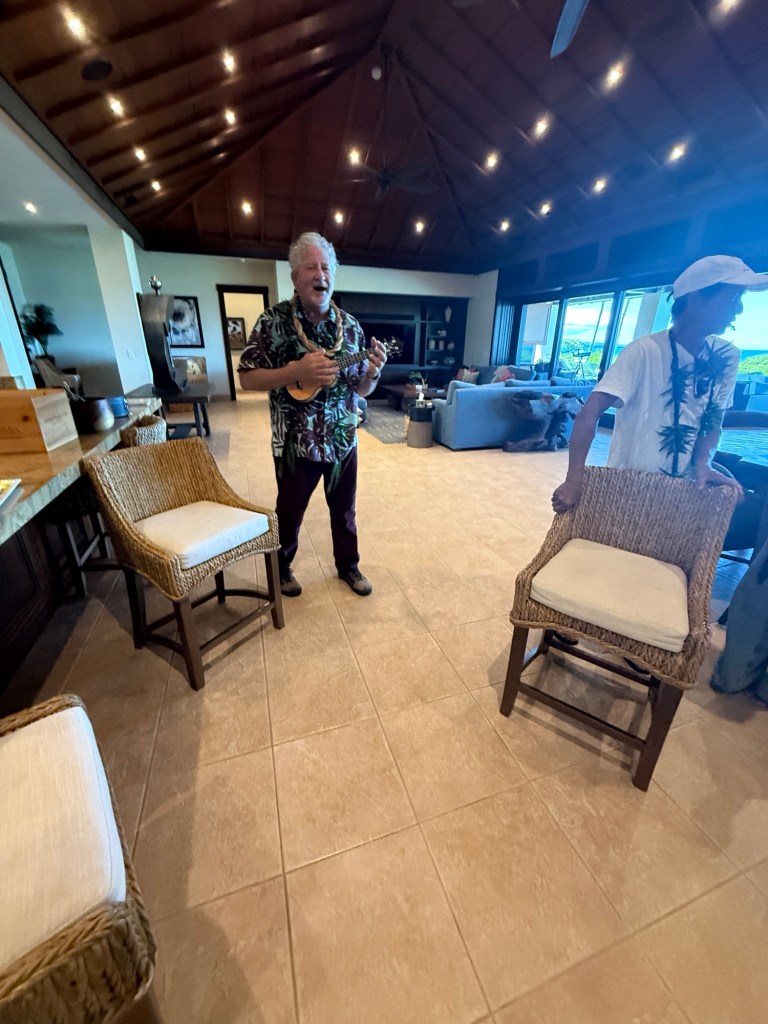
We finished with a prayer. It was a quiet, pleasant ceremony, and afterward the house felt calmer. To close the Kahu brought out his ukulele and played a couple of songs. A lovely way to finish.

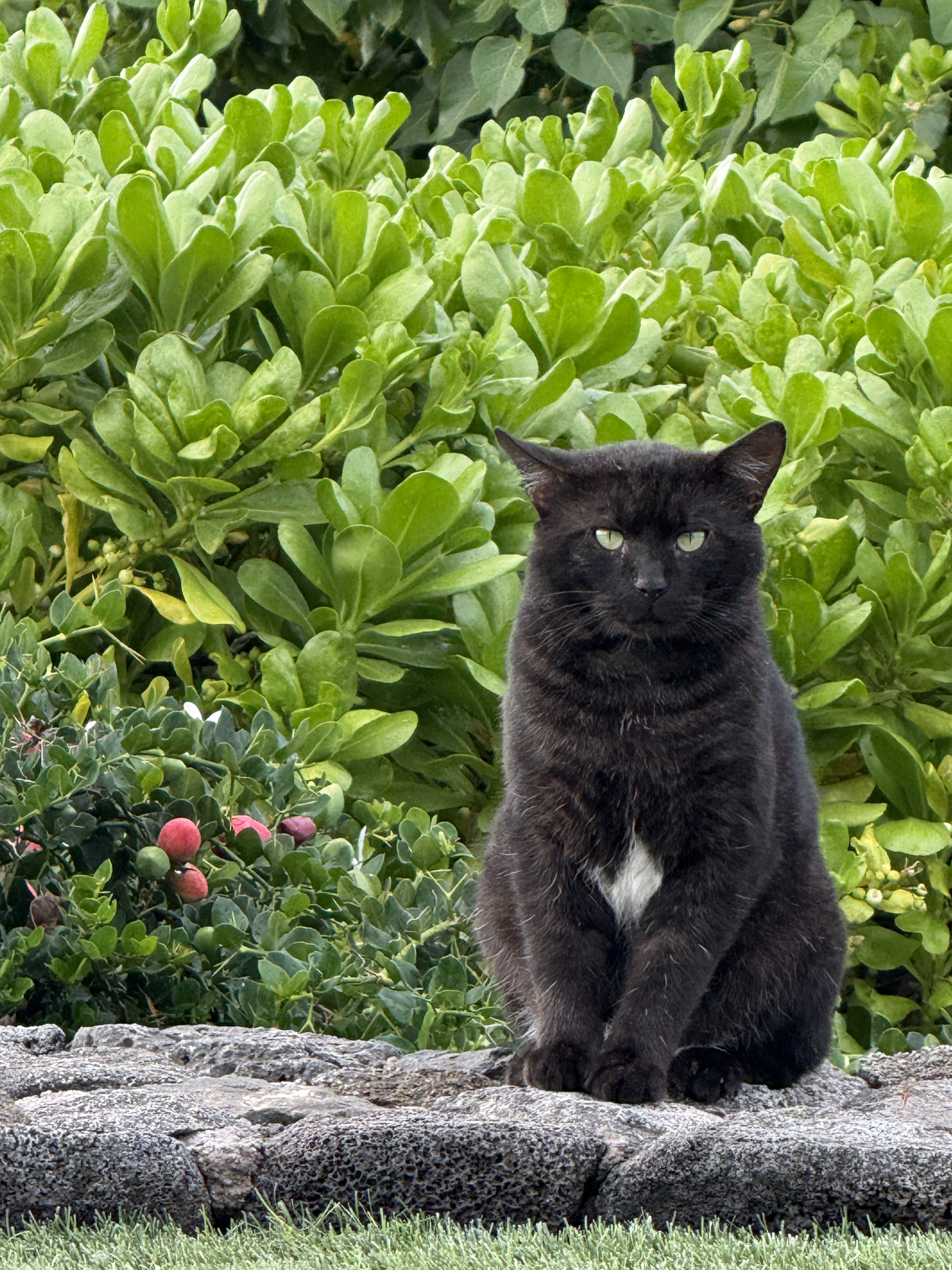
There’s also a resident committee of feral cats. I went out back one day and found about five hanging around. I’m not exactly a cat person, but I had leftover chicken, so I put it out on a platter for them. Dinner was enthusiastically received. This fellow, whom I’ve named Darth Vader, kept me under serious surveillance the whole time. Mano a mano. Apparently a chicken dinner does not automatically buy you friendship.

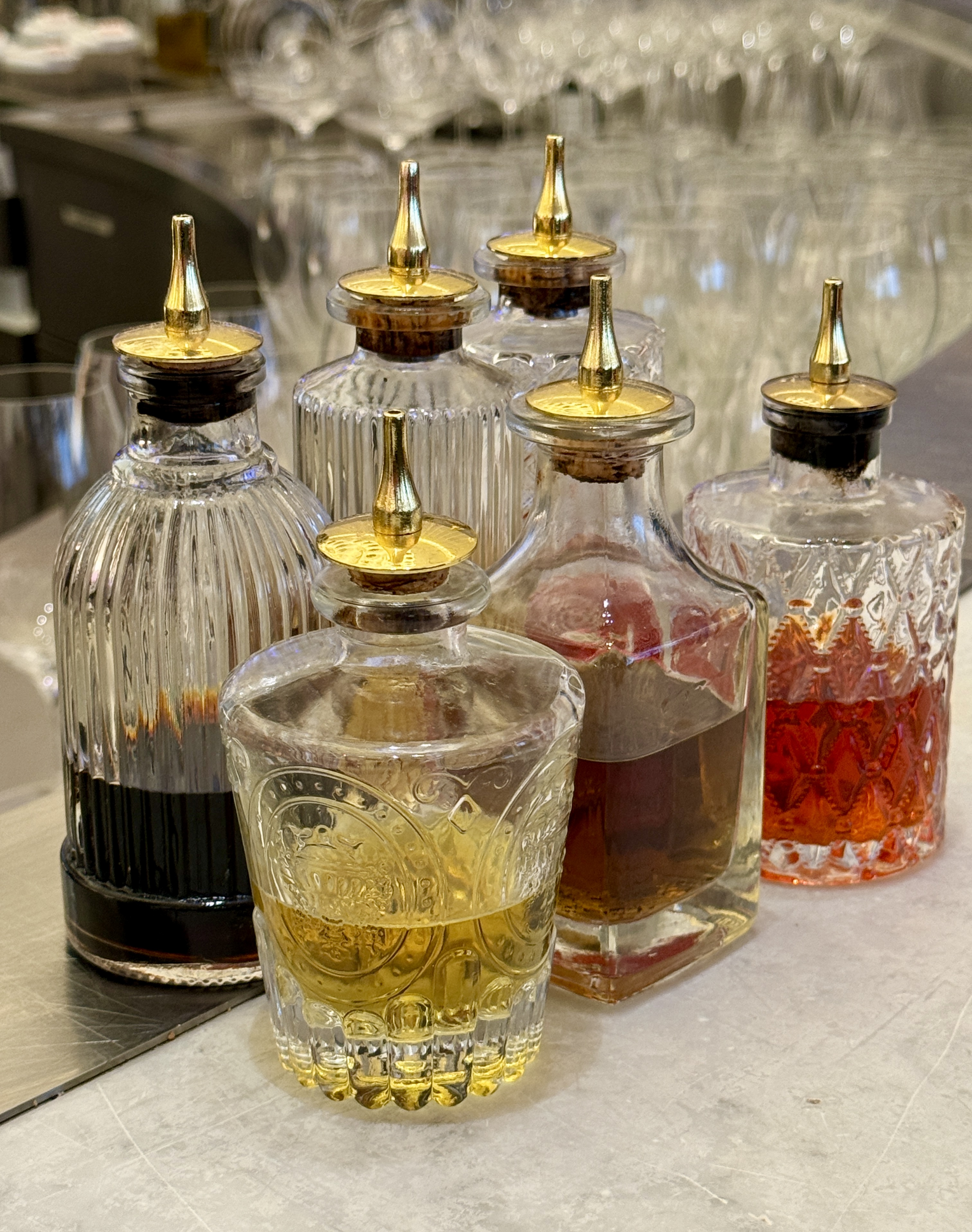
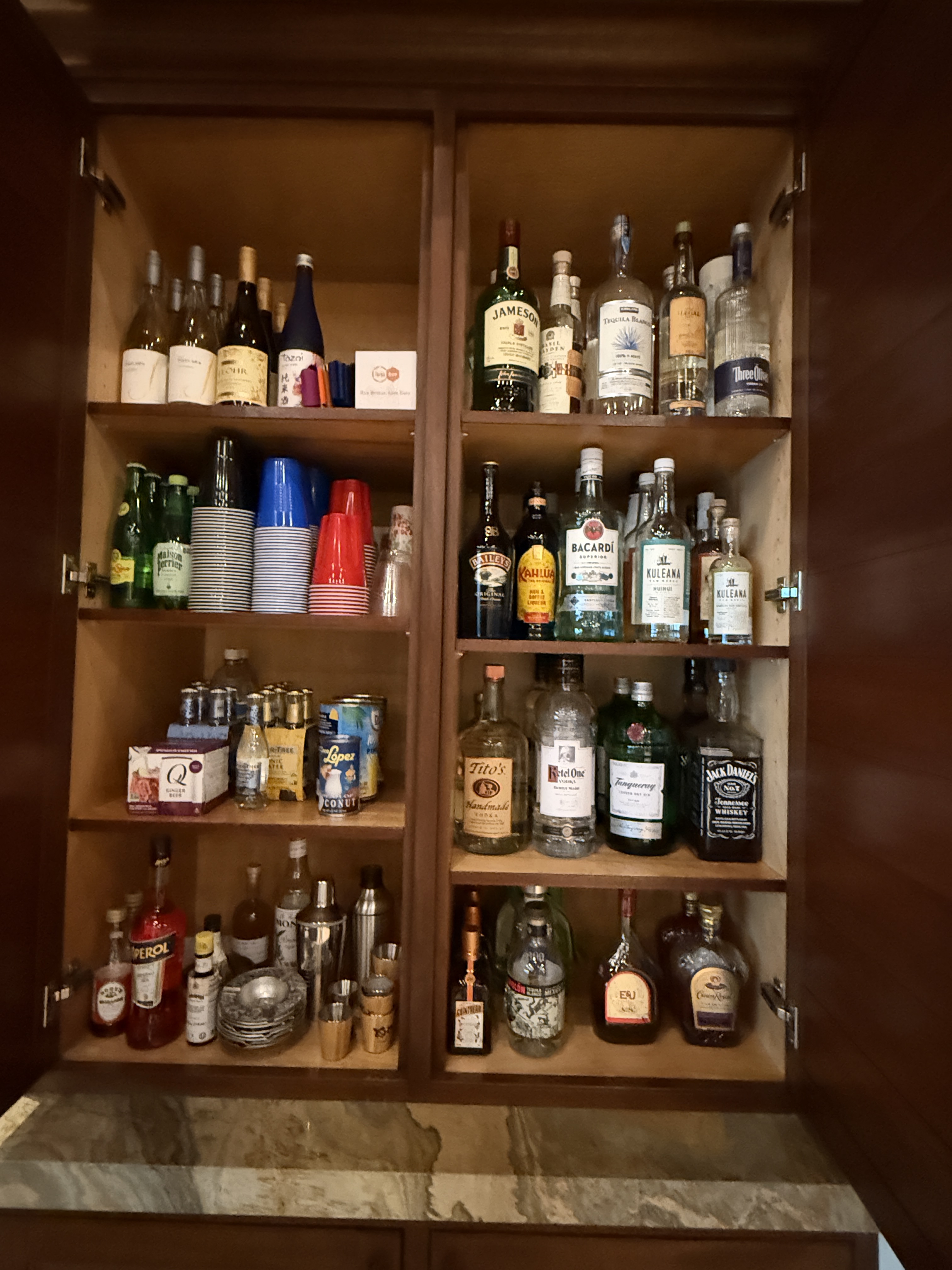
And then there’s the liquor cabinet. I don’t drink hard alcohol, but my family certainly knows how to party. Judging by the supplies, we’re prepared. The house may have needed a blessing, but the bar has clearly been well looked after.

MixedSoup Is Back! And We’re Off to Japan.

Well, hello again!

It’s been quite some time since MixedSoup last stirred the pot, but apparently I haven’t quite finished eating, drinking, wandering around the world, or getting myself into the occasional predicament.

So here we go again.

This time, the adventure is taking me to Japan, with a few stops along the way.

First up is Sacramento, California, where I’m enjoying some much-anticipated time with family before heading across the Pacific. Getting to spend time with my brother and his family, and my sister and hers, is a wonderful way to begin this adventure. The people are, after all, every bit as important as the places. Sometimes even more so.

Of course, being surrounded by family has never prevented me from pursuing the important business of finding something good to eat and a decent glass of wine.

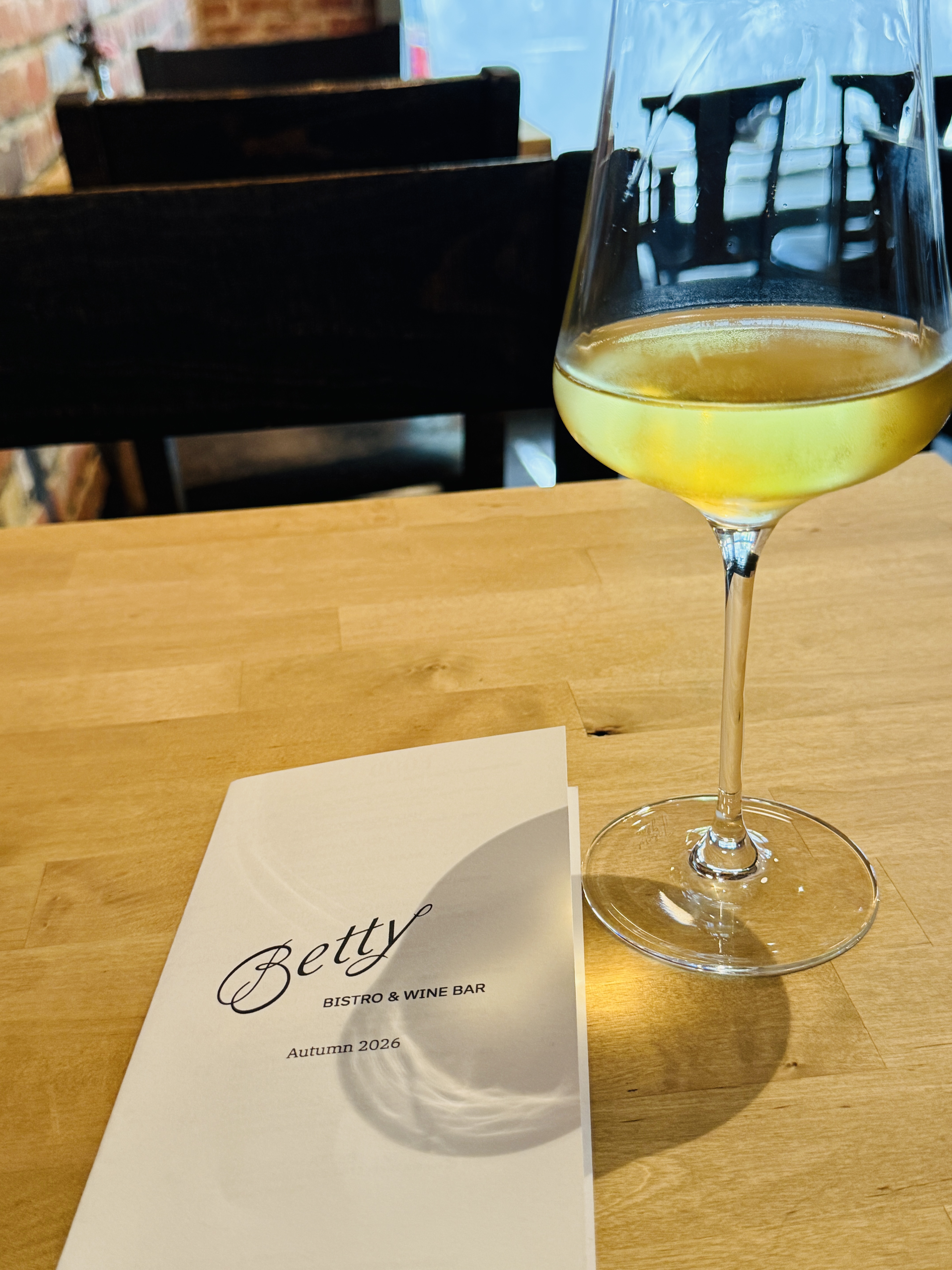
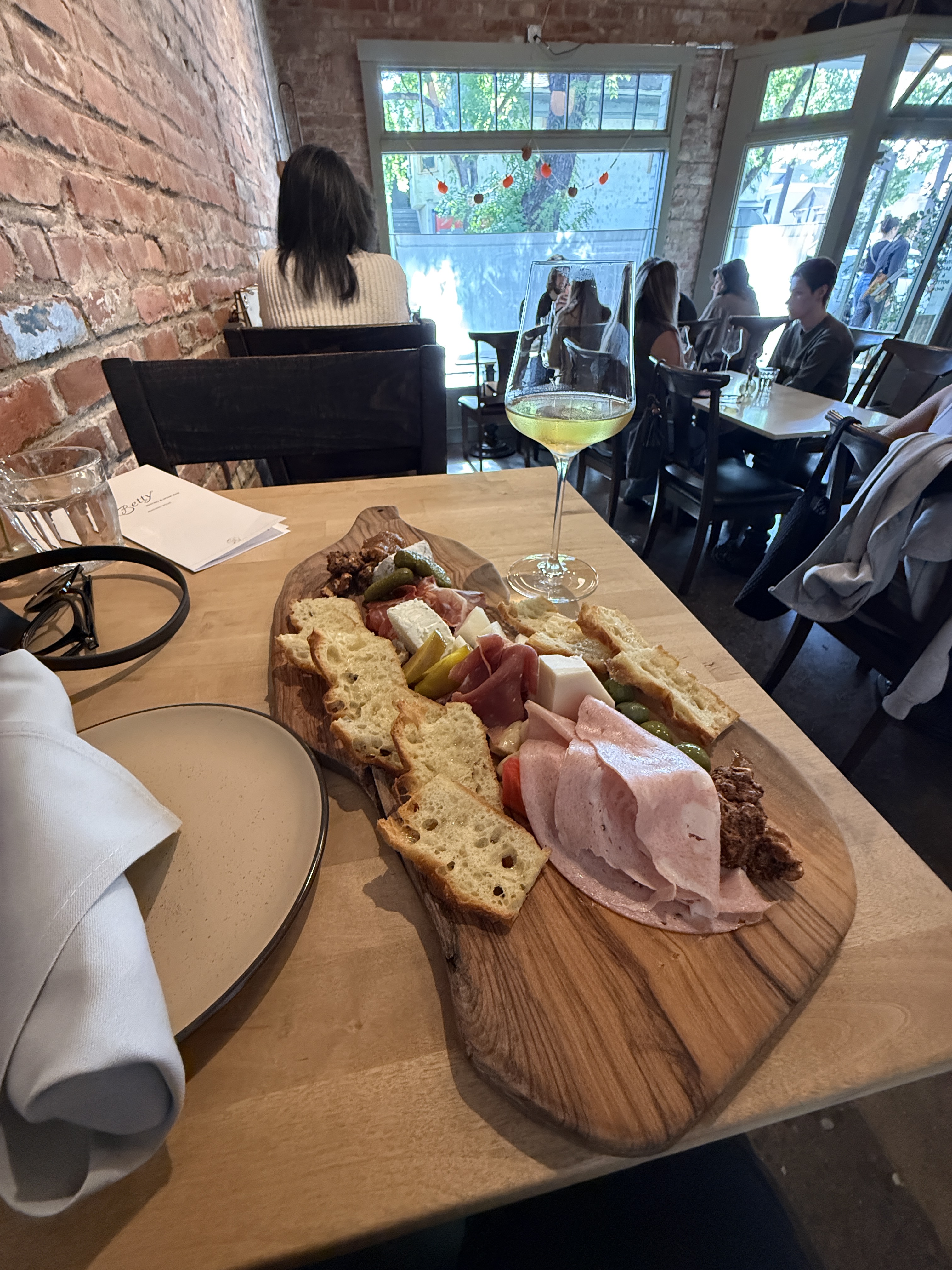
A visit to Betty Bistro & Wine Bar produced a beautiful charcuterie board, a glass of white wine, and a very satisfactory reminder that culinary research needn’t be particularly arduous.

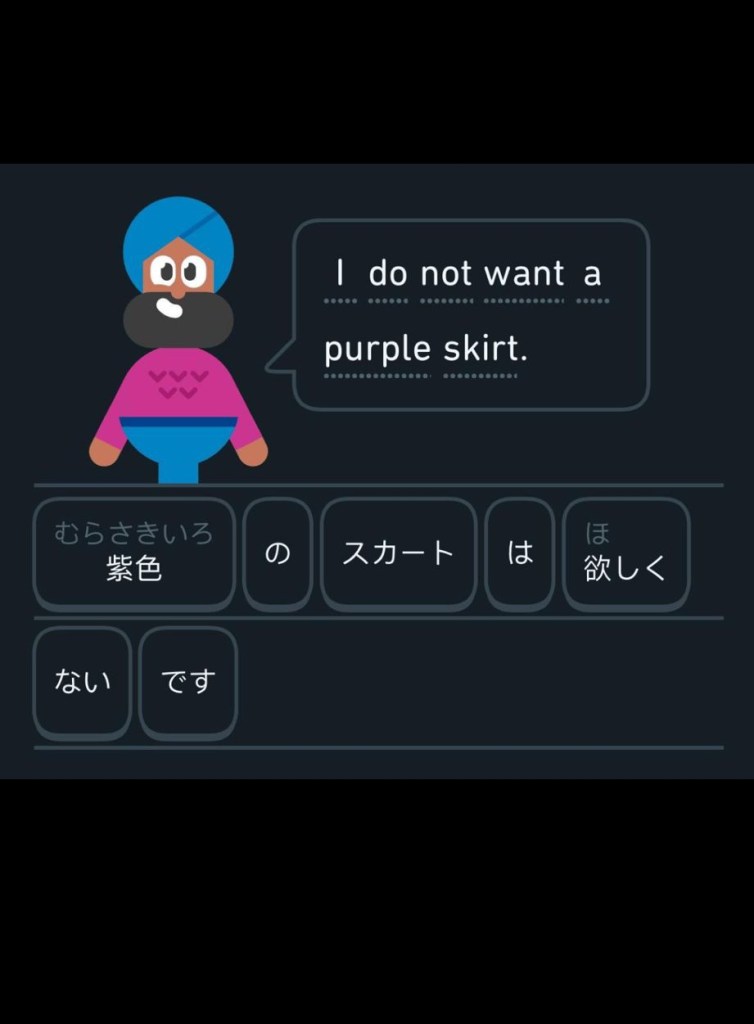
Meanwhile, I’m attempting to learn a little Japanese. Duolingo assures me I’m making progress. Whether anyone in Japan will understand a word I say remains to be seen.

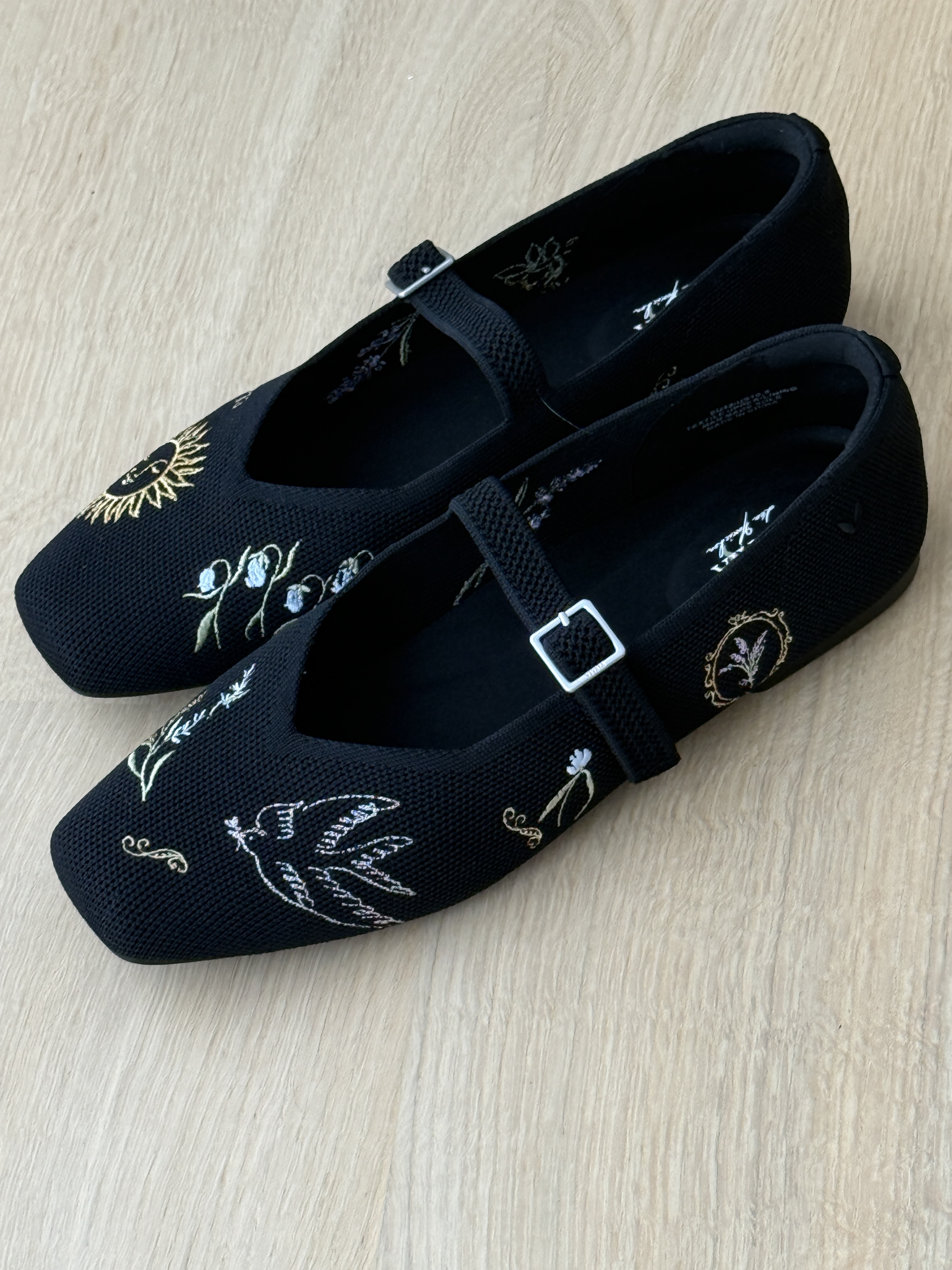
And then there’s the packing. Let’s just say the shoes have opinions.

The Main Event: Japan!

The centerpiece of this adventure is a culinary journey with Modern Adventure, a travel company that builds immersive experiences around food, culture, and the people who bring both to life.

I’ll be traveling with a group led by Seattle chef Brady Williams, exploring Japan through its kitchens, markets, traditions, and, naturally, its food. I’ll save the itinerary and all its delicious details for another post.

But first, there’s Hawaii, where I’ll spend a little time before crossing the Pacific.

So welcome back to MixedSoup.

The pot’s back on the stove. Let’s see what happens.

More to come from Sacramento, Hawaii, and Japan.

to temoyoi!