Just when I thought I’d exhausted my supply of embarrassing moments in Japan, I managed to outdo myself. Spectacularly.
The Waldorf Astoria Osaka is a beautiful hotel, with exceptional staff and a rather unfortunate view from my room of two terrifying towers that resemble an enormous pair of uncomfortable pants. Apparently, even luxury accommodation cannot protect me from my own imagination.
The scene: Brasserie Jolie at the Waldorf Astoria Osaka. The culprit: a duck breast. The perpetrator: yours truly.
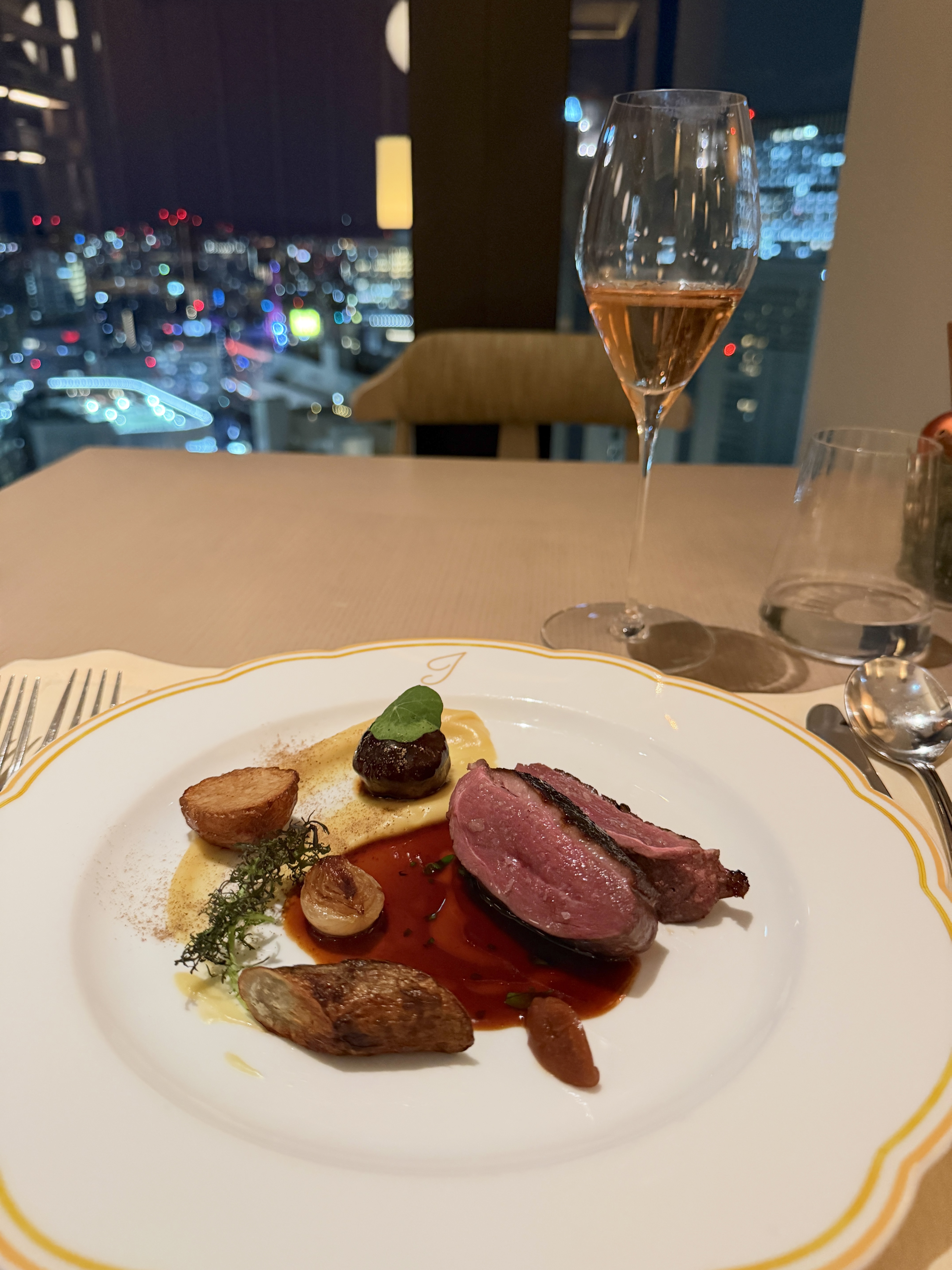
It all began innocently enough. I’d ordered duck breast, which arrived rather thickly cut, beautifully seared on the outside, but almost raw in the center. Now, I enjoy duck cooked rare to medium-rare, but this was pushing the boundaries of my enthusiasm. Worse, there was a stubborn layer of fat and some decidedly chewy connective tissue that made the whole experience rather less enjoyable than anticipated.
I could have simply eaten what I liked and left the rest.
I could have said nothing.
But apparently, after several weeks in Japan, I’d developed the inexplicable urge to offer professional chefs unsolicited culinary advice.
I asked my waitress whether the chef had prepared the duck sous vide.
She didn’t know, but graciously offered to find out. A few minutes later, she returned with the answer: no, the chef had not used sous vide.
And this, dear readers, was my opportunity to shut up.
Naturally, I did the opposite.
I proceeded to explain that the chef might benefit from using sous vide for this particular preparation. Cook the duck gently to the desired temperature, then finish it with a good sear to crisp the skin and render the fat.
Simple enough, right?
Except I wasn’t merely explaining. Oh, no. I was demonstrating.
There were hand gestures. There were sizzling sound effects. There was enthusiastic pointing at the offending duck breast as I attempted to illustrate the difference between properly rendered fat and the chewy situation currently occupying my plate.
All of this was directed at a perfectly polite waitress who had neither cooked the duck nor requested a cooking lesson.
I wasn’t angry. I wasn’t demanding a replacement. I genuinely thought I was being helpful.
Which, in retrospect, might be the most embarrassing part of the entire episode.
Here I was, an American tourist in a beautiful Japanese hotel, explaining to a professional kitchen how to cook duck. Through an unsuspecting member of the waitstaff. With sound effects.
But wait. It gets worse.
Having completed my impromptu culinary consultation, I suddenly realized that the chef might not particularly appreciate hearing that some American woman in the dining room had just explained how to do his job.
So what did I do?
I asked the waitress not to pass along my sous vide recommendation until after I’d left the restaurant.
Yes. Really.
Apparently, I was perfectly comfortable offering unsolicited advice to a professional chef, provided I wasn’t actually present when he received it.
Culinary courage, followed immediately by a tactical retreat.
Coward.
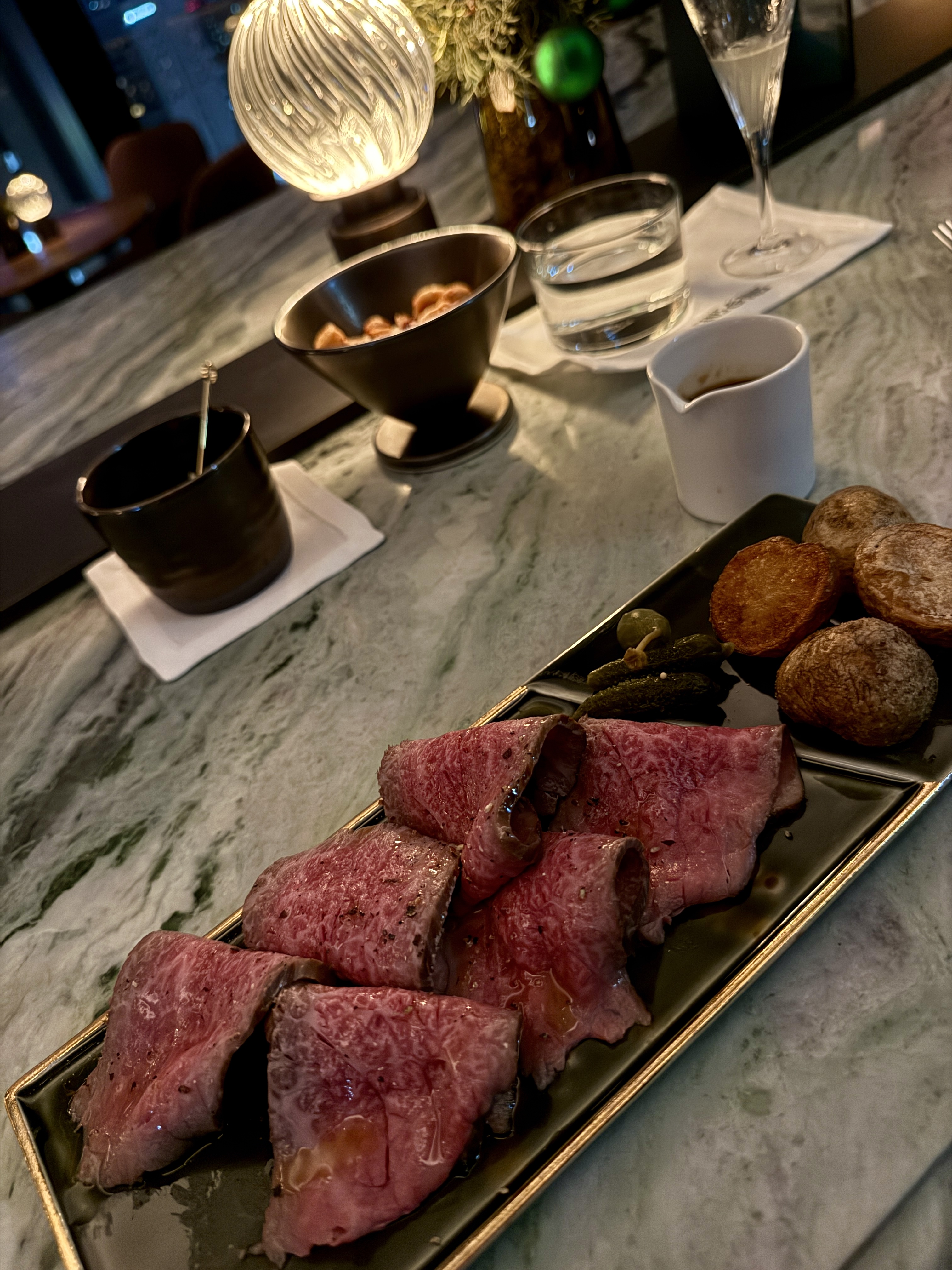
As it turns out, I DID take a photograph of the offending duck. Photographic evidence of my little international culinary incident does, in fact, exist.
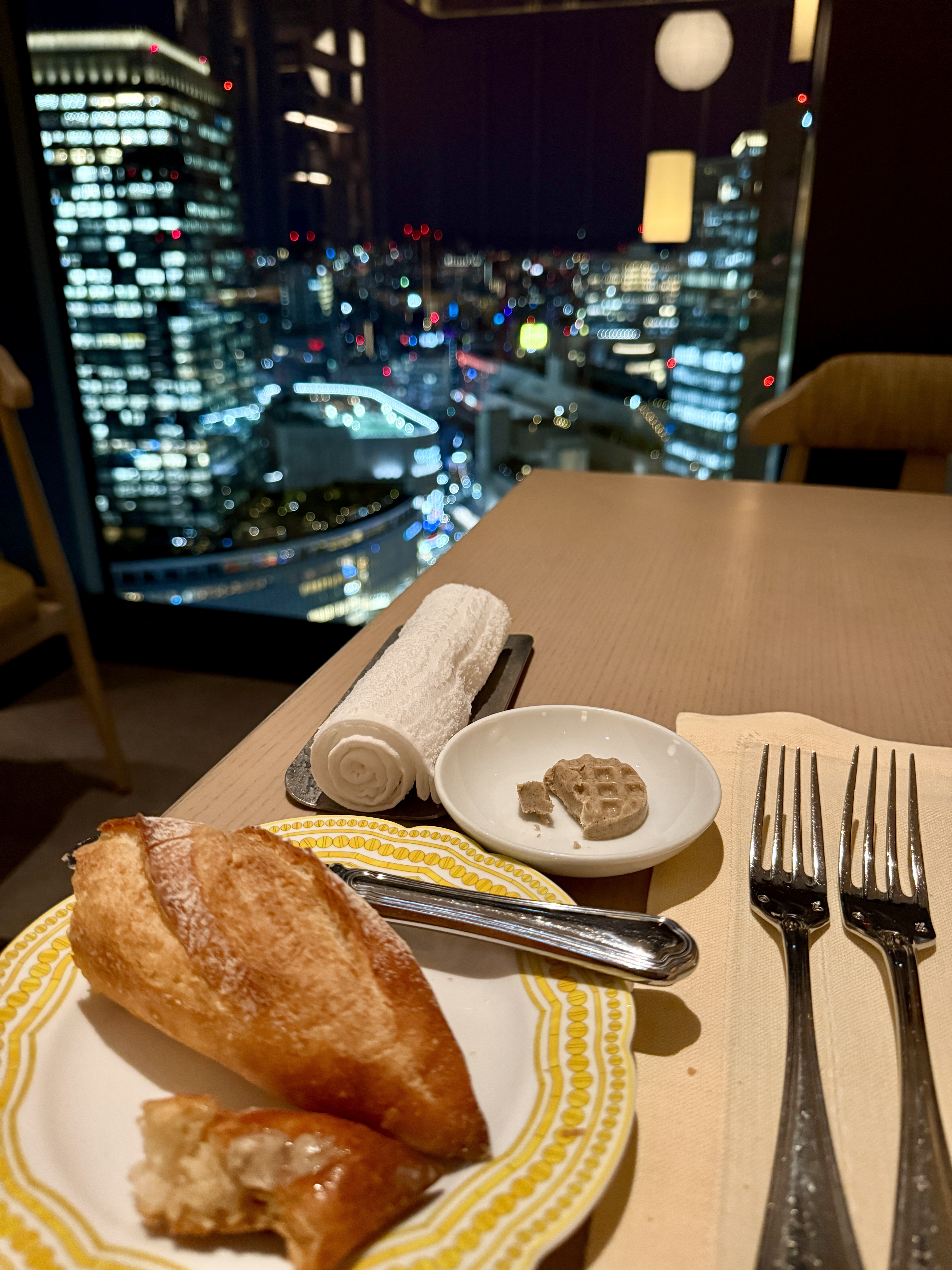
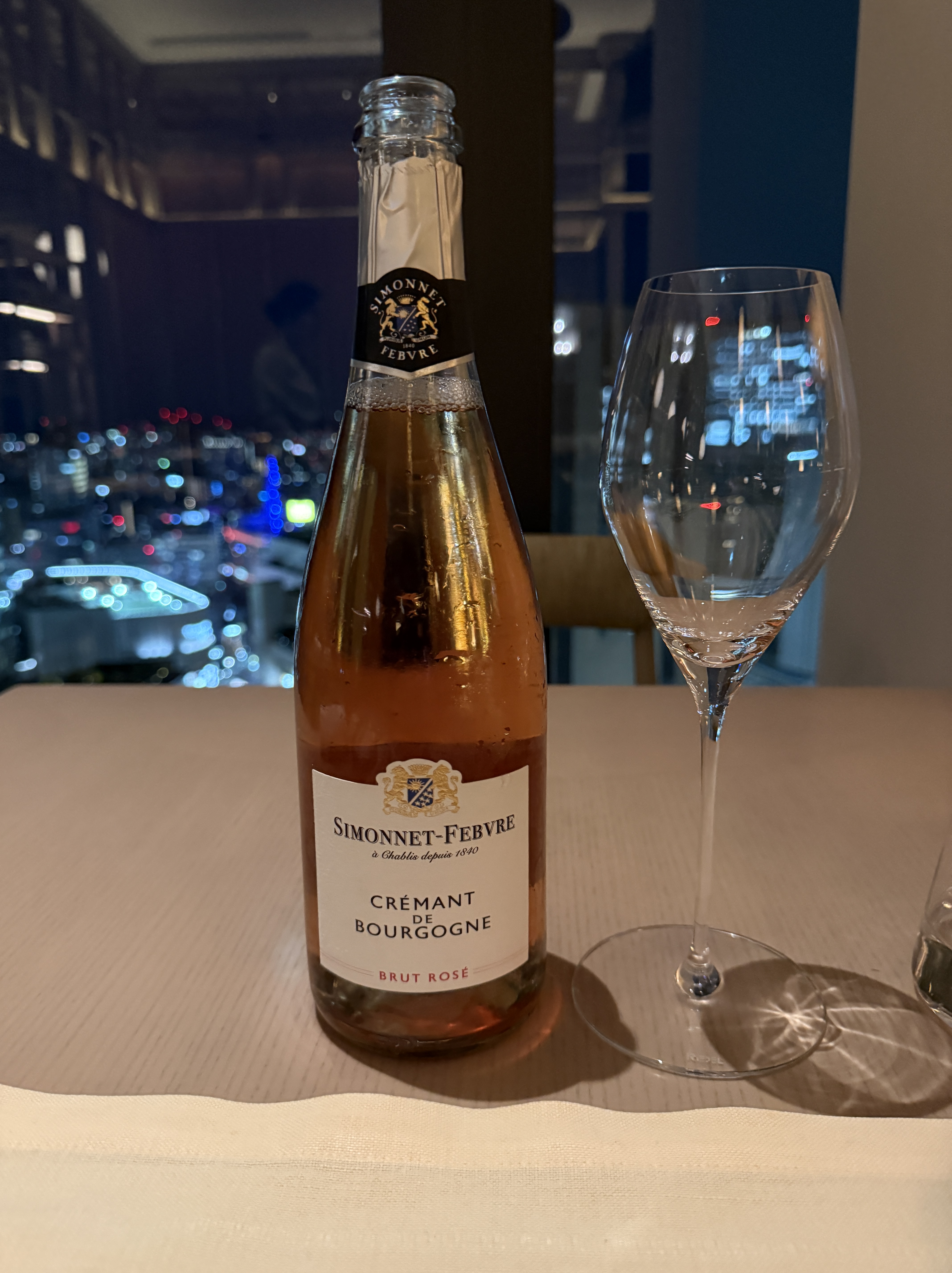
Before returning to the same restaurant for breakfast, I wondered whether I’d encounter some of the same waitstaff. Will I receive a knowing glance? A discreet smile? A little side-eye?
Or, worse, will someone from the kitchen emerge to discuss the finer points of duck preparation?
At this point, nothing would surprise me.
I’m leaving Japan shortly, which is probably just as well. Between the slipper mishaps, mysterious dining-room buttons, and now my unsolicited sous vide seminar, I suspect I’ve tested the limits of Japanese hospitality.
And yet, despite my occasional spectacular lapses in judgment, everyone has been remarkably gracious.
Perhaps that’s the real lesson here.
Or perhaps the lesson is simply to eat my breakfast, compliment the eggs, and keep my mouth shut.
In all seriousness, the staff at the Waldorf Astoria have been exceptional, even after my little brasserie debacle.
Meanwhile, back in my room, I’ve become both intrigued and thoroughly bewildered by the televised sumo tournament. The face-slapping is quite something, and apparently perfectly legal. But what fascinates me even more is the ceremoniousness of it all.
Everybody has a job, including the gentleman sweeping up the salt that the wrestlers scatter to purify the ring. The competitors crouch, stand back up, smack their belts, and repeat the preparations. There are stiff little cords sticking out of their belts (the mawashi, not an obi — Obi-Wan Kenobi notwithstanding), and then there’s the ritual offering of strength water.
I was particularly mesmerized by the ceremonial entrance of a yokozuna, a wrestler of the highest rank, wearing an enormous white rope. Big leg lift and STOMP. Another big leg lift and STOMP. Arm movements, then a little scoochy-scoochy-scoochy across the ring, accompanied by appreciative clapping and cheers from the audience. These movements have roots in Shinto ritual, including symbolically driving away evil spirits. I find the juxtaposition of all this solemn preparation and a match that can be over in seconds absolutely fascinating.
The final day of the tournament is tomorrow, and I’m hoping to catch a little more of it. I have a video clip to share. At least this time I’ve managed to refrain from offering professional advice.
Speaking of foreign languages, having grown up in California and studied enough Spanish in school to confidently announce that my pencil is yellow, I’ve caught myself several times in Japan about to utter, “¿Cómo se dice?” Thankfully, I’ve intercepted the words before they’ve escaped my mouth. I suspect that would have gone over like a lead zeppelin. Apparently, my brain recognizes that I’m in a foreign country but hasn’t quite bothered to establish which one.
I’ve also been rather entertained by the snack selection in my room: butter potato chips, bacon tips and a funky little bag of blue cheese cashews. Japanese snack adventures continue.
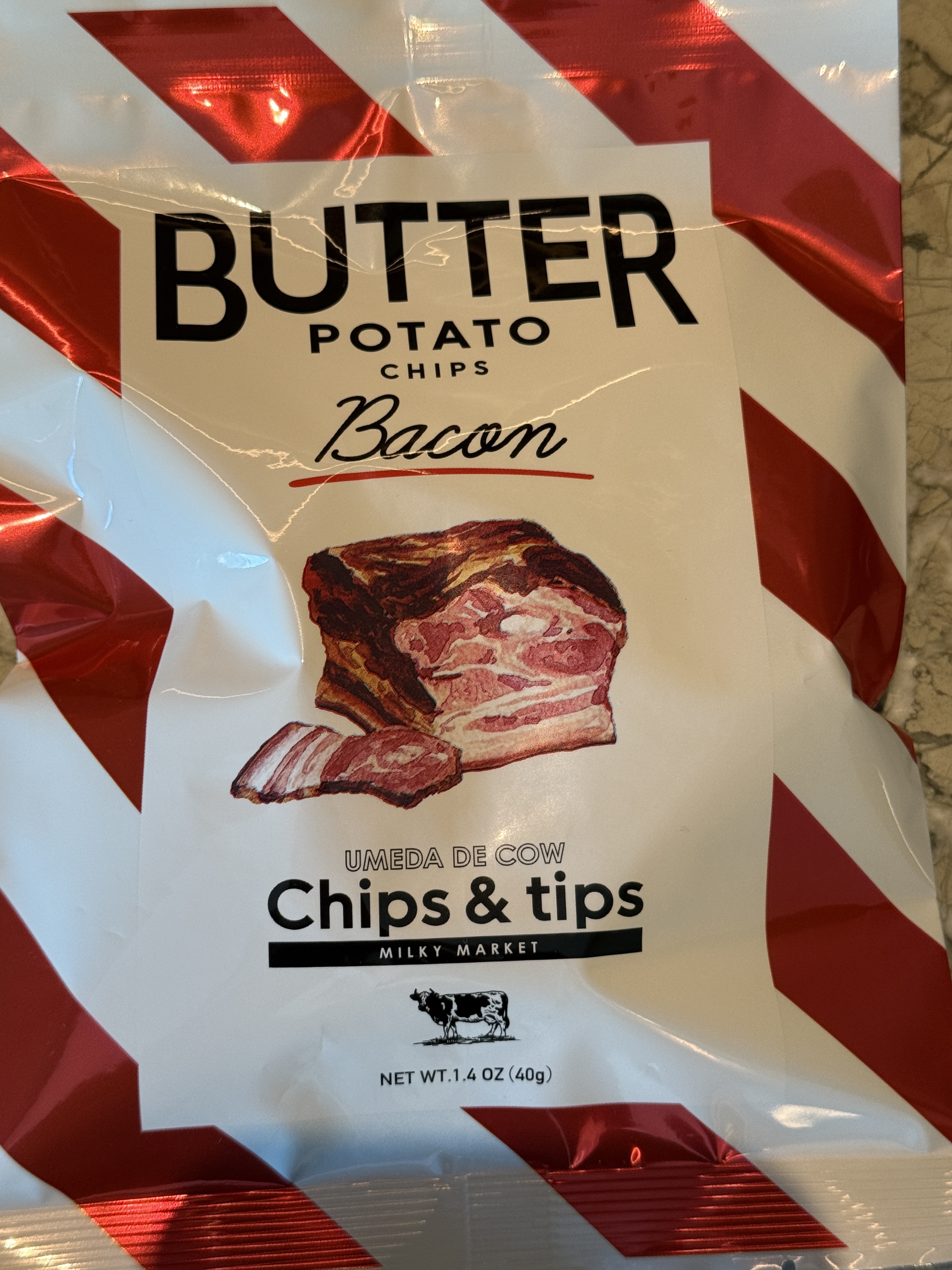
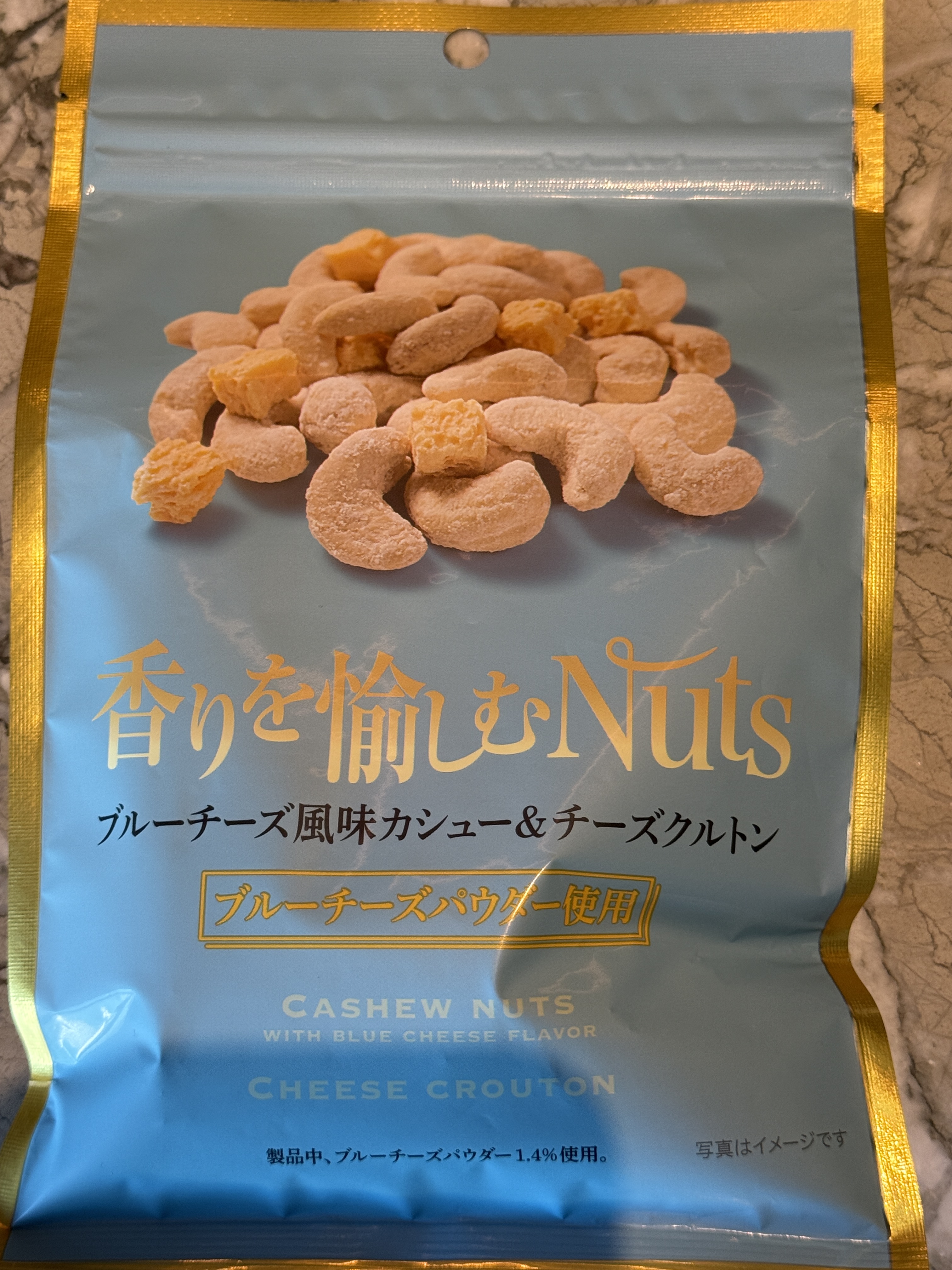
Out and About with Saori
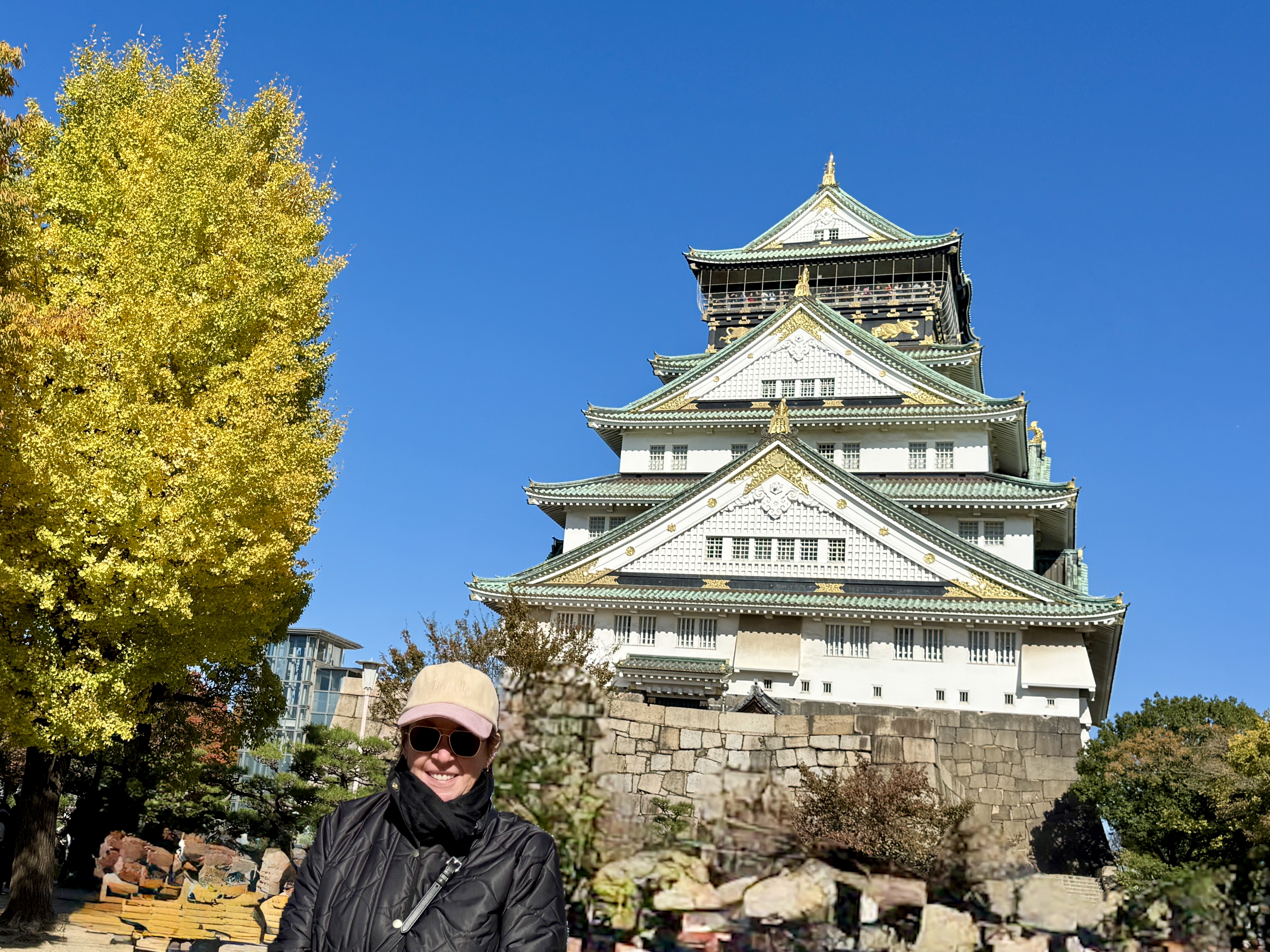
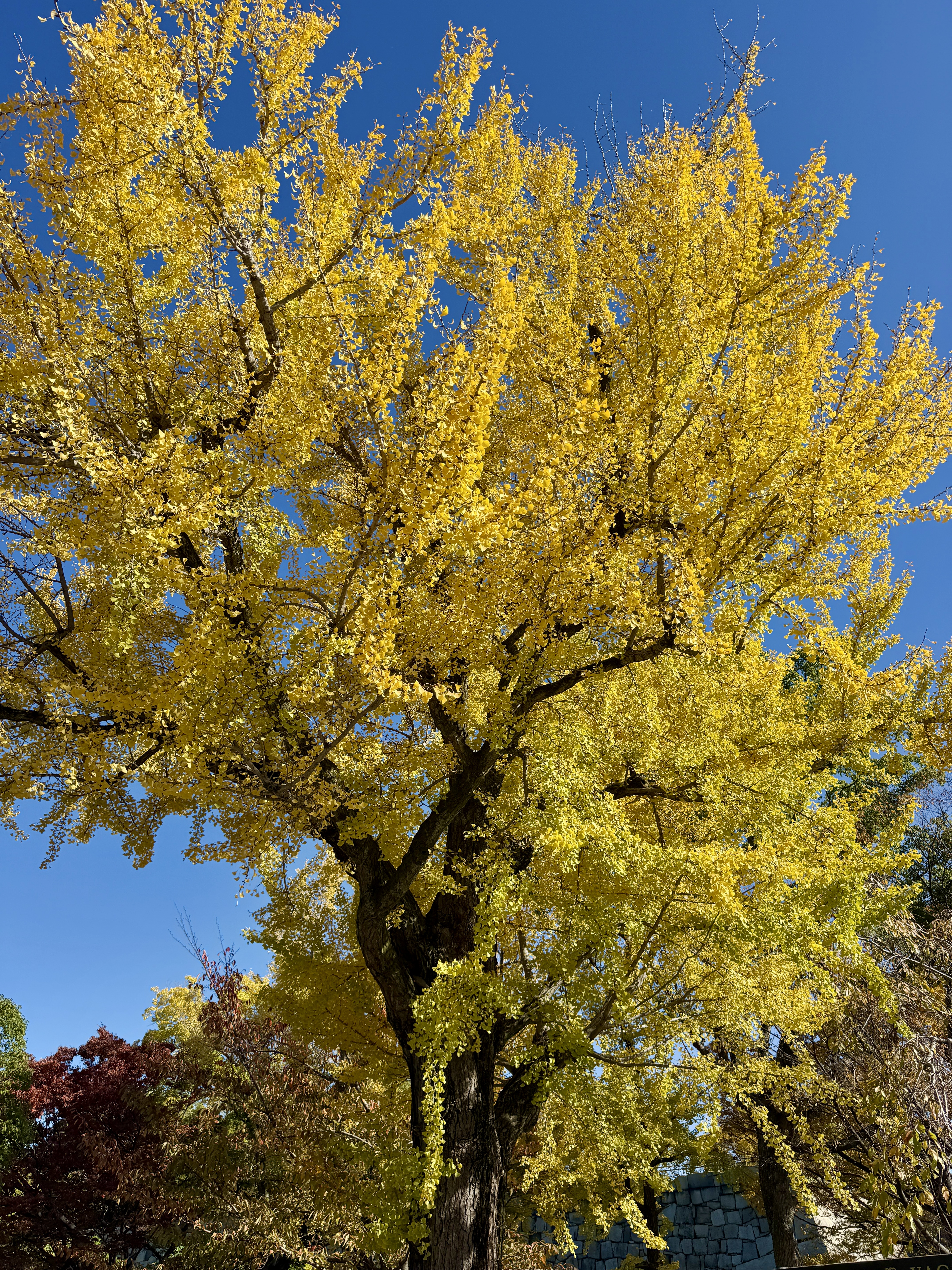
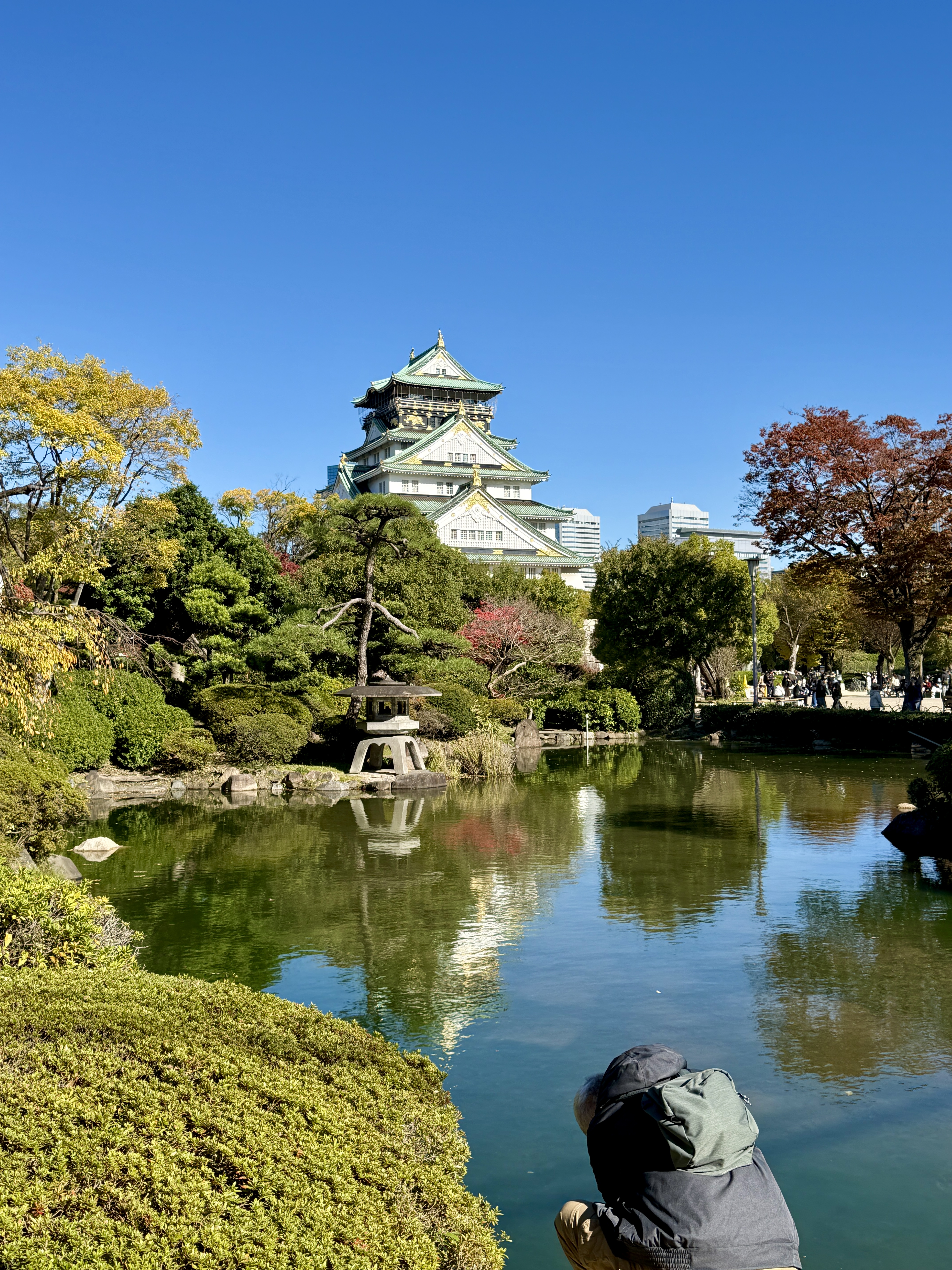
My final guided outing was billed as “Osaka Street Food,” but my lovely, informative guide Saori and I made a few changes. We began at Osaka Castle Park, where the beautiful grounds, pond garden and imposing castle offered a welcome dose of history. The original castle fell during the Siege of Osaka in 1615; later rebuilding, fires and wartime damage all left their mark. Today’s main tower is a twentieth-century reconstruction.
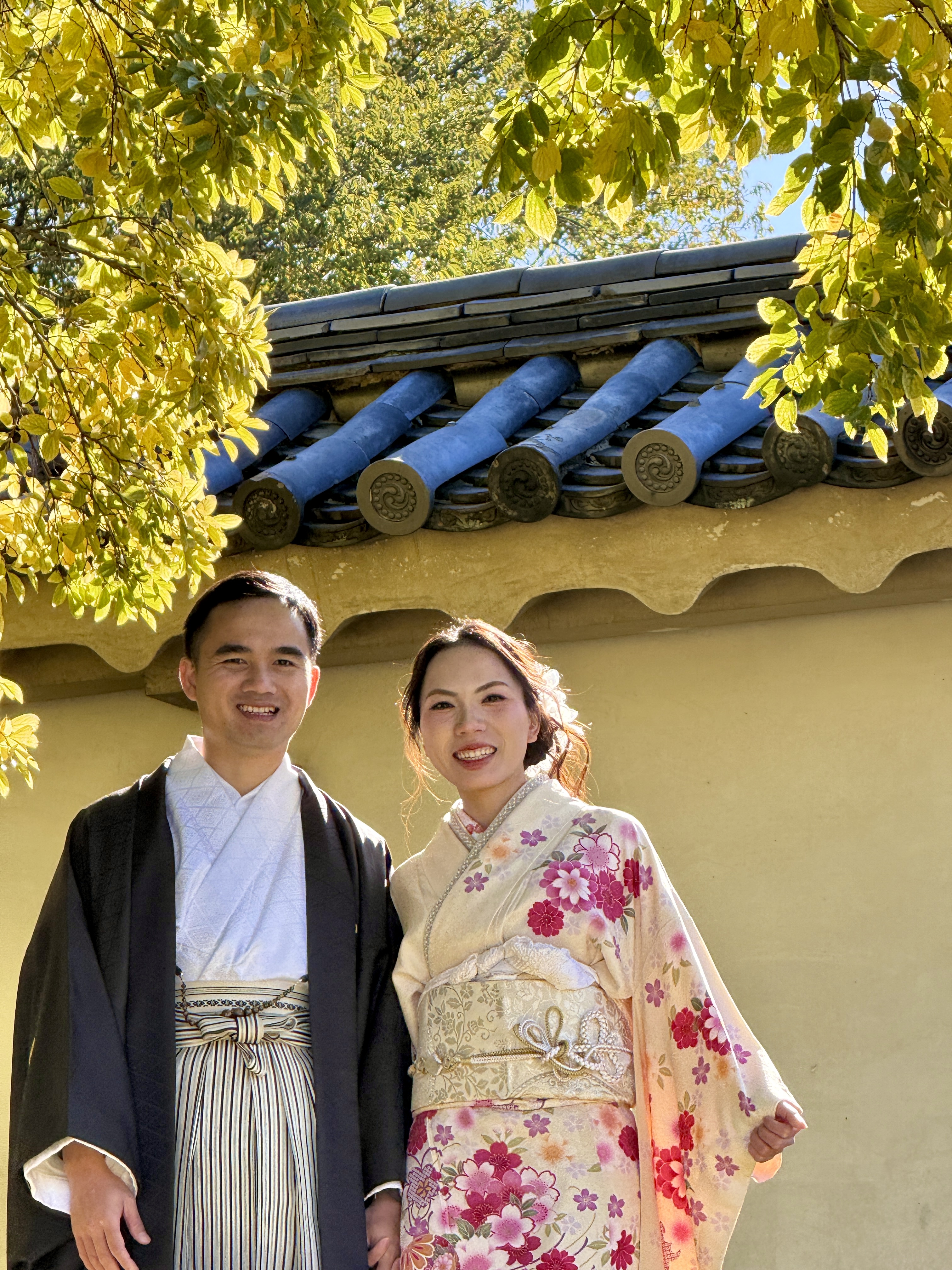
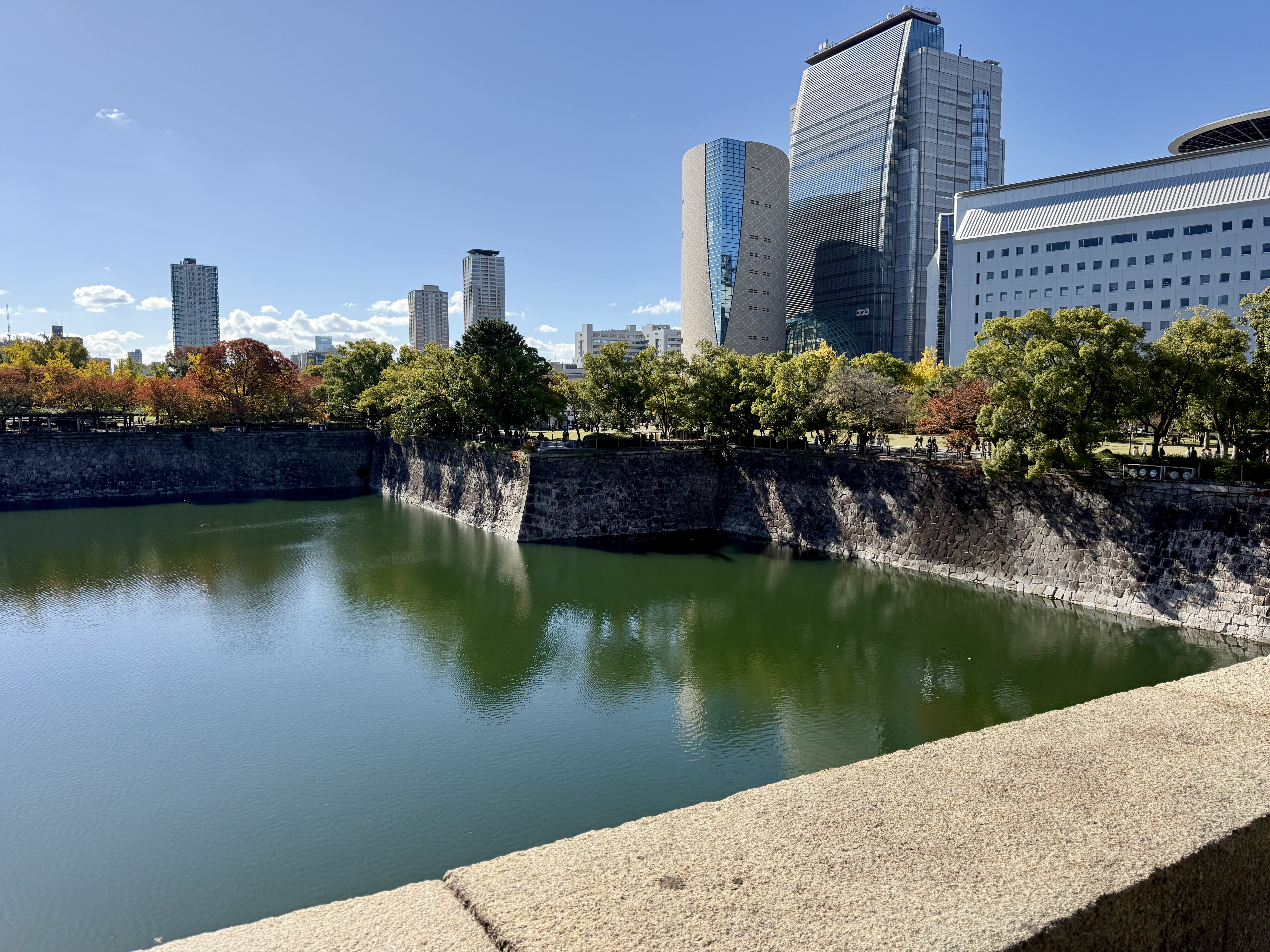
The defenses were impressive: inner and outer moats, massive stone walls, gates and openings designed for defenders to fire on unwelcome visitors. I photographed the outer moat, along with the wonderfully jarring sight of hypermodern towers rising beyond the historic grounds. We also came upon a couple having wedding photographs taken, and they kindly let me take a picture. A lovely moment.
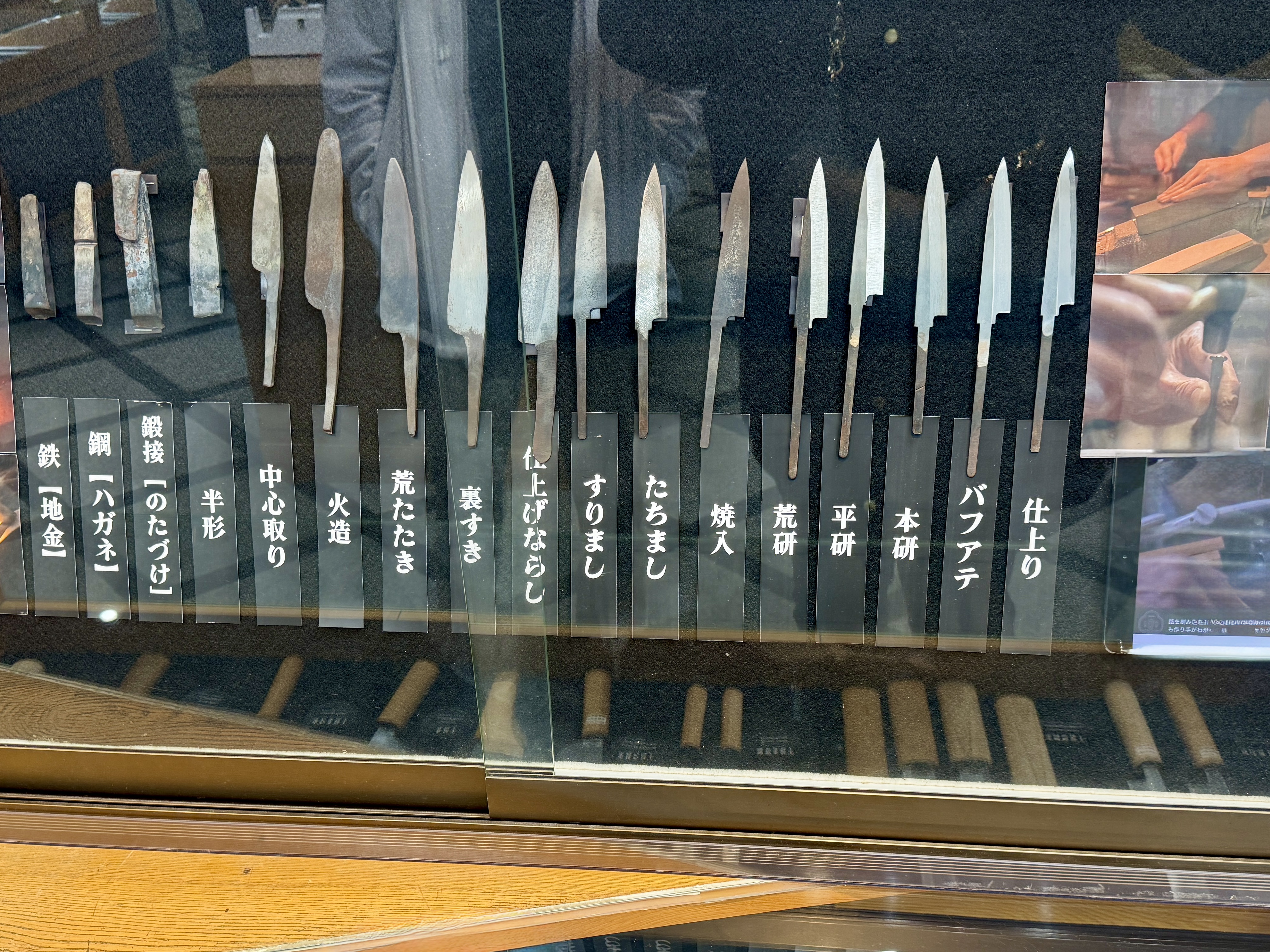
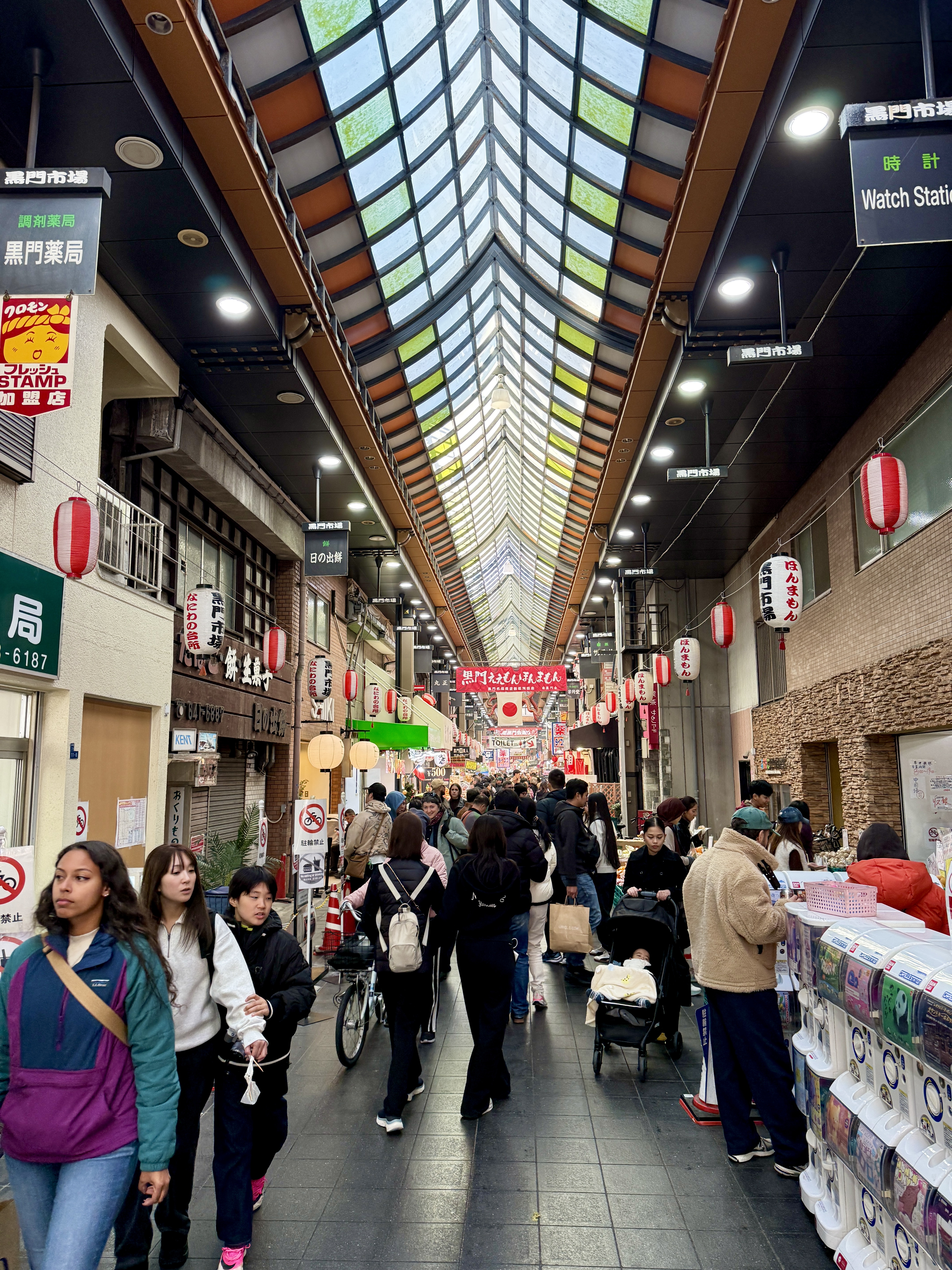
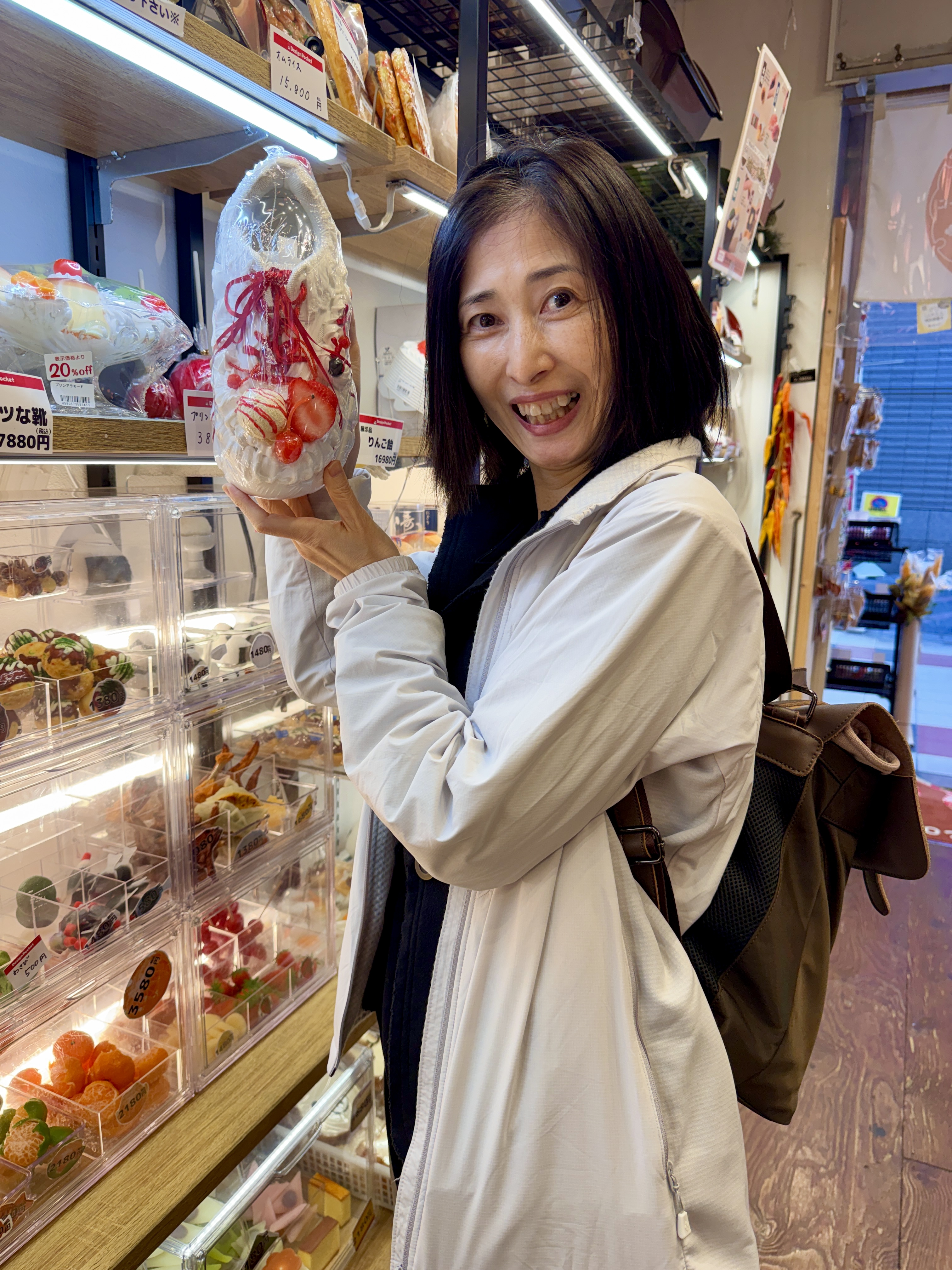
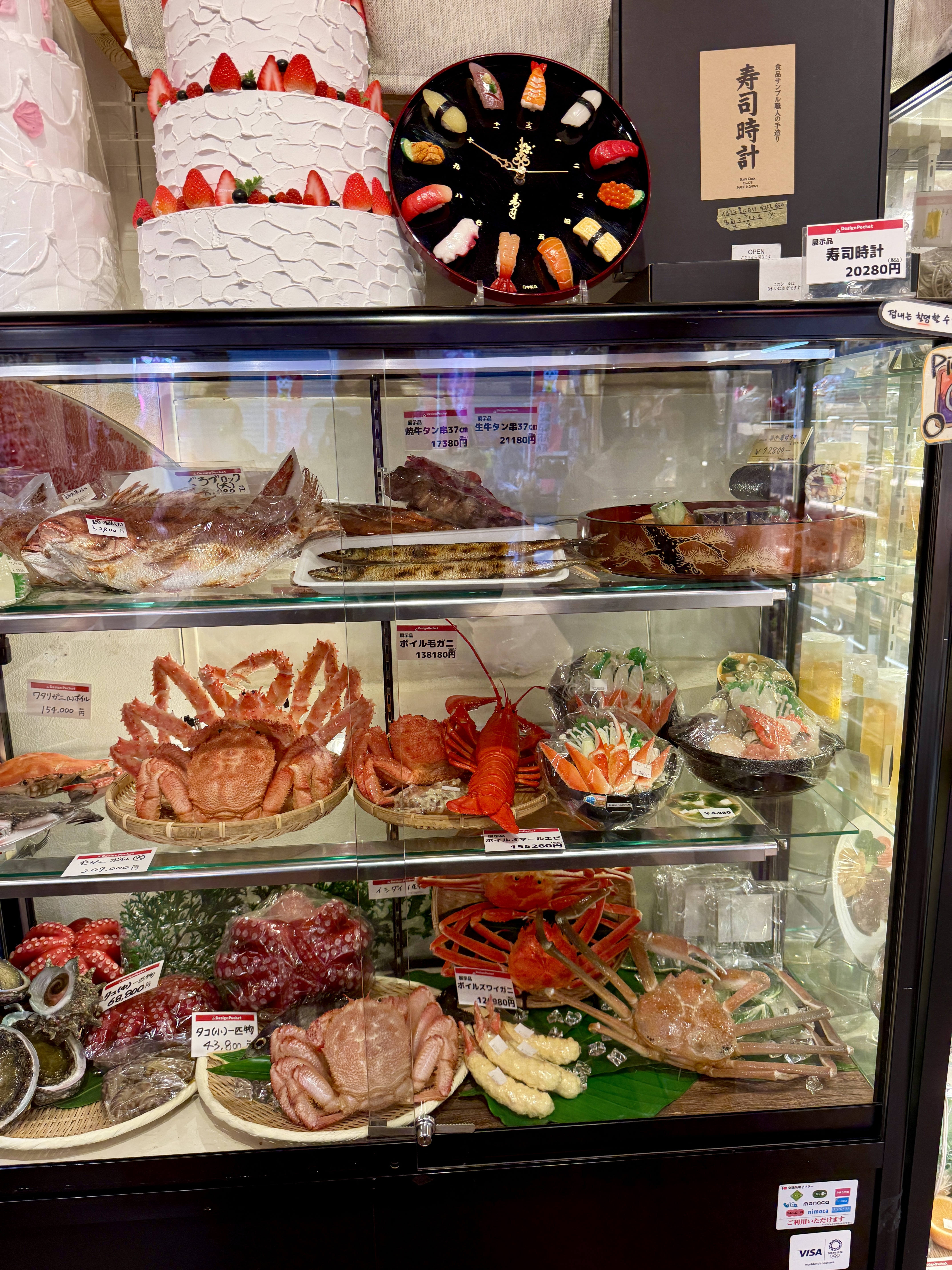
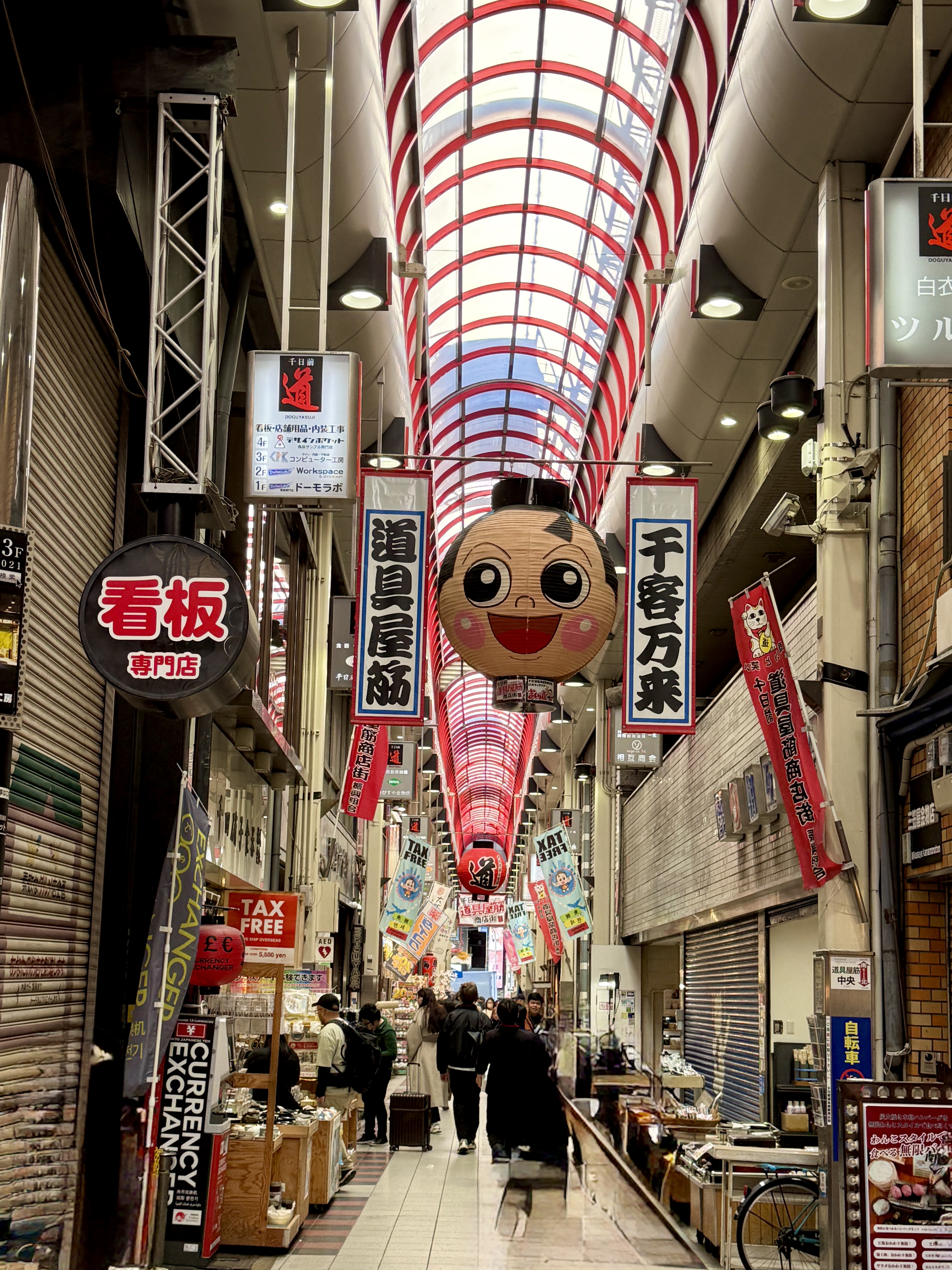
Next was Doguyasuji, Osaka’s kitchenware shopping street, with knives, housewares, takoyaki-making equipment and astonishingly realistic food replicas. Saori and I were especially entertained by an actual tennis shoe adorned with dessert-like strawberries, bonbons and frosting. A dessert sneaker. Why not? I may have acquired a few little gifts for a friend back home.
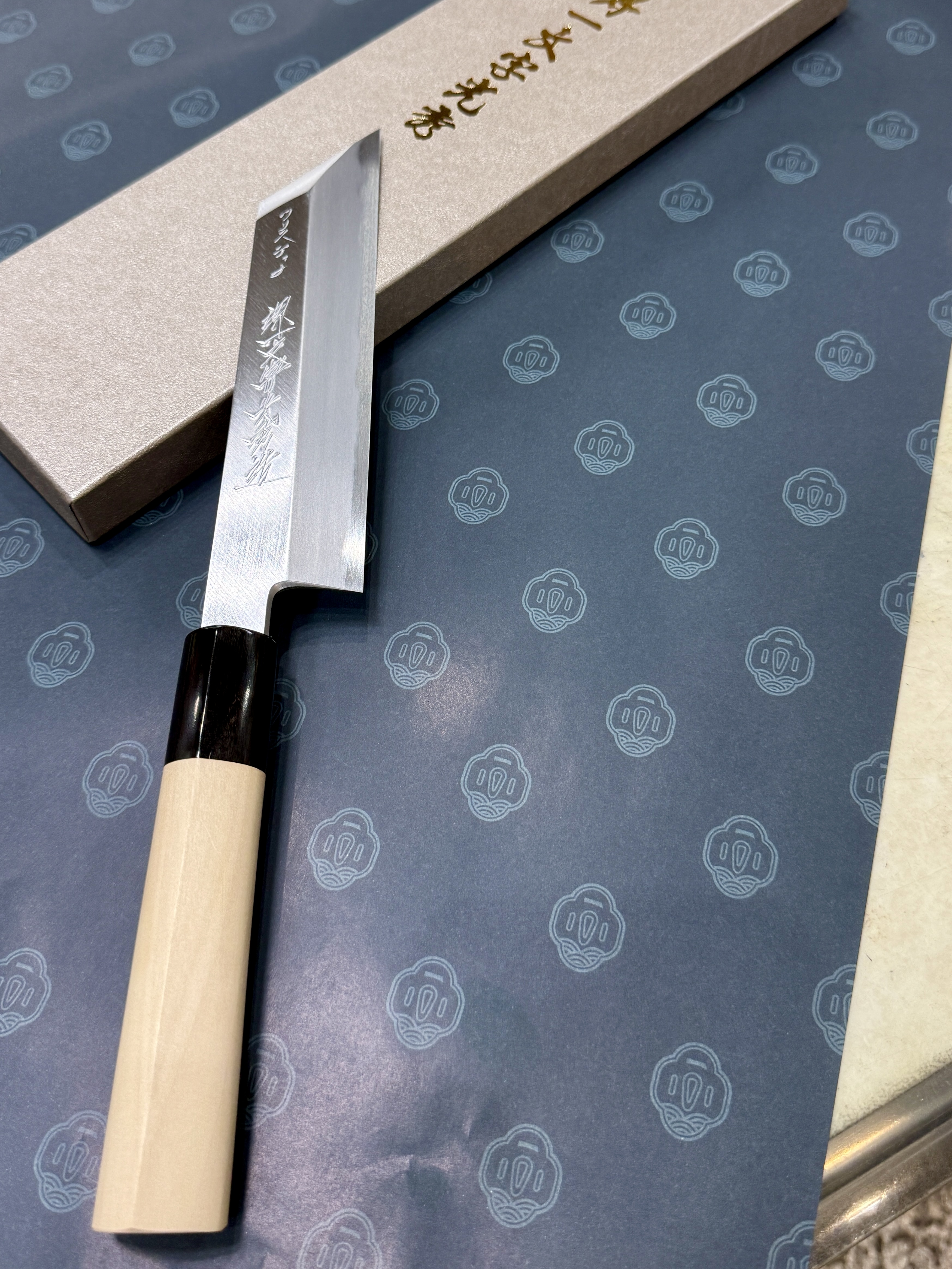
I also bought a knife for myself and watched an employee engrave it by hand with a hammer and chisel. The skill and precision were fascinating—one of those small encounters with craftsmanship that stays with you.
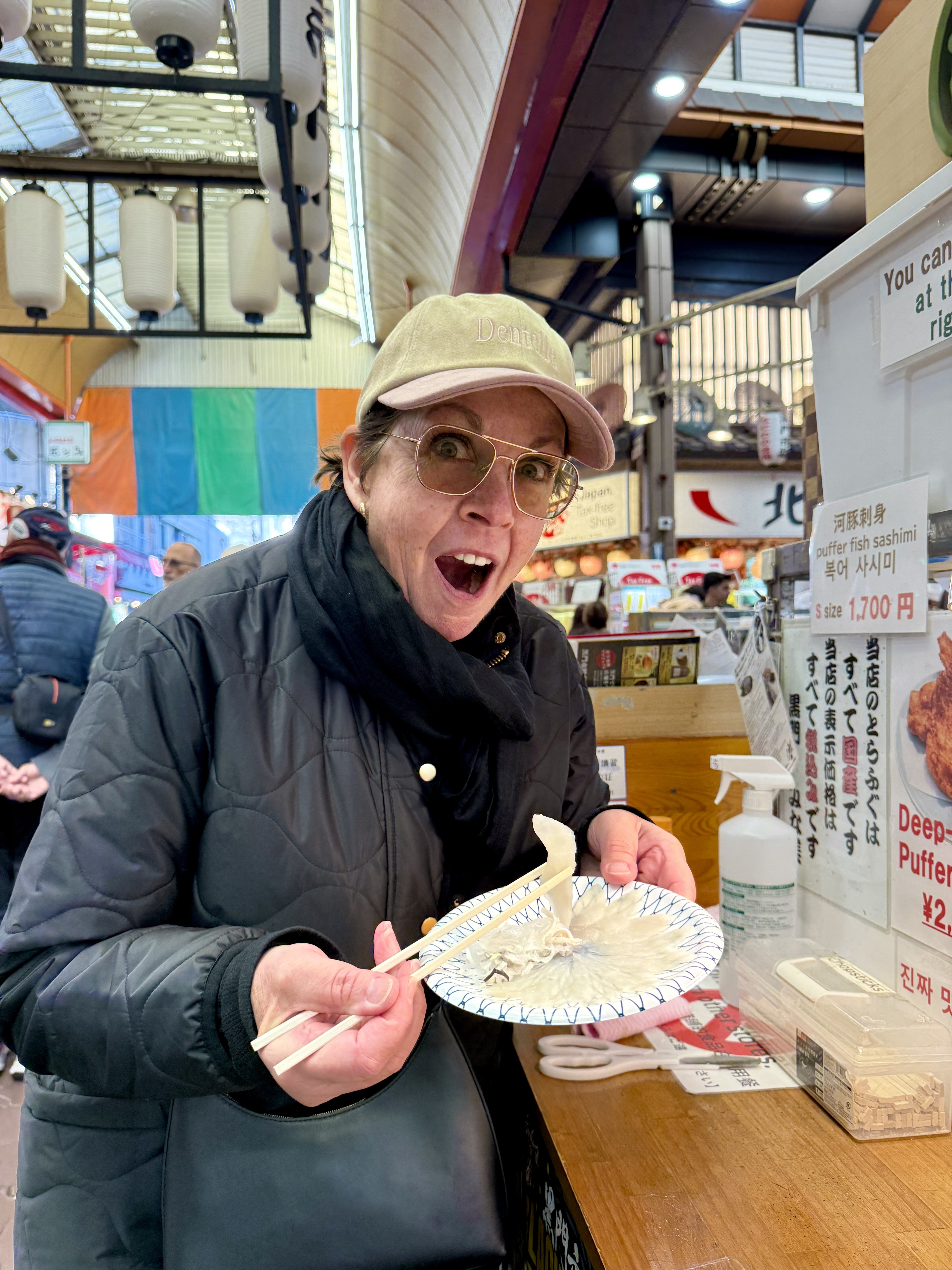
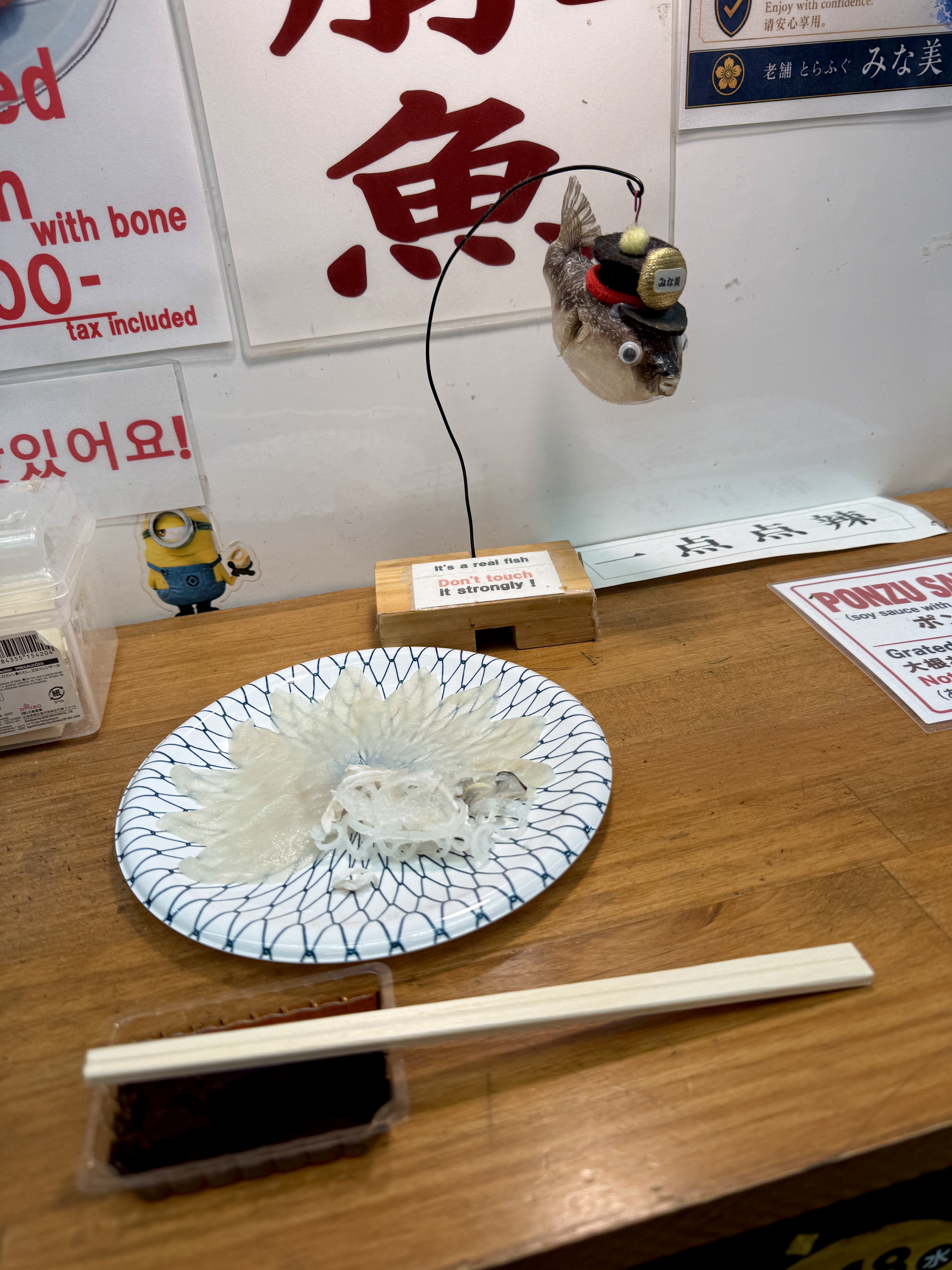
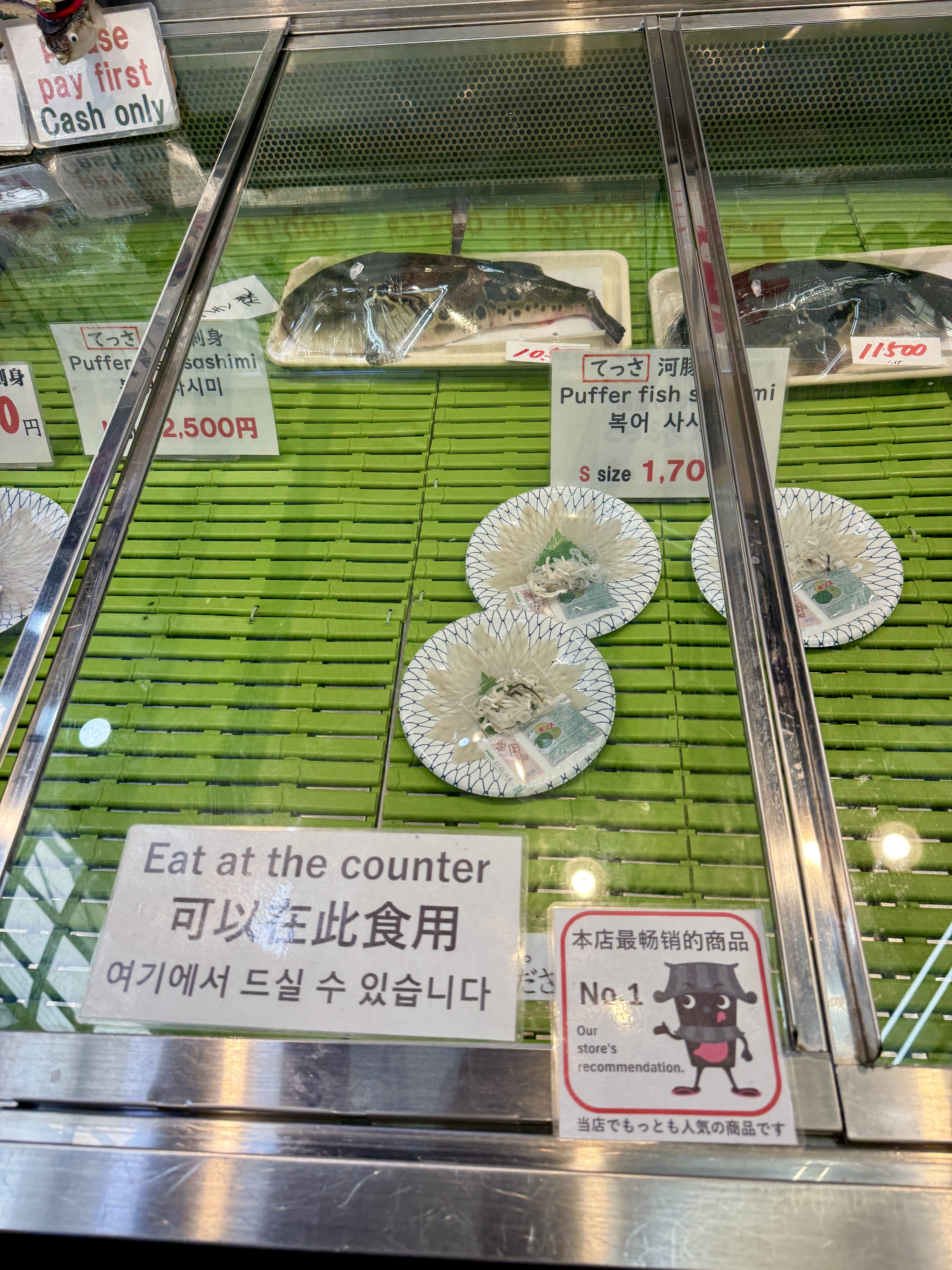
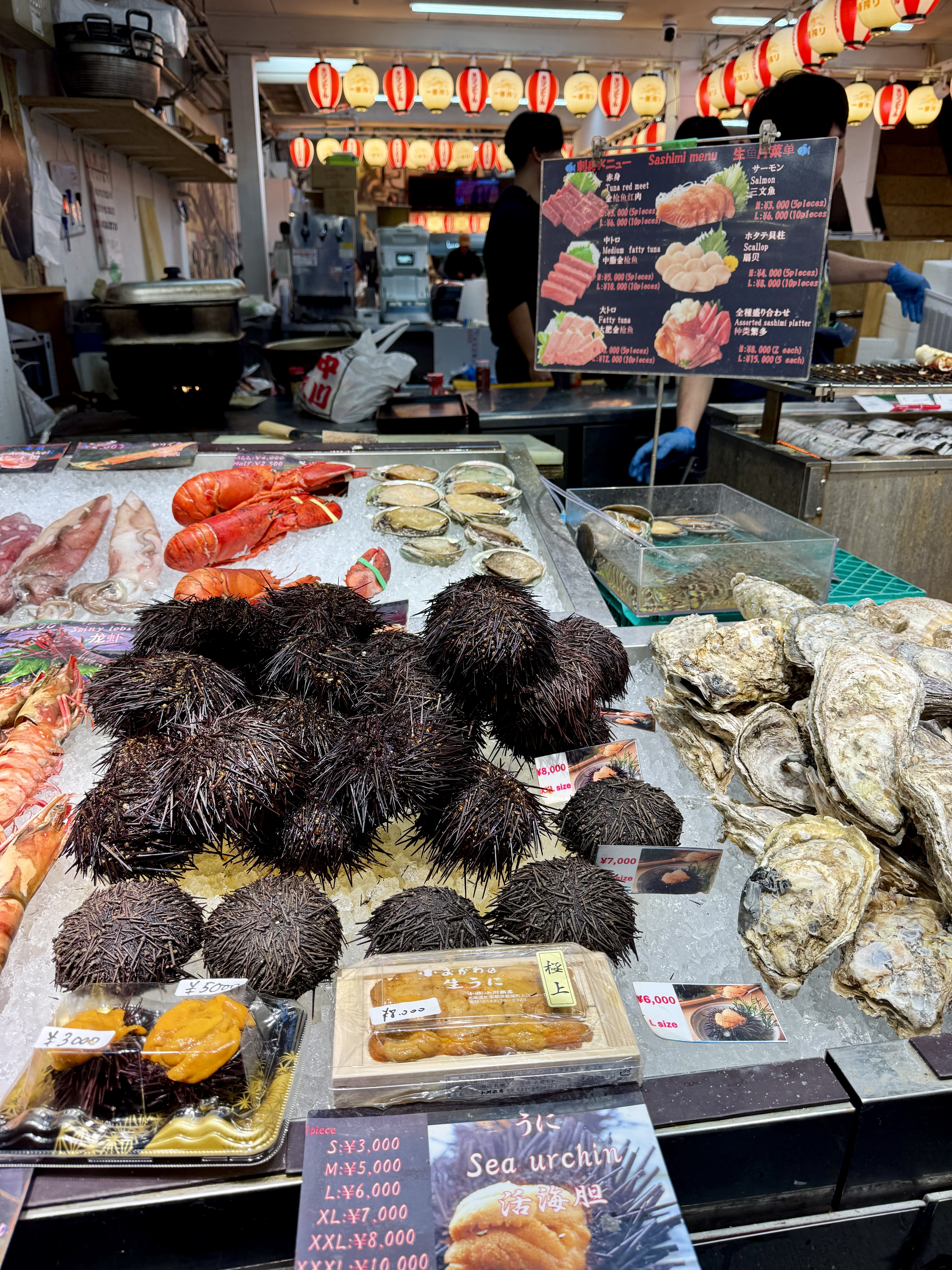
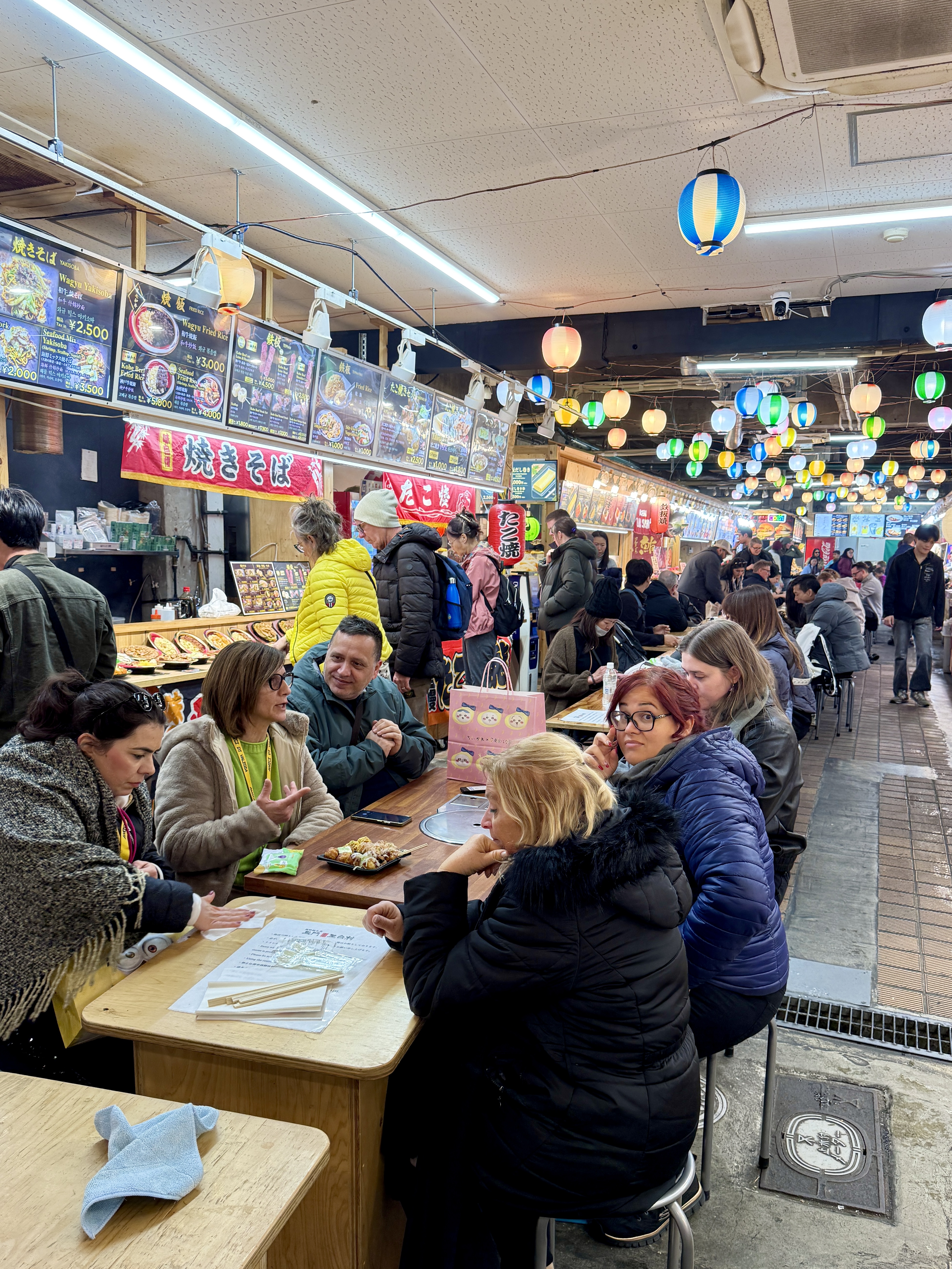
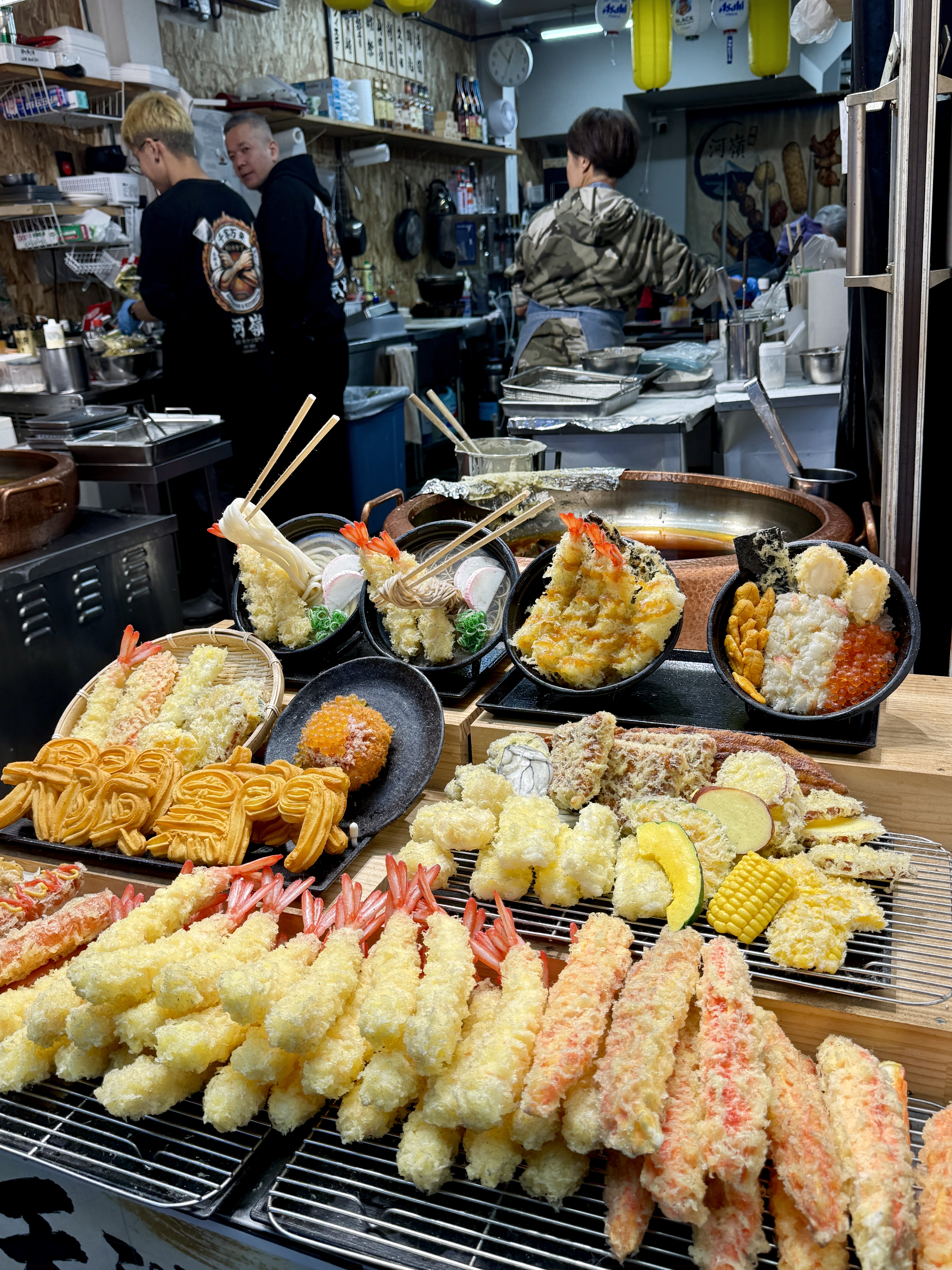
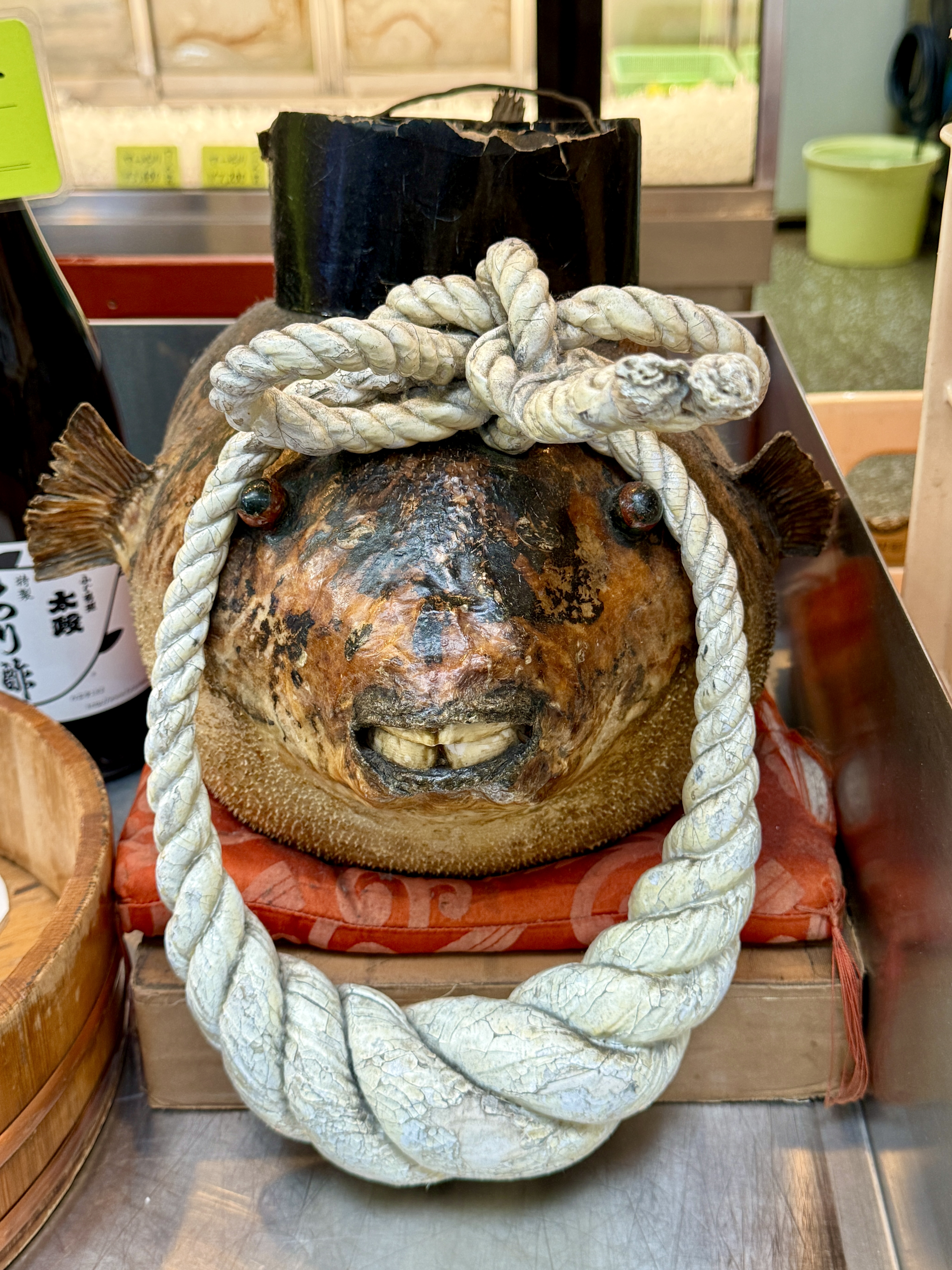
Then came the street-food adventure: fugu, Japan’s famous pufferfish, also called blowfish. Certain species can contain a deadly toxin, which is why preparation is strictly regulated. I ate it. I enjoyed the experience. And, as you can see, I lived to tell the tale. A little culinary suspense for my last tour day.
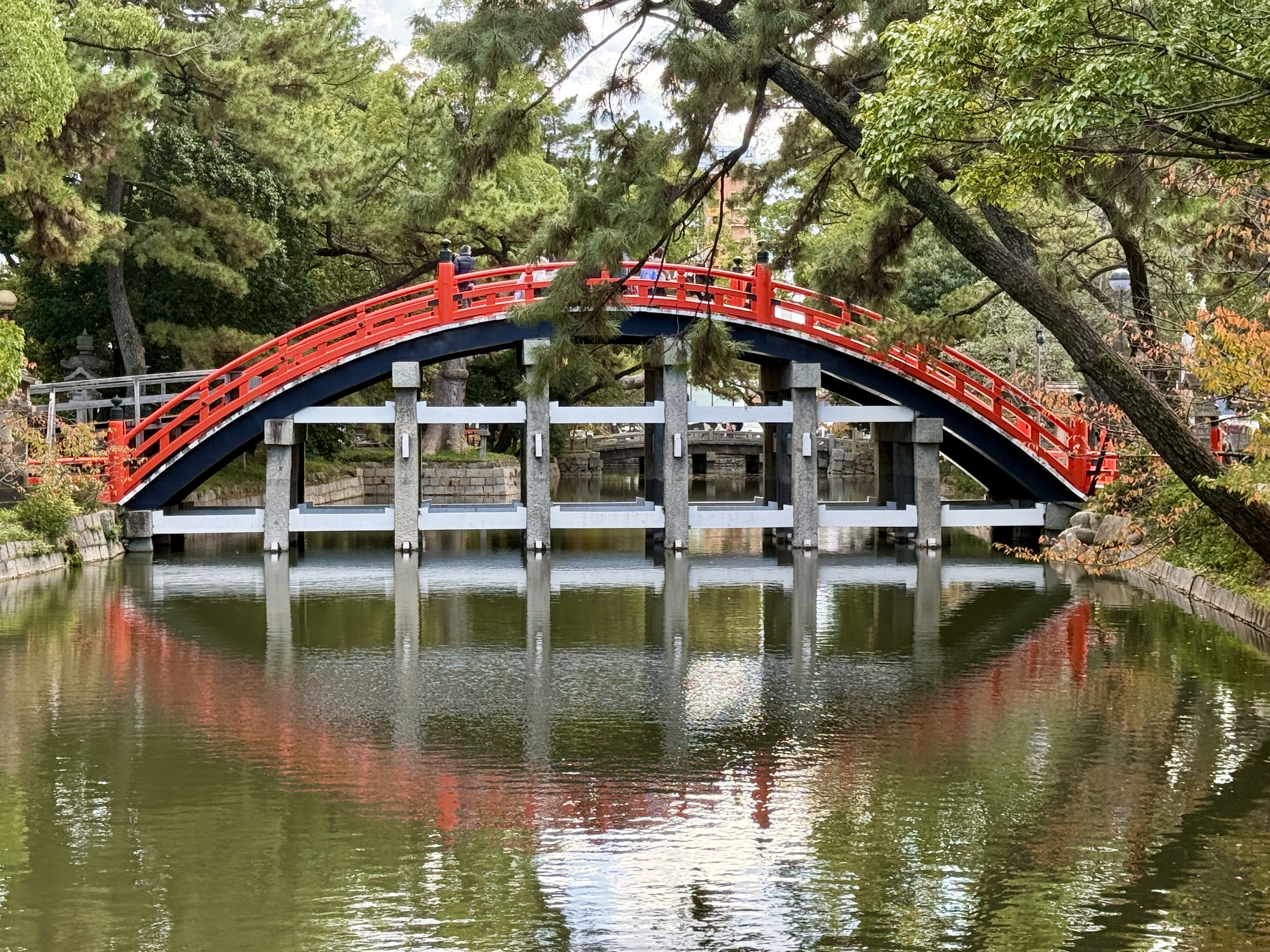
We made a quick yet respectful stop at the Sumiyoshi Taisha shrine where we were privileged to see part of a traditional wedding! Everyone’s getting married in Japan.
Back at the Waldorf
Back at the hotel, I finally visited Canes & Tales, dressed in my uncomfortable sexy shoes, modern eyeglasses and hat, only to discover that some fellow patrons had taken a rather more relaxed approach to dressing for the occasion. Apparently I was the one trying to be hip.
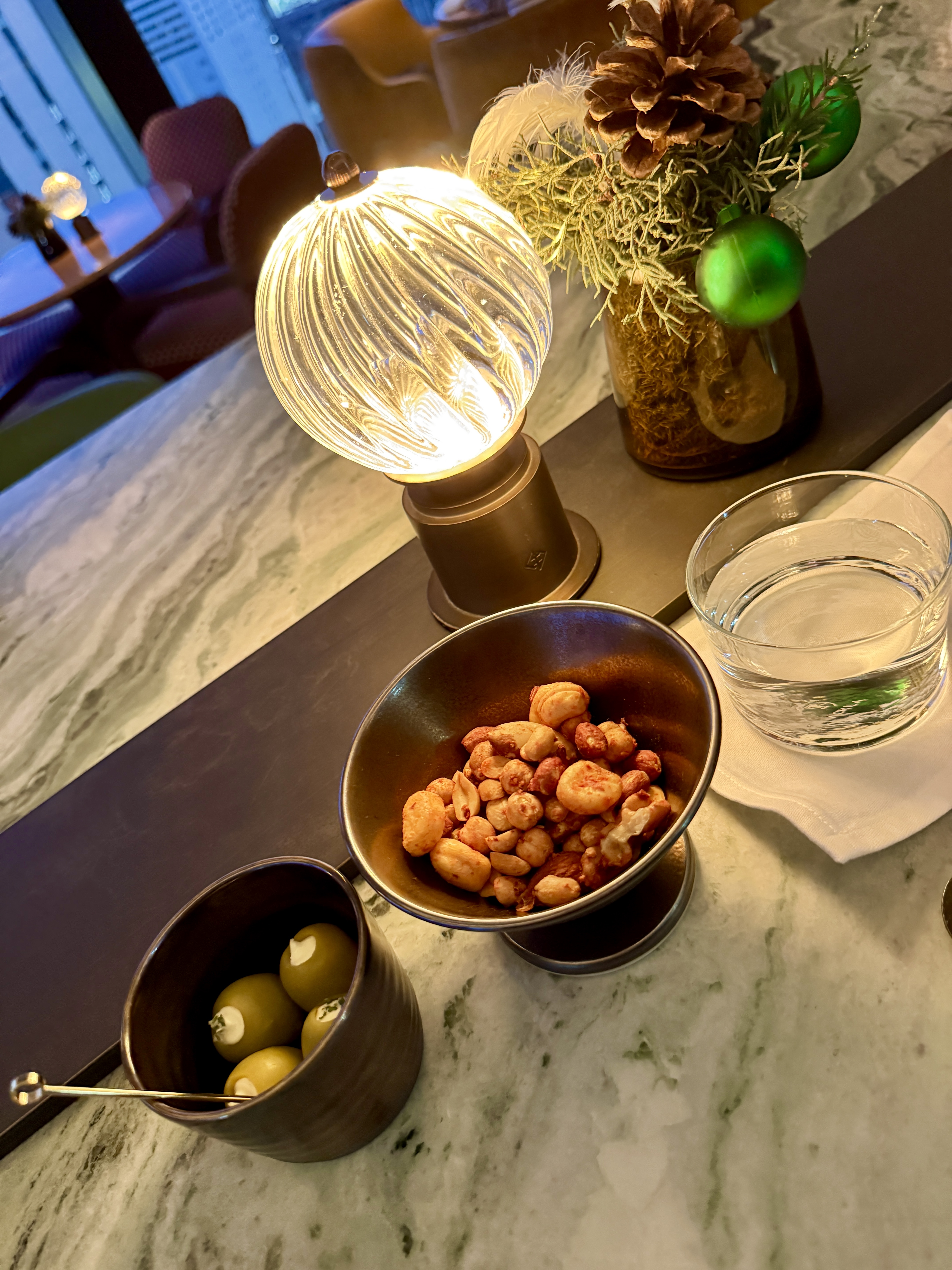
There were enormous olives stuffed with wasabi and cream cheese—creamy, only gently briny and not nearly as spicy as one might expect. An idea worth stealing for home.
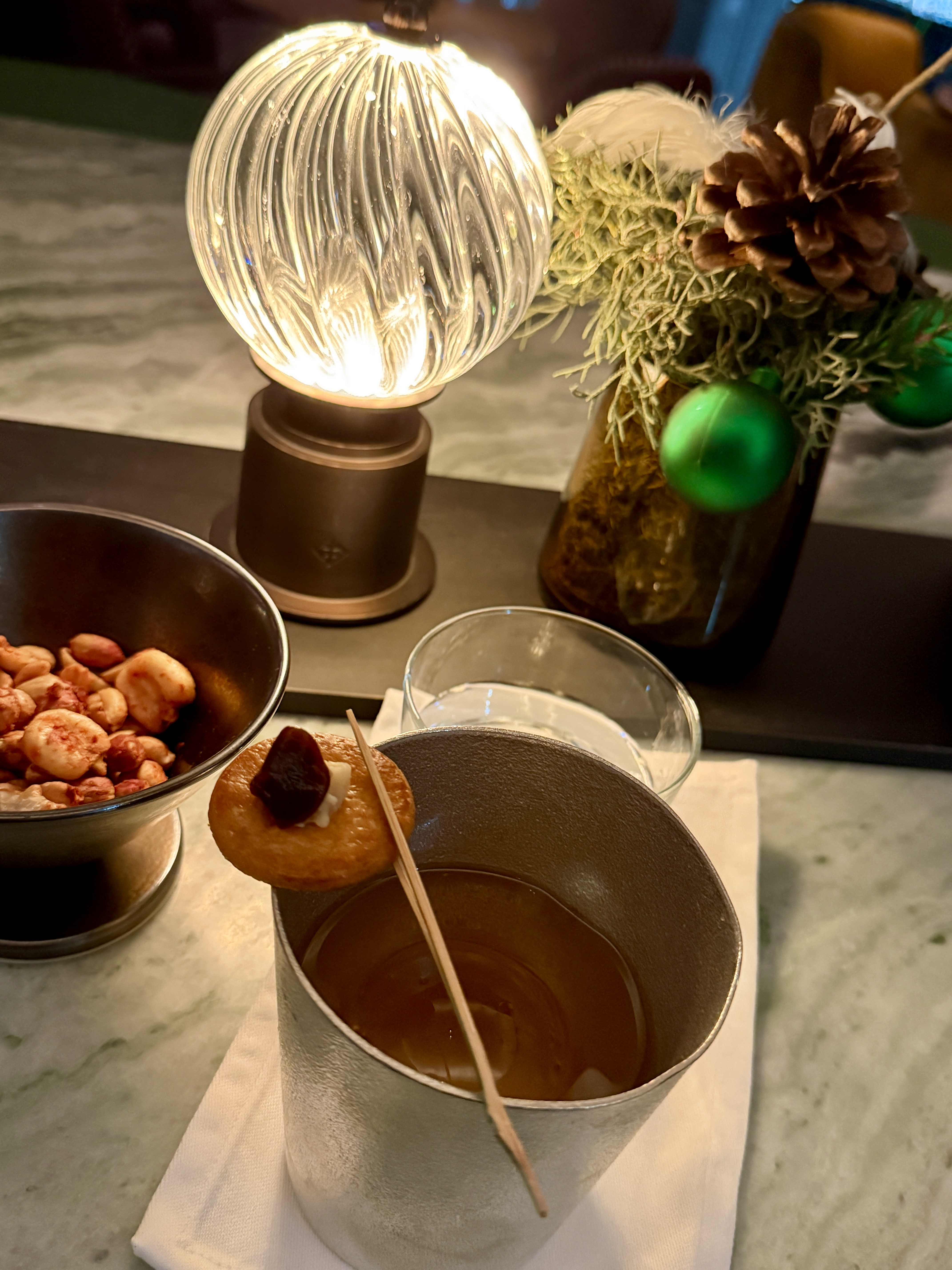
And then there was the Nozomi cocktail: Yamazaki whisky, Glenmorangie 12-year-old whisky, Mr. Bourbon, Scarlet Fernet Amaro, toasted shokupan, butter and anko. Shokupan is Japanese milk bread; anko is sweet red bean paste. Whiskey, more whiskey, bitter herbal liqueur, toast, butter and beans. I didn’t know what to make of half the ingredients, but the result was delicious.
On my way back to my room I met three gorgeous musicians in gowns, instruments in hand, who had just finished playing at the Peacock. I missed their performance, unfortunately, but got a lovely photograph. I should have asked them to play something by Mick Jagger.
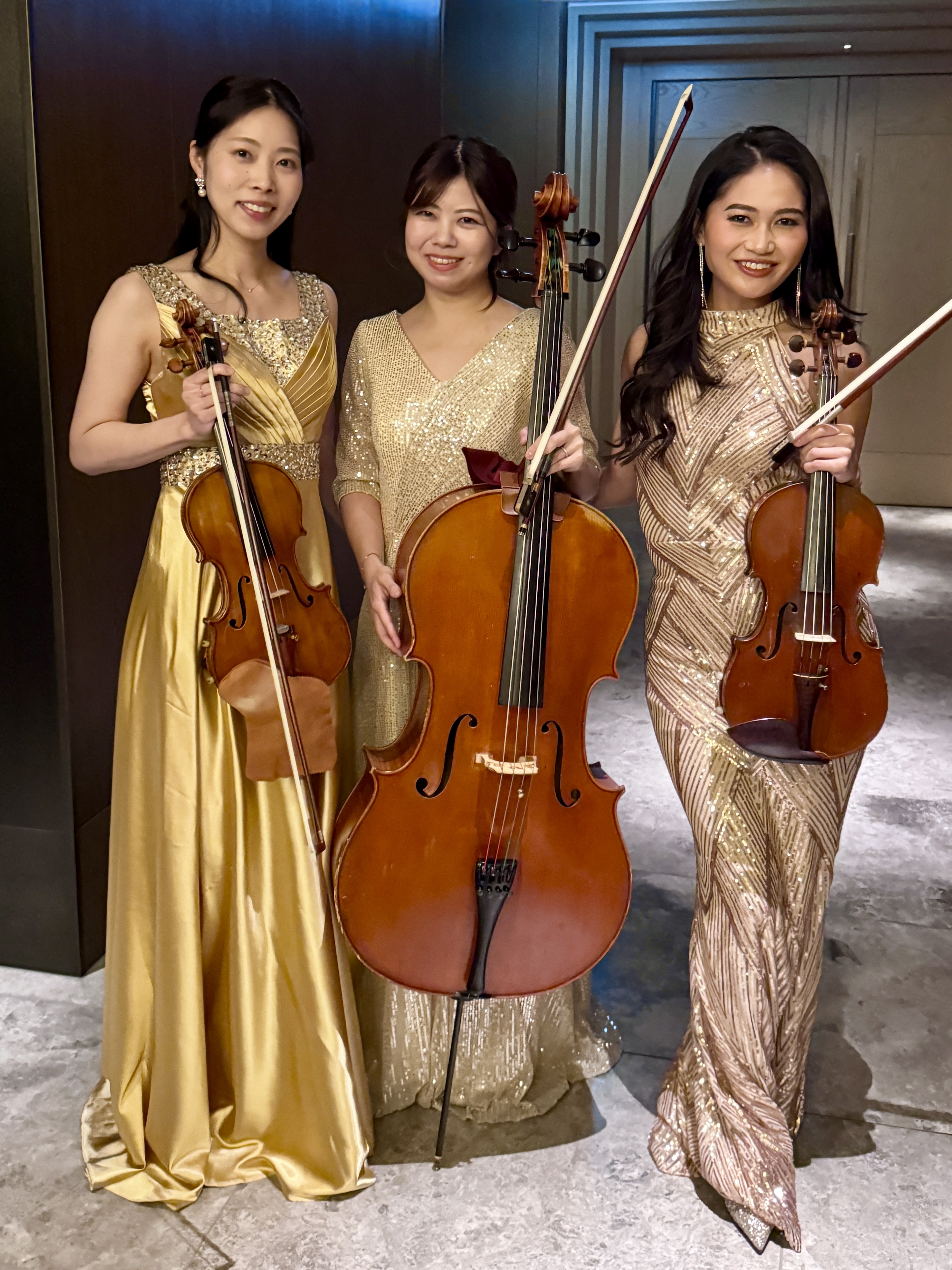
So much for a quiet last day in Osaka: castle moats, a wedding, a dessert sneaker, a hand-engraved knife, potentially lethal fish, a buttery whiskey cocktail and three glamorous musicians. Not a bad way to wrap things up.
4:44 — One Last Little Sign
On my last morning in Japan, I woke up, glanced at the clock, and there it was: 4:44 a.m.
I’m not particularly superstitious, but I do enjoy a little symbolism. In numerology, 444 is sometimes called an angel number, associated with stability, protection, reassurance and being on the right path. Apparently, the universe was telling me to trust myself, stay grounded and keep going.
After weeks of navigating Japan, its customs, cuisine, language barriers and my own occasional faux pas, I rather liked that interpretation.
Of course, it could simply mean my internal clock is still completely screwed up.
Either way, Japan, I’ll take it.

