

Japan has a way of making an ordinary drive feel like the opening chapter of a much bigger story. This particular outing took me from a home kitchen to two workshops where patience, tradition, and extraordinarily skilled hands were very much the stars of the show.
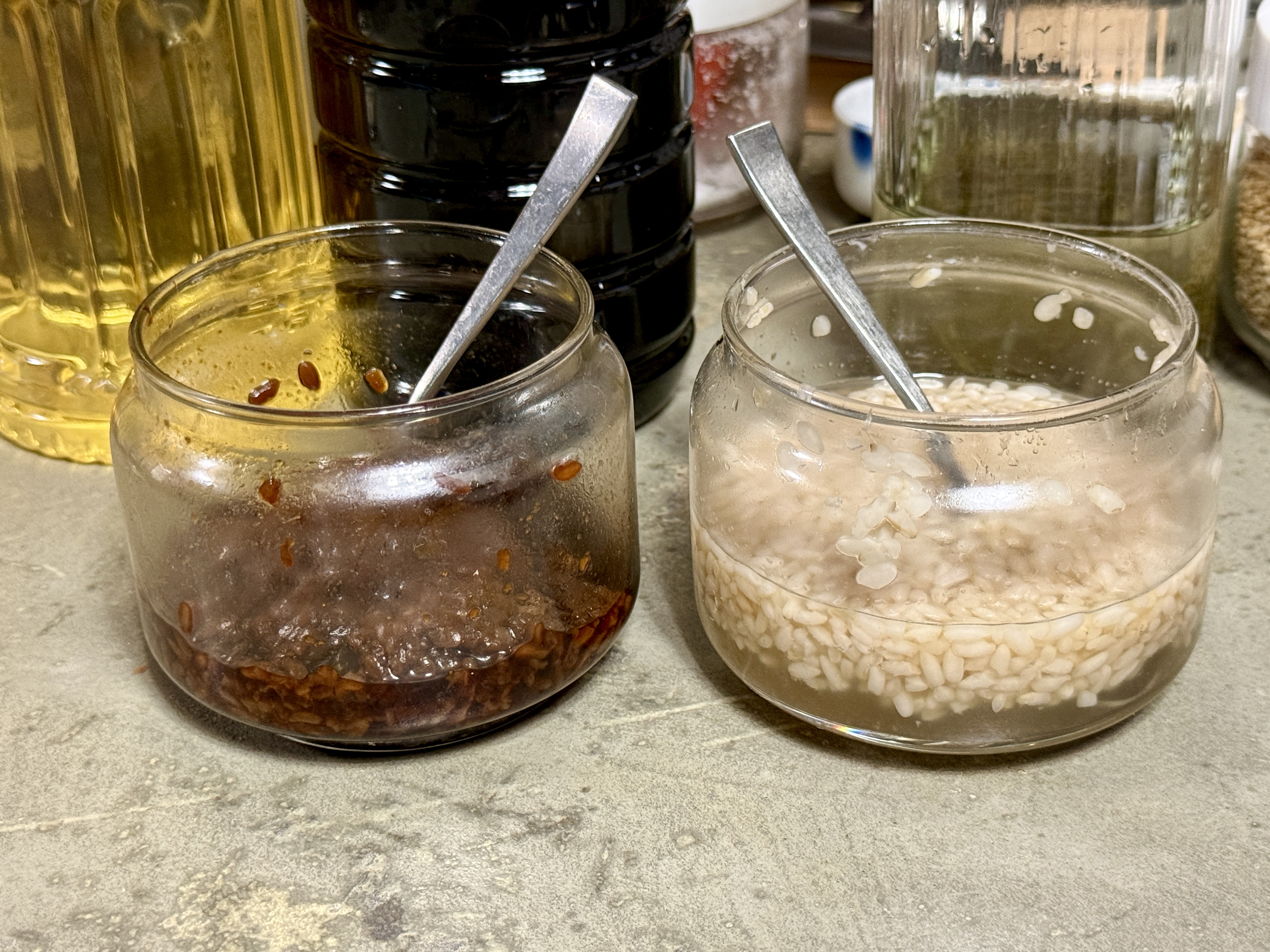
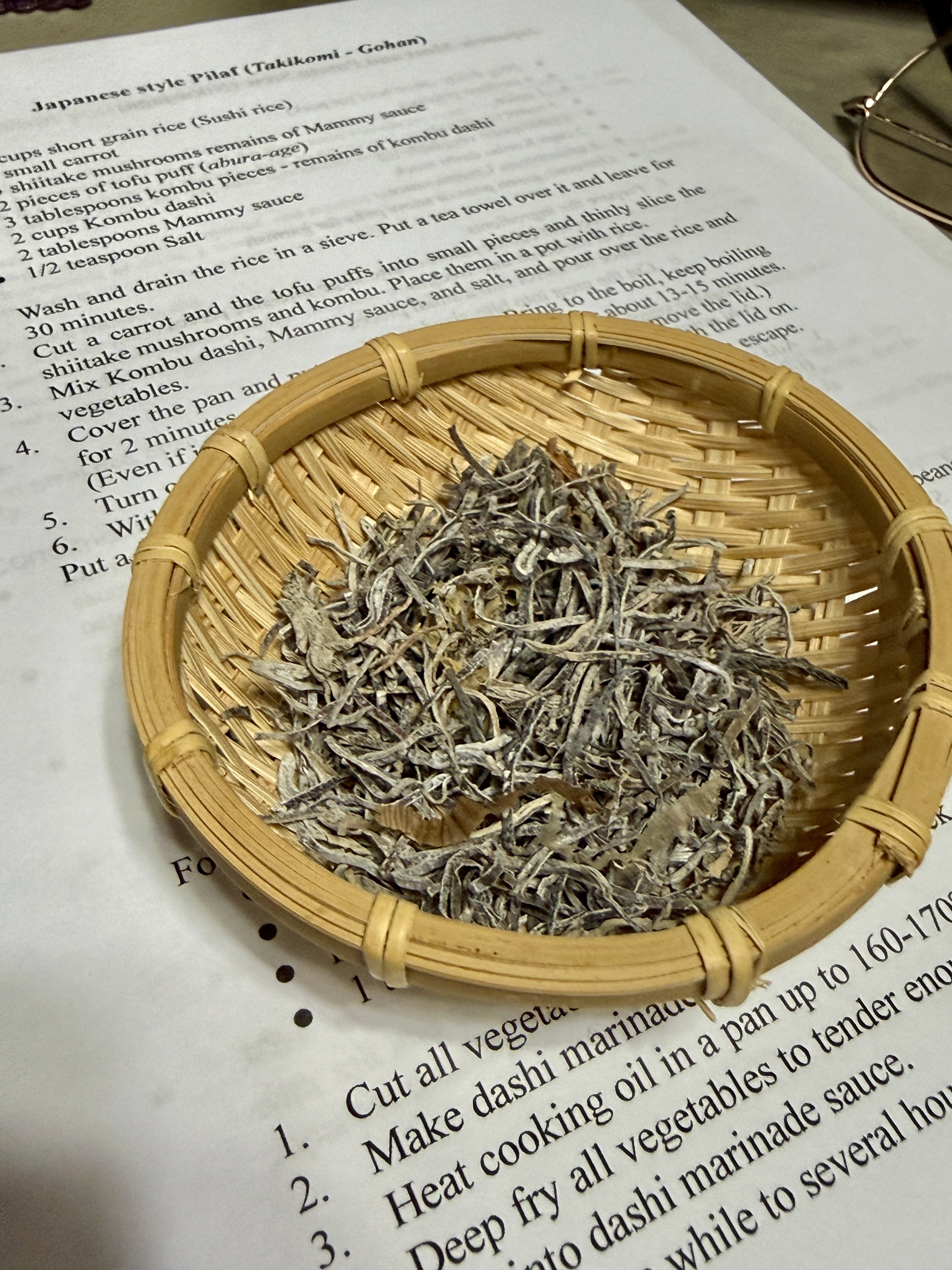
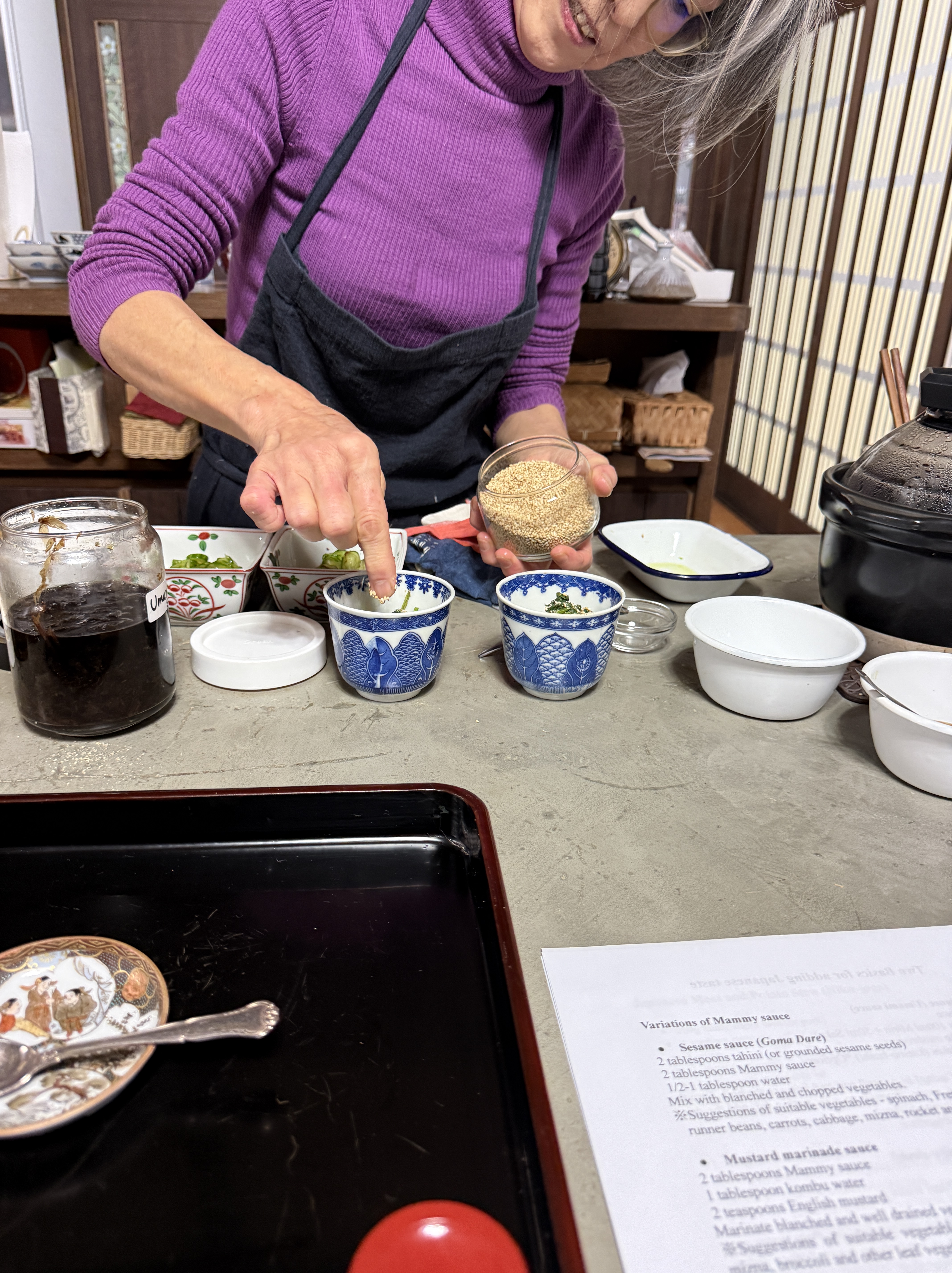
Our first stop was a cooking demonstration with Junko, centered on koji. This remarkable ingredient plays a foundational role in Japanese cooking, helping transform familiar ingredients into something altogether more complex. I came away thinking about how much of the flavor I’ve enjoyed throughout this trip begins with processes that are largely invisible on the plate.

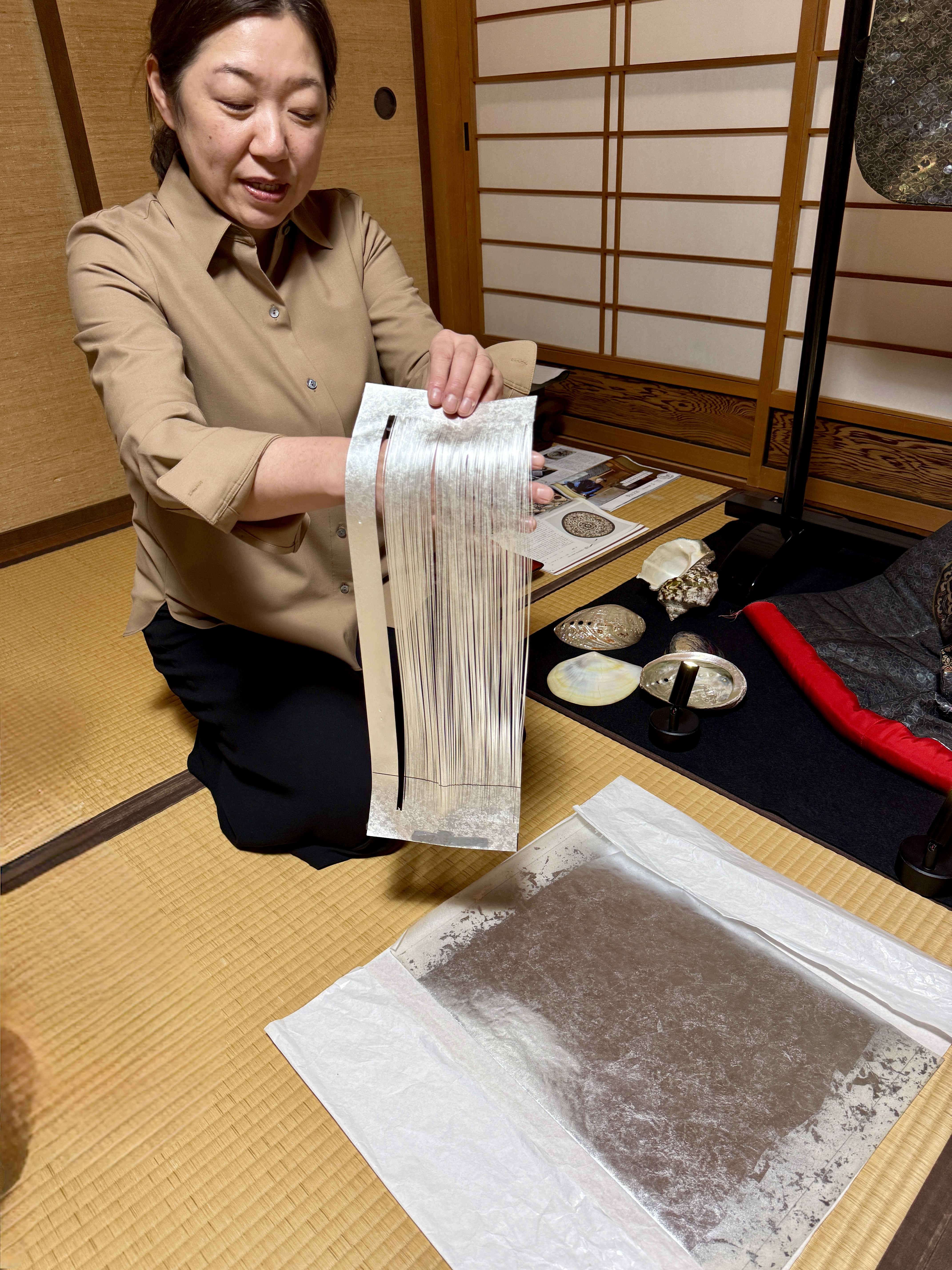


One story in particular stayed with me. The woman who welcomed us at Tamiya Raden is the wife of Kyoji Tamiya, son of the studio’s founder, Katsuichiro Tamiya, and is part of the second generation carrying on this extraordinary family tradition. Yuki explained that one of the family’s greatest aspirations was to create an obi worthy of Japan’s Empress. What an achievement when that dream became a reality! Empress Michiko, now Empress Emerita, wore the studio’s work on several important public occasions. Kyoji himself has spoken in an interview about the joy of creating an obi that caught the Empress’s attention. At the studio, I actually saw a photograph of the Empress wearing the obi while meeting President Barack Obama. I’m still tracking down the details of the other occasions. To have one’s work chosen by the Empress is an extraordinary honor in itself; to have it worn repeatedly is an even more remarkable tribute to the artistry of this family.
Nearby, the swordsmith’s workshop offered another perspective on the same devotion to craft. Textile and steel could hardly seem more different, yet both depend on generations of accumulated knowledge, meticulous technique, and a willingness to spend an extraordinary amount of time getting the smallest details right.


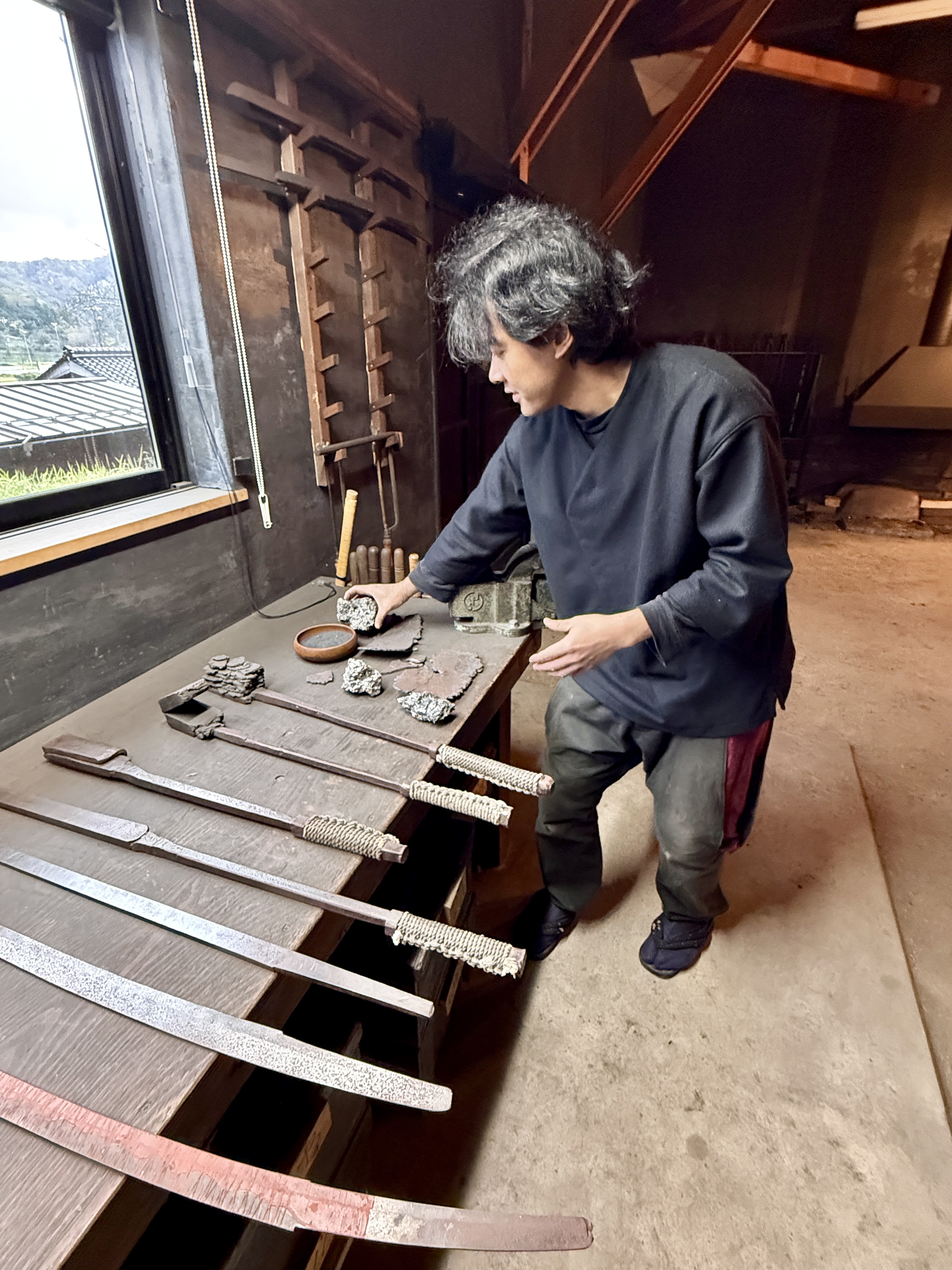
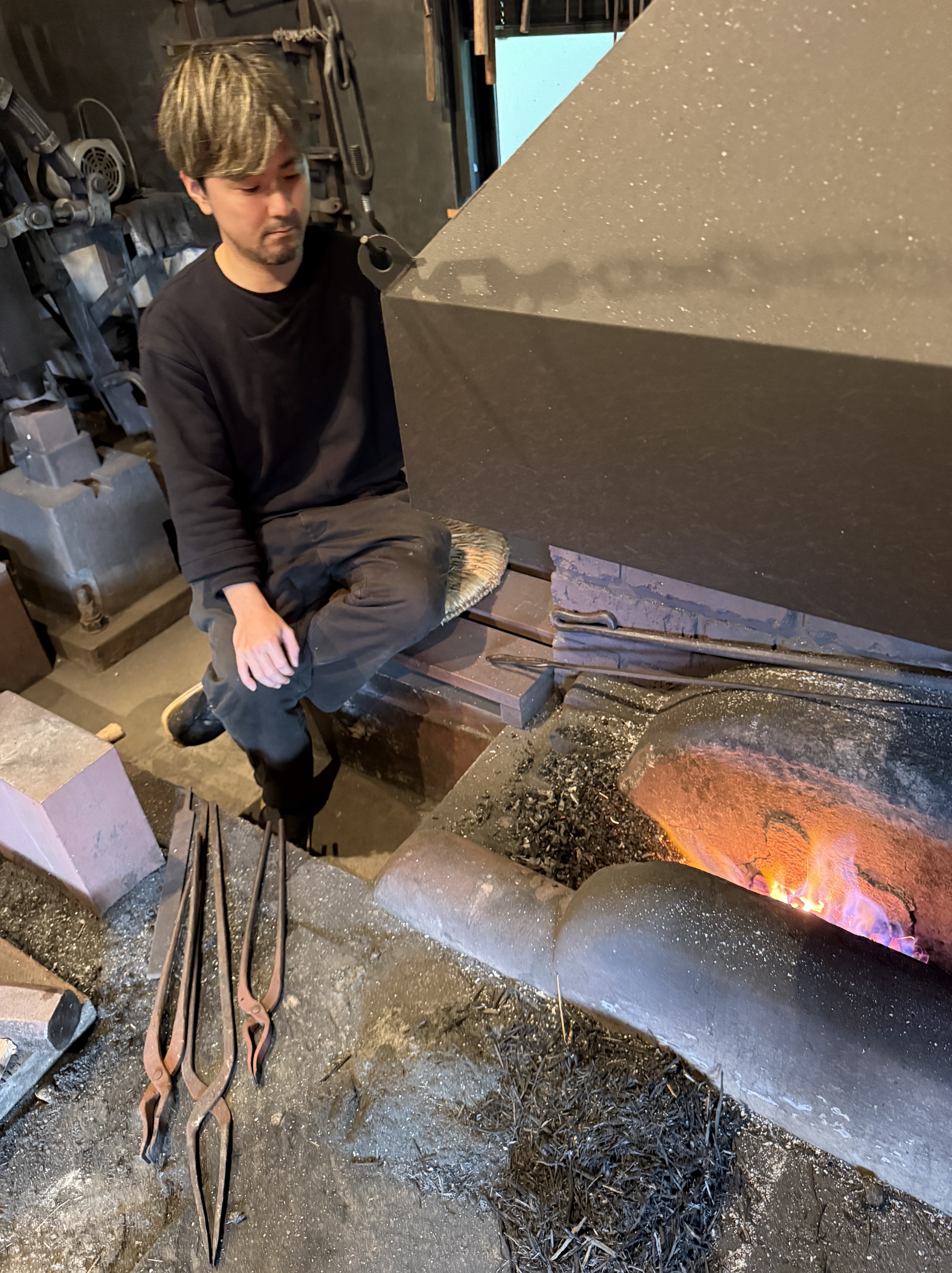
I kept thinking about the contrast: luminous shell worked into silk on one hand, metal shaped through fire and force on the other. Both were beautiful reminders that a finished object tells only a fraction of the story of its making.
Back at the ryokan, dinner brought the day full circle. After watching people devote such care to ingredients, fabrics, and metal, I found myself paying even closer attention to the care behind each dish. Japan seems particularly gifted at making craftsmanship feel less like something displayed behind glass and more like something woven into everyday life.
One Last Stop: Tamba-Sasayama Kawaramachi
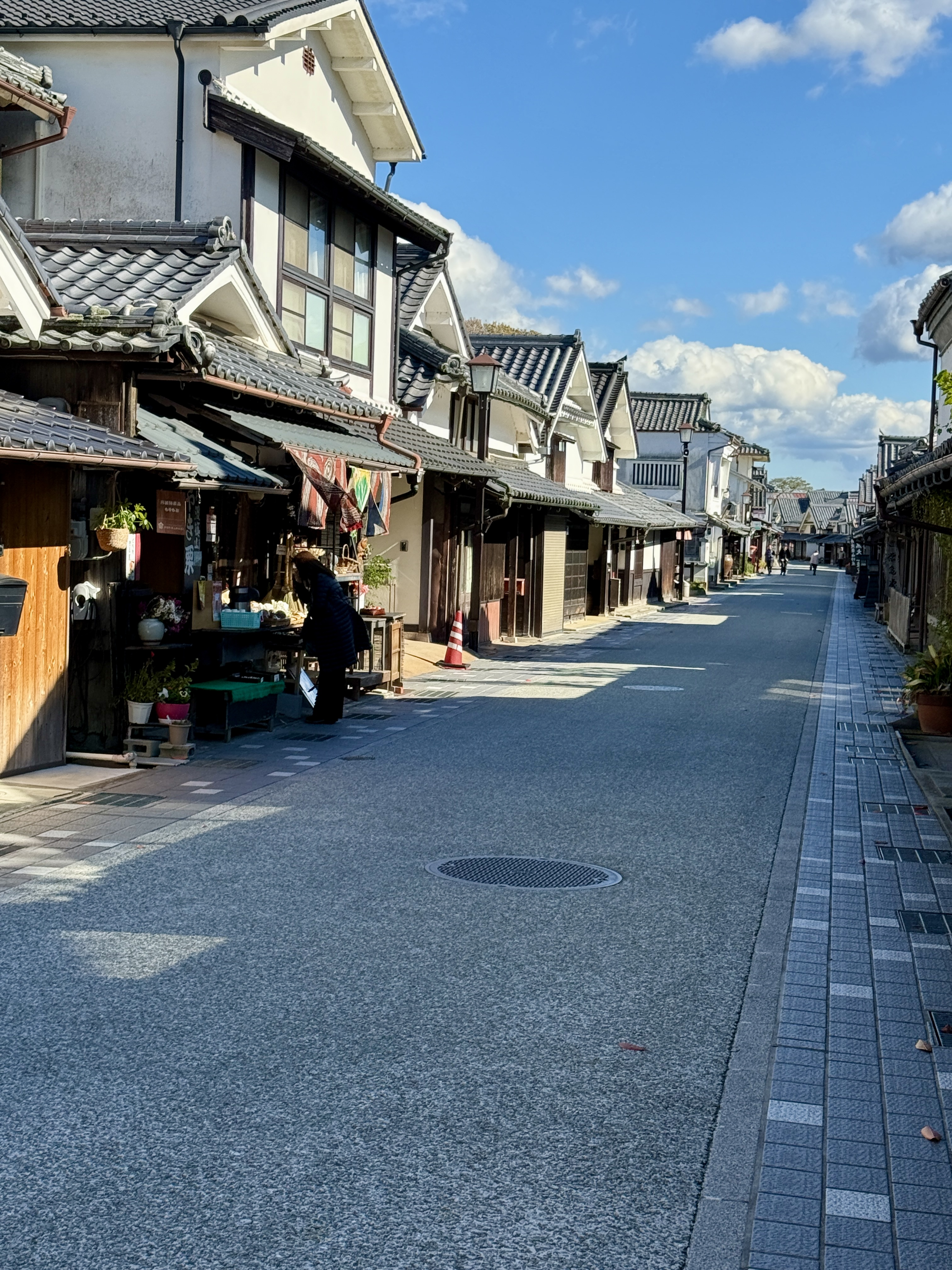
Our drive back to Osaka included a stop in the utterly charming historic district of Tamba-Sasayama Kawaramachi. What a delightful surprise! Beautiful old buildings lined the streets, their traditional architecture offering another glimpse of Japan’s remarkable ability to preserve its past while going about the business of everyday life.
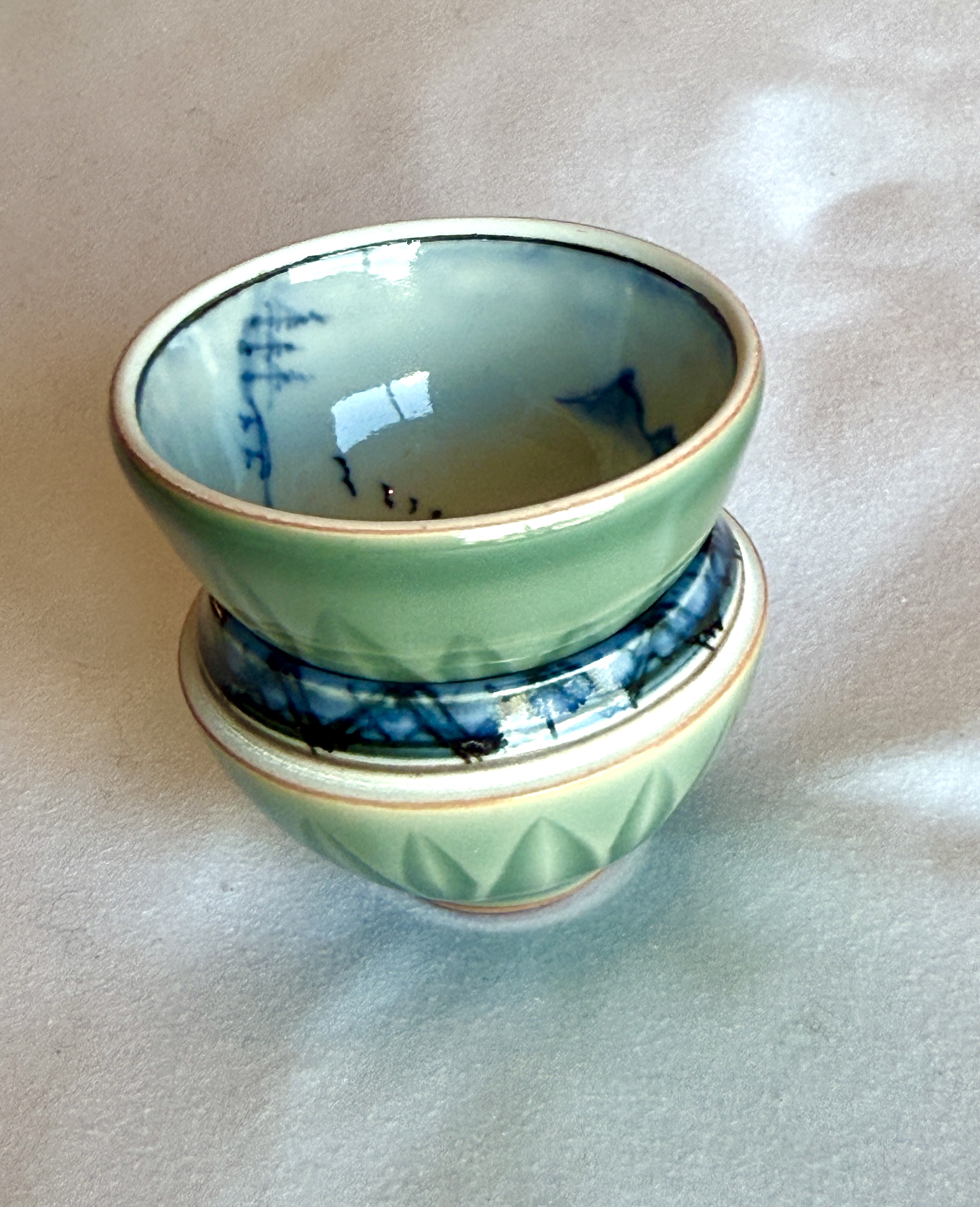
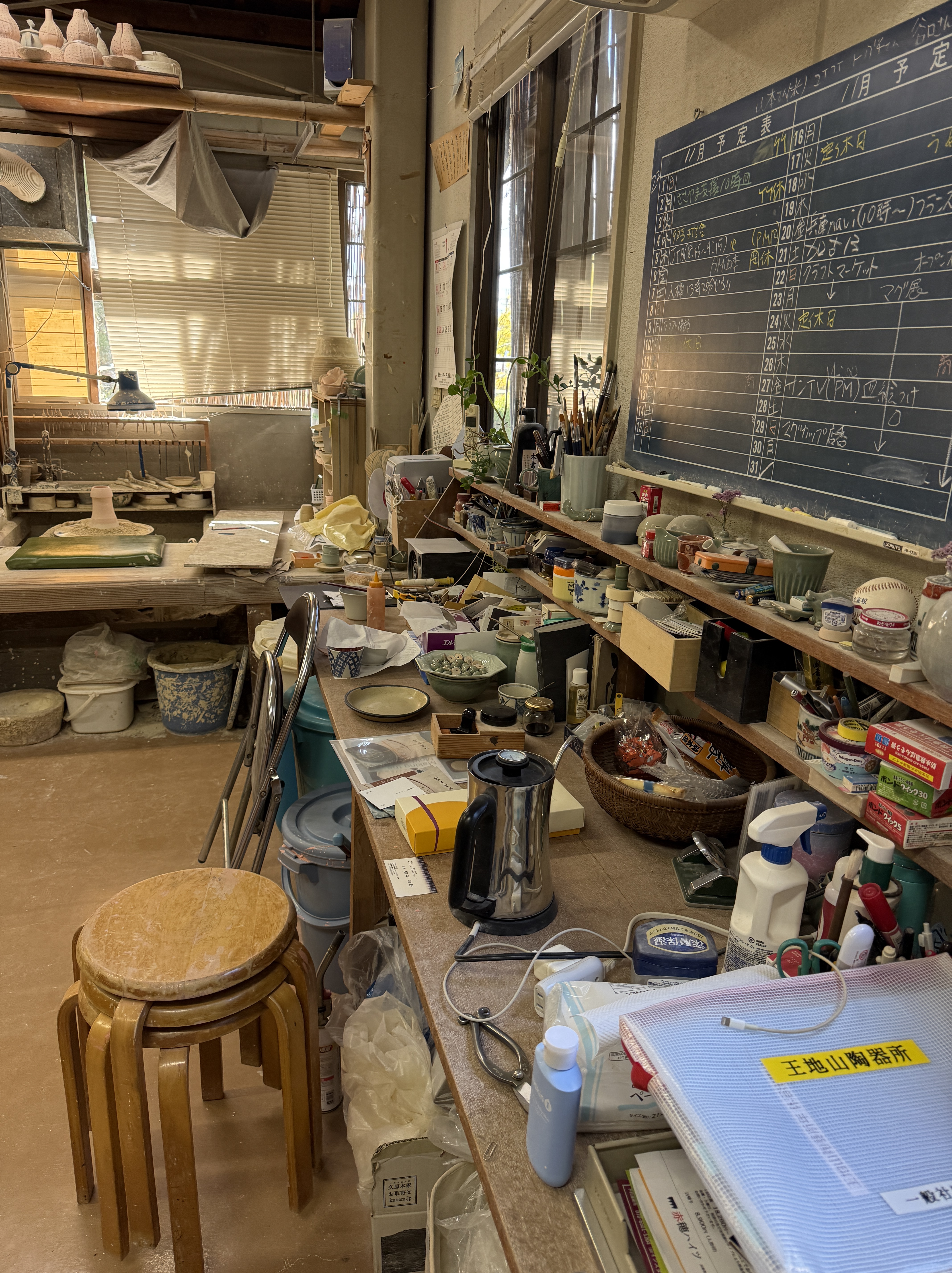
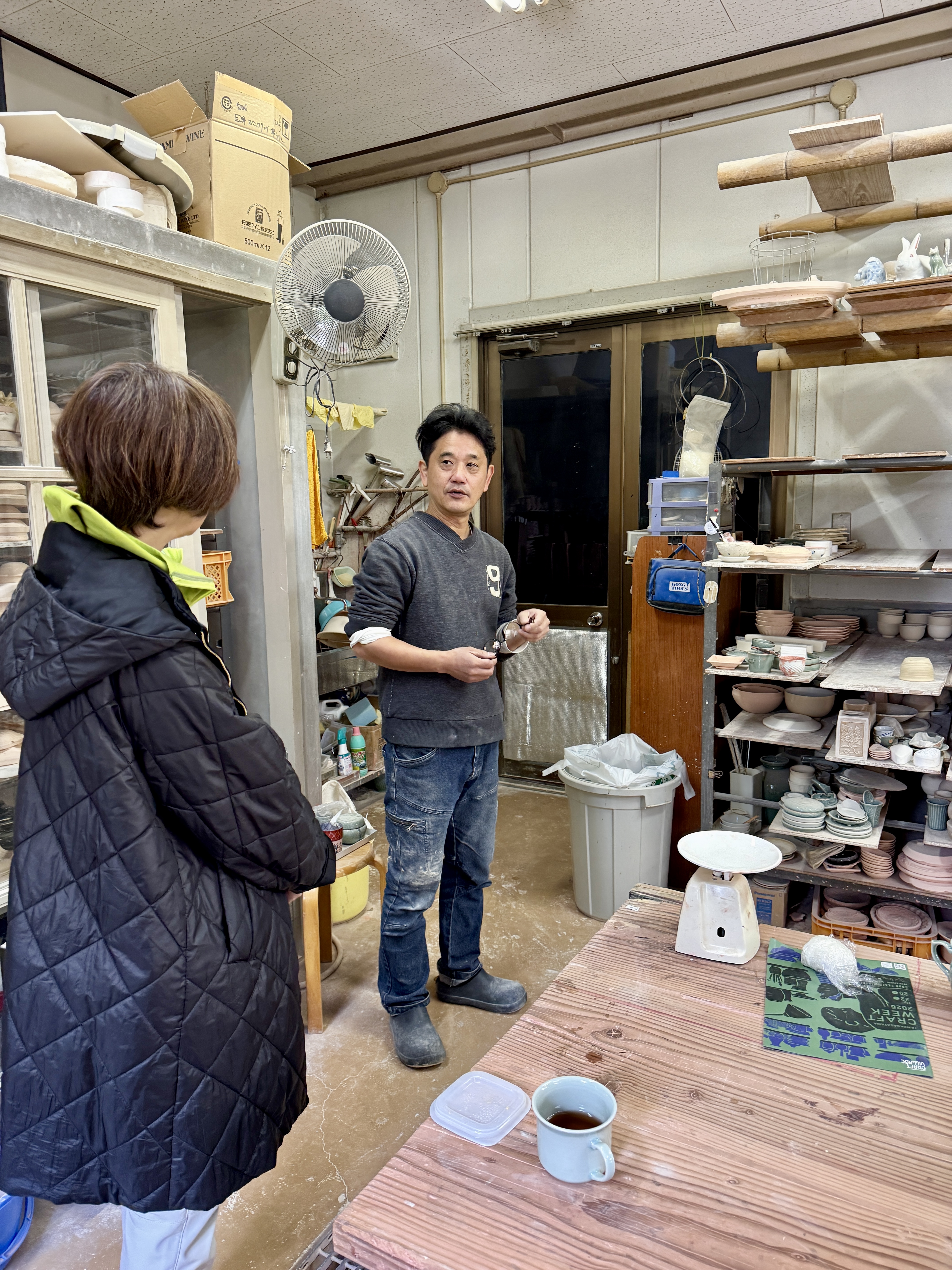
We visited a delightful little ceramics shop, where I had the pleasure of meeting the craftsman responsible for the beautiful wares surrounding us. There wasn’t another customer in sight, which made the experience feel wonderfully intimate and personal. Perhaps not the best scenario for his business, but an absolutely lovely one for me! After encountering so many throngs of tourists throughout Japan, it was refreshing to find myself in this quiet little town, appreciating extraordinary craftsmanship without the crowds. There’s something particularly special about meeting the person whose hands created the pieces you’re admiring.
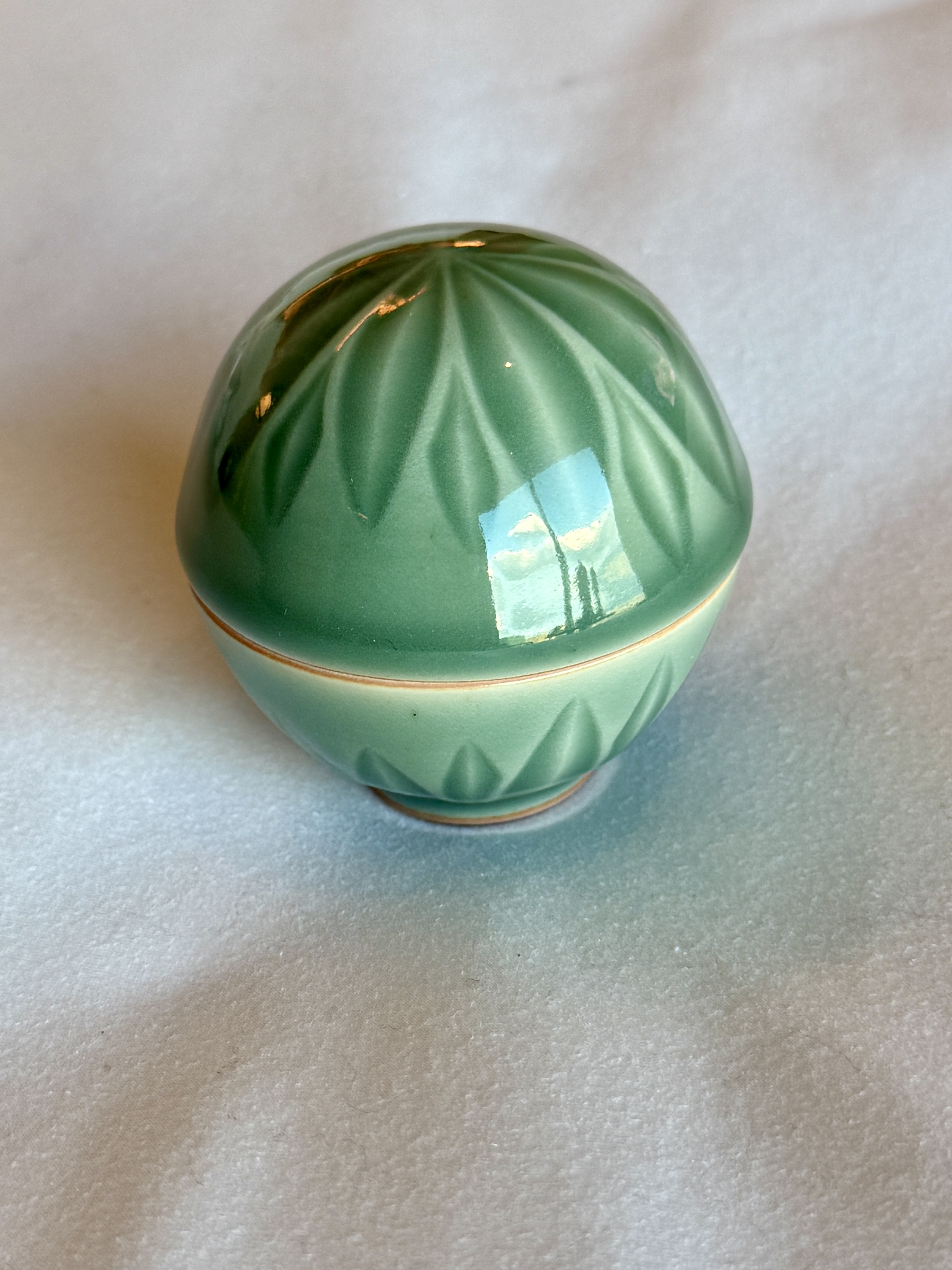
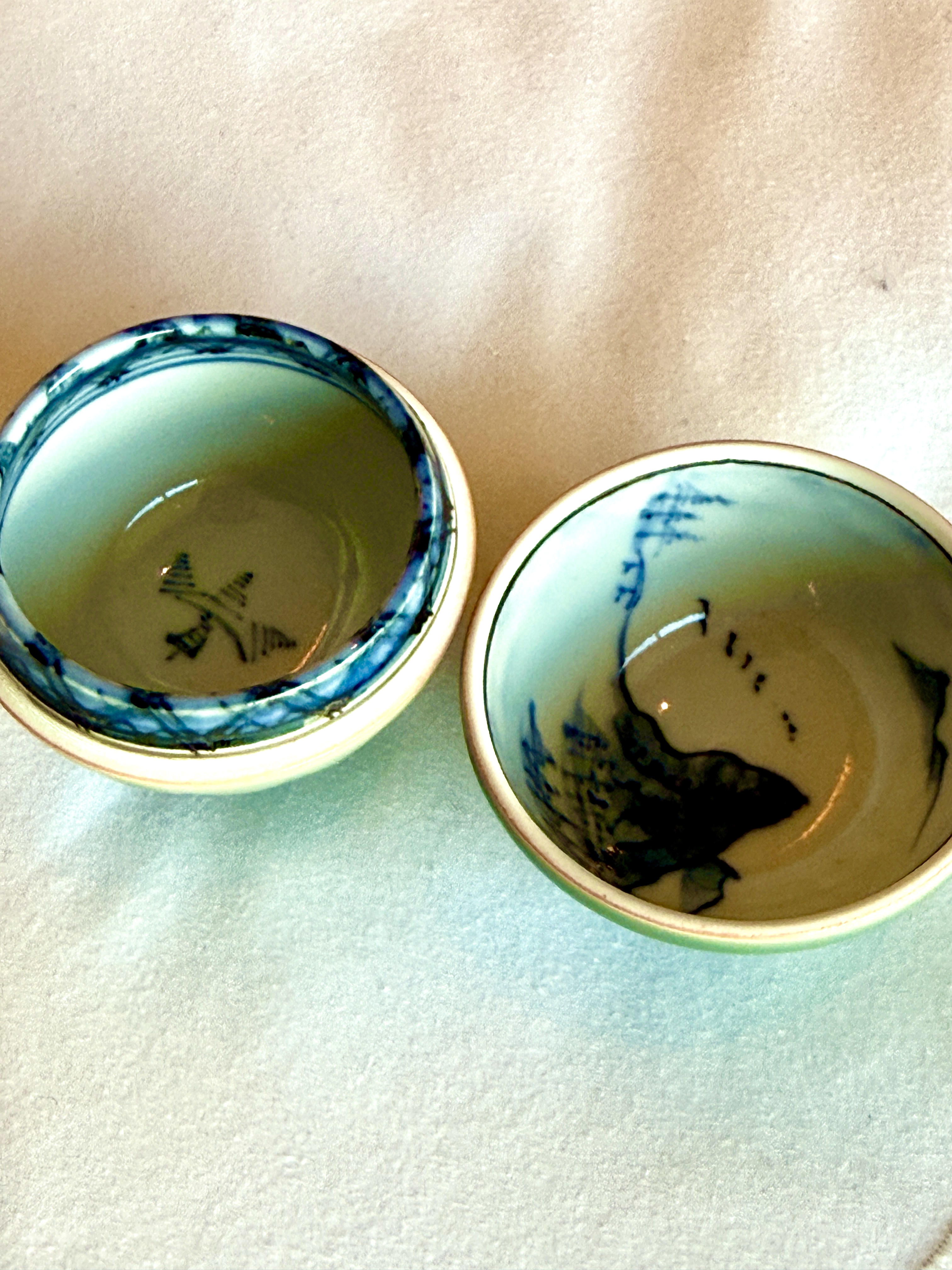
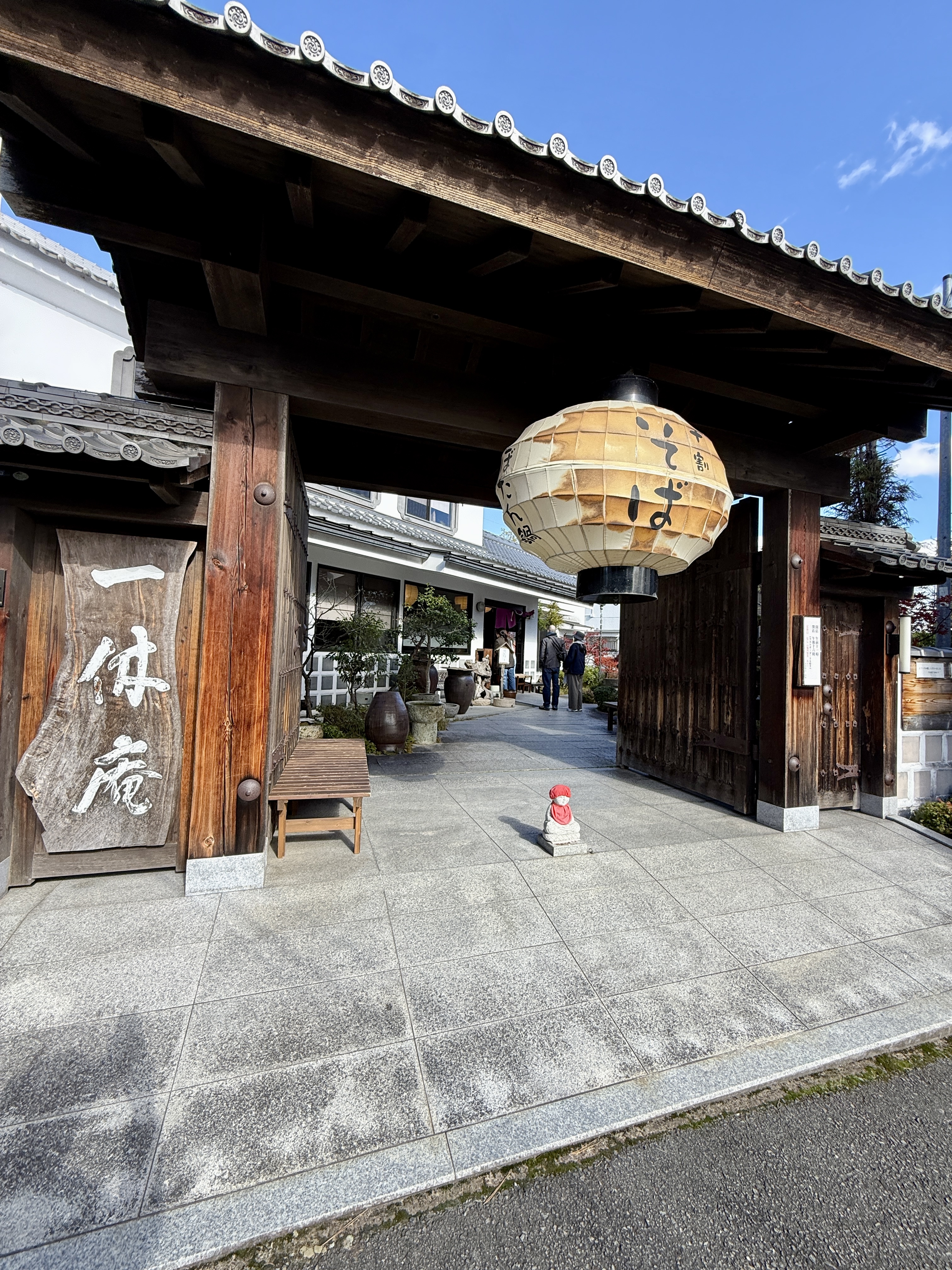
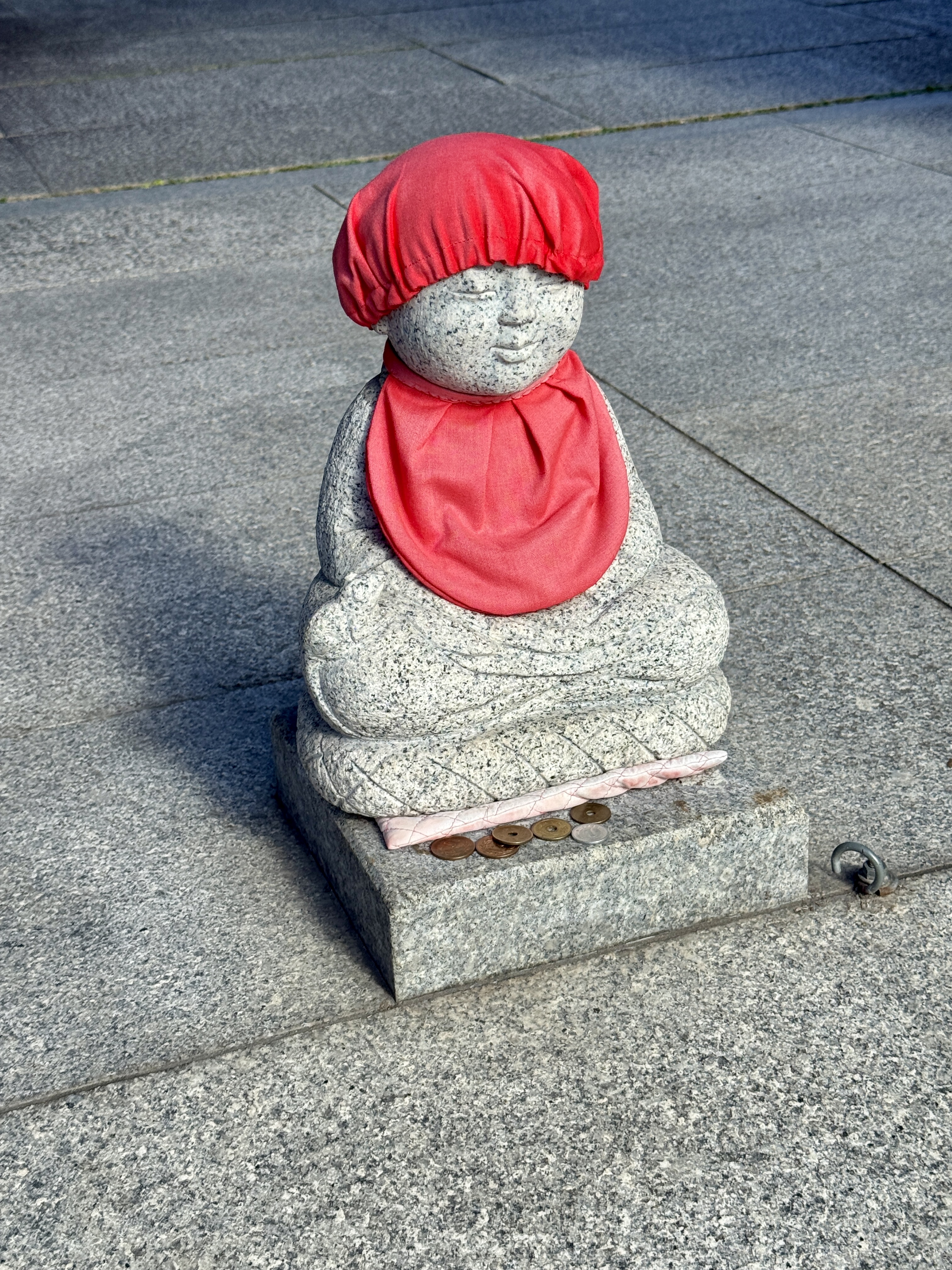
We had hoped to stop for lunch, but apparently we weren’t the only people who had discovered this charming little corner of Japan. The restaurant was so popular that the wait was approximately an hour. An hour! Even out here, away from the bustle of the big cities, a good lunch was clearly worth waiting for.
Unfortunately, we had places to be. So, with lunch plans abandoned, we continued our journey toward Osaka.
Another lovely reminder that some of the most memorable moments of travel happen between the destinations.

