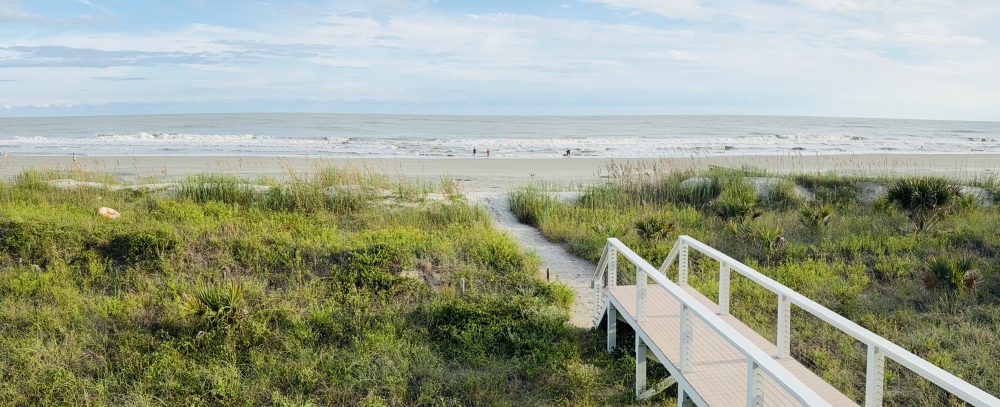
Today’s excursion began with a change of plans. Yukiko, my lovely guide, suggested skipping Miyama. She figured we’d walk through it in 15 to 30 minutes, and she was far more enthusiastic about a few other places along the northern Kyoto coast. Fine by me. I rather like a guide with opinions.
Yukiko’s Many Favorites
I was beginning to notice something about Yukiko. At practically every stop, she’d announce, “This is my favorite!” And then we’d arrive somewhere else. “This is my favorite!” Northern Kyoto, apparently, is an enormous collection of Yukiko’s favorite places. It’s quite endearing, really.
Our first surprise involved an elevated ride at Amanohashidate. We parked our large SUV, I took one look at the steep ascent, and immediately declined. Yukiko suddenly remembered: “Oh, you’re the one who’s afraid of heights!”
Wonderful. Does everybody in Japan know I’m afraid of heights?
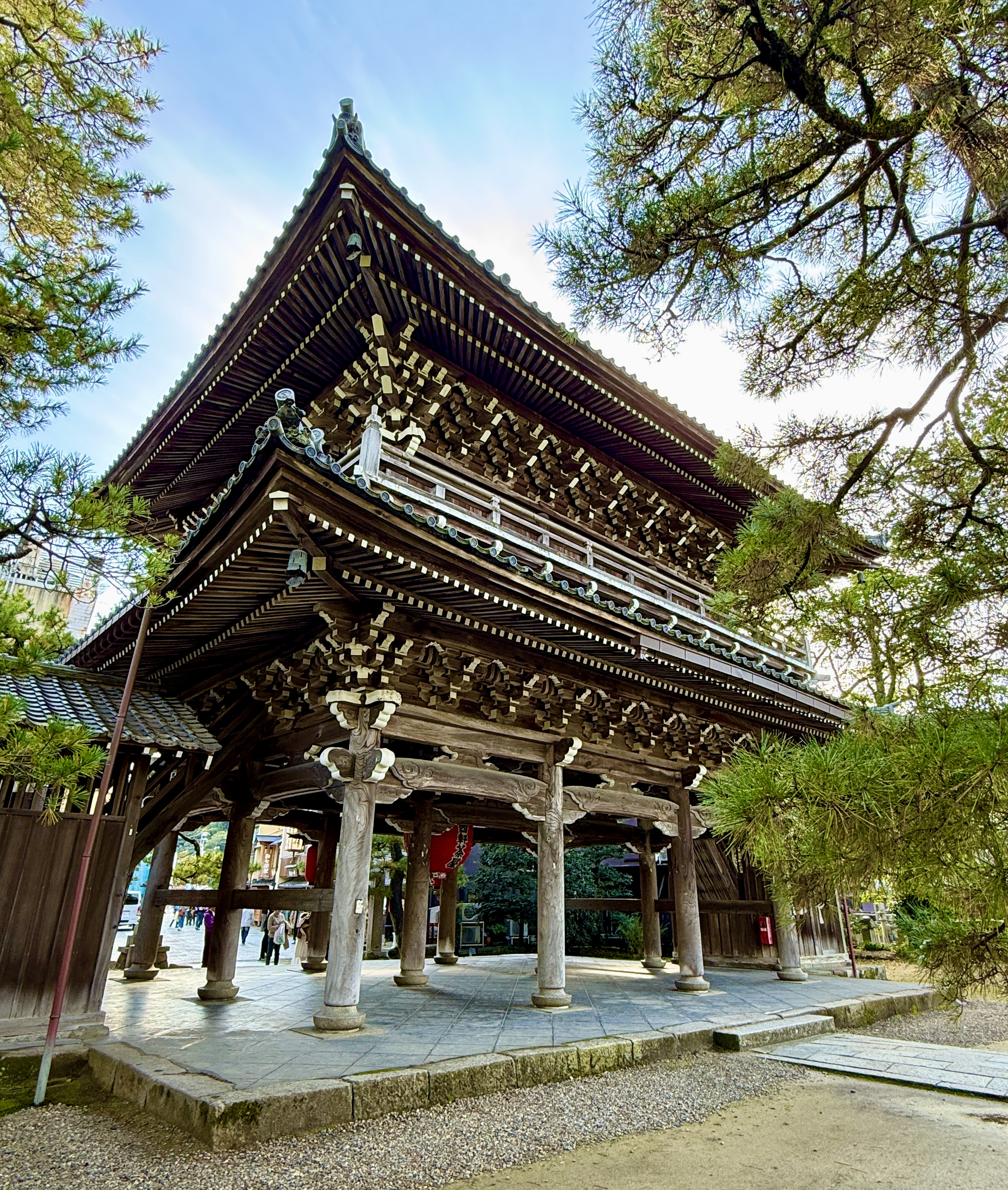
We pivoted to nearby Chion-ji Temple instead, where we had a pleasant walk around the old grounds. I collected my second entry in my goshuinchō, my temple-and-shrine calligraphy booklet. The gentleman writing the entry seemed a little grumpy. Perhaps after signing enough of these, even sacred calligraphy begins to feel like paperwork. We didn’t linger.
Dancing Trees and a Splendid View
Then came Amanohashidate, one of Japan’s celebrated Three Scenic Views. The long, pine-covered sandbar stretches across the water, and we were fortunate to have beautiful sightseeing weather. Looking at the photographs now, it’s hard to believe how heavily it’s raining outside.
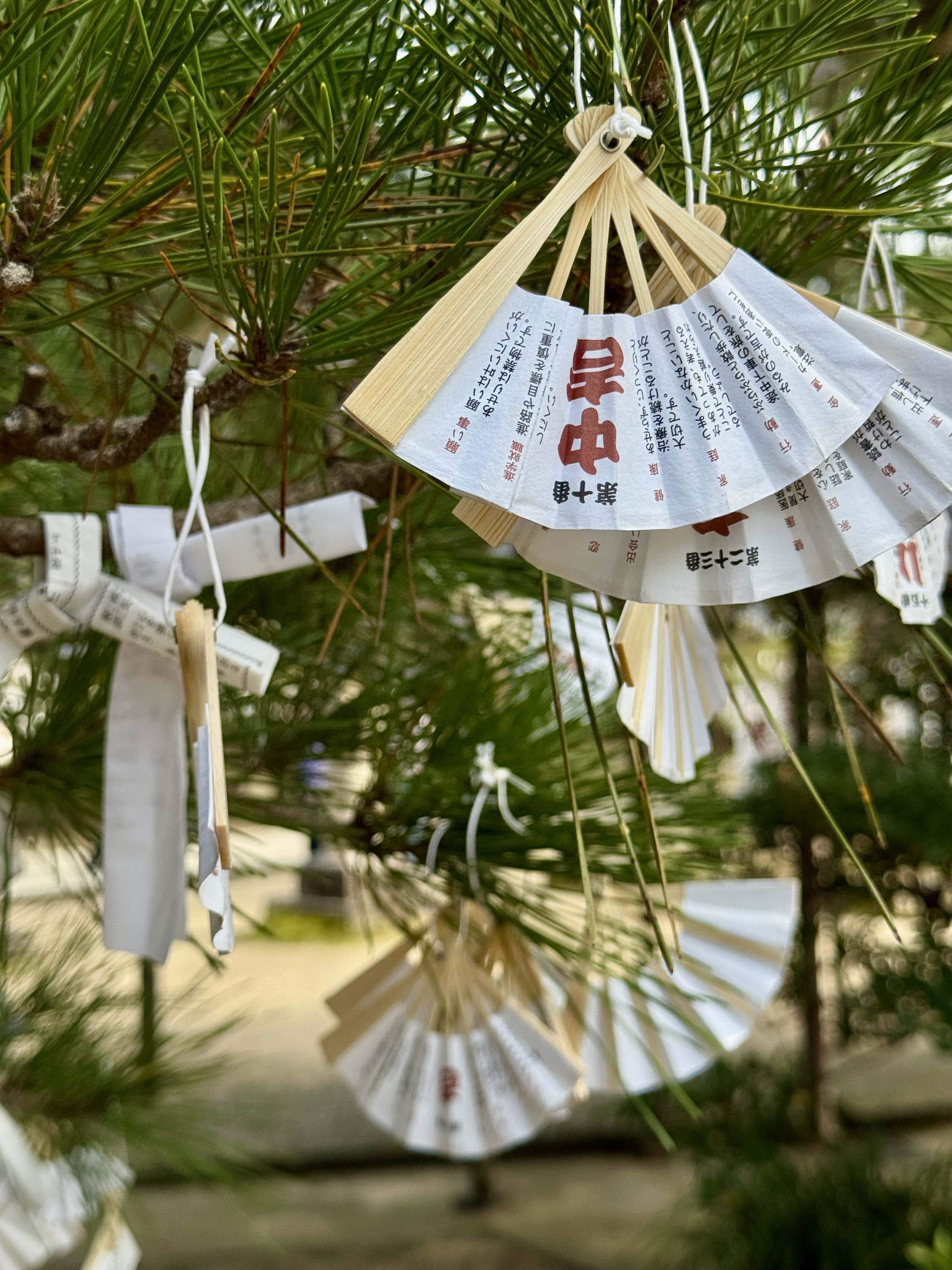
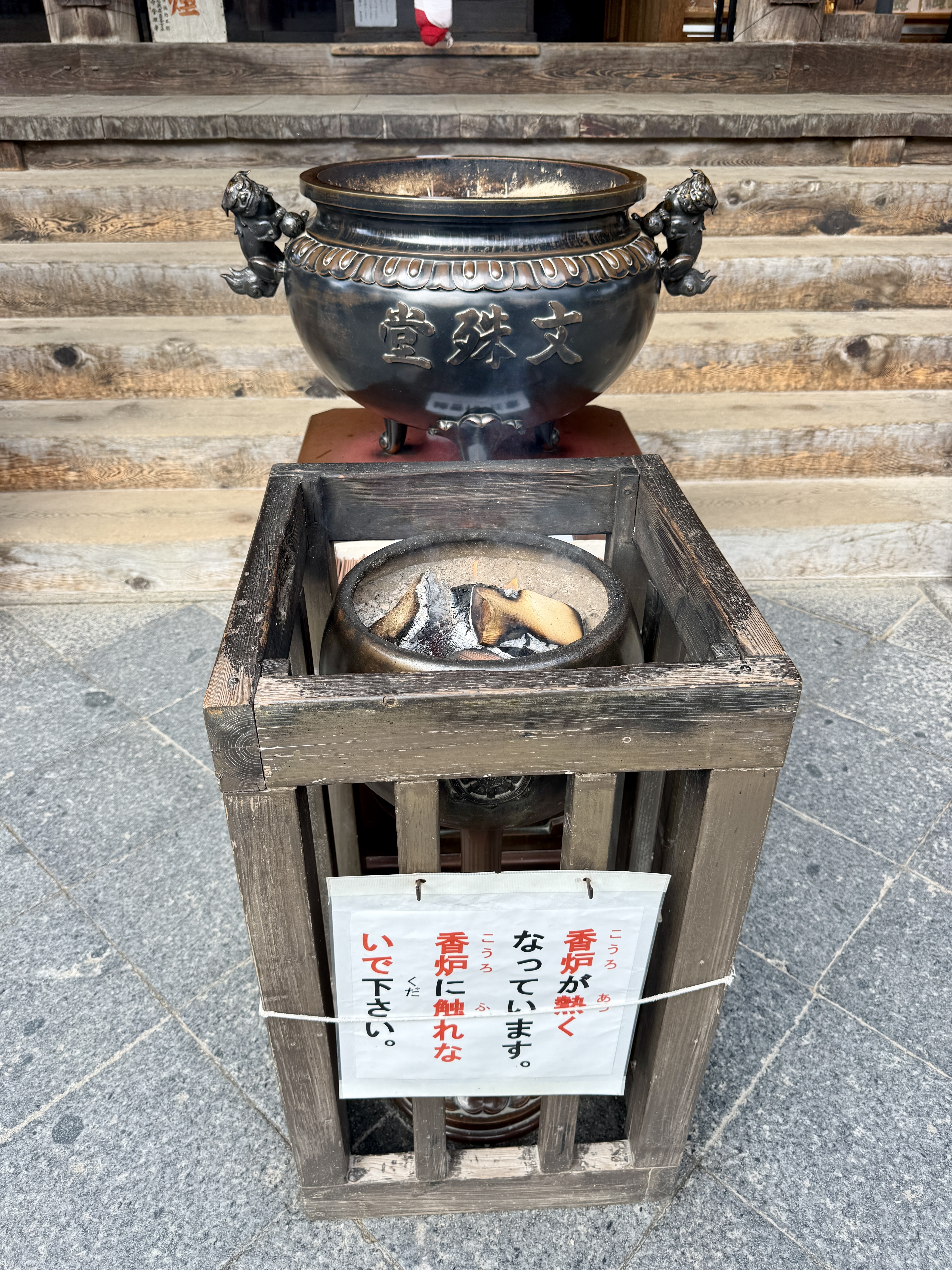
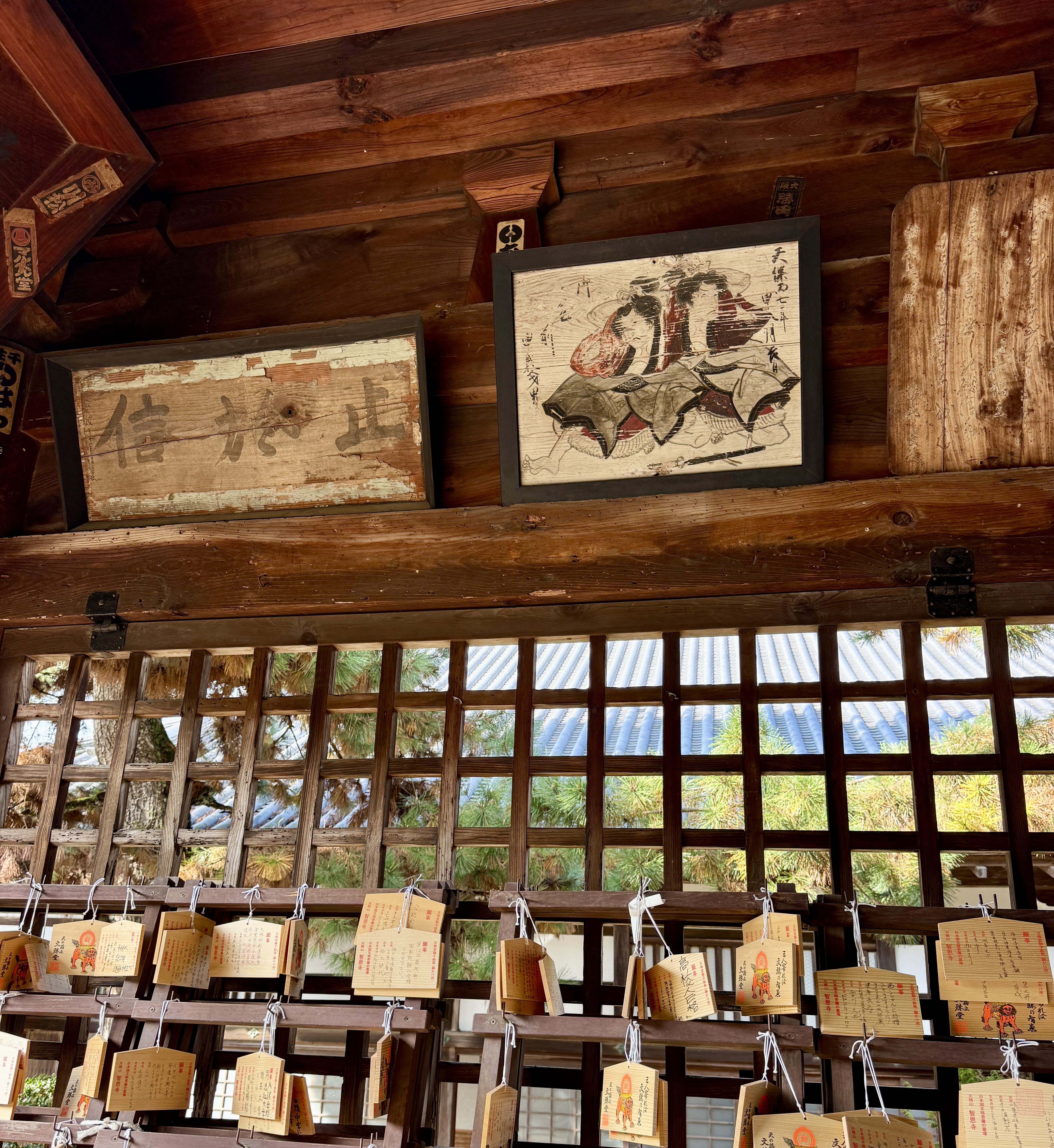
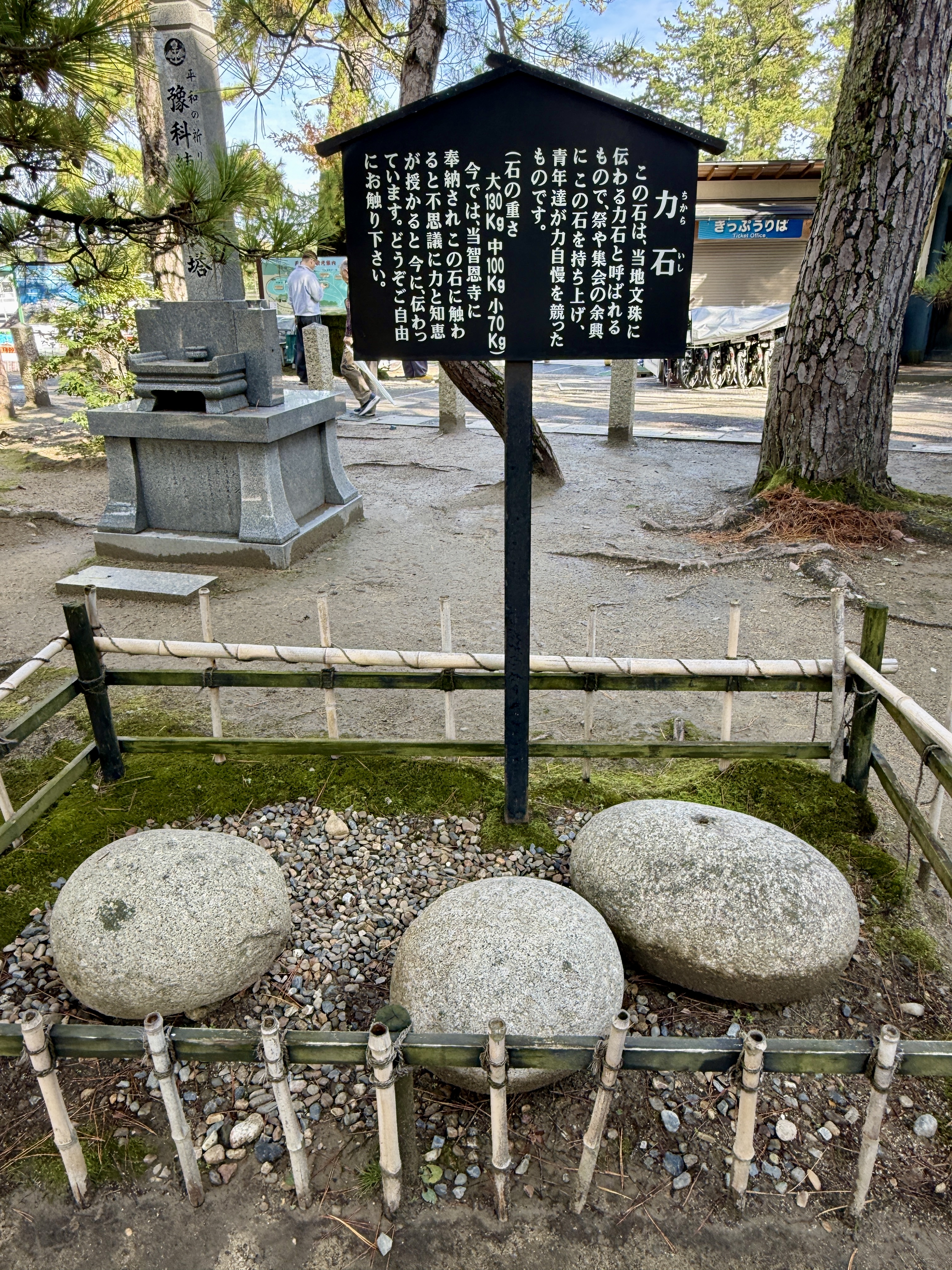
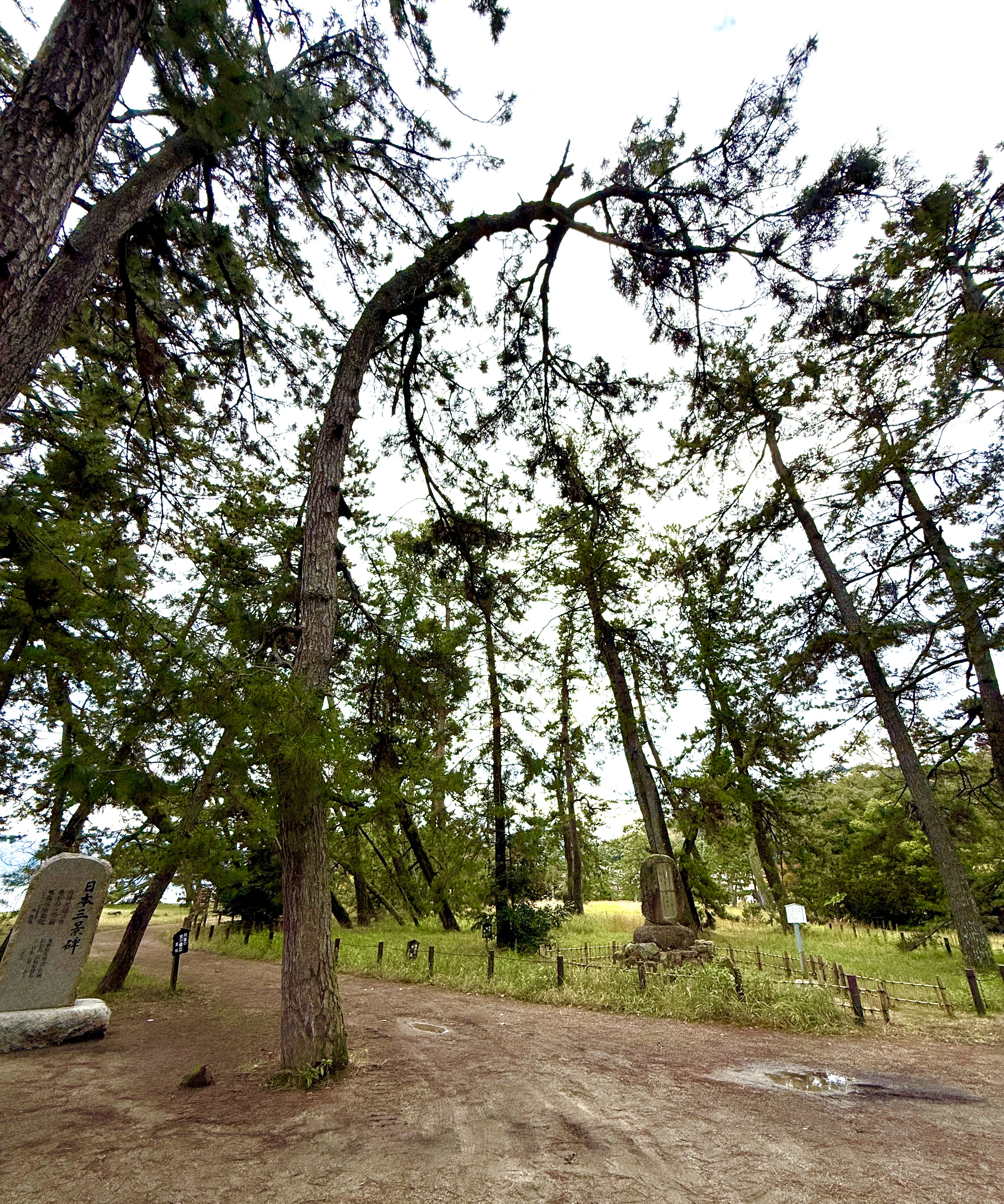
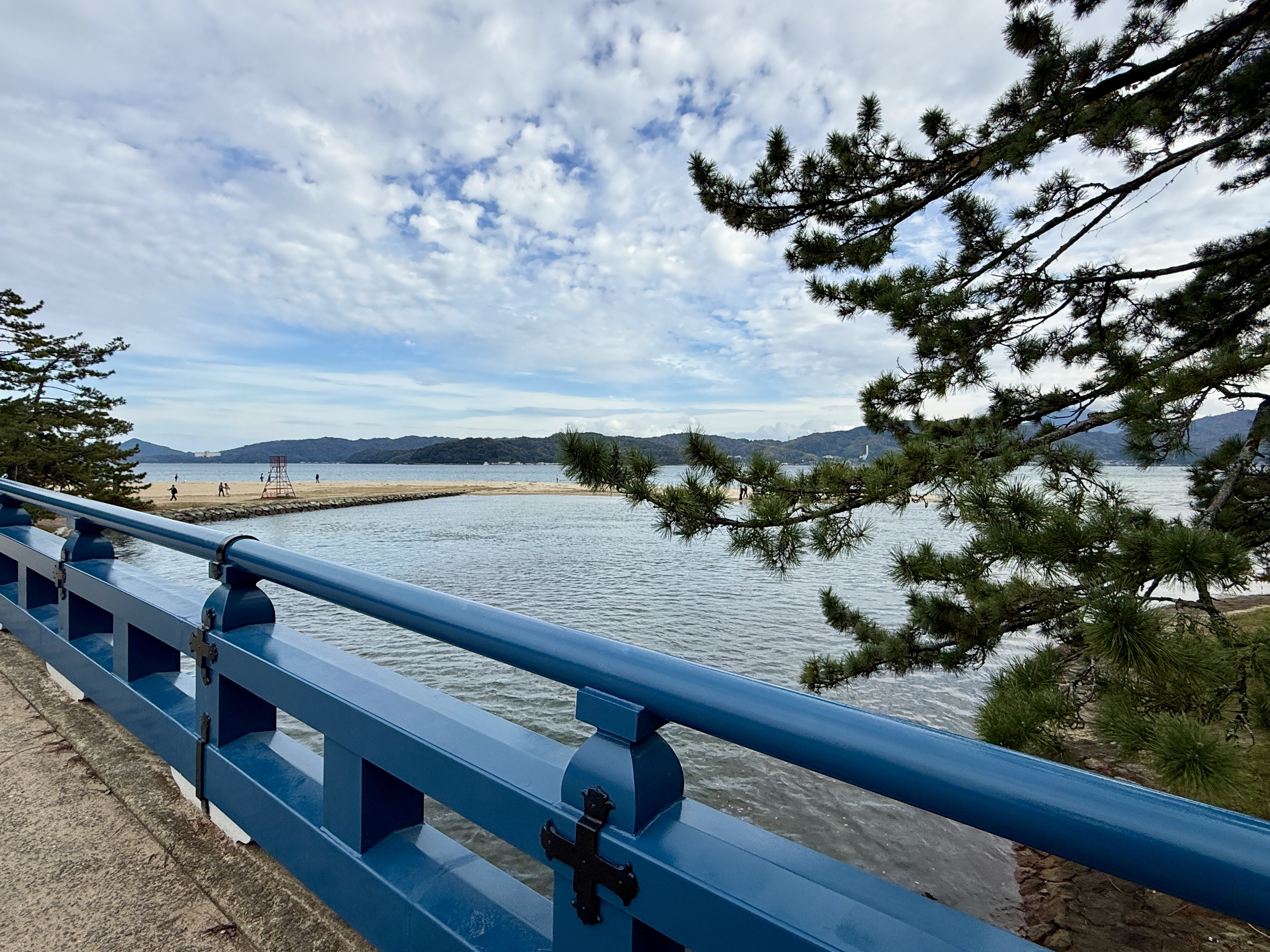
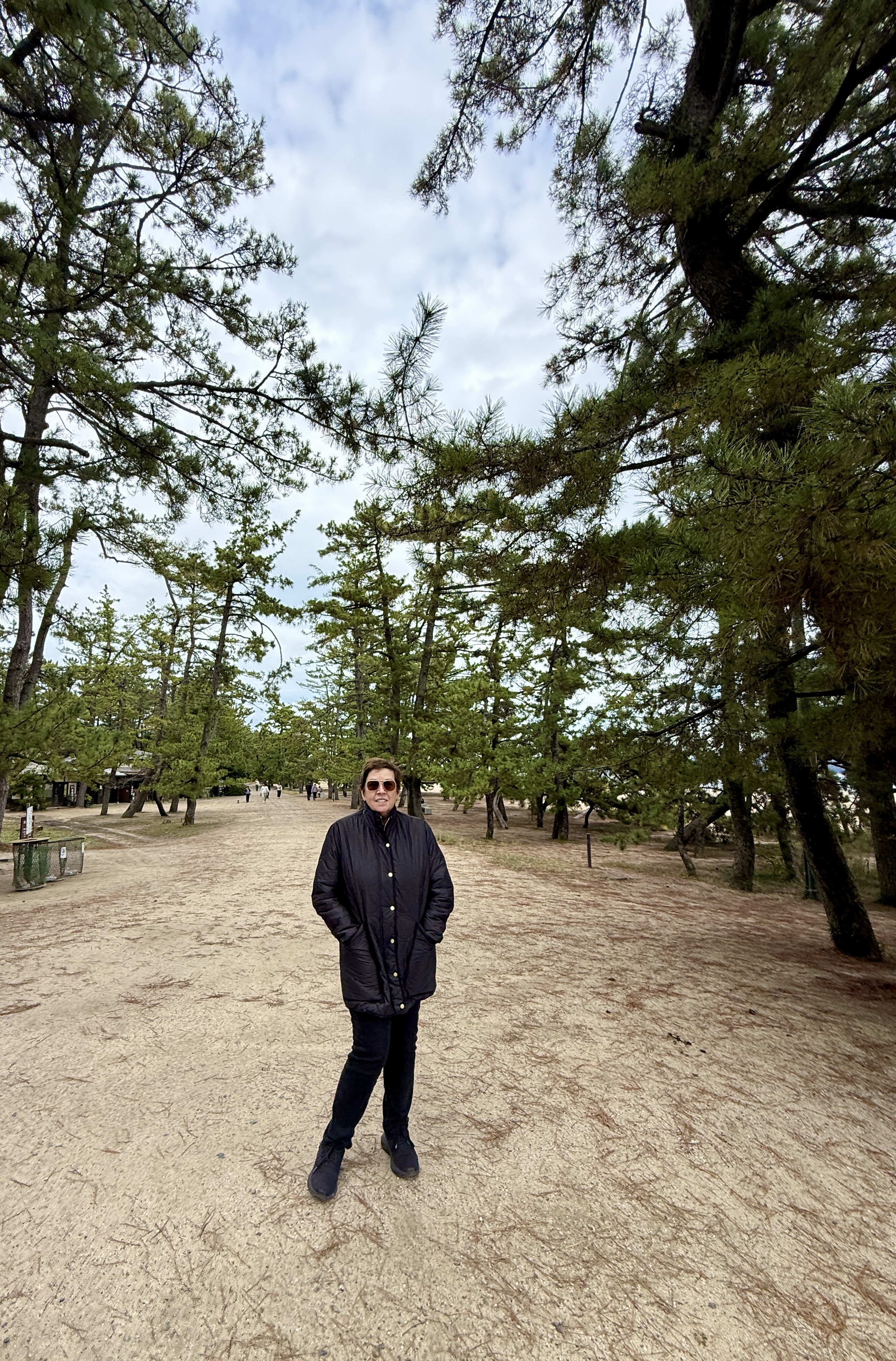
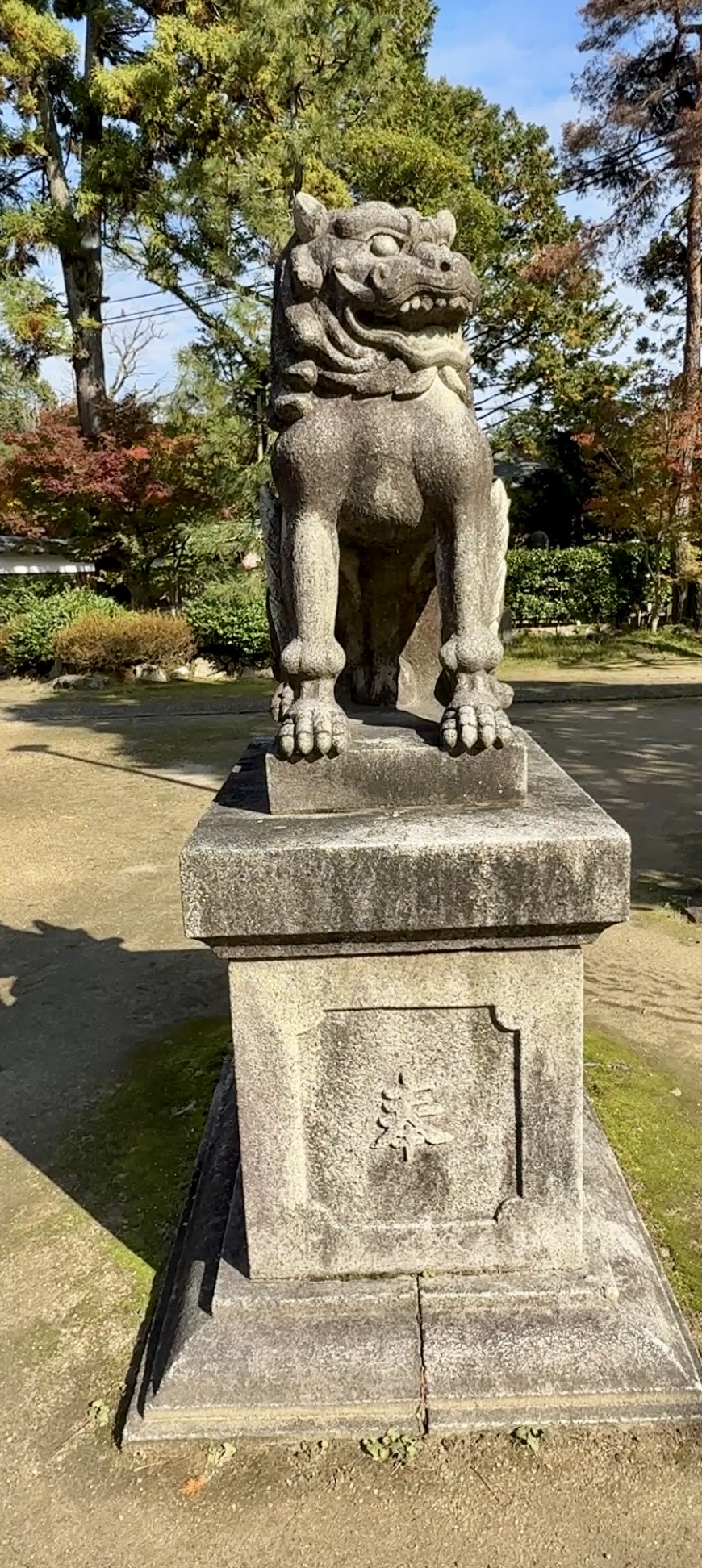
As we walked across the bridge toward the sandbar, Yukiko pointed out the pine trees, tall and irregular in shape. “They look like dancing trees,” she said. And they did. I couldn’t have come up with a better description.
A Fishing Village and a Traffic Standoff
From there we took the winding coastal roads toward Ine, a fishing village famous for its funaya, traditional boat houses at the water’s edge. The boats are sheltered at water level, while the living spaces are above or behind them. It was a fascinating arrangement, and the village itself was wonderfully quaint.
Yukiko explained that the community faces a familiar problem: residents are getting older, and younger generations aren’t necessarily eager to take over the family properties. Meanwhile, visitors arrive in droves. Apparently the crowds can swell to several times the usual population.
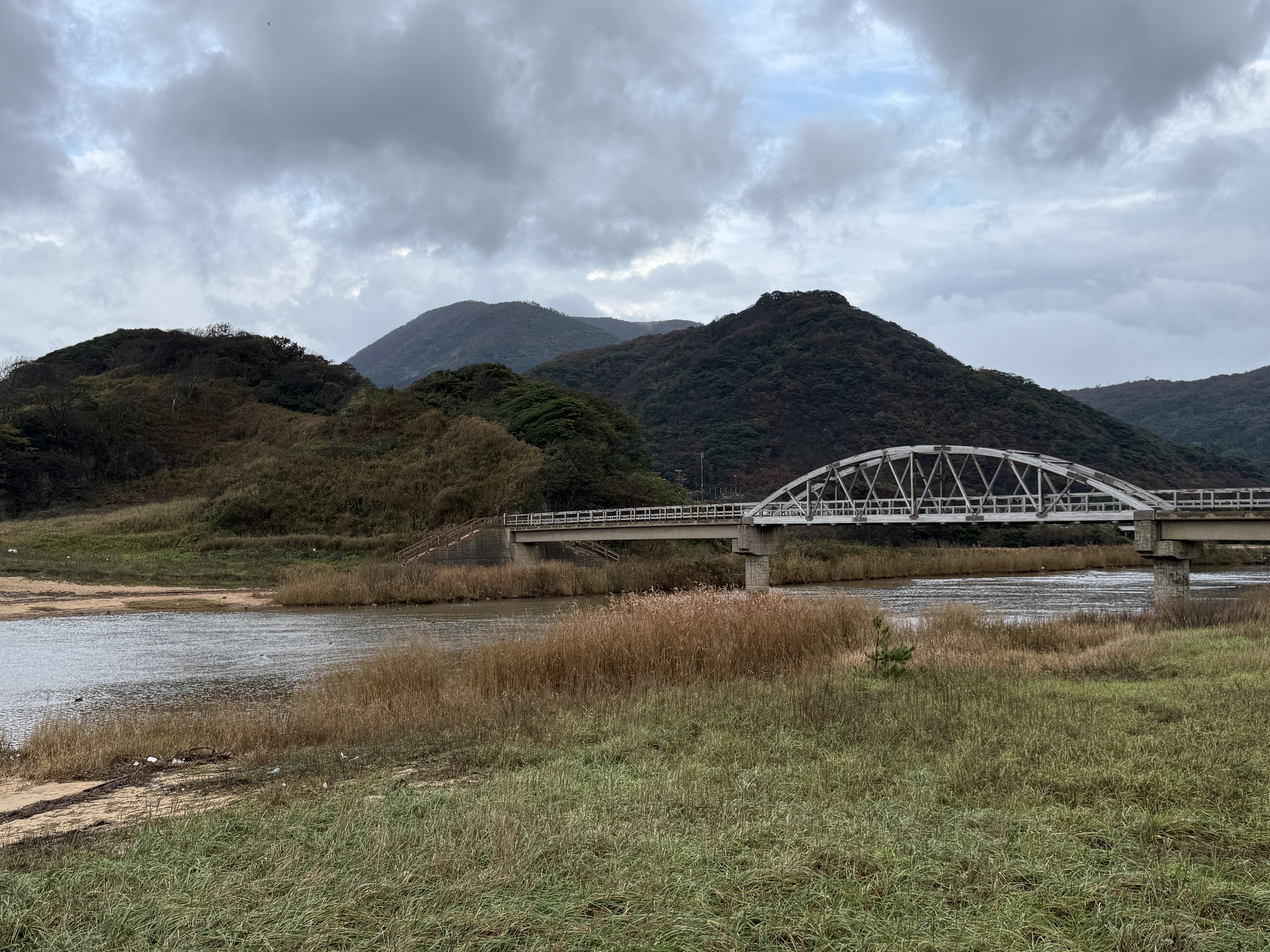
We experienced that popularity firsthand. The streets are narrow, the tour buses are enormous, and at one point we sat in a traffic jam for what felt like an eternity—about 20 minutes—while buses and little cars faced one another, seemingly waiting for someone else to decide who should move first.
The funny thing was that, once we finally parked and walked around, the village seemed surprisingly peaceful. Where had all those bus passengers gone?
And the roads! Winding, winding roads. At least I was in a plush SUV rather than a bus. Considerably less vomit-inducing.
A Rock With Its Own Weather Arrangement
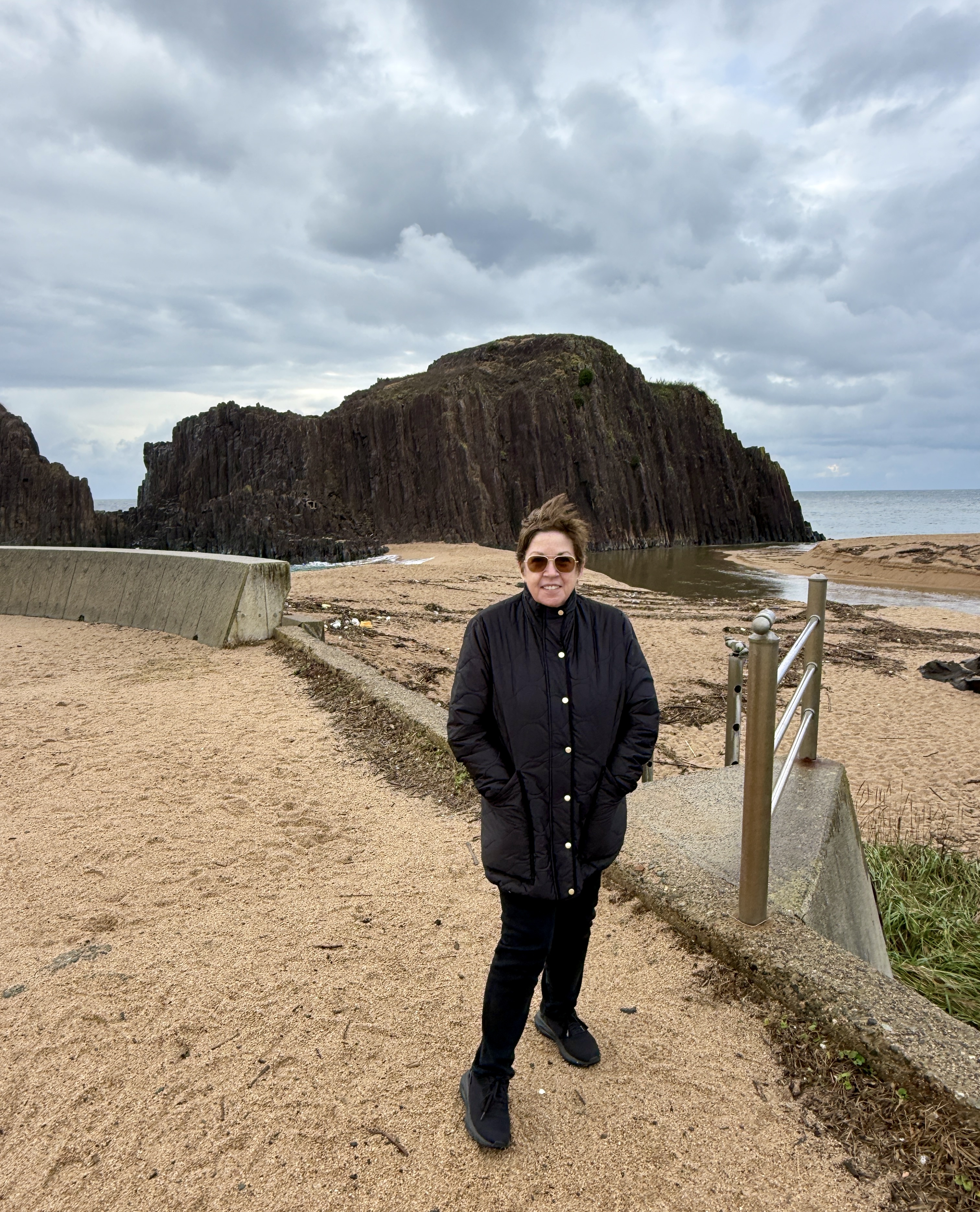
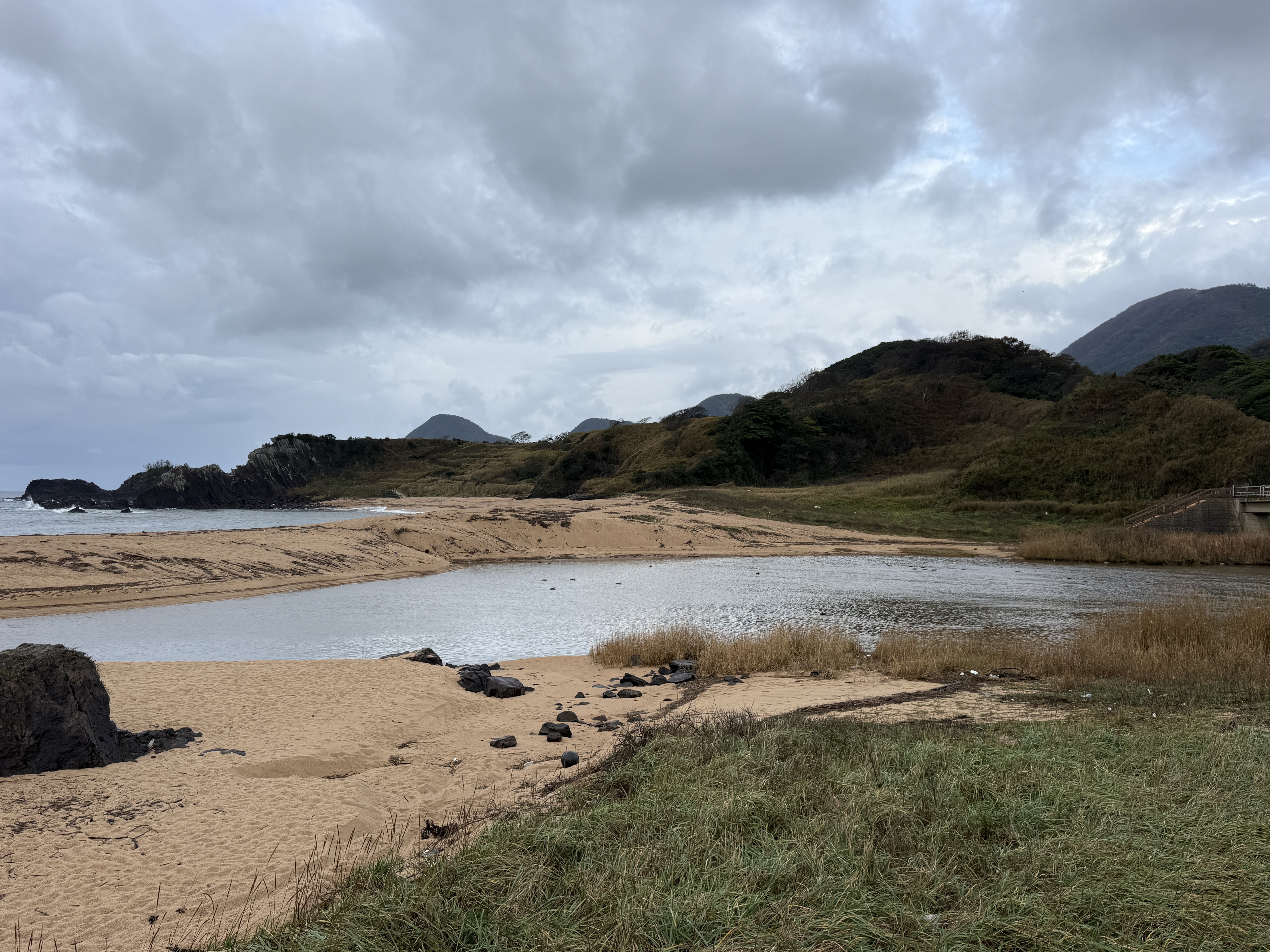
Along the coast we stopped at Tateiwa, a massive dark volcanic rock formation rising from the sand beside the Sea of Japan. Its extraordinary vertical columns were formed as molten rock cooled and fractured millions of years ago.
Rain had been falling during the drive, and we weren’t sure we’d be able to get out to see it. But when we arrived, the rain stopped. We walked down, admired the rock, took photographs, and made it back to the car.
“The rain stops every time I come to this rock,” Yukiko said, with the quiet conviction of someone who knows something the rest of us don’t.
I rather liked that. Perhaps the rock likes Yukiko as much as she likes it.
An Ocean-View Ryokan, and a Little Trepidation
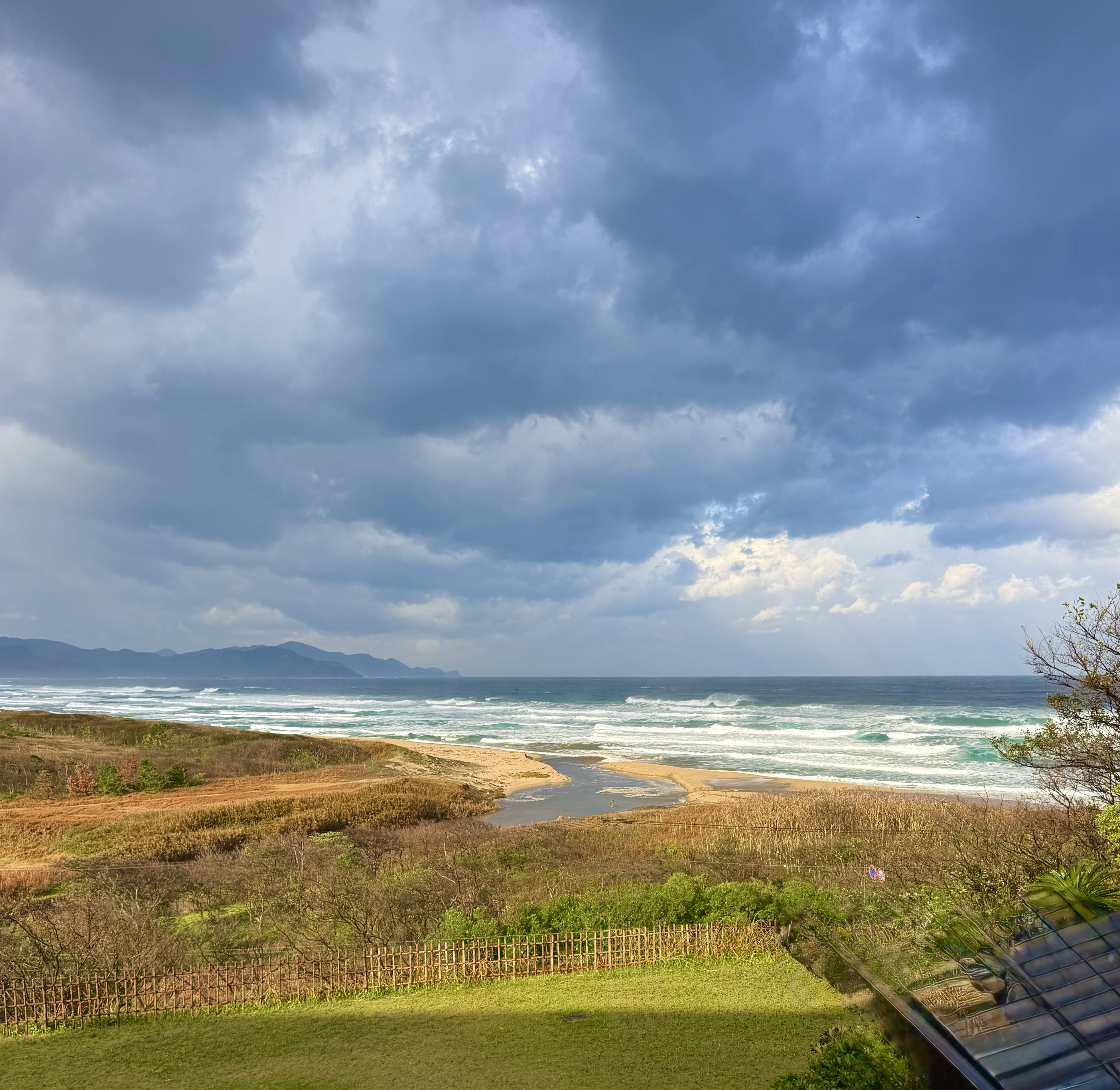
By late afternoon we’d reached Ryori Ryokan Yuhigaura, my accommodation for the night. It’s lovely, and my room has an ocean view. The rain is now coming down in earnest, making the room feel especially cozy.
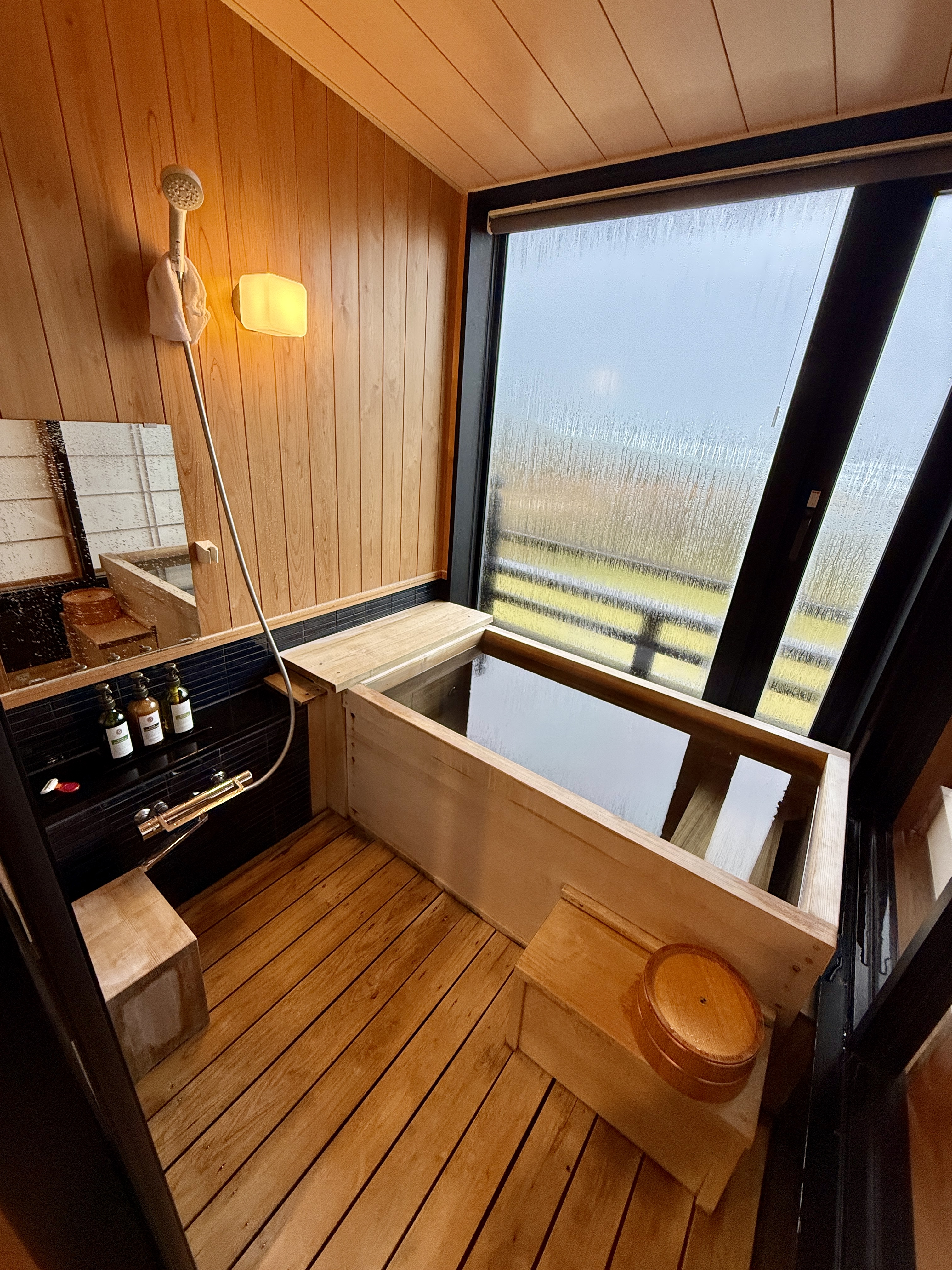
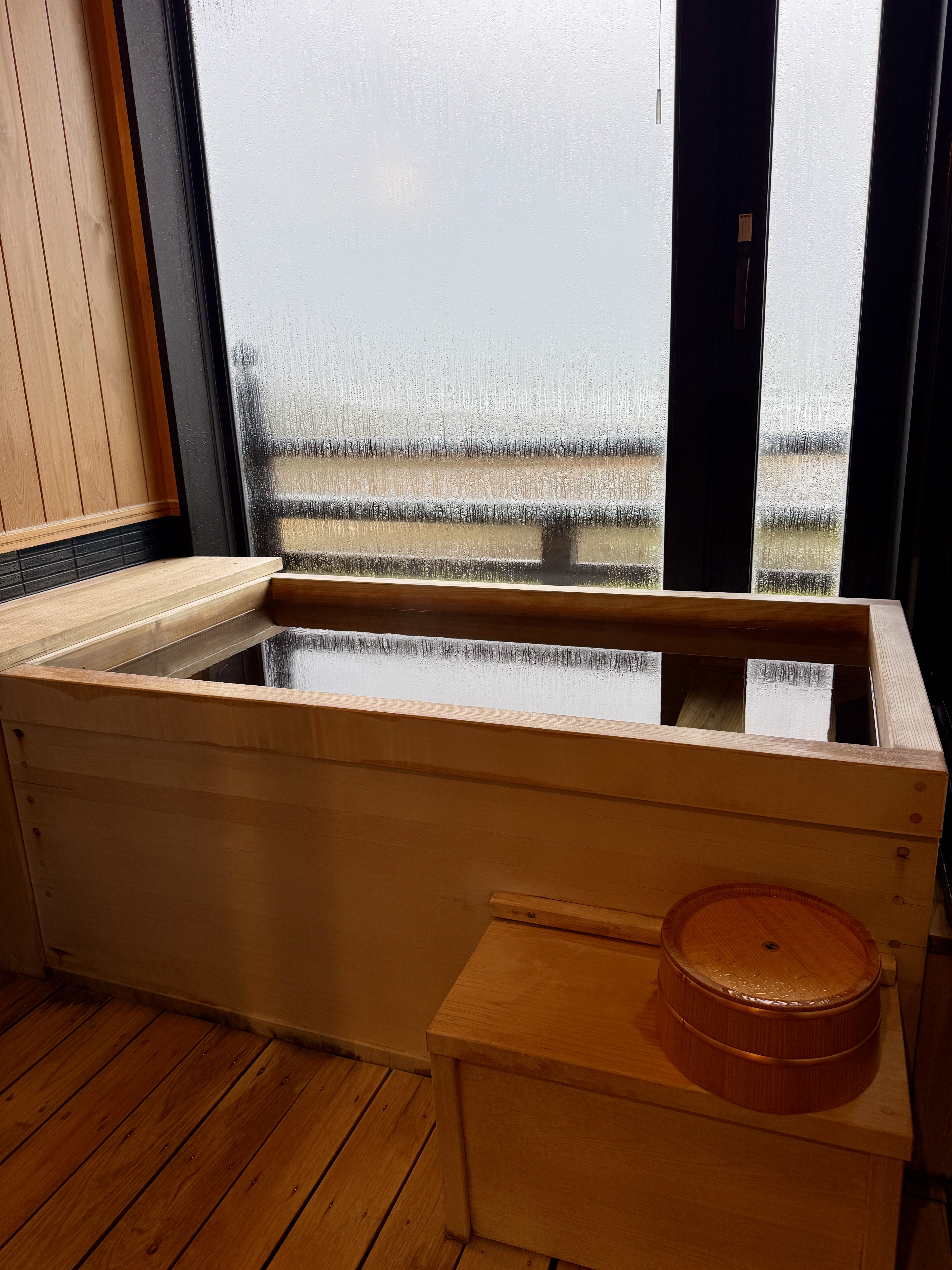
There is, however, one tiny complication: virtually everything is in Japanese. The information, the instructions—everything. A very pleasant young man who speaks English showed me the ins and outs of the room, for which I was grateful.
Dinner is in an hour. I may be the only non-Japanese guest here, and I’m already picturing myself as the thoroughly confused American trying to work out the etiquette. We’ll see how it goes. I shall report back.

