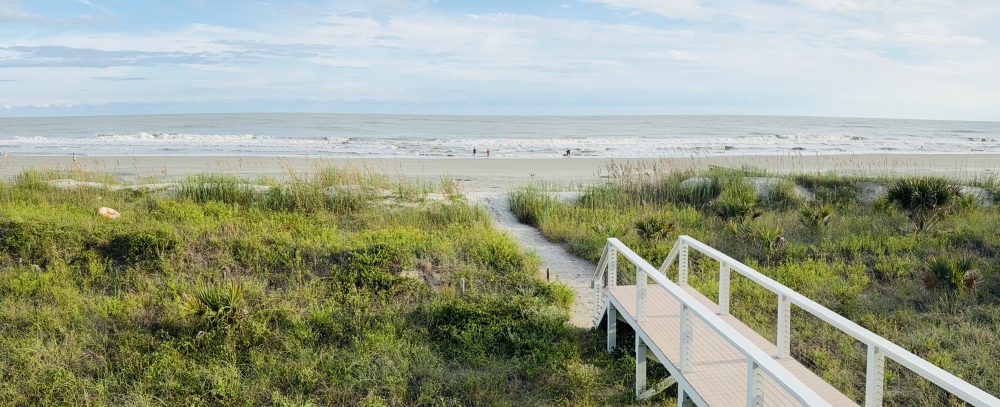
Kyoto, Japan | November 14, 2026
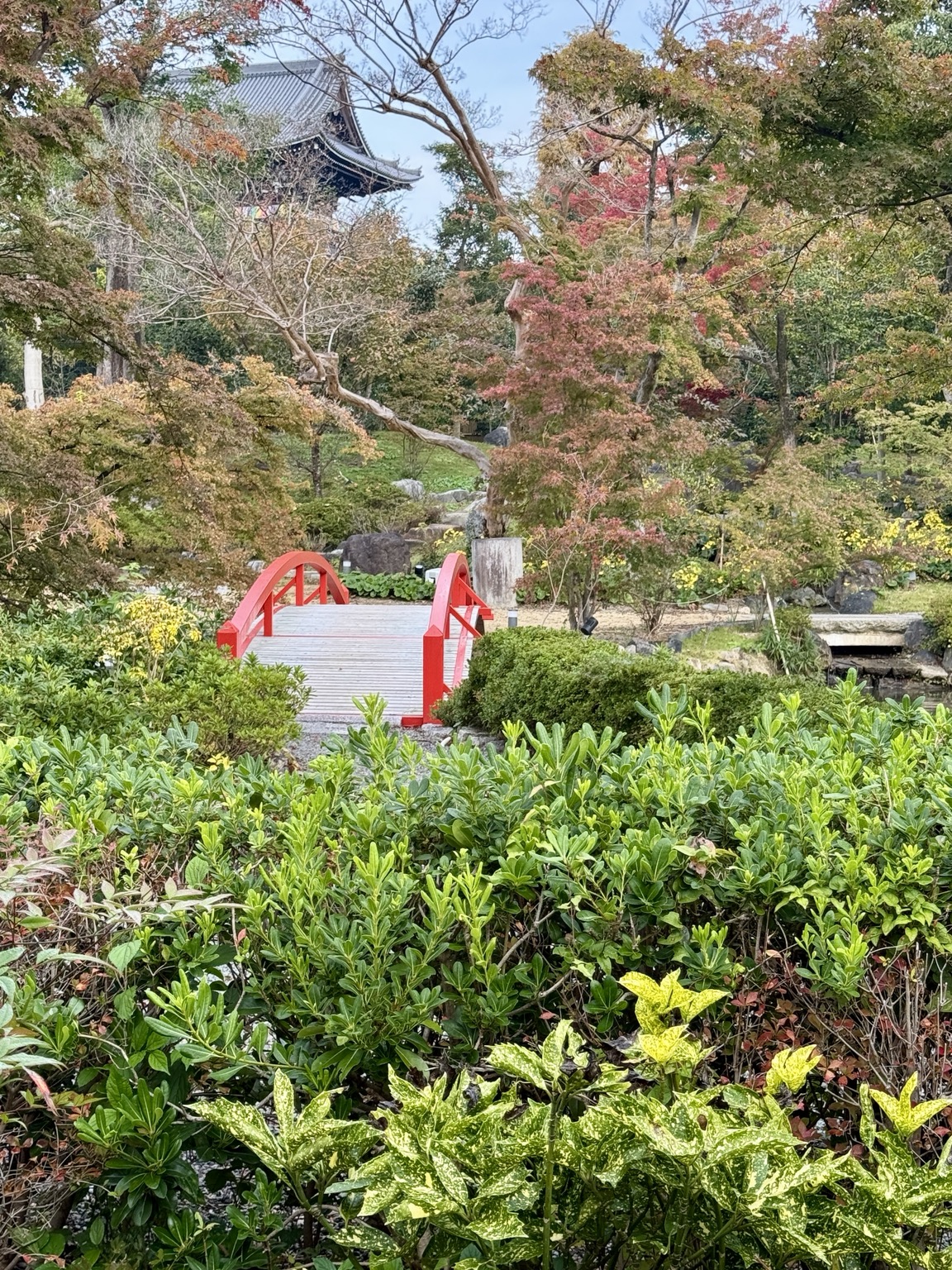
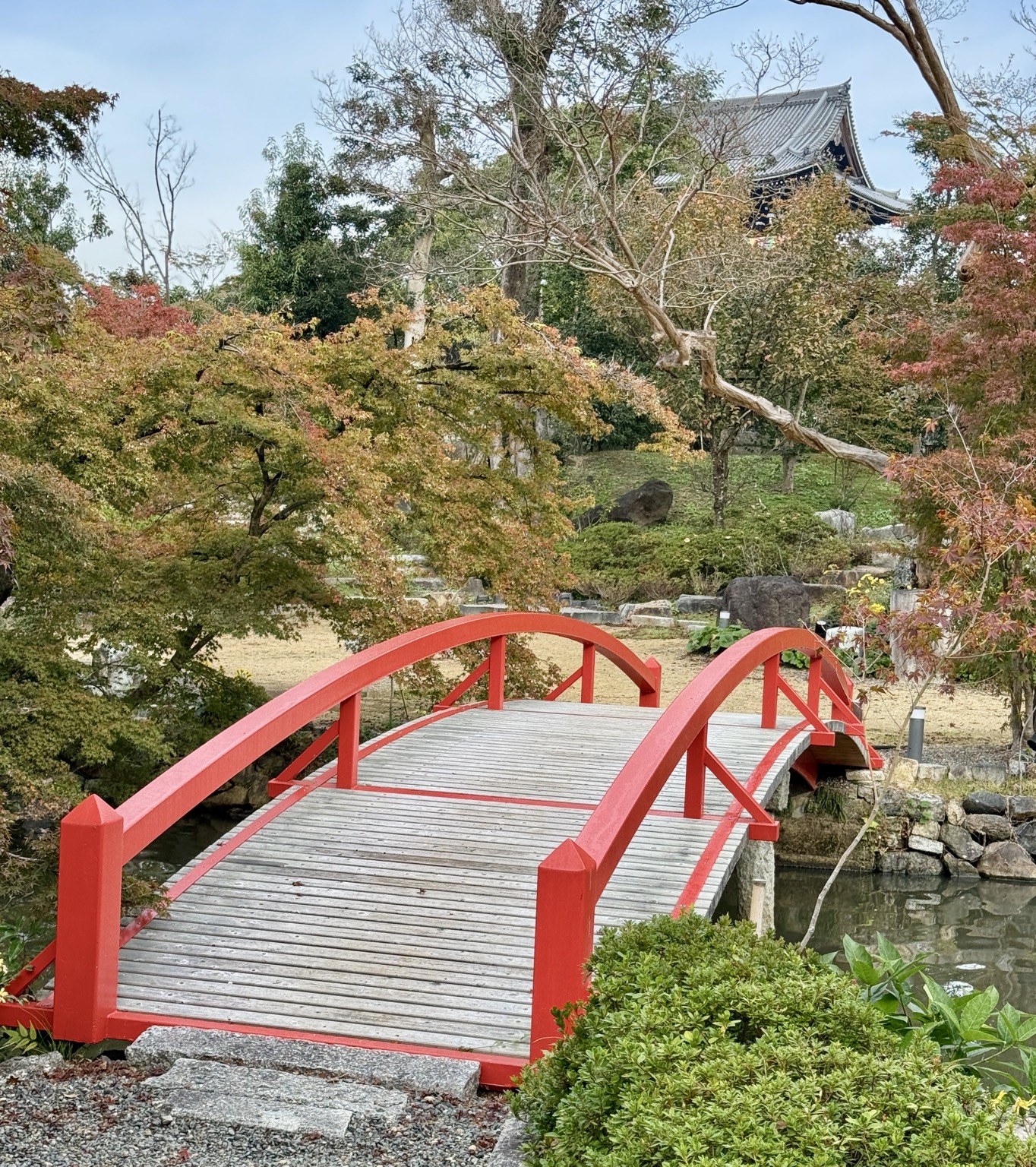
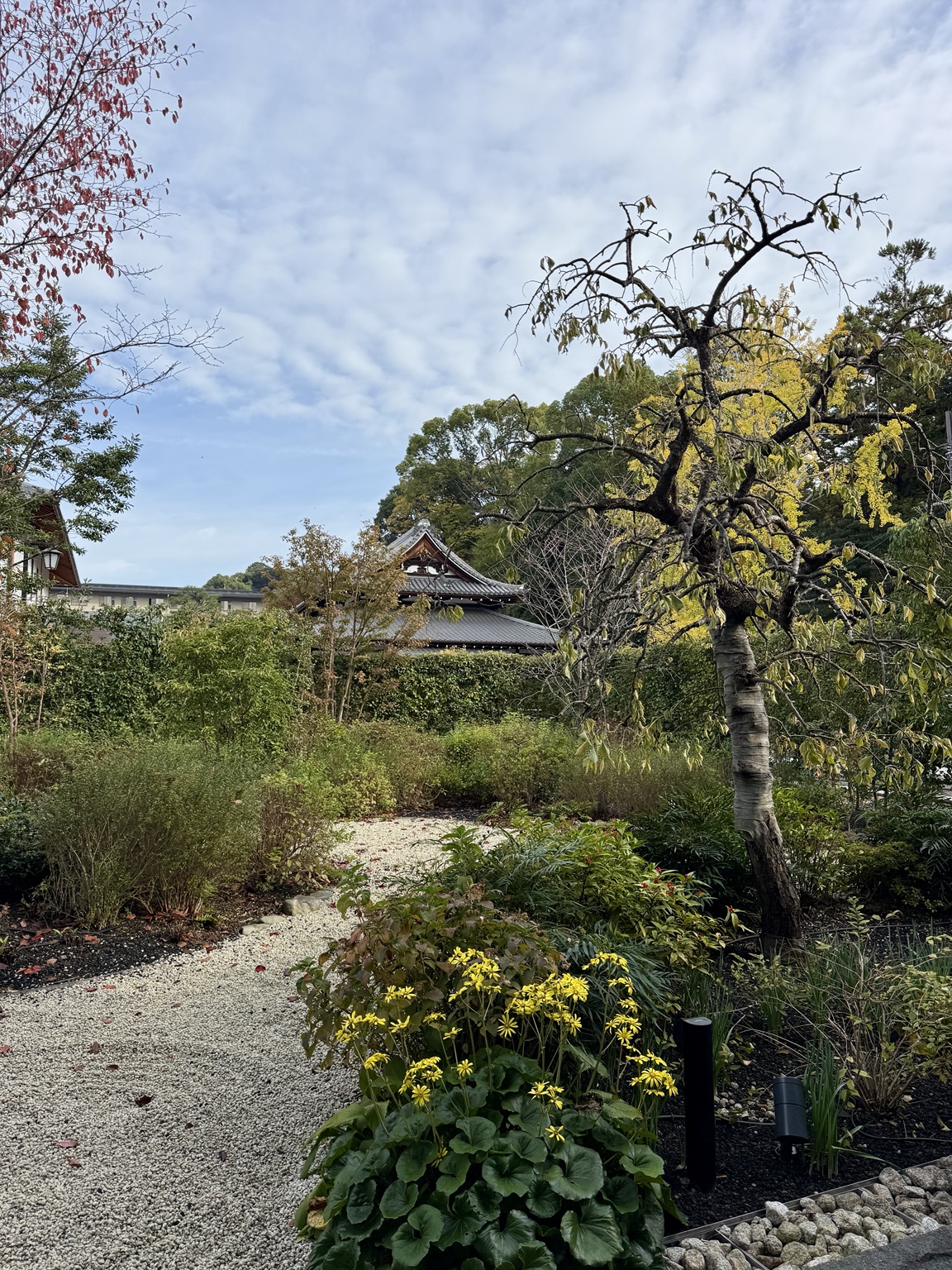
This morning, I ventured out behind our hotel, the Hotel Okura Kyoto Okazaki Bettei. A tranquil Japanese garden, a lovely little vermilion bridge, autumn foliage and the tiled roofs of the neighboring temple peeking through the trees. Quite picturesque and rather peaceful.
Remember that last word. We’ll come back to it.
We Bashed the Mochi, We Ate the Mochi
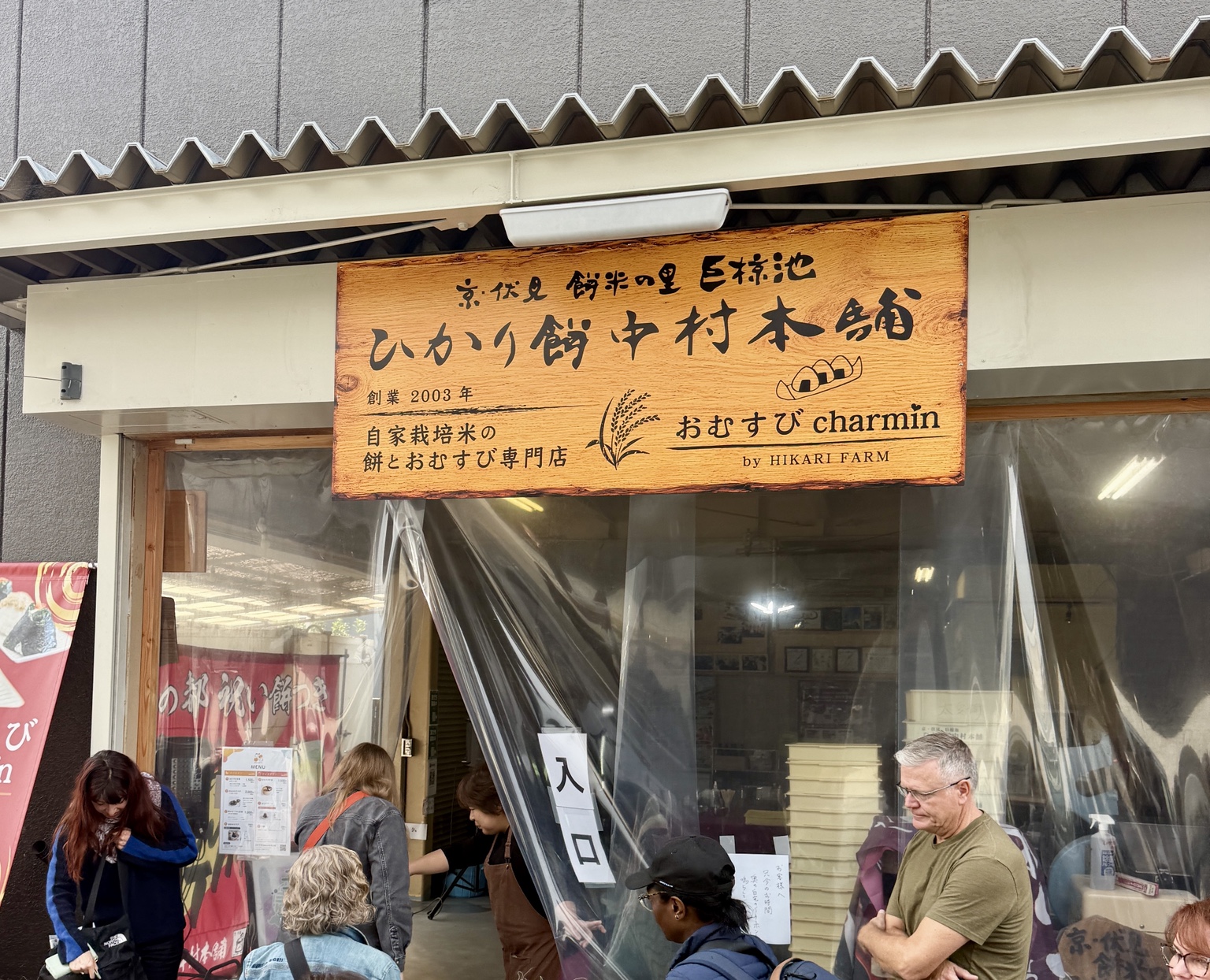
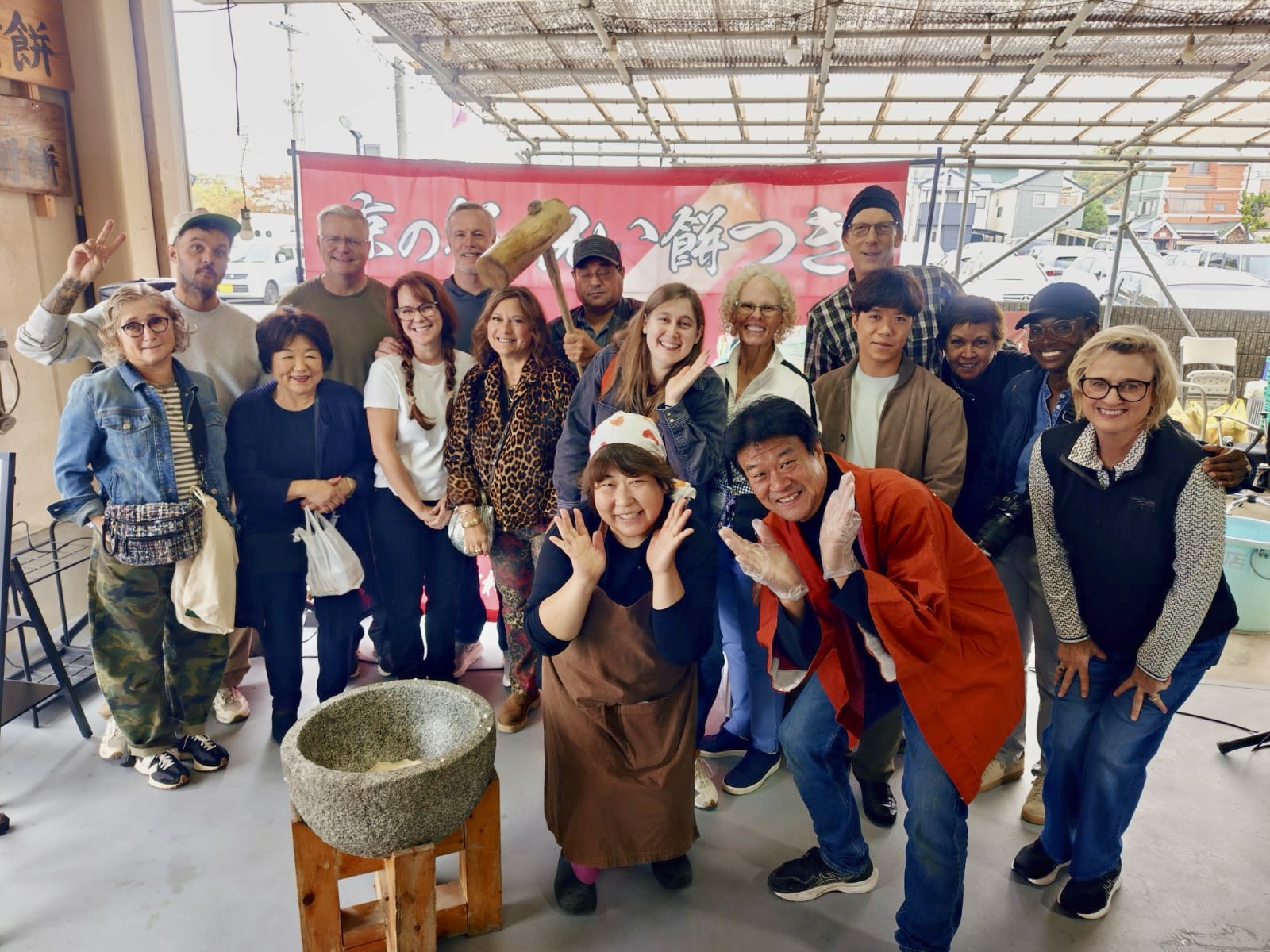
Our first outing of the morning took us to a very modest mochi workshop, Hikari Mochi Nakamura Honpo, established in 2003. They specialize in making mochi and Japanese rice balls using rice they’ve grown themselves.
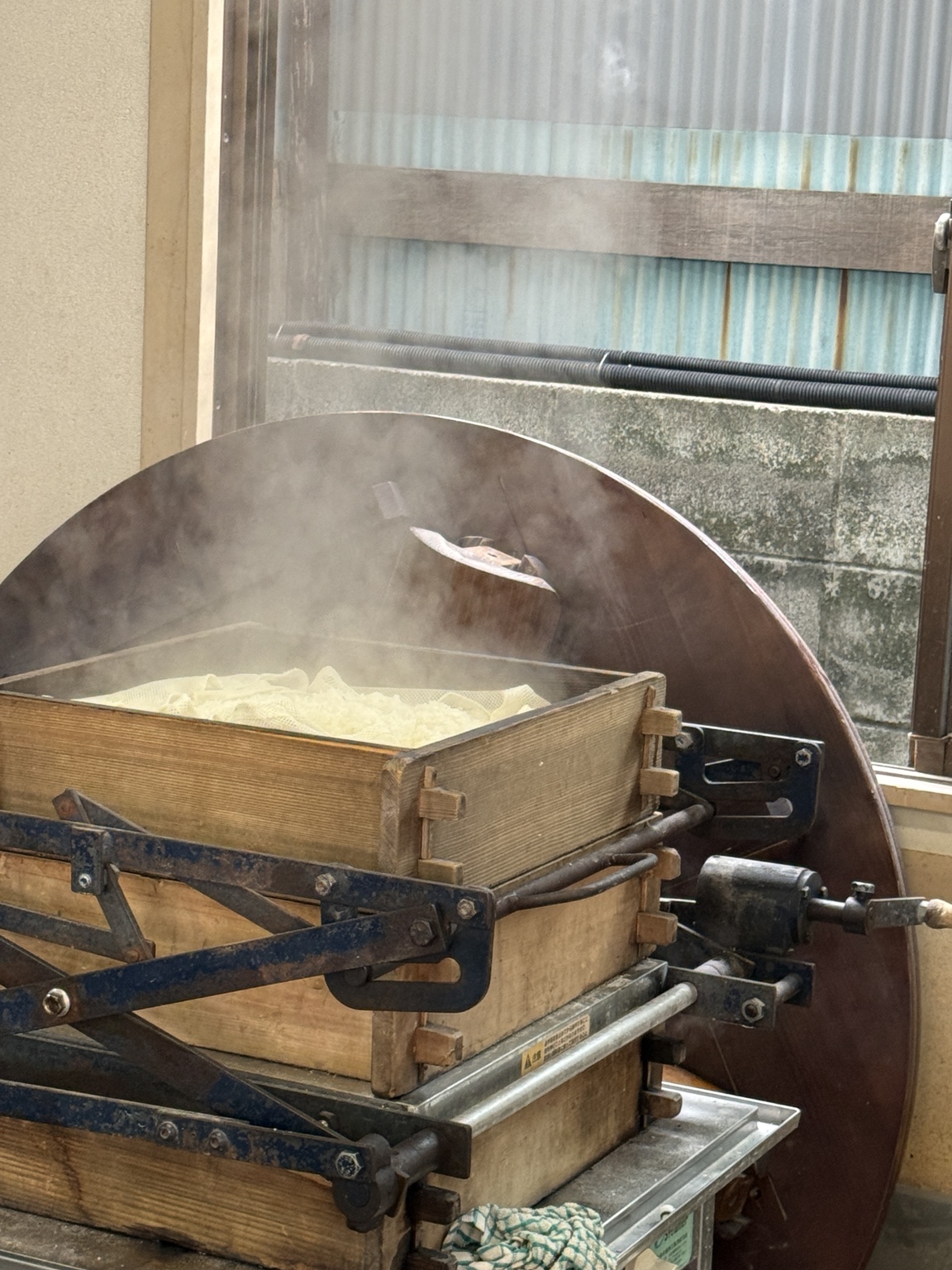
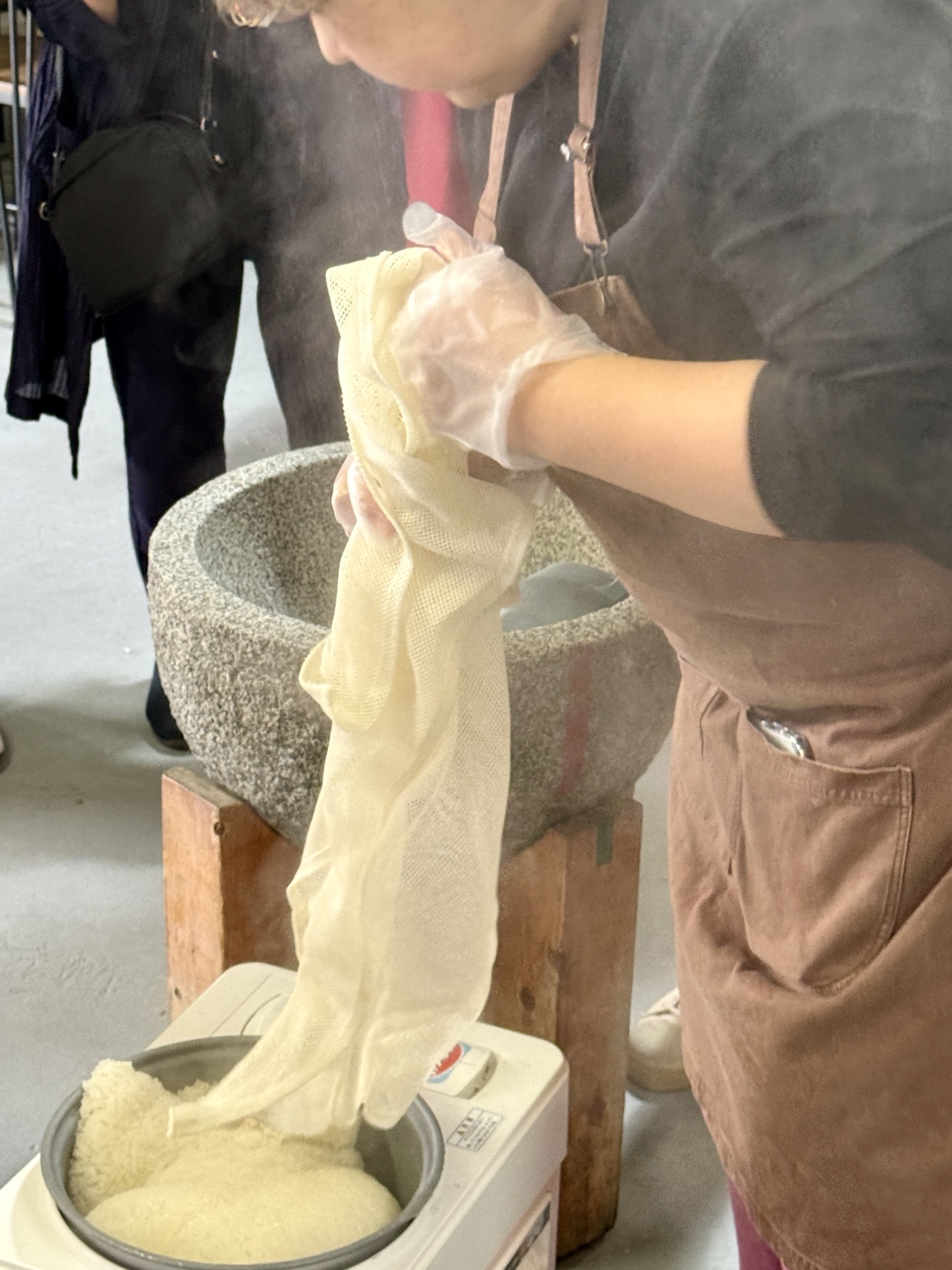
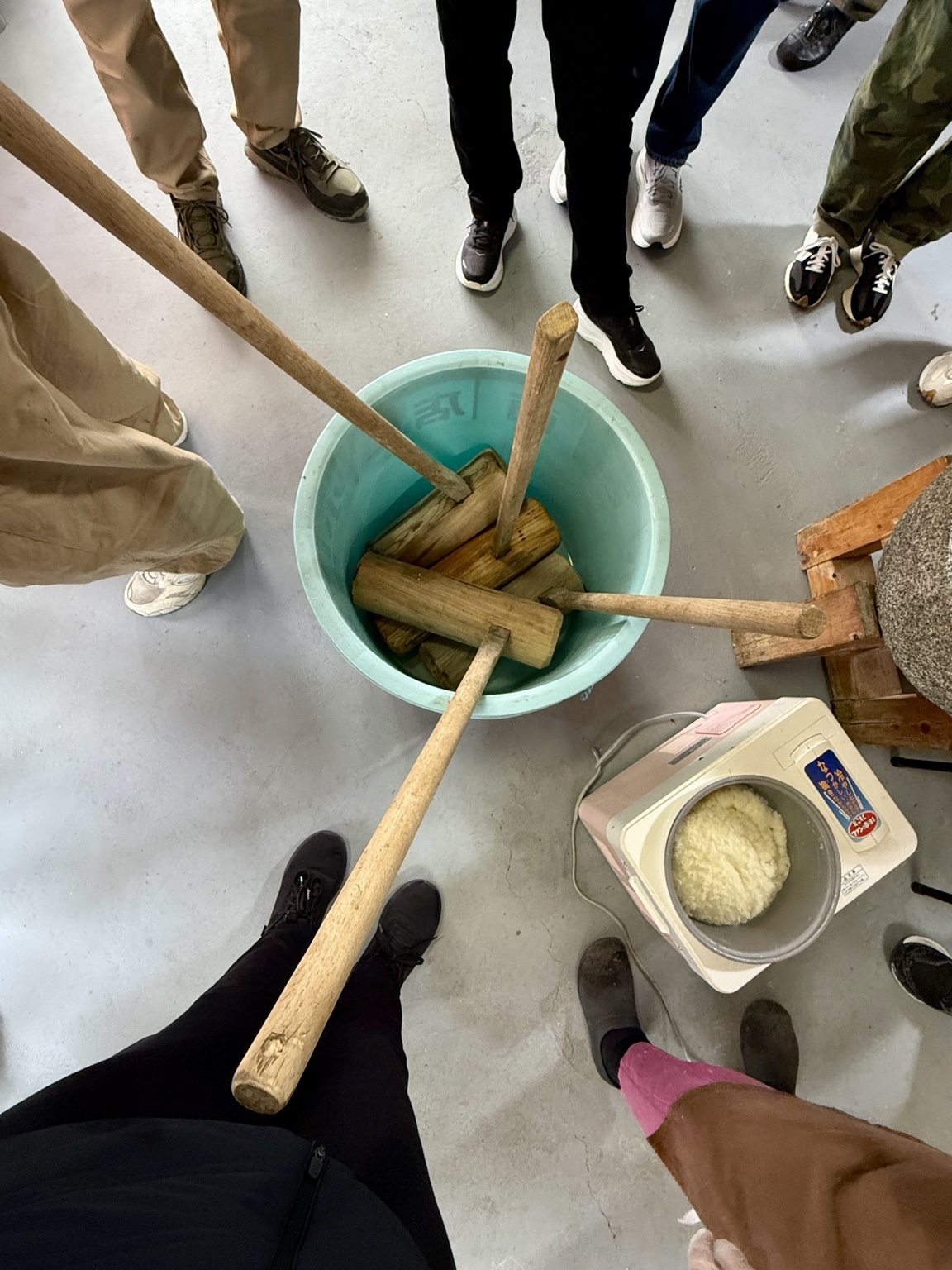
The glutinous rice is steamed in traditional wooden boxes before being pounded in a large stone mortar (usu) with wooden mallets (kine). This traditional process is known as mochitsuki.
Everybody participated in this particular activity, and we had great fun. There’s something immensely satisfying about being handed an enormous wooden mallet, encouraged to bash the hell out of something, and then being rewarded with food.
We sampled three different preparations: roasted soybean powder (kinako), soy sauce and what I believe was sweet bean paste.
I think most of us, myself included, were pleasantly surprised at how delicious it was, considering we were essentially eating a blob of rice. But rice and water are taken very seriously in Japan, and there’s something quite remarkable about being able to taste the purity of such simple ingredients. Not everything needs embellishment to be delicious.
Fushimi Inari Taisha
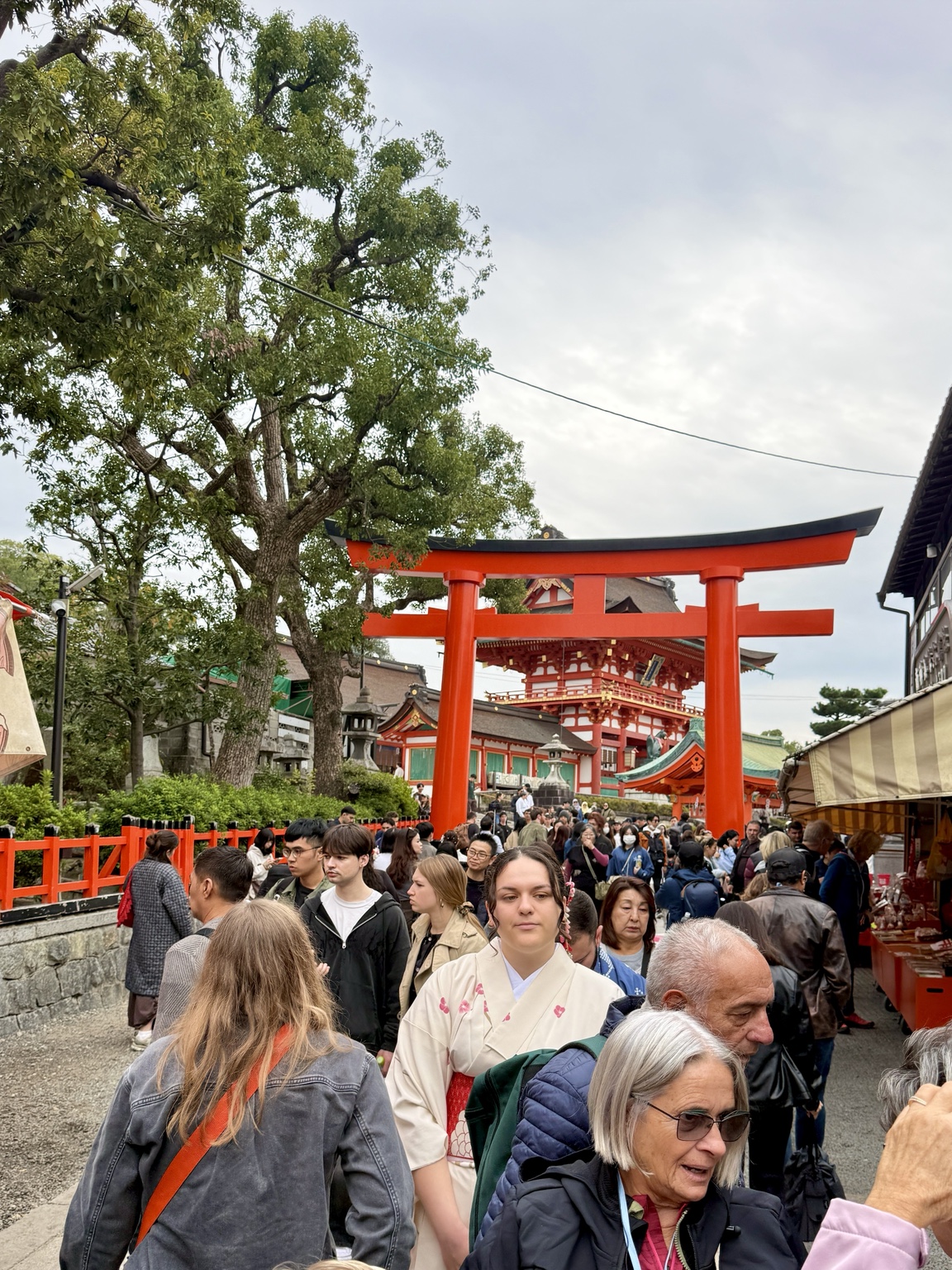
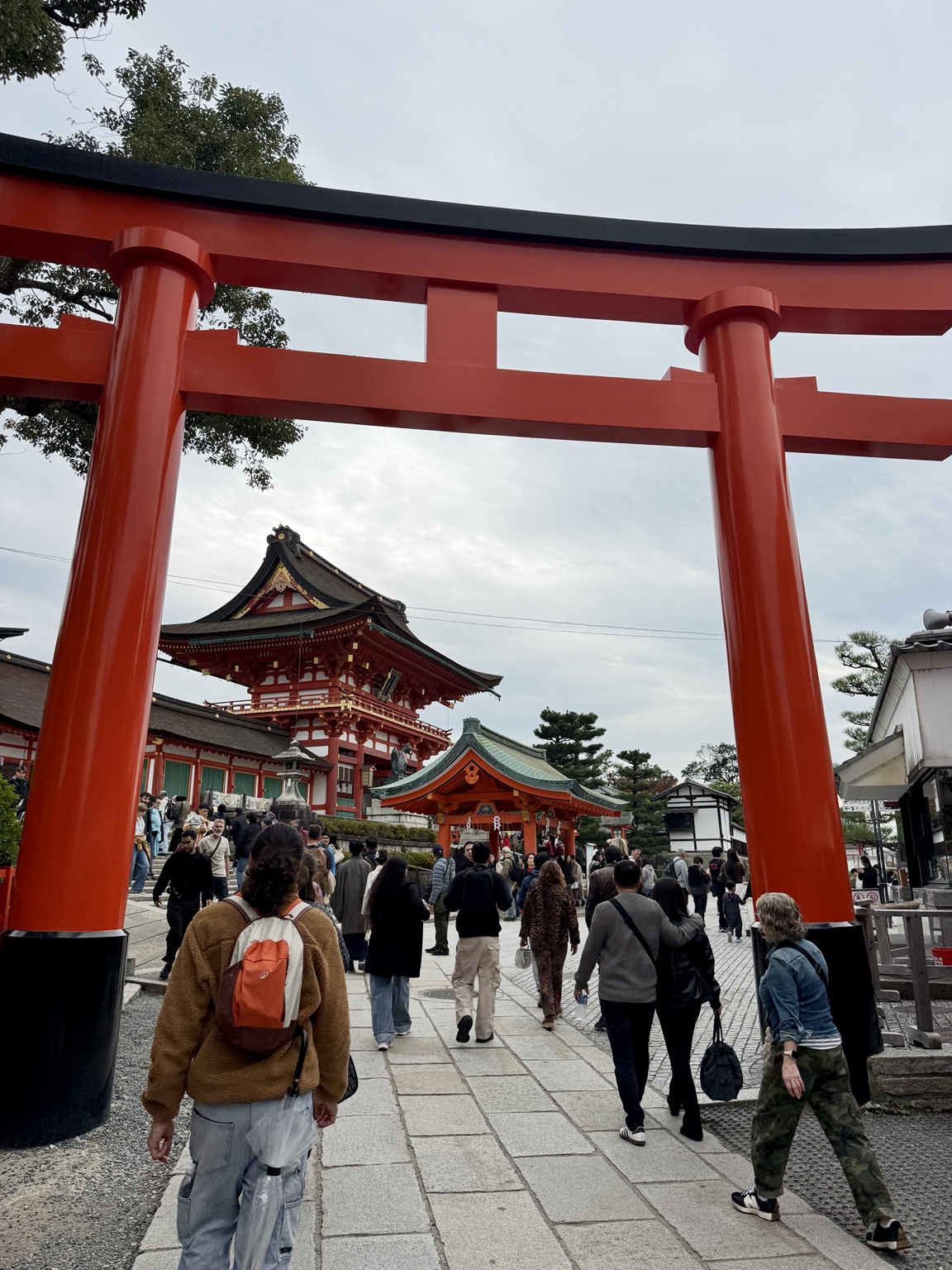
From there, we headed to Fushimi Inari Taisha, the famous Shinto shrine with its thousands of vermilion torii gates winding up the wooded slopes of Mount Inari.
Established in 711, the shrine is dedicated to Inari, the deity associated with rice, agriculture and prosperity. Rather fitting, considering how we’d spent our morning.
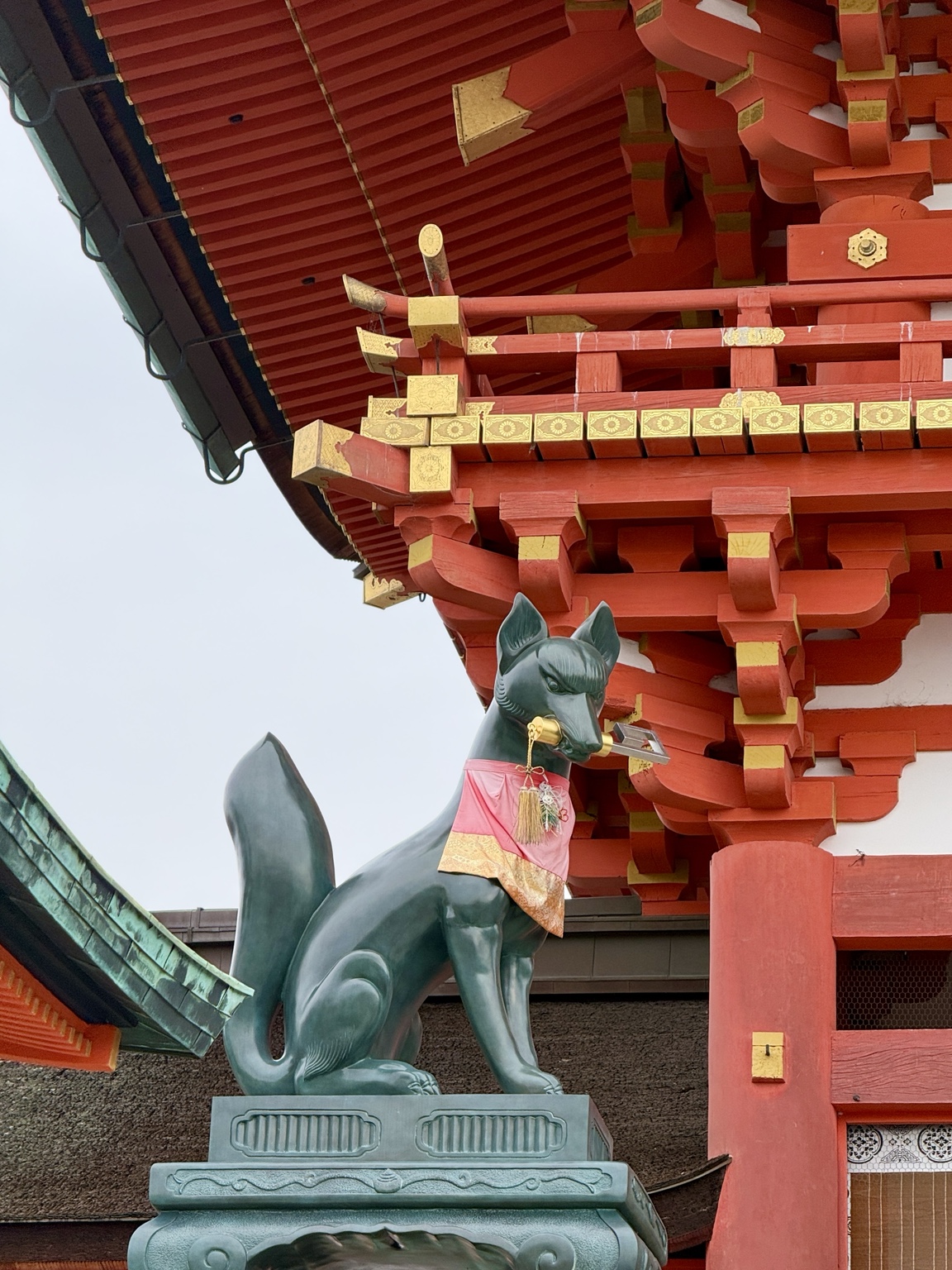
Throughout the shrine are statues of foxes, or kitsune, believed to be messengers of Inari. One of the foxes I photographed holds a key in its mouth, symbolizing access to the rice granary.
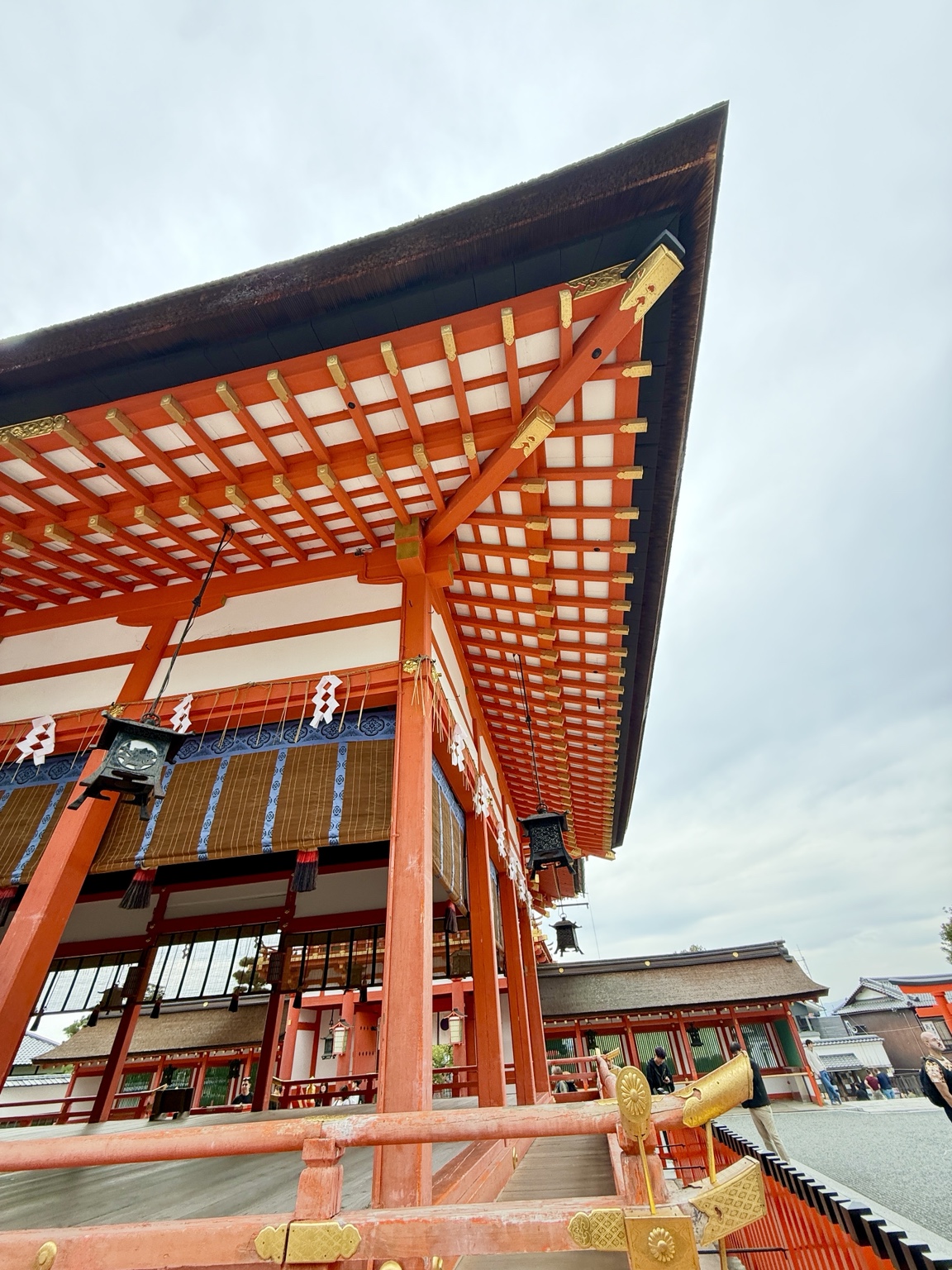
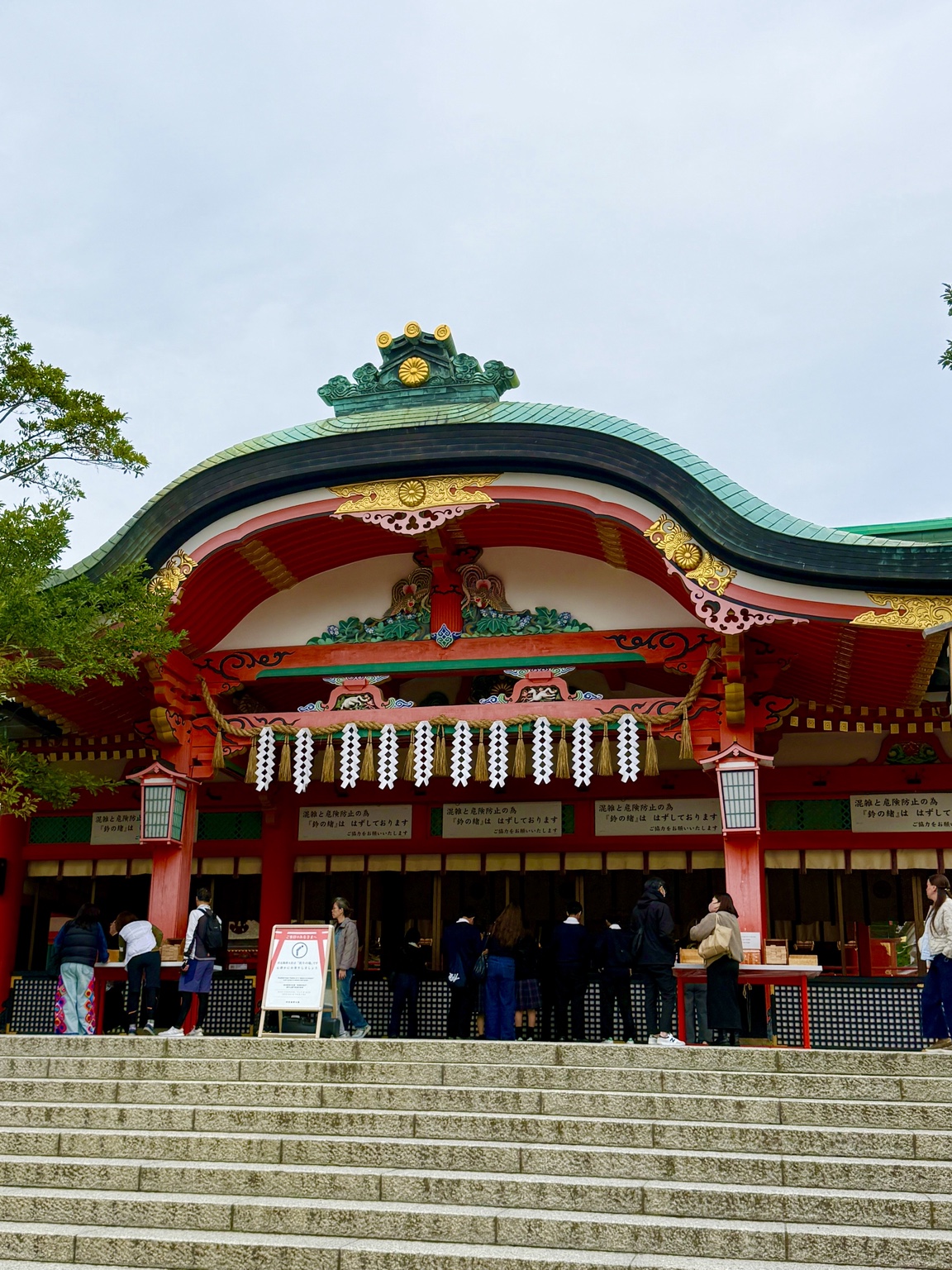
The architecture is stunning, with its vivid vermilion, intricate gold embellishments and beautifully curved roofs.
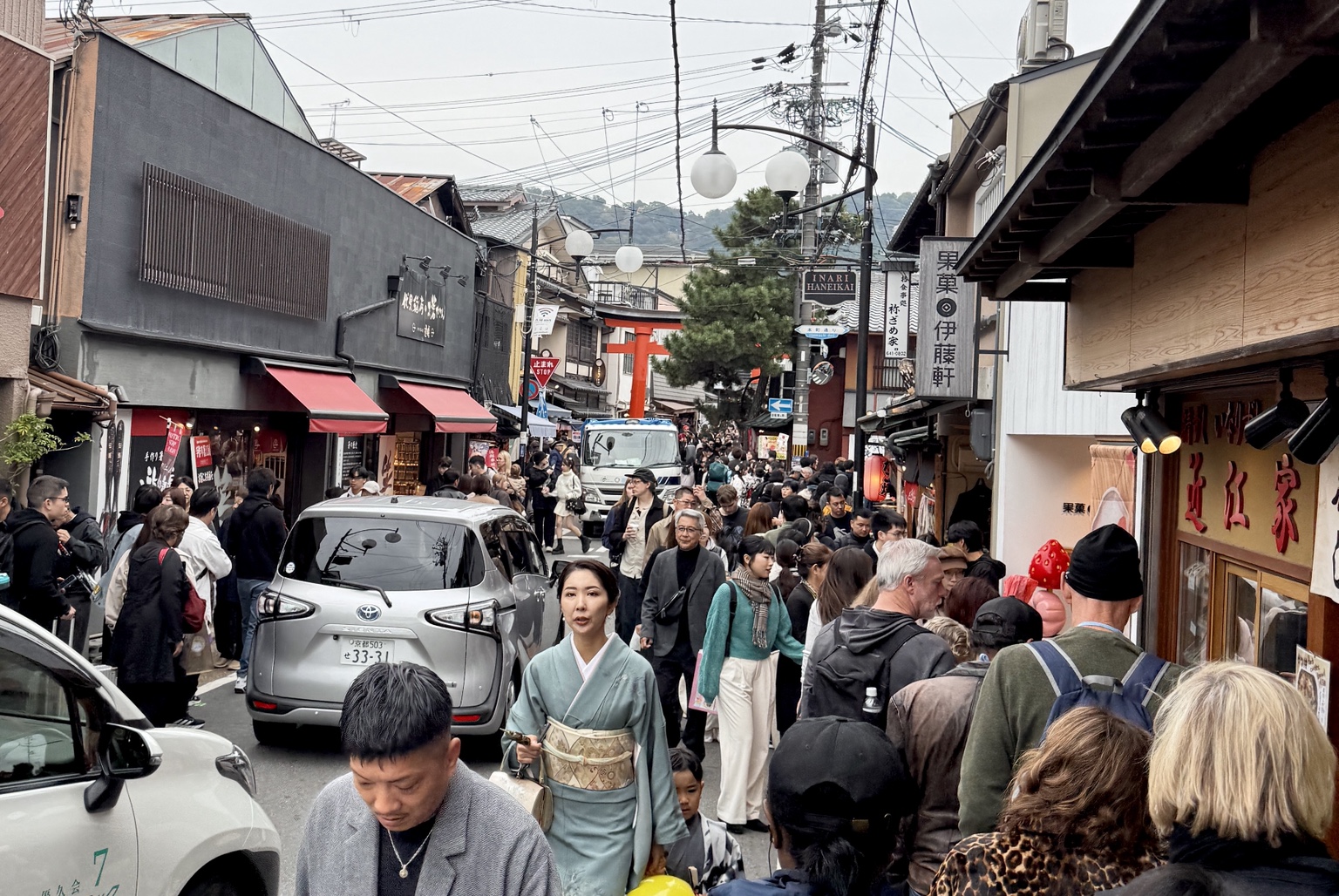
Absolutely beautiful and absolutely heaving with humanity. I can only imagine how magical this place must be in the early hours of the morning, before the arrival of the masses (myself included).
Japan: The Land of Don’ts
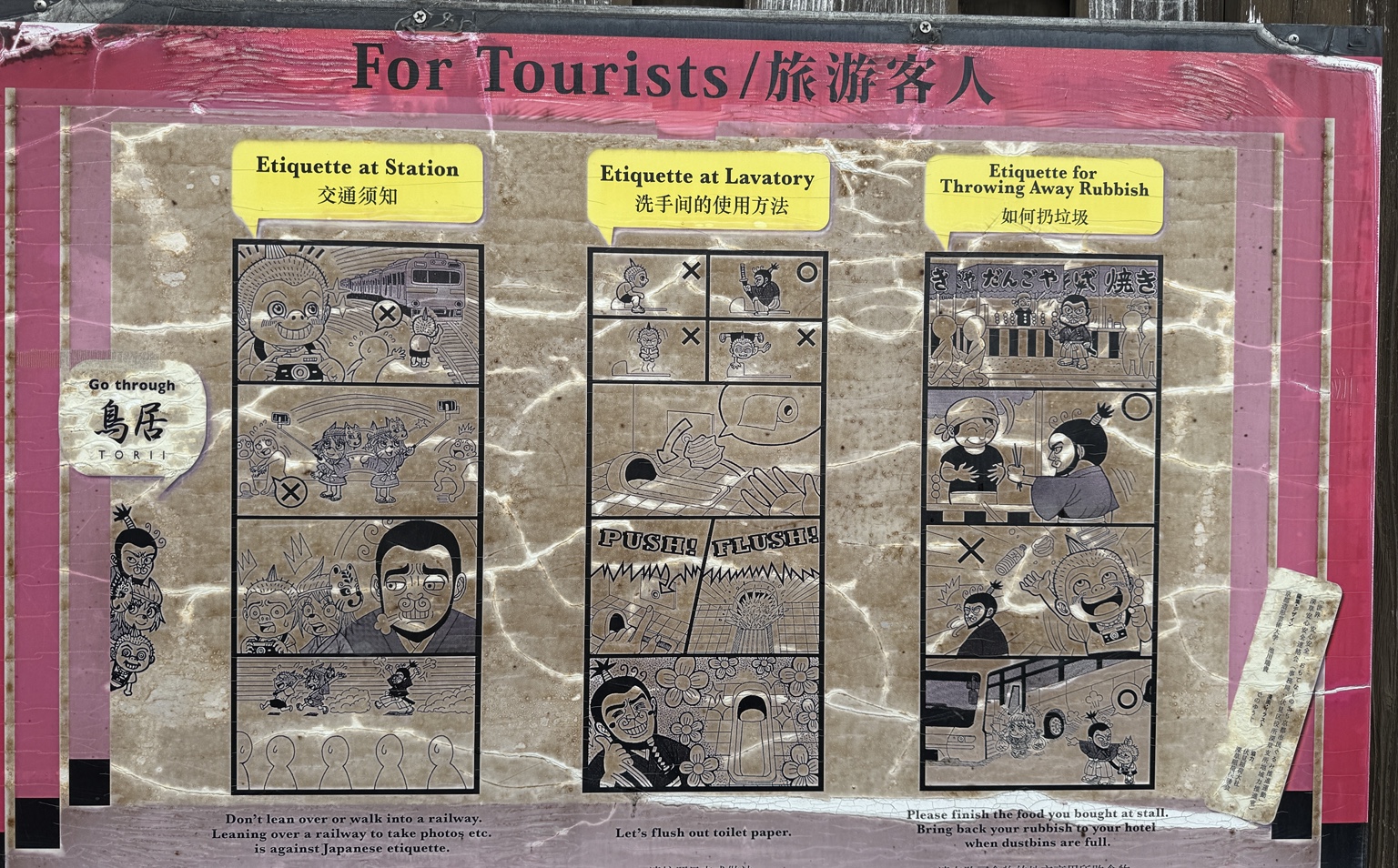
I’ve started accumulating a little photographic collection of Japanese prohibitions.
Don’t eat while walking. Don’t smoke. Don’t do this. Don’t do that. And just in case you’re unclear about the proper use of a Japanese lavatory, there’s an illustrated tutorial for that, too.
Japan has elevated telling people what not to do to something of an art form. Sometimes it’s a stern instruction, sometimes an illustrated tutorial, and sometimes it’s a thoroughly disgruntled man dressed as a teddy bear.
Meanwhile, the bloke advertising coffee is happily smoking his pipe.
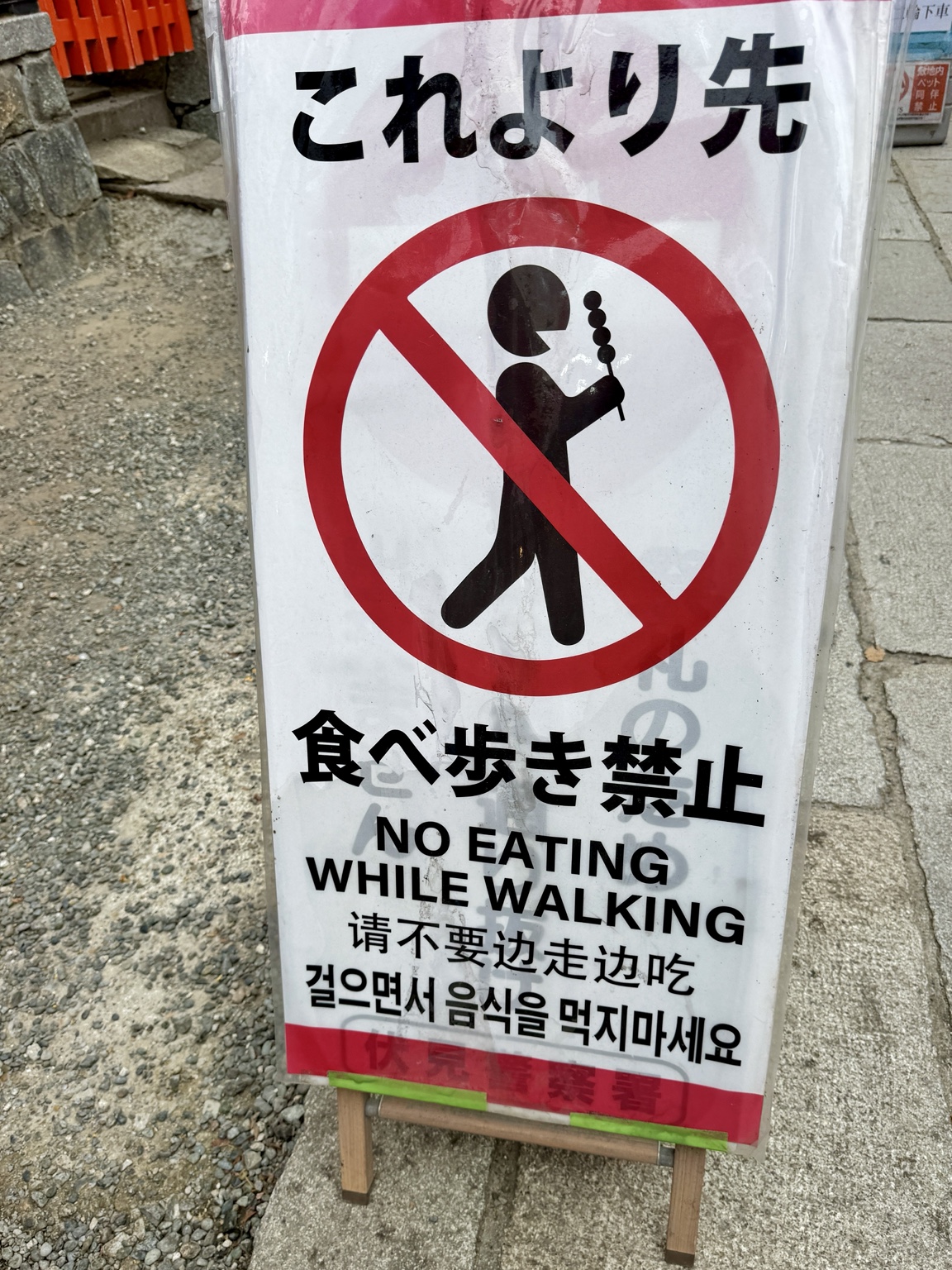
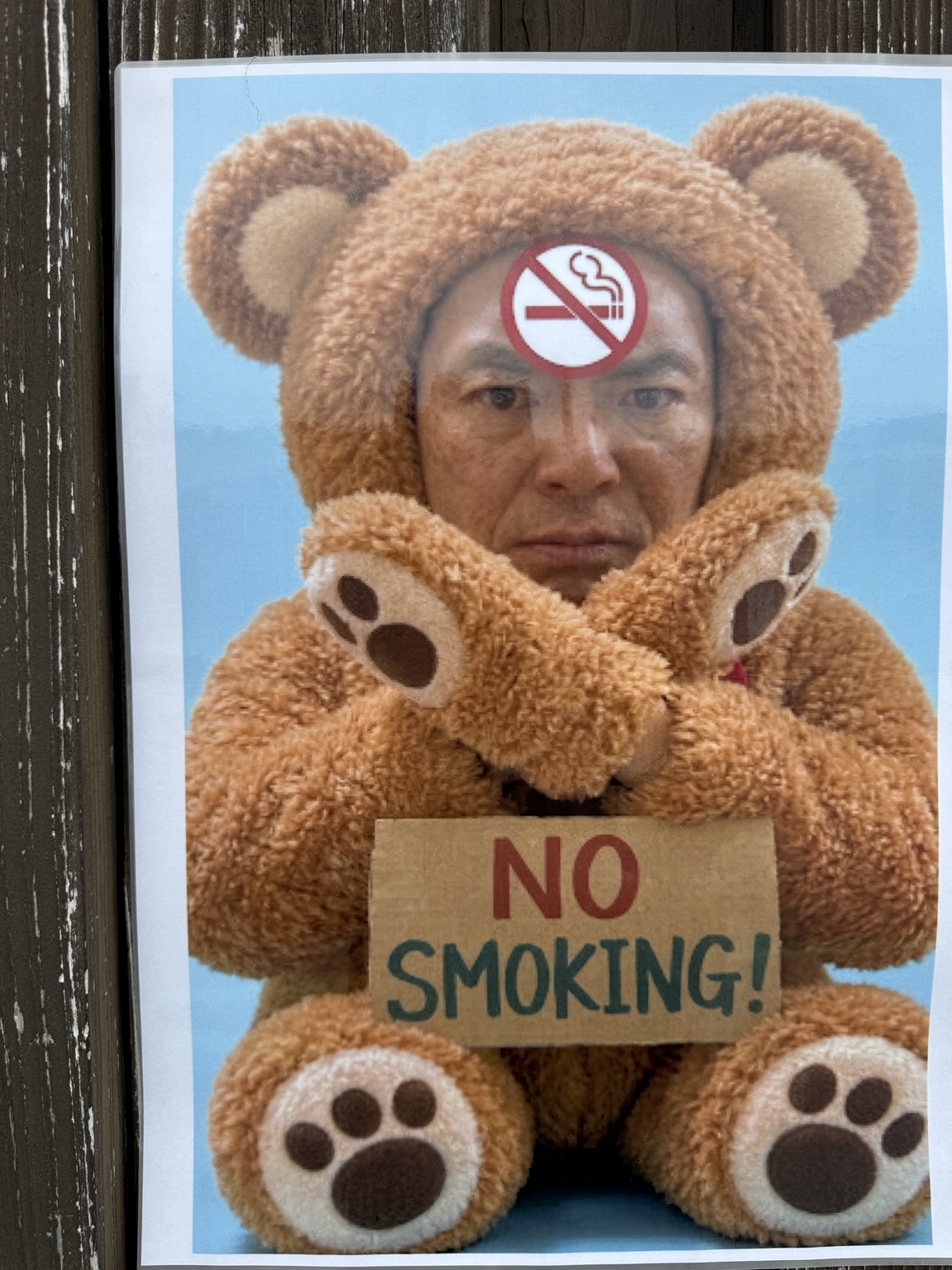
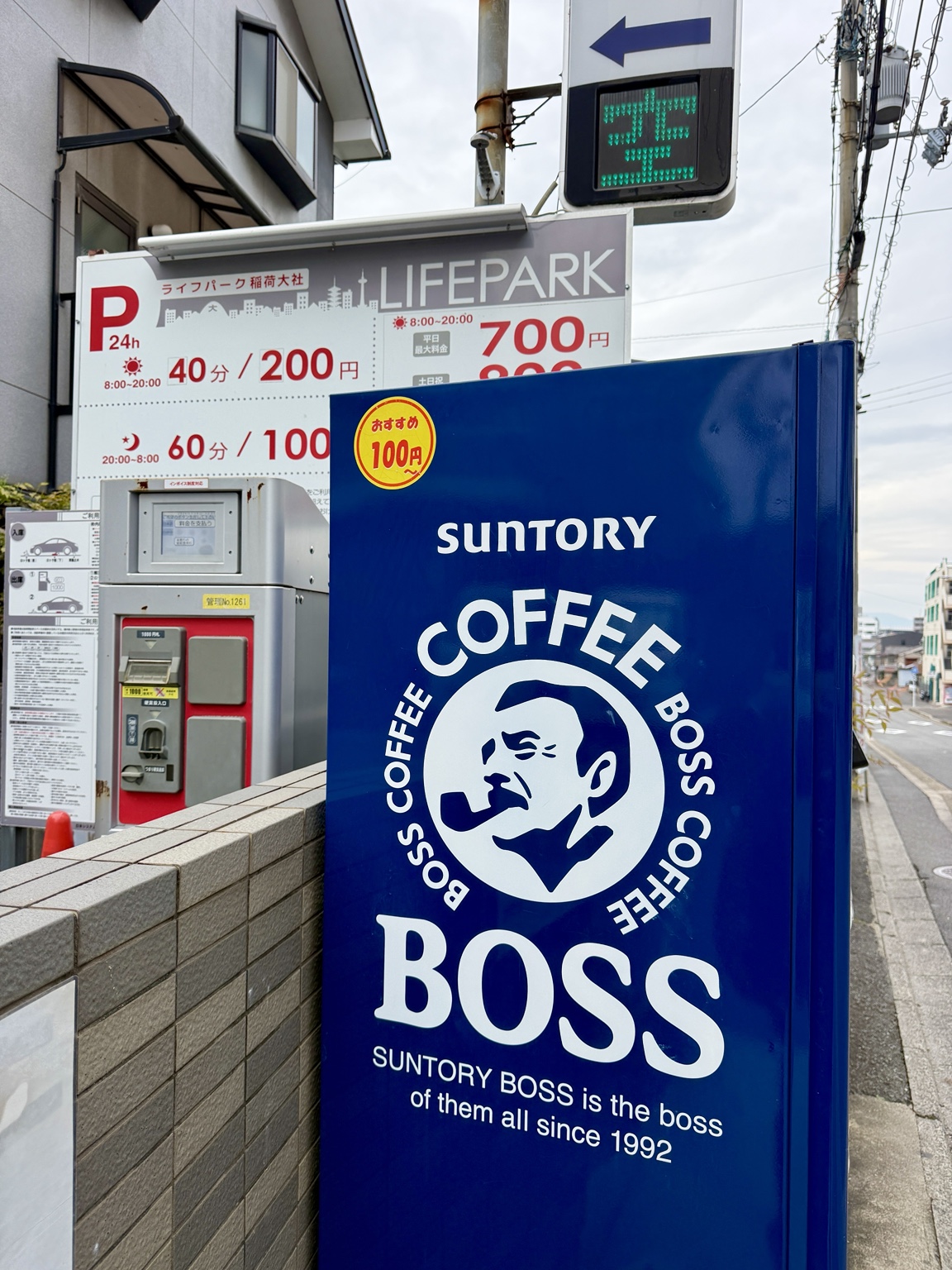
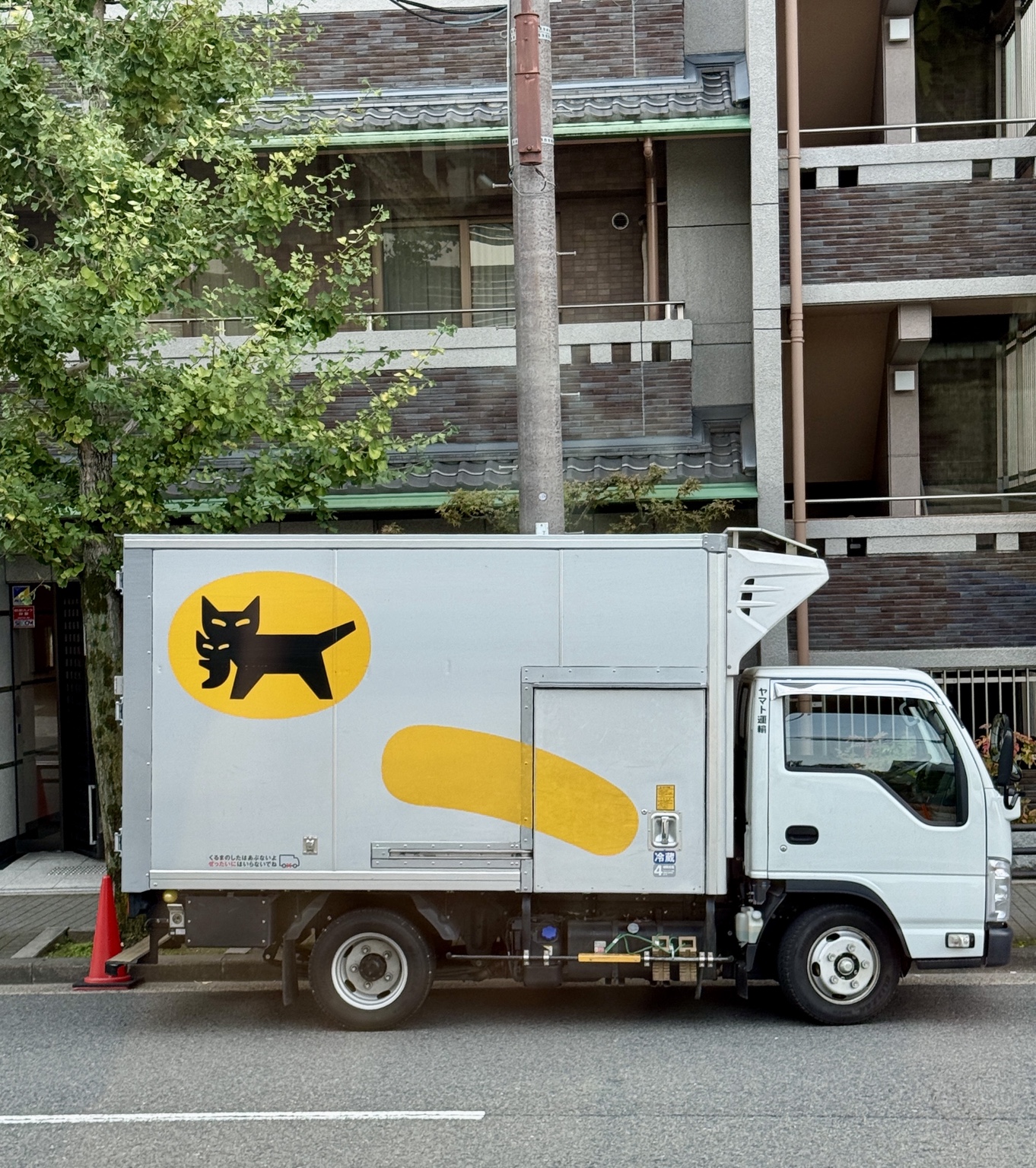
I must also give an honorable mention to the Japanese delivery company Yamato Transport, whose logo depicts a mother cat carrying her kitten, symbolizing the care with which they handle their customers’ packages.
How utterly charming.
And Now for That Elusive Nap…
Back at the hotel, I thought I’d squeeze in a little afternoon nap.
I kid you not: multiple chainsaws, a leaf blower, two bus stops, constant traffic and, as I dictate this, motorcycles.
Remember that peaceful little Japanese garden I mentioned earlier? Well, yours truly is staying on the other side of the hotel.
Apparently, the universe has other plans.
With only one more night here, I’m not going through the rigmarole of changing rooms.
But note to future self: TEMPLE SIDE, NOT STREET SIDE.

